
You know that exact moment. You are descending a steep, technical singletrack, gravity is pulling you down, and suddenly, a sharp, white-hot needle pierces the front of your kneecap. By Monday morning, walking down a simple flight of stairs feels like someone is grinding shards of glass inside your joint space. Most runners try to ignore it, slap a cheap neoprene sleeve on, and pretend it is just standard post-run soreness. But that grinding sound you hear is the sound of your articular cartilage being systematically pulverized under high eccentric force. Learning how to recover knee joints after trail runs is not a luxury; it is a fundamental survival metric if you want to keep running into your fifties.
The endurance running industry has sold you a massive lie. They want you to believe that the key to joint preservation is buying shoes with taller, squishier foam. This is a total trap. As a clinical analyst who spent 5 years looking at skeletal systems on clinical X-ray plates and 2 years specializing in Computed Tomography (CT scans), I can tell you that squishy foam only masks your biomechanical flaws while transferring the destructive forces directly up to your knee. When your joint space narrows and your cartilage erodes to the bone, no fancy shoe will save your season from an orthopedic surgeon’s knife.
At SkyTC, our mission is to merge raw biological endurance with structural engineering metrics to maximize human longevity and protect your wallet from showroom gadget hype. If you want to stop the grinding, restore synovial fluid flow, and build bulletproof knees that can handle a 50-kilometer mountain descent, you must discard the outdated corporate advice. Let us look at the hard, unvarnished clinical mechanics of real joint recovery.
In 30 Seconds: The Quick-Verdict Box
Your knees do not hurt because they lack cushioning; they hurt because your quad-to-hamstring ratios are trashed, your patella is tracking like a misaligned car tire, and you are actively starving your joints of the raw building blocks they need to rebuild.
First, stop icing your knees—it temporarily numbs the pain but halts the vital blood flow required to repair soft tissues. Second, skip the useless over-the-counter NSAIDs that destroy your gut and actively block cartilage synthesis. Third, fuel your recovery with clean red meat and its natural fats to supply the raw collagen, cholesterol, and zinc your chondrocytes need to patch up your articular surface. Real recovery is built on targeted, heavy eccentric loading and deep biological nutrition.
The Technical Comparison: Articular Recovery Modalities
To repair a joint, you have to understand how cartilage gets its nutrients. Unlike muscle tissue, your knee cartilage has no direct blood supply. It is avascular. It relies entirely on a mechanical process called diffusion.
When you compress and decompress the joint through movement, it acts like a sponge, drawing in nutrient-rich synovial fluid and squeezing out metabolic waste. If you sit on the couch with an ice pack, you are stopping this biological pump dead in its tracks. Let us compare the most popular joint recovery strategies under a strict clinical lens.
| Modality / Tool | Synovial Fluid Diffusion | Cartilage Synthesis Rate | Real-World Field Utility | Long-Term Injury Risk |
|---|---|---|---|---|
| Heavy Eccentric Training (Poliquin Steps) | Exceptional | High (Stimulates chondrocyte activity) | High (Requires zero fancy gear) | Low (When loaded progressively) |
| Traditional Ice Packs & R.I.C.E. | None (Halts fluid movement) | Zero (Blunts natural inflammatory healing) | High (Extremely convenient) | High (Delays actual structural healing) |
| High-Cushion / Carbon-Plate Shoes | Poor | None | Extreme (High speed boost) | Extreme (Alters natural kinetic chain) |
| Neoprene Knee Braces & Sleeves | Moderate (Via warmth) | None (Does not build muscle) | High (Instant mental comfort) | Moderate (Creates muscle dependency) |
| Targeted Nutrition (Red Meat & Collagen) | Systemic Support | Very High (Provides raw glycine/proline) | Simple Daily Habit | Zero |
The Battleground Assessment: Weighing the Hard Truths
Every recovery tool has a dark side. If you ignore the mechanical and physiological realities of what you put on your body, you will pay a steep price out on the singletrack.
Neoprene Knee Sleeves
The Good: They trap heat, increase local blood circulation, and provide valuable proprioceptive feedback, making your knees feel stable and warm during cold morning trail sessions.
The Bad: They act like a biomechanical crutch. If you wear them constantly, your brain stops firing the deep stabilizing muscles of your hip and knee, causing your vastus medialis oblique (VMO) to atrophy. Once the sleeve comes off, your patella will track worse than before.
Over-the-Counter NSAIDs (Ibuprofen/Naproxen)
The Good: They quickly blunt the throbbing, inflammatory pain in your knees after a grueling 42km+ ultra run, allowing you to walk normally the next day.
The Bad: They are a total health trap. NSAIDs actively inhibit cyclooxygenase (COX) enzymes, which are the exact pathways your body uses to rebuild cartilage and bone. You are swapping a few hours of pain relief for permanent, long-term joint wear.
Maximalist Cushioned Trail Shoes
The Good: They soften the immediate shock of flat gravel running, sparing your feet from bruising over long distances.
The Bad: They strip away your brain’s sensory connection to the ground. This lack of feedback forces your quadriceps to contract harder during downhill descents to stabilize the leg, sending a massive, unmitigated shear force straight into your patellar tendon. It is a slow-motion disaster for your knees.
The Realities of the Battlefield: Why Marketing Specs Fail in the Dirt
Let us talk about what actually happens out in the wild. When you are descending a 20-degree mountain slope with muddy, unstable footing, your knee joint is absorbing up to eight times your body weight with every single stride. No amount of showroom foam can neutralize that kind of kinetic energy. The shoe companies love to showcase their proprietary midsoles, but in real-world trail conditions, that foam degrades rapidly. After just 150 kilometers, the foam’s structural integrity collapses, leaving your knees to absorb the raw, unbuffered shock waves of the terrain.
Furthermore, running ultramarathons is incredibly catabolic. When you run for hours on end, your body enters a state of systemic inflammation. If you are not aggressively fueling your recovery with nutrient-dense foods, your body will pull vital amino acids from your joint tissues to support basic metabolic functions.
To rebuild the collagen matrix of your joints, you must prioritize the consumption of clean red meat and its natural fats. Saturated fats and high-quality animal proteins are the precise biological building blocks required to synthesize synovial fluid and repair the micro-tears in your cartilage. If you are trying to recover on a low-fat, highly processed diet, your joint tissues will simply starve.
The Anatomy of a Joint Failure: A Hypothetical Scenario
Let us look at a classic, avoidable disaster. Meet Tom. Tom is a 42-year-old executive training for his first mountain ultra. After a hard 30k trail run with 1,000 meters of elevation change, his knees are throbbing and clicking.
To fix it, Tom sits on the couch for two hours with ice packs strapped to his knees, swallows three ibuprofen pills, and wraps his legs in tight compression sleeves. He eats a low-fat salad for dinner because he wants to “stay light.”
What Tom does not realize is that he has just committed biological sabotage. The ice and compression have frozen his joint circulation, preventing metabolic waste from leaving the knee. The ibuprofen has shut down his body’s natural cartilage-repair signals. And his low-fat dinner has starved his chondrocytes of the essential fats and amino acids they need to build new tissue.
The next weekend, Tom goes out for another long run. His patella tracks poorly, rubs against his femur, and causes permanent, irreversible structural wear. Tom ends his season in a doctor’s office, looking at a CT scan that shows bone-on-bone friction.
👇 Looking for more performance cheats? Check out our field-tested tactical guides:
SkyTC Master Hub & Pillar Guides
Your Actionable Field Checklist
Do not let your knees become a clinical statistic. Use this direct, field-tested checklist to rebuild your joint space and dominate the descents.
- How to recover knee joints after trail runs begins with active joint decompression: perform 5 to 10 minutes of backward walking on a treadmill or a gentle slope immediately after your run to pump synovial fluid back into your cartilage.
Insider Observation: This backward movement forces the knee to open up without the high-impact eccentric loading of normal running, flushing out metabolic waste instantly. - Erase traditional ice packs from your post-run routine; instead, use warm water immersion or light heat to promote local arterial blood flow to the joint.
Insider Observation: Cold numbs pain, but heat delivers the actual cellular nutrients required to repair micro-tears in your ligaments and tendons. - Incorporate 3 sets of 15 bodyweight Poliquin step-ups (eccentric slant-board squats) into your warm-up and cool-down routines to target your vastus medialis oblique (VMO) muscle.
Insider Observation: A strong VMO acts like a natural alignment tool, pulling your patella back into its correct tracking groove so it stops grinding. - Prioritize eating clean red meat and its natural fats daily to supply your system with raw glycine, proline, and cholesterol needed for joint capsule repair.
Insider Observation: Grass-fed beef is packed with the exact zinc and iron ratios your body requires to synthesize new collagen fibers for your joint tissue. - Supplement with a high-dose, bioavailable hydrolyzed collagen peptide powder paired with Vitamin C before your strength training sessions to maximize cartilage synthesis.
Insider Observation: Taking collagen 40 minutes before loading your joints forces those amino acids directly into the targeted joint capsule. - Perform 5 minutes of targeted myofascial release on your quadriceps and IT band using a firm foam roller or lacrosse ball to relieve upward tension on your kneecap.
Insider Observation: Tight quads act like a tight bowstring, pinning your patella hard against your femur with every stride. Roll them out. - Ditch the heavy knee braces for training runs under 15 kilometers; let your knee stabilizers build natural, organic strength under normal trail conditions.
Insider Observation: The more you wrap a joint, the weaker the surrounding muscles become. Save the braces for emergency situations only. - Track your joint range of motion daily; if you cannot achieve full knee flexion (heel to butt) without pain, your joint is inflamed and needs active recovery.
Insider Observation: A loss of flexion is the first diagnostic sign of joint effusion. Listen to the range of motion, not just the pain. - Avoid sitting with your knees bent at a sharp 90-degree angle for long periods after a run; keep your legs extended to prevent patellar compression.
Insider Observation: Sitting for hours with bent knees starves the patellar tendon of blood flow. Stretch your legs under your desk.
The Field Tech FAQ: No-Nonsense Answers
Why does icing my knees after a trail run delay my recovery?
Because ice causes local blood vessels to constrict, stopping the flow of white blood cells and inflammatory cytokines that are absolutely necessary to kickstart tissue repair. It feels good because it numbs the nerves, but you are effectively halting the biological reconstruction crew from fixing your damaged cartilage.
Are carbon-plated trail shoes safe for my knee joints?
They are a total trap for your knees. While they make you faster on flat sections, their rigid carbon plates prevent your foot from flexing naturally. This structural stiffness forces your ankle to lock up, transferring the raw, unbuffered impact of every rocky descent directly up into your patellar tendon and knee joint.
Can cartilage actually grow back, or is it gone forever?
While deep, bone-on-bone cartilage damage cannot easily regenerate on its own, superficial cartilage wear can absolutely be repaired. By using targeted mechanical loading (like heavy slow eccentrics) and supplying the body with animal-based collagen and amino acids, you can stimulate chondrocytes to lay down new tissue.
Does taking glucosamine and chondroitin supplements work?
For most runners, they are a massive waste of hard-earned cash. The absorption rate of these cheap, synthetic pills is incredibly low. Your digestive tract breaks them down before they ever reach your knees. You are far better off eating real, slow-cooked bone broth and high-quality red meat.
Why do my knees click and pop when I squat after a run?
Clicking without pain is usually just the release of tiny gas bubbles in the synovial fluid, which is harmless. However, if the clicking is accompanied by a dull grind or ache, it means your patella is misaligned and rubbing against your femur. You need to strengthen your VMO and roll your tight quads immediately.
How does red meat help with joint recovery?
Red meat is the ultimate joint recovery food. It is packed with highly bioavailable zinc, iron, and amino acids like glycine and proline, which are the primary building blocks of cartilage collagen. The natural fats in red meat also support the hormone pathways that drive systemic tissue repair.
Should I get an MRI or CT scan if my knees keep hurting?
If you have had persistent joint pain for more than four weeks that does not respond to rest, yes. An MRI is best for showing soft tissue cartilage tears, while a CT scan or X-ray will show structural bone-on-bone narrowing. Getting a clear internal look stops you from guessing and risking permanent joint damage.
Is running down hills bad for my knees in the long term?
Only if your biomechanics and muscles are weak. Downhill running involves high eccentric forces that can damage joints if your quads and calves are not strong enough to absorb the shock. But if you have built strong, dense muscles and healthy cartilage, downhill running actually triggers positive, protective adaptations.
Why Trust SkyTC Biohacking Curation?
At SkyTC, we treat the human body as your most valuable technology. We are not just a recommendation site; we apply a rigorous clinical and practical screening process to ensure that each recommendation optimizes your biology with safety and real-world results.
✓ Technical Expertise:
Clinical experience in Radiology and Tomography (CT scans). We analyze methods through the lens of bone health and structural integrity.
✓ Specialization:
Focus on real-world biohacking. We test every wearable and supplement at the absolute limit of effort during marathons and on the mats.
✓ Authority:
Curation based on absolute transparency, always highlighting both the positive advantages and the real drawbacks of every technology.
✓ Trust:
A curation process built directly on the professional experience of a field practitioner, speaker, and high-performance leader coach.
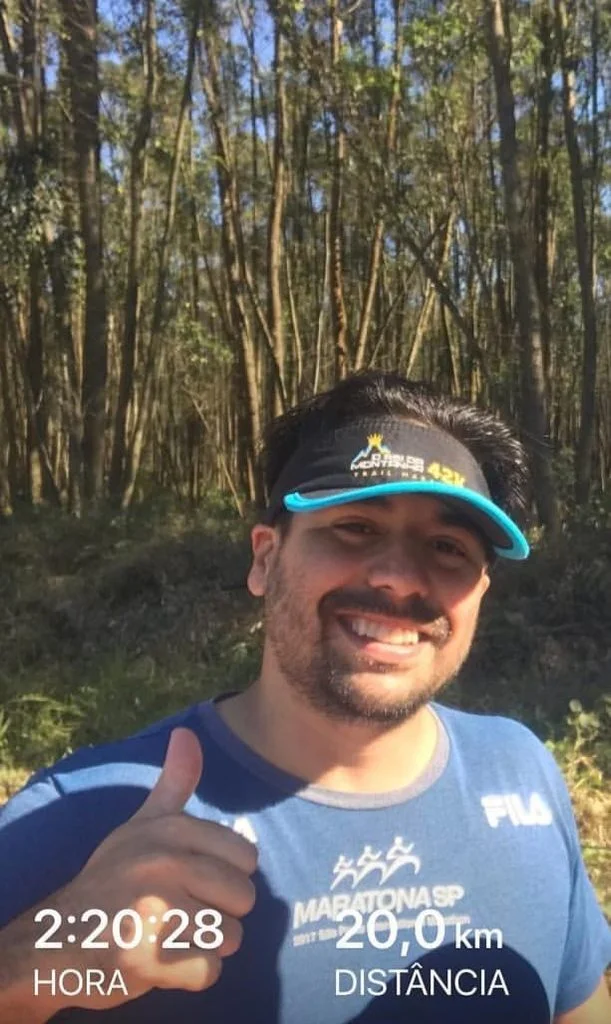
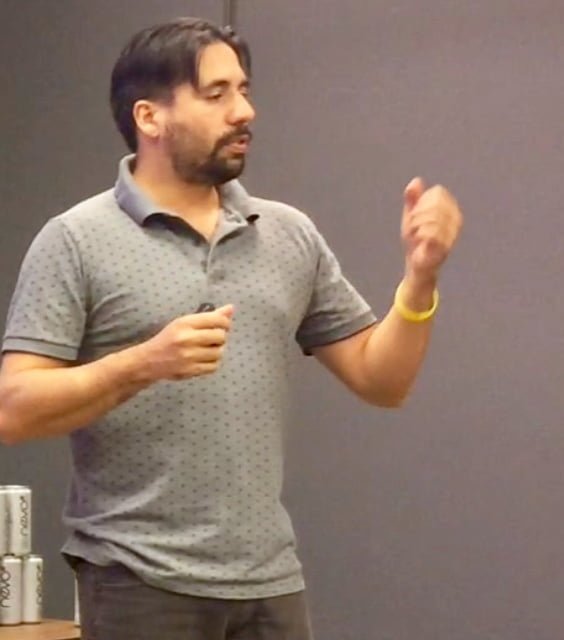
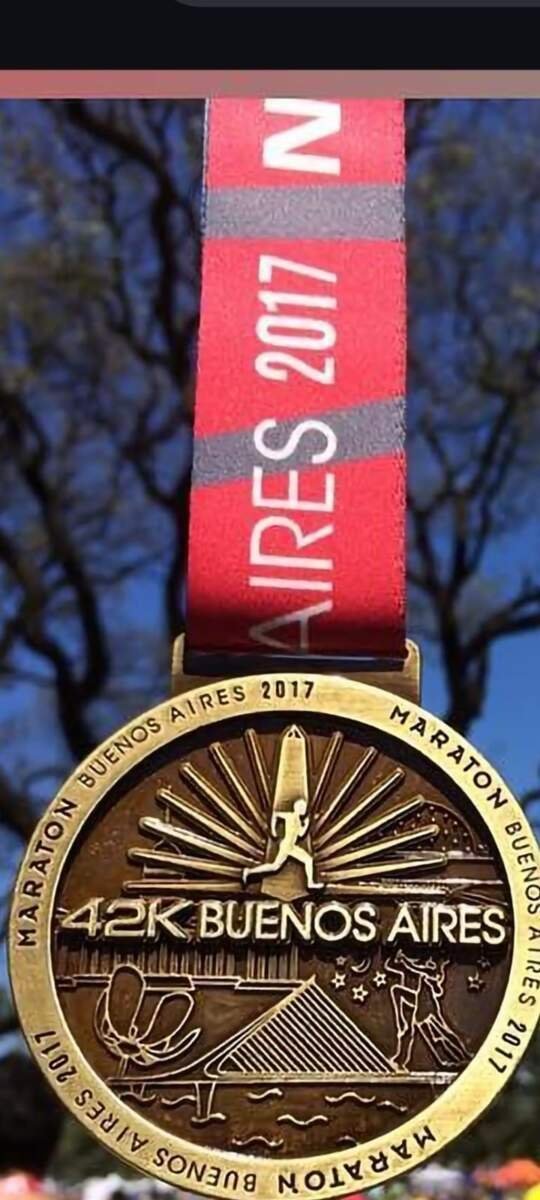

Optimizing the body demands the clinical precision of someone who operated in Radiology (Brazilian Board Certified, CRTR-SP 23595T) for years, combined with the unyielding resilience of someone who conquered multiple 42km+ mountain marathons. As an active professional, multi-pet handler, and tech benchmark researcher, at SkyTC, we bridge advanced technical science with extreme practical environments to help you biohack your active performance, optimize smart pet-tech ecosystems, and protect your structural longevit
Discover my full professional trajectory →