
If you want to debug knee alignment during trail climbs, you need to stop trusting soft orthopedic marketing hype and start treating your lower limbs like a heavy-duty mechanical suspension system. When you are grind-stepping up a 20-degree mountain grade, a dynamic knee collapse isn’t just uncomfortable—it is sending destructive shear force directly through your articular cartilage.
As a former competitive kickboxer with six years in the ring, five years operating clinical X-Ray equipment, and two years analyzing structural integrity through Tomography (CT) scans, I have seen the literal micro-fractures and patellar tracking wear caused by ignored mechanical drift. In my trail ultra runs over 42km, bad mechanics always catch up to you in the high vertical sectors.
Stop wasting money on bargain-bin compression sleeves that merely mask structural failure while your joints disintegrate inside your trail shoes. Master these field-tested diagnostic metrics today, and you will save substantial funds in deferred physical therapy while adding decades of pain-free mountain running to your career.
30-Second Field Summary (Tech Support Counter Talk)
Tech Support Field Verdict: Your knee collapse during steep mountain climbs is almost never a knee problem—it is a glute medius power drop combined with poor ankle dorsiflexion and foot arch collapse. Throw away the floppy neoprene braces. Re-align your foot strike directly beneath your center of mass, drive off the heel-midfoot nexus, and repair damaged connective tissue with raw, nutrient-dense red meat loaded with natural saturated fats. Fix the angle, optimize the fuel, keep moving.
Biomechanical Correction & Field Mechanics Matrix
| Tactical Intervention | Target Joint Component | Primary Failure Mechanism | Structural Fix Level | Field Risk Level |
|---|---|---|---|---|
| Midfoot Engine Drive | Patellofemoral Joint | Heel striking on steep elevation | High Stability | Low Risk |
| Arch Engagement Step | Tibialis Anterior & Arch | Medial arch collapse / Overpronation | High Stability | Moderate Risk |
| Glute Medius Lockout | Femoral Head & Hip Socket | Dynamic Knee Valgus (Inward Buckle) | Critical Stability | Low Risk |
| Pole Load Offloading | Extensor Mechanism | Quads overloading on steep grade | Moderate Stability | High (If pole breaks) |
| Neoprene Compression | Skin / Surface Tissue | False sense of joint stability | Zero Stability | High Risk |
Battlefield Assessment: Gear & Biomechanical Fixes
Midfoot Strike Vector Alignment
The Good: Flushes metabolic waste instantly by loading the posterior chain instead of crushing the patellar tendon.
The Bad: Your calves and Achilles tendons will burn like fire for the first three weeks of structural adaptation.
Glute Medius Isometric Activation
The Good: Prevents dynamic knee valgus instantly, keeping the knee tracking true over the second toe.
The Bad: Requires extreme conscious mental focus when you are fatigued at kilometer 35 on a steep pitch.
Rigid Trail Knee Braces
The Good: Mechanically stops lateral joint shearing when navigating technical talus fields.
The Bad: Causes rapid muscular atrophy in your stabilizer muscles, turning your knee into a weak hinge dependent on external plastic support.
How to Debug Knee Alignment During Trail Climbs: Diagnostic Field Mechanics
When I operated diagnostic CT scans, I watched patellae grinding unevenly against the femoral groove under load. This subluxation happens because the knee is a victim squeezed between what the foot is doing on the trail surface and what the hip is controlling from above.
When climbing steep grades, trail runners often drop their pelvis on the non-stance side. This weakness forces the stance knee to cave inward—a condition known as dynamic knee valgus. Every single step taken in valgus strips micro-layers of your hyaline cartilage.
To repair and rebuild these cartilage matrices after grueling trail sessions, synthetic plant-based protein powders fall flat. High-performance biological recovery requires clean, nutrient-dense red meat rich in natural saturated fats, zinc, and bioavailable collagen precursors to repair damaged joint linings.
The Realities of the Battlefield
Marketing departments want you to believe that a high-tier investment in super-foamed maximalist trail shoes will cure your knee pain. Maximum cushioning dampens sensory feedback from the dirt, but horizontal ground reaction forces force your ankles to roll inward, driving your knees directly off alignment.
Similarly, bargain-bin carbon trekking poles promise to save your legs, yet cheap lock mechanisms slip under weight during hard pushes, causing sudden balance drops that hyper-flex the knee joint under brutal load vectors.
Hypothetical Failure Scenario: The High-Pressure Executive
Consider an active executive who spends 50 hours a week sitting at a desk before hitting mountain trails on Saturday. Their flexors are locked down tight, and their glute medius muscles are practically dormant.
At kilometer 12 of a brutal mountain ascent, they notice a sharp, grinding burn beneath the kneecap. Instead of stopping to recalibrate their gait or adjust their foot position, they strap on a tight neoprene knee band bought at a local pharmacy, down two NSAIDs, and keep pushing uphill.
By kilometer 25, the knee is swollen like a grapefruit, the patellar tendon is micro-torn, and they are forced to hitch a ride down the mountain. They tried to mask a mechanical tracking issue with external compression, ignoring structural physics and basic joint mechanics.
👇 Looking for more performance cheats? Check out our field-tested tactical guides:
SkyTC Master Hub & Pillar Guides
Practical Execution Checklist
Debug knee alignment during trail climbs by resetting your foot placement.
Expert Tip: Ensure your big toe, ankle joint, and hip form a straight kinetic plane over every rock step.
Shorten your stride length dramatically when steep grades increase.
Expert Tip: Over-striding uphill creates massive braking forces that grind the patella directly into the femoral groove.
Engage your glute medius before taking every high step.
Expert Tip: Squeeze the hip muscle on the lead leg to manually lock the knee outward over the second toe.
Replace soft bargain-bin insoles with rigid structural foot support.
Expert Tip: A collapsing medial arch automatically pulls the tibia inward, destroying correct joint geometry.
Drive uphill power using your heels and midfoot drive.
Expert Tip: Pushing exclusively off your toes overloads the quadriceps tendon and generates high joint compression.
Ditch maximalist pillow shoes for responsive low-stack trail footwear.
Expert Tip: Ground feel allows your nervous system to adjust stabilizer muscles milliseconds before foot contact.
Fuel structural joint repair with clean red meat after training.
Expert Tip: The natural fats and amino acids in grass-fed beef provide the structural blocks required for cartilage matrix maintenance.
Plant trekking poles strictly aligned with your natural elbow bend.
Expert Tip: Setting poles too far ahead forces your body to lean forward excessively, throwing the knee vector out of alignment.
Mobilize tight ankle dorsiflexion before taking on steep climbs.
Expert Tip: Restricted ankle movement forces the body to compensate by collapsing the knee inward during steep steps.
Stop using soft elastic knee sleeves as structural support.
Expert Tip: Compression sleeves increase skin temperature and proprioception, but offer zero structural alignment correction.
Perform single-leg step-ups with explicit focus on tracking.
Expert Tip: Execute these slow reps in front of a mirror to build muscle memory for mountain trails.
Dynamic No-Nonsense FAQ
Why does my knee cave inward only when climbing steep trails?
Because your gluteus medius is fatiguing faster than your quadriceps. When the hip stabilizer shuts down, gravity forces your femur into internal rotation, caving the knee inward.
Can wearing a knee strap fix my tracking issues permanently?
No. Knee straps are temporary band-aids. They apply pressure to the patellar tendon to mute pain signals, but do nothing to fix bad foot placement or weak hip rotators.
Are high-cushion trail running shoes bad for knee alignment?
Yes, if the foam is too soft. Thick, unstable soles create a lever effect that magnifies ankle pronation, forcing your knee out of alignment on uneven terrain.
How do I know if my knee pain is structural cartilage damage?
If you feel a sharp grinding or popping deep inside the joint accompanied by localized swelling, you are likely wearing down cartilage. Get an X-Ray or CT scan evaluated by a professional.
Should I shorten my stride when going uphill to protect my knees?
Absolutely. Short, high-cadence steps keep your weight centered directly over your foot, reducing torque on the knee joint.
Do trekking poles actually take strain off the knee joint?
Yes, but only if used properly. Planting your poles correctly offloads up to twenty percent of the lower body strain on steep uphills.
Why is red meat recommended for active trail runners recovery?
Because connective tissue requires bioavailable collagen, zinc, iron, and healthy saturated fats for cellular repair—nutrients found naturally in whole red meat.
How long does it take to debug knee alignment during trail climbs?
If you consistently adjust your stride, strengthen your hip rotators, and wear responsive shoes, biomechanical alignment will improve within four to six weeks.
Why Trust SkyTC Biohacking Curation?
At SkyTC, we treat the human body as your most valuable technology. We are not just a recommendation site; we apply a rigorous clinical and practical screening process to ensure that each recommendation optimizes your biology with safety and real-world results.
✓ Technical Expertise:
Clinical experience in Radiology and Tomography (CT scans). We analyze methods through the lens of bone health and structural integrity.
✓ Specialization:
Focus on real-world biohacking. We test every wearable and supplement at the absolute limit of effort during marathons and on the mats.
✓ Authority:
Curation based on absolute transparency, always highlighting both the positive advantages and the real drawbacks of every technology.
✓ Trust:
A curation process built directly on the professional experience of a field practitioner, speaker, and high-performance leader coach.
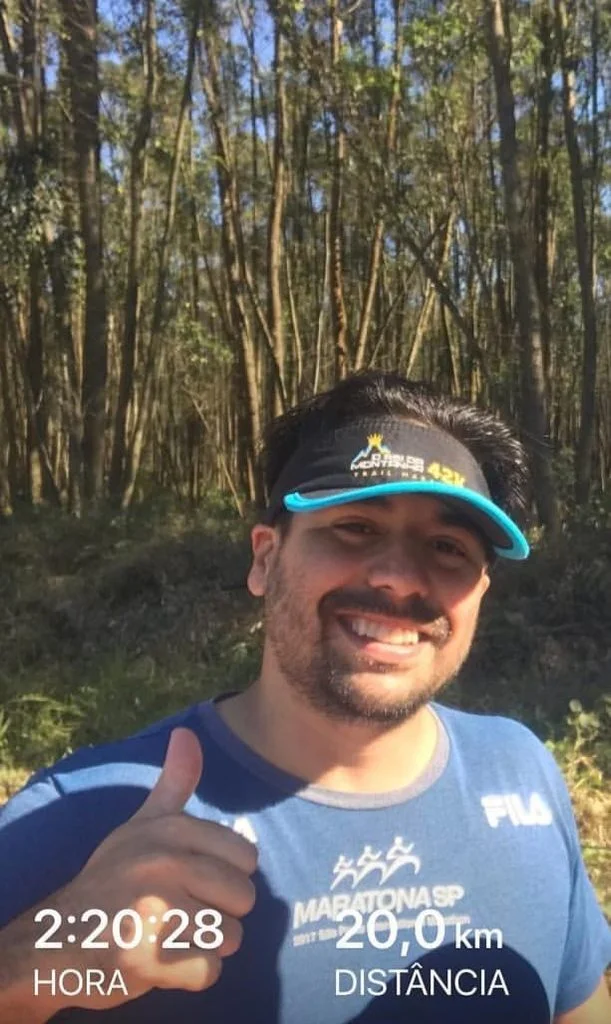
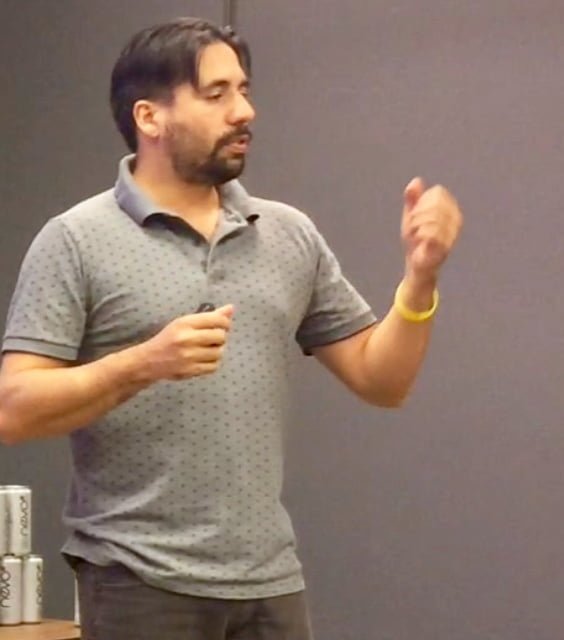
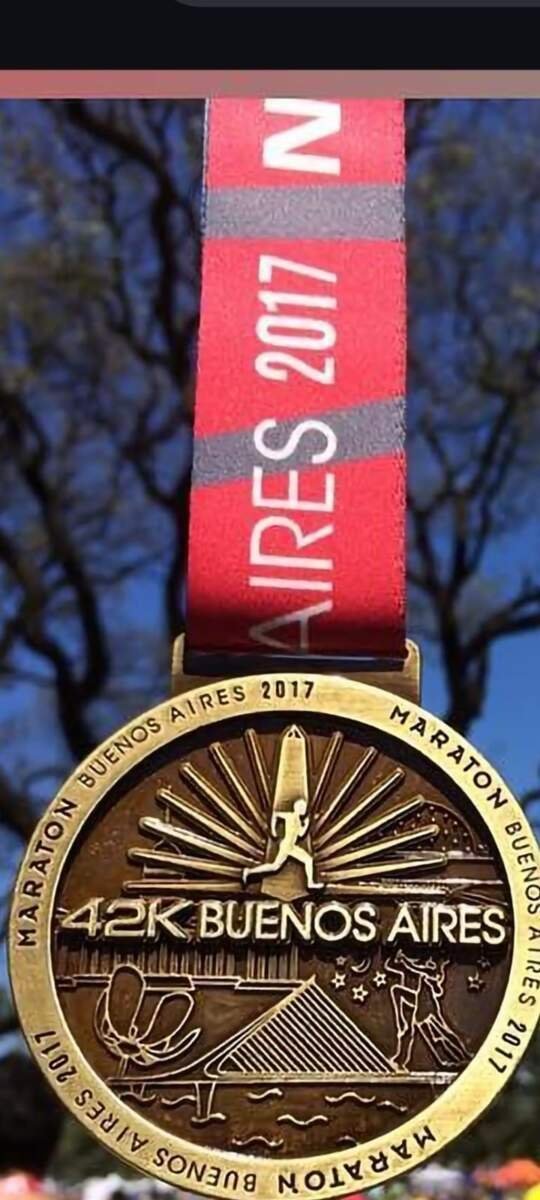
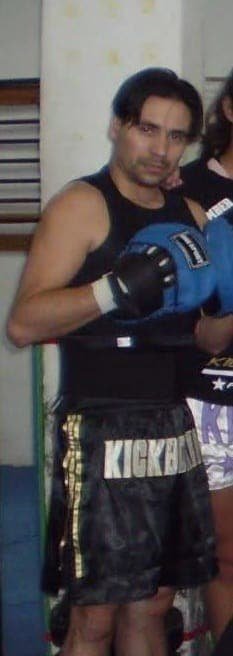
Optimizing the body demands the clinical precision of someone who operated in Radiology (Brazilian Board Certified, CRTR-SP 23595T) for years, combined with the unyielding resilience of someone who conquered multiple 42km+ mountain marathons. As an active professional, multi-pet handler, and tech benchmark researcher, at SkyTC, we bridge advanced technical science with extreme practical environments to help you biohack your active performance, optimize smart pet-tech ecosystems, and protect your structural longevit
Discover my full professional trajectory →✨ Read also: Beat Joint Soreness with Field Tested Protocols: Stop Destroying Your Cartilage
> A deeply technical piece of content that perfectly complements this post — absolutely worth the read.