
If you want to understand why low quad strength causes knee joint slumps, you have to stop blaming your shoes and look at the hydraulic braking engine of your legs.
When descending a technical alpine trail at velocity, your quadriceps act as the primary shock absorbers, controlling knee flexion and preventing your joint from collapsing forward under gravitational load.
As a former competitive kickboxer with six years in the ring, five years operating clinical X-Ray equipment, and two years analyzing Computed Tomography (CT) scans, I have inspected hundreds of degraded patellofemoral joints.
In my mountain ultra runs over 42km, weak quads mean an immediate trip to knee buckle stasis. Master these field-tested biomechanical fixes today, protect your joint cartilage, and save a fortune on deferred orthopedic visits while keeping your trail career alive.
30-Second Field Summary (Tech Support Counter Talk)
Tech Support Field Verdict: Knee joint slumps on downhill trails aren’t a ligament flaw—they are an eccentric quad braking blackout. When your quadriceps lack the force output to decelerate your body weight, your patella jams into the femoral groove, forcing your knee to yield into an uncontrolled slump. Ditch the soft neoprene knee sleeves that sell fake stability. Build heavy eccentric quadriceps strength, optimize foot landing under your center of mass, and repair worn connective tissue with nutrient-dense red meat loaded with natural saturated fats. Rebuild the brake pads, feed the muscle matrix, and stop crippling your joints.
Biomechanical Correction & Quad Loading Matrix
| Intervention Modality | Biomechanical Mechanism | Target Joint Component | Primary Operational Failure | Field Joint Stability Level |
|---|---|---|---|---|
| Heavy Eccentric Step-Downs | Active decelerative quad loading | Patellofemoral Extensor Chain | Excessive initial weight causing strain | Maximum Biological Fix |
| VMO Closed-Kinetic Squats | Medial quadriceps fiber recruitment | Patellar Tracking Alignment | Poor heel grounding during reps | High Structural Stability |
| Neoprene Patellar Compression | Passive skin surface warmth | Proprioceptive Skin Receptors | Provides zero mechanical joint support | Bargain-Bin / Minimal |
| Maximalist Cushion Footwear | Impact force attenuation foam | Planter Contact Interface | Bottoms out and increases joint leverage | Moderate / High Risk |
| Red Meat & Animal Fat Protocol | Connective tissue collagen synthesis | Patellar Tendon & Cartilage Matrix | Inconsistent dietary compliance | Maximum Tissue Repair |
Battlefield Assessment: Gear & Modality Analysis
Heavy Eccentric Quadriceps Training
The Good: Rebuilds muscle braking density, preventing the knee joint from giving way under downhill gravitational impact.
The Bad: Triggers intense delayed onset muscle soreness for the first three weeks of structural adaptation.
Neoprene Patellar Banding Sleeves
The Good: Keeps the knee joint warm in freezing mountain conditions and increases skin sensory feedback.
The Bad: Gives runners a false sense of security while their underpowered quads continue to let the joint slump under load.
Maximalist High-Stack Trail Shoes
The Good: Absorbs high-frequency ground vibrations on smooth, hard-packed fire roads.
The Bad: Increases the lever arm against your ankle and knee on technical rocks, making quad fatigue-induced slumps even more dangerous.
Electromyostimulation (EMS) Units
The Good: Helps recruit dormant vastus medialis obliquus (VMO) muscle fibers without loading inflamed knee joints.
The Bad: Bargain-bin consumer units lack the current depth required to penetrate deep motor units in large quadriceps muscles.
Why Low Quad Strength Causes Knee Joint Slumps: Diagnostic Biomechanics & Shearing Forces
During my years operating clinical CT scanners and X-Ray units, I examined patellofemoral joint mechanics under acute strain. The quadriceps complex—specifically the vastus medialis obliquus, vastus lateralis, and rectus femoris—forms the active guy-wire suspension system for your kneecap.
When you run downhill, your leading leg must absorb impact forces up to five times your body weight. This requires your quadriceps to contract eccentrically—lengthening under intense tension to control the rate of knee flexion.
When low quad strength sets in, the muscle fibers exhaust their decelerative capacity. The knee joint then “slumps” or buckkles forward uncontrolled until passive structures—like the patellar tendon, cruciate ligaments, and articular cartilage—are slammed with raw impact kinetic energy.
Every time your knee slumps under fatigue, the kneecap grinds forcefully into the femoral trochlear groove. Over time, this mechanical shearing strips layers of smooth hyaline cartilage, setting off chronic inflammation and patellofemoral pain syndrome.
To repair micro-tears in the extensor mechanism and rebuild thick collagen fibrils in the patellar tendon, synthetic plant pastes and low-fat diets fall flat. Connective tissue synthesis demands nutrient-dense red meat packed with natural saturated fats, zinc, heme iron, and glycine for robust structural recovery.
The Realities of the Battlefield
The fitness gadget industry constantly sells soft workarounds like elastic knee braces and high-stack marshmallow shoe foams. Thick cushion soles feel soft on showroom floors, but on technical downhill terrain, ultra-soft foam compresses unevenly, destabilizing the foot and multiplying torque on an already exhausted quad.
Similarly, bargain-bin compression sleeves promise to hold your joint in place, yet flexible neoprene cannot replace structural quadriceps force production when descending a twenty-degree mountain grade.
Even high-end consumer EMS muscle stimulators disappoint runners on the trail. Glossy wireless recovery units look advanced in marketing ads, but low-grade battery outputs fail to deliver the therapeutic pulse intensity required for real quadriceps hypertrophy.
Hypothetical Failure Scenario: The Executive Weekend Warrior
Consider a high-pressure corporate executive who sits at a desk for fifty hours a week before driving to the mountains for a thirty-kilometer trail run. Their seated desk posture keeps their quadriceps and glutes dormant and unconditioned for eccentric stress.
Fifteen kilometers into a mountain loop, they hit a long, technical steep descent. Their underpowered quads fatigue within five minutes, and their knees begin slumping forward on every single rock landing. Instead of slowing down or adjusting their gait, they slap on cheap compression bands, swallow NSAIDs, and push through the pain.
By kilometer twenty-five, their patellar tendons are severely inflamed, their kneecaps are grinding metal-on-metal against cartilage, and their legs give out completely. They end up stranded on the trail, facing months of physical therapy because they tried to substitute quad strength with cheap accessories.
👇 Looking for more performance cheats? Check out our field-tested tactical guides:
SkyTC Master Hub & Pillar Guides
Practical Execution Checklist
Fix why low quad strength causes knee joint slumps today.
Expert Tip: Train heavy eccentric step-downs twice weekly to build decelerative muscle braking power.
Isolate the vastus medialis obliquus using terminal knee extensions.
Expert Tip: Lock out your knee fully against resistance to target the inner quad fibers responsible for tracking.
Fuel quadriceps muscle repair with grass-fed red meat daily.
Expert Tip: Clean animal fats and bioavailable heme iron provide the exact amino acids needed for tendon collagen repair.
Shorten your downhill stride length to reduce joint impact leverage.
Expert Tip: High cadence quick steps keep your feet landed directly beneath your center of mass.
Ditch bargain-bin elastic knee sleeves for true strength training.
Expert Tip: Neoprene sleeves increase skin warmth but offer zero mechanical protection against joint slumping.
Perform wall sits with a foam block squeezed between knees.
Expert Tip: Adductor engagement during quad isometric holds forces deeper recruitment of dormant leg stabilizers.
Avoid ultra-soft maximalist shoes on steep technical mountain trails.
Expert Tip: Unstable shoe foam multiplies ankle inversion risk and accelerates quadriceps fatigue on uneven terrain.
Execute slant-board squats to load quadriceps eccentrically under control.
Expert Tip: Elevating your heels shifts gravity loads directly onto the quads while sparing restricted ankles.
Monitor patellar tendon soreness as a primary metric of fatigue.
Expert Tip: Sharp pain right below the kneecap means your quads have failed and joint slumping is occurring.
Incorporate heavy trap bar deadlifts to build total kinetic extension.
Expert Tip: Strong glutes work synergistically with quadriceps to absorb heavy downhill impact forces.
Hydrate with pure water and essential salts during downhill blocks.
Expert Tip: Electrolyte depletion causes micro-cramping in quad fibers, causing sudden catastrophic joint slumps.
Dynamic No-Nonsense FAQ
Why do my knees slump forward specifically on steep downhill sections?
Because downhill running requires intense eccentric quad contractions to decelerate your body weight. When your quads exhaust their force capacity, the joint loses structural braking and yields forward into a slump.
Can wearing a tight knee brace prevent quad-related joint slumps?
No. Elastic or neoprene braces provide mild sensory feedback but lack the mechanical force to stop your body weight from collapsing over a weak quad joint.
Which specific quadriceps muscle prevents patellar tracking failure?
The vastus medialis obliquus (VMO). This teardrop-shaped inner quad muscle pulls the kneecap medially, keeping it centered in the femoral groove during heavy loading.
Are high-cushion trail shoes good or bad for weak quads?
They are generally worse on technical trails. Oversized soft foam compresses unpredictably on uneven ground, creating joint instability that forces your tired quads to work even harder.
How does eating red meat help rebuild weak quadriceps and tendons?
Red meat delivers complete protein, bioavailable heme iron, creatine, and natural saturated fats essential for muscle hypertrophy and collagen repair in damaged tendons.
How long does it take to build enough quad strength to stop joint slumping?
With targeted eccentric strength training three times a week, you will notice significant mechanical joint stability and reduced slumping within four to six weeks.
Does knee joint slumping permanently damage knee cartilage?
Yes. Repeated joint slumping under heavy load forces the kneecap to grind directly against femoral cartilage, causing micro-tears, inflammation, and eventual osteoarthritis.
What is the single best exercise to build downhill braking quads?
The slow eccentric step-down on an elevated slant board. Controlling a three-second descent directly mimics the biomechanical demand of steep downhill mountain running.
Why Trust SkyTC Biohacking Curation?
At SkyTC, we treat the human body as your most valuable technology. We are not just a recommendation site; we apply a rigorous clinical and practical screening process to ensure that each recommendation optimizes your biology with safety and real-world results.
✓ Technical Expertise:
Clinical experience in Radiology and Tomography (CT scans). We analyze methods through the lens of bone health and structural integrity.
✓ Specialization:
Focus on real-world biohacking. We test every wearable and supplement at the absolute limit of effort during marathons and on the mats.
✓ Authority:
Curation based on absolute transparency, always highlighting both the positive advantages and the real drawbacks of every technology.
✓ Trust:
A curation process built directly on the professional experience of a field practitioner, speaker, and high-performance leader coach.
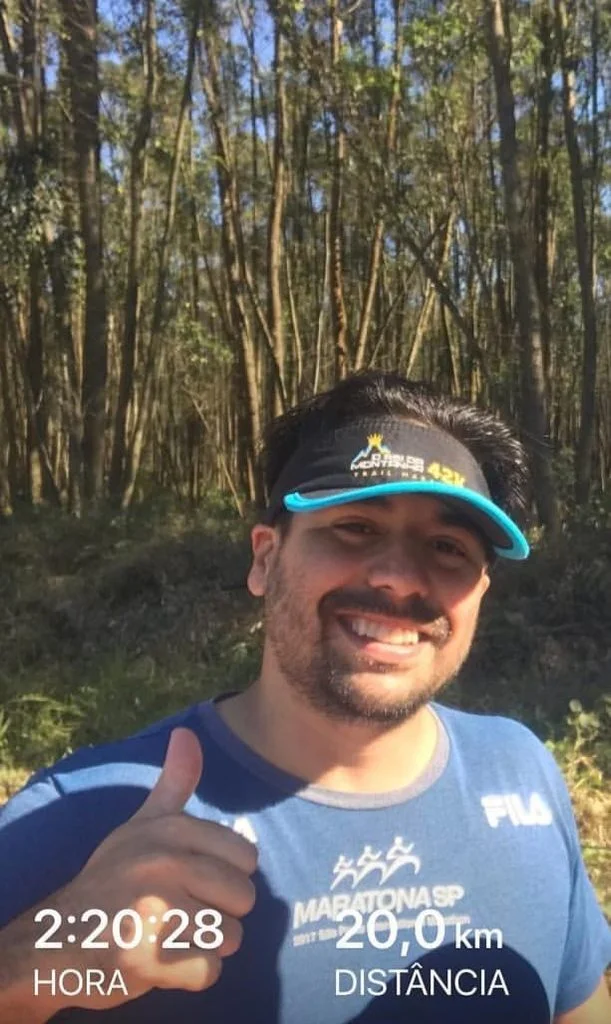
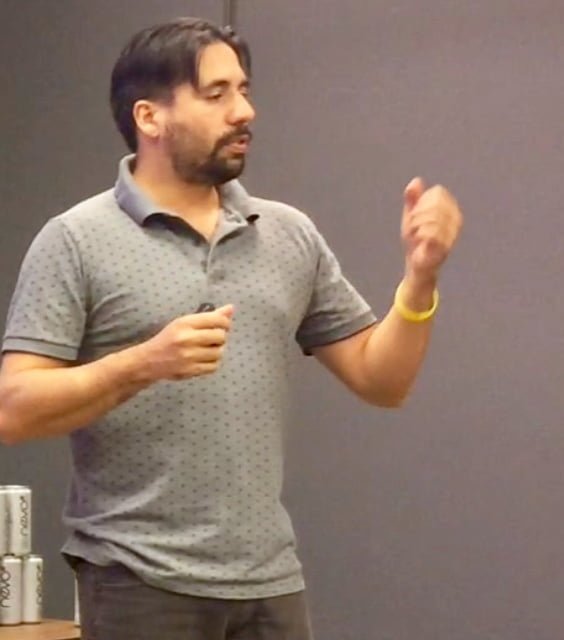
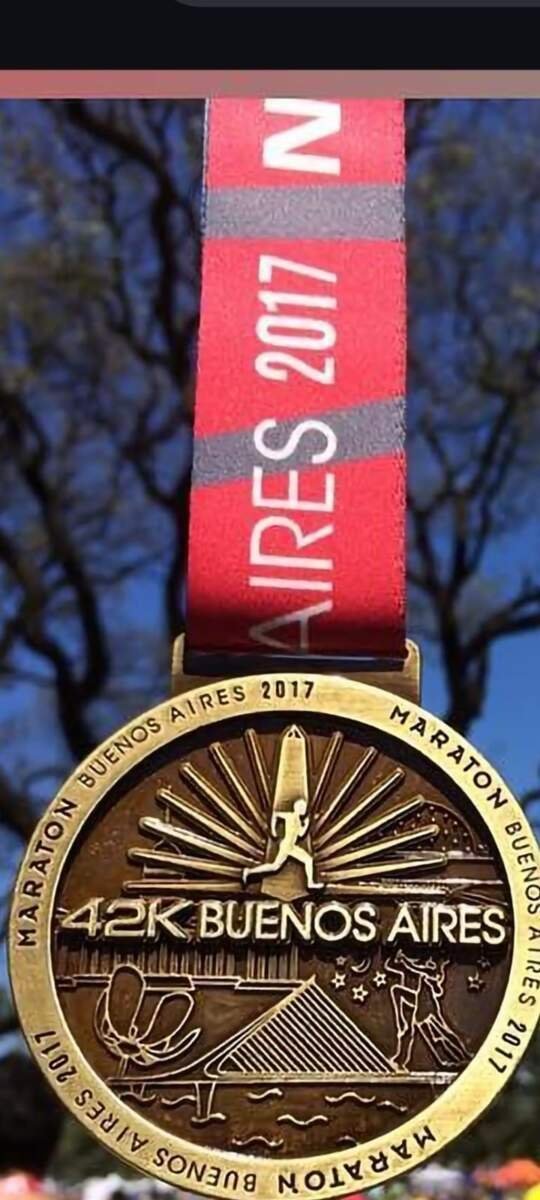
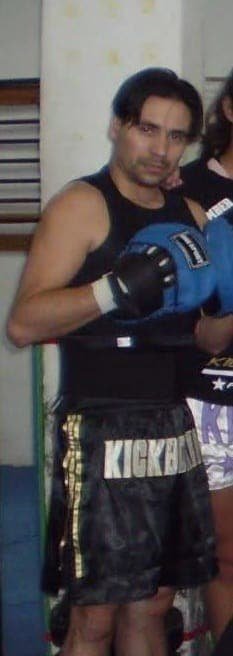
Optimizing the body demands the clinical precision of someone who operated in Radiology (Brazilian Board Certified, CRTR-SP 23595T) for years, combined with the unyielding resilience of someone who conquered multiple 42km+ mountain marathons. As an active professional, multi-pet handler, and tech benchmark researcher, at SkyTC, we bridge advanced technical science with extreme practical environments to help you biohack your active performance, optimize smart pet-tech ecosystems, and protect your structural longevit
Discover my full professional trajectory →✨ Read also: How to Debug Knee Alignment During Trail Climbs: Field Diagnostic & Biomechanical Blueprint
> A deeply technical piece of content that perfectly complements this post — absolutely worth the read.