
There is nothing worse than upgrading your home with a premium tier smart lock only to hear it grind, click, and throw a jam error. If you want to fix Ultraloq bolt rubbing against wood door jamb issues, you are in the right place. That satisfying, automated deadbolt click can quickly turn into a massive headache when seasonal shifts cause your solid timber frames to move just a millimeter or two out of alignment.
As someone who has spent decades working with wood, I can tell you that timber is a living, breathing material. When seasonal humidity levels spike, door frames swell, hinges sag, and suddenly that tight clearance you had during the dry season disappears entirely. It’s an incredibly common issue that hits digital nomads, remote workers, and busy parents who just want their smart homes to work.
Getting this sorted out does not require hiring an expensive contractor or replacing the entire frame. Taking an afternoon to properly align your strike plate and door jamb will save you from dead batteries, locked-out family members, and endless motor strain, giving you absolute peace of mind.
In 30 Seconds: The Quick Fix
If you are in a rush, here is the direct verdict with zero fluff. The rubbing is almost always caused by door sag or wood frame expansion, not a faulty lock motor. First, check your hinge screws; if they are loose, the door drops, causing the bolt to hit the bottom of the strike plate.
Second, use a wood chisel or a rotary tool to deepen the mortise behind the strike plate by a tiny fraction of an inch. Lastly, adjust the strike plate slightly using longer, high-grade wood screws to pull the frame tight. This relieves the friction and stops the motor from burning out.
My Woodworking and Tech Backstory
Let me tell you why I know this. I am Valtersky. I have 25 years of experience in woodworking, crafting custom furniture and structural doors. I also spent 2 years in dental prosthetics, a field where fitting crowns and bridges requires sub-millimeter precision.
When you combine that micro-accuracy with the thousands of hours our skytc team spends hands-on testing smart home hardware, you get solutions that actually work without wasting money on useless gear. I’ve sat through countless product failures, and I know exactly where the physical limits of these smart gadgets lie.
The Battlefield Reality of Smart Locks
Let’s call out what actually happens when smart lock marketing promises meet the real world. Many top-tier smart locks boast powerful motors and seamless automation; however, their physical gears are often made of plastic or light alloys that will strip or overheat if subjected to constant resistance from a misaligned door frame.
- Motorized smart deadbolts are incredibly convenient for hands-free entry; but, their battery life drops significantly when the motor has to fight friction every time it extends.
- Biometric smart door locks offer ultra-fast fingerprint recognition; however, they will fail to lock automatically and beep relentlessly if the bolt rubs against the metal strike plate even slightly.
- Retrofit smart locks are lightweight and easy to install on existing hardware; but, they lack the torque to overcome even minor physical misalignments, leaving your home vulnerable.
The Classic Over-Adjustment Trap
Let’s look at a common mistake that happens all the time. Lucas bought a gorgeous smart lock. The first week, it worked great. Then, the summer humidity hit, the solid wood door expanded, and the lock started rubbing.
Instead of looking at the hinges or the frame, Lucas decided to take a heavy hammer and hit the strike plate directly to try and bend it out of the way. He ended up denting his premium brass plate, scratching the finish of his door, and stripping the cheap screws holding the plate to the soft pine wood frame.
The plate came loose, the lock got jammed even worse, and he had to rebuild the wood mortise using toothpicks and glue. A total mess that could have been avoided by adjusting the hinges first.
Why Your Smart Lock Screams for Help
When you install a motorized deadbolt, the motor expects zero resistance. Standard mechanical locks allow you to pull or push the door slightly while turning the key; however, smart locks must do this entirely on their own power. When the bolt rubs, the motor works twice as hard, draining the batteries in weeks instead of months.
Wood door frames expand and contract constantly. Even a slight change in indoor humidity can cause a hardwood door to swell just enough to push the latch out of alignment. If your smart lock detects any resistance, it will retract the bolt and report a jam, leaving your home unlocked.
Step-by-Step Calibration and Alignment Guide
Step 1: Check Your Hinges First
Tighten the top hinge screws on the door frame. Often, the weight of the door pulls the top hinge loose, causing the entire door to sag downward and outward. Replacing the standard short hinge screws with longer, premium-tier wood screws will pull the door back up into its original plumb position.
Step 2: Use the Lipstick or Carbon Paper Test
Apply a small amount of lipstick, dry-erase marker, or carbon paper to the end of your smart deadbolt. Close the door and try to lock it. The deadbolt will leave a clear mark on the strike plate, showing you exactly where the physical rubbing is happening (usually at the bottom or the edge).
Step 3: Deepen the Mortise Behind the Strike Plate
If the bolt is rubbing because it can’t extend fully into the jamb, remove the strike plate. Use a sharp wood chisel or a rotary tool to carve out an extra eighth of an inch of wood depth. Smart deadbolts require a deeper pocket than traditional manual locks to confirm they are fully locked.
Step 4: Shift the Strike Plate
If the alignment is off horizontally or vertically, you can shift the metal strike plate. Fill the old screw holes with wooden dowels or toothpicks dipped in wood glue, cut them flush, let them dry, and then drill new pilot holes slightly offset from the original ones.
Choosing Your Repair Tools
Let’s look at the best ways to fix the clearance issue.
| Method | Difficulty | Effectiveness | Potential Wood Damage | Best Used For |
|---|---|---|---|---|
| Hinge Tightening | Very Low | High | None | Doors that sag or drag |
| Deepening Wood Pocket | Medium | High | Minor (hidden under plate) | Bolts that don’t extend fully |
| Shifting Strike Plate | Medium | Very High | Moderate (requires glue repair) | Constant horizontal misalignment |
| Sanding Door Edge | High | Medium | High (ruins paint/stain) | Severely warped or swollen doors |
| Upgrading to Extended Strike | Low | High | None | Minor vertical misalignment |
Master Checklist for Fixing Bolt Rubbing
- Fix Ultraloq bolt rubbing against wood door jamb by tightening the top hinge screws first before touching your chisel. (A sagging door is the cause of 90% of all smart lock alignment issues).
- Check the depth of the deadbolt hole in the wood frame to make sure it is at least one full inch deep. (Smart locks need to fully extend to register as locked, otherwise they will throw continuous errors).
- Use lipstick or a dry-erase marker on the bolt tip to map the exact contact point. (Trying to guess where the metal rubs against the wood is a waste of time; let the mark show you).
- Fill stripped screw holes in the frame with wood glue and wooden dowels before re-drilling. (Screws won’t hold in soft, stripped pine wood without structural support).
- Always drill pilot holes before driving new wood screws into a hardwood door jamb. (If you don’t, you run a high risk of splitting the wood frame, making the damage ten times worse).
- Replace the short factory strike plate screws with heavy-duty, long steel screws. (Long screws reach past the jamb and anchor directly into the structural house framing for maximum strength).
- Use a sharp, high-quality wood chisel rather than a dull budget utility knife. (Dull tools slip easily, which can lead to deep gashes in your finished wood or your fingers).
- Check the weatherstripping around your door to make sure it isn’t pushing the door out. (Thick weatherstripping forces you to push the door hard to lock it, which ruins the automation aspect).
- Avoid using heavy power drills to tighten the delicate smart lock assembly screws. (Hand-tighten only, or you will easily strip the internal threads of the lock mounting plate).
- Run a manual lock test with the door open to verify the motor moves smoothly without binding. (If it binds when the door is wide open, the issue is inside the lock mechanism, not the door frame).
- Clean any accumulated wood shavings or dust out of the deadbolt pocket before screwing the strike plate back down. (Small wood debris can prevent the bolt from extending the last millimeter).
- Check the door alignment during seasonal weather transitions. (A door that fits perfectly in winter might rub in summer as the wood swells with humidity).
👇 Looking for more performance cheats? Check out our field-tested tactical blueprints:
Essential DIY Troubleshooting Guides
How to Fix Smart Lock Jammed Wooden Door Jamb Error
Stop your deadbolt motor from straining when wooden frames shift with climate changes.
How to Hide Smart TV Wires Inside Wood Wall Panels
Learn clean woodworking methods to route, mask, and clean up complex home theater clutter.
How to Fix Smart Home Device Unresponsive Wi-Fi Bug
Fix network drops, device timeouts, and broken automation routines inside your home local system.
Frequently Asked Questions
Why does my smart lock work fine when the door is open but jams when closed?
This is the ultimate indicator of physical misalignment. When the door is open, the bolt extends into empty air with zero friction. When closed, the bolt is hitting the edge of the strike plate or the wood behind it. You need to adjust the door frame or hinges, not the lock itself.
Can I just sand down the deadbolt itself to stop the rubbing?
No, absolutely not. Sanding or grinding the metal deadbolt will ruin the protective rust-proof coating, expose the raw alloy to moisture, and void your warranty. Always make your adjustments on the wood frame or the strike plate, which are much cheaper and easier to replace.
What screw size should I use to fix a sagging door hinge?
Replace the standard short screws in your door hinges with high-grade three-inch wood screws. These extra-long screws pass entirely through the soft door jamb and anchor directly into the heavy structural studs of your wall, pulling the sagging door back into alignment.
Why does my battery drain so fast on my smart lock?
If the bolt is rubbing against the strike plate, the motor has to work extremely hard to force the bolt into the locked position. This constant resistance drains the batteries in a fraction of their normal lifespan. Aligning the deadbolt will instantly solve your battery issues.
Do I need a professional carpenter to fix a rubbing door jamb?
Not at all. With a basic screwdriver, some wood glue, a few toothpicks, and a sharp chisel, you can fix this in under an hour. It is a highly satisfying DIY project that will save you the cost of an expensive house call.
Can I use WD-40 inside my smart lock to make it slide easier?
Avoid using standard wet lubricants inside smart locks as they attract dust, dirt, and wood shavings, which will eventually gum up the gears. If you must lubricate the bolt, use a dry graphite spray or a silicone-based lubricant designed for fine mechanisms.
How do I know if my door frame is warped or if it’s just sagging?
Close the door and inspect the gap between the door and the frame. If the gap is wide at the top and narrow at the bottom on the latch side, the door is sagging. If the gap is completely uneven or the door looks twisted, the frame or door may be warped.
Should I buy a larger strike plate instead of moving the old one?
An oversized strike plate with a larger opening is a fantastic, budget-friendly option if your alignment is only off by a millimeter or two. It gives the bolt more wiggle room to extend without hitting metal, avoiding the need to relocate the screw holes.
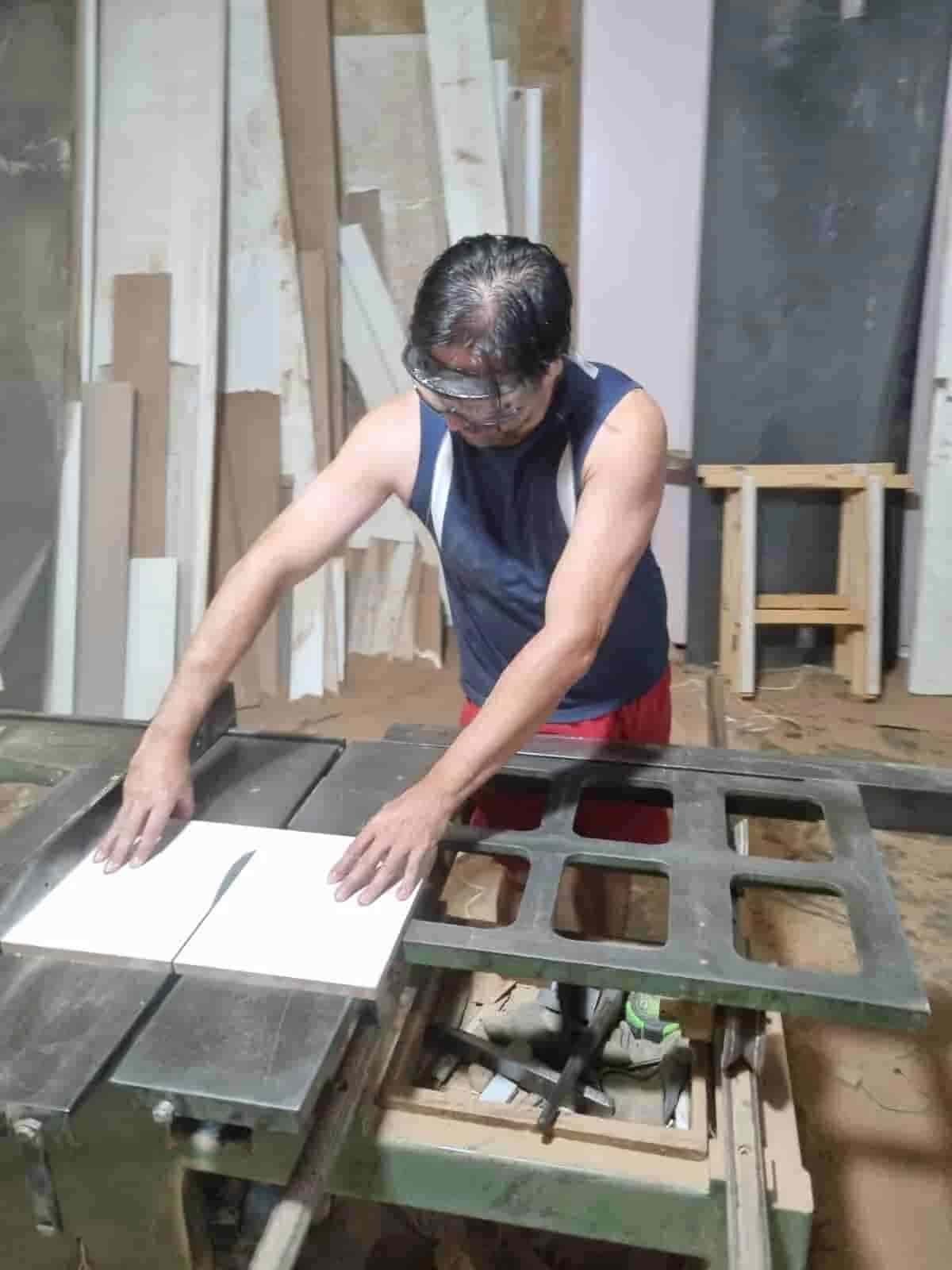
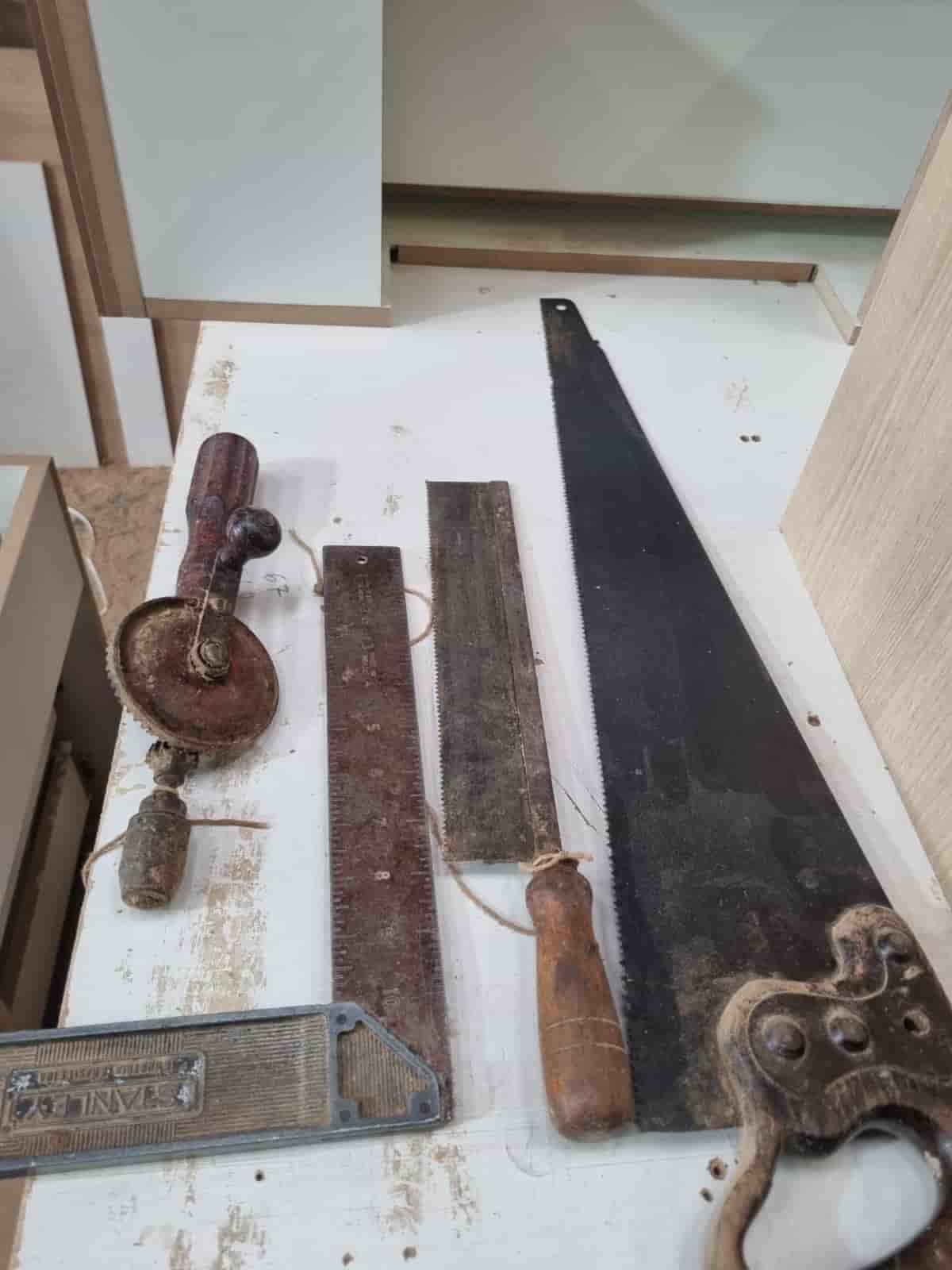
Real World Experience. Engineering Precision.
At SkyTC, technology is never just theoretical—it is driven by practical execution, structural integrity, and strict diagnostic standards. Founded by Valtersky, a tech speaker and seasoned professional, every single guide published here is backed by an authentic multidisciplinary background that bridges the gap between hardware structures and advanced software ecosystems.
Generational Craftsmanship
With 25 years of professional woodworking experience inherited through generations, he masterfully handles smart home mounting, wire routing, and physical hardware adjustments.
Medical Diagnostic Standards
An active career as a licensed X-ray technologist and dental prosthetics practitioner injects rigorous clinical precision, micro-detailed testing, and data integrity into tech evaluations.
Endurance Field Testing
As a competitive mountain ultramarathon runner, he takes every consumer wearable, smart sensor, and GPS watch out into extreme raw environments to test real-world durability boundaries.
✨ Read also: Repair Wyze Lock Jammed Due to Warped Door Frame