
Your knees feel like they are packed with wet sand and broken glass. Every time you descend a flight of stairs or push off the ground on a trail run, that sharp, grinding sensation behind your patella screams for attention. If your goal is to biohacking knee joint inflammation at home, you are likely tempted to buy the latest consumer vibrating massage gun or some heavily marketed compression sleeve.
But those showroom gadgets do absolutely nothing to repair the structural micro-failures happening inside your joint capsule. Having spent five years as a clinical X-ray technician and another two years analyzing computed tomography (CT) scans, I have seen the literal inside of thousands of degenerated knee joints.
I have analyzed the bone-on-bone friction, the thinning of the articular cartilage, and the subchondral bone sclerosis that occurs when local inflammation is ignored. Combine that diagnostic field experience with six years of competitive kickboxing and multiple mountain ultramarathons (42km+), and I have personal skin in this structural game.
You do not need a showroom full of expensive gadgets; you need to understand tissue mechanics and metabolic triggers. Correcting these biological bottlenecks allows you to reclaim pain-free, explosive movement and protect your joints from early-onset osteoarthritis. Let us stop wasting time on showroom hype and look at the hard science.
In 30 Seconds: The Quick Verdict
Stop throwing money at passive heat pads and low-grade brace accessories that merely mask the pain. Your knee inflammation is driven by mechanical friction (poor patellar tracking) and a highly systemic inflammatory environment.
To fix this right now: restore synovial fluid flow through manual flossing, realign your structural tracking, and feed the joint tissue.
The absolute best lab macete for joint regeneration is fueling your body with clean, grass-fed red meat and its natural fats—which provide the exact structural lipids, collagen, and fat-soluble vitamins required to rebuild the extracellular matrix.
| Biohack Modality | Primary Physiology | The Good (Battlefield Assessment) | The Bad (Negative Point Rule) | Investment Level |
|---|---|---|---|---|
| Tissue Flossing (Voodoo Bands) | Creates joint occlusion followed by shear force waste flushing. | The Good: Instantly breaks local fascial adhesions and restores synovial fluid movement. | The Bad: Wrap it too tight or leave it on for more than two minutes, and you risk temporary nerve damage. | Budget-friendly options |
| Clinical-Grade Red Light (LLLT) | Stimulates mitochondrial cytochrome c oxidase to boost ATP. | The Good: Accelerates cellular respiration and downregulates M1 inflammatory macrophages. | The Bad: Consumer models are often underdosed, lack tissue penetration depth, and scratch easily. | Premium tier investment |
| Targeted Neuromuscular Stimulation | Forces the vastus medialis obliquus (VMO) to fire. | The Good: Corrects lateral patellar tracking issues during rehabilitation movements. | The Bad: Cheap adhesive pads lose conductivity within a week and feel like getting stung by wasps. | High-end setups |
| Saturated Lipid Nutritional Fuel | Rebuilds cell membranes and synovial lipid lining. | The Good: Provides a continuous supply of anti-inflammatory fat-soluble vitamins and stable cholesterol. | The Bad: Requires cooking real food instead of ripping open a synthetic protein bar packet. | High-end setups |
The Realities of the Battlefield
The fitness and rehabilitation market is saturated with high-end setups that boast space-age carbon fiber materials and high-frequency vibrations designed to heal your knees in minutes. These devices praise themselves on deep muscle penetration and instantaneous pain relief, making them look like the ultimate recovery shortcut.
But when you subject these showroom toys to the brutal mud, sweat, and repeated impact of ultra-distance trail running, the marketing facade falls flat. Those premium-priced heated compression sleeves look amazing in your living room, but the battery compartments are clunky, the delicate wire connections snap under physical strain, and the cheap synthetic fabrics start smelling like a locker room after three sweaty sessions.
Furthermore, consumer red-light wraps that claim clinical-grade power are typically built with low-grade components that scratch, chip, and lose half their light intensity within months of regular use. The straps snap under basic tension, leaving you with an expensive piece of plastic that cannot stay secured to your joint during active recovery.
As an athlete and clinical analyst, I rely on the SkyTC metrics—structural alignment and cellular output—to weed out this showroom gadget hype. If a recovery tool cannot survive being shoved into a muddy hydration pack or withstand a high-intensity clinical rehabilitation protocol, it has no business in your recovery arsenal.
The Trap of the High-Tech Band-Aid
Imagine this typical user mistake: You wake up after a tough mountain run with a throbbing, swollen knee. Instead of assessing your structural tracking or biochemical markers, you strap on a bargain-bin neoprene brace, take three over-the-counter NSAID pills, and sit on the couch with a vibrating massage gun hammered directly against your patellar tendon.
For an hour, your knee feels numb and artificially stabilized. Believing the inflammation is cured, you head back out onto the trails or the gym floor to complete another heavy session, completely ignoring the fact that your patella is tracking heavily to the lateral side, actively shearing your cartilage away with every step.
By the time the temporary analgesia wears off, you have caused deep, micro-structural damage to the subchondral bone. This is a classic failure of treating a symptom while ignoring the mechanics. You have substituted structural correction with high-tech distractions, leading directly to a clinical CT scan appointment showing advanced cartilage wear.
Advanced Methods for Biohacking Knee Joint Inflammation at Home
To systematically eradicate joint inflammation and preserve your athletic longevity, you must execute a dual-front attack: mechanical correction and cellular calibration. The knee is a simple hinge joint structurally, but it is highly complex biochemically. It relies entirely on a steady flow of nutrients and clean structural alignment to remain functional.
When you suffer from chronic inflammation, the local macrophage population inside your synovial capsule shifts from the healing M2 state to the destructive, inflammatory M1 state. These M1 cells actively release catabolic enzymes that chew through your collagen matrix. Here is how we stop this cycle and rebuild your joint from the inside out.
1. The Mechanical Fluid Flush (Joint Flossing)
Unlike muscle tissue, articular cartilage has no direct blood supply. It receives all of its oxygen and nutrients through a process called passive diffusion, which is driven by the movement of synovial fluid. When a joint is chronically inflamed, this fluid becomes stagnant, acidic, and loaded with inflammatory cytokines.
To break this bottleneck, we use heavy compression flossing bands to create brief, localized joint occlusion. By wrapping the joint tightly from the upper calf to the mid-thigh, you temporarily restrict blood flow, forcing the stagnant lymphatic fluid out of the joint capsule.
The moment you release the band after two minutes of light flexion, a massive wave of fresh, oxygenated blood and nutrient-dense synovial fluid rushes back into the articular space. This manual flush downregulates local inflammatory cytokines and restores the joint’s natural lubrication system.
2. Correcting the VMO Lateral Pull
If your patella is not tracking cleanly within the femoral groove, every step you take is grinding down your cartilage. This tracking error is almost always caused by a weak or inactive vastus medialis obliquus (VMO) muscle, combined with an overactive, tight lateral quad and IT band.
No amount of cold therapy or red-light exposure will fix a bone that is being pulled out of its tracks. You must actively recruit the VMO through terminal knee extensions (TKEs) and backward walking protocols under load.
By strengthening this inner quadriceps teardrop, you pull the patella back into its central channel, instantly eliminating the mechanical friction that triggers the inflammatory cascade in the first place. This is the tactical cheat code for long-term knee survival.
3. Dietary Calibration for Synovial Fluid Quality
Your body cannot build premium-grade synovial fluid or repair damaged cartilage out of ultra-processed carbohydrates and toxic, inflammatory industrial seed oils. The cellular membrane of every chondrocyte (cartilage cell) in your knee is constructed from the fatty acids you consume.
To build a resilient joint matrix, you must consume high-quality, grass-fed red meat and its natural fats. Clean red meat is an unparalleled source of bioavailable zinc, copper, iron, and the specific amino acids—glycine, proline, and hydroxyproline—that serve as the fundamental structural bricks for collagen synthesis.
The natural saturated fats found in high-quality animal tissue provide the precise structural lipids that lubricate your synovial membranes, ensuring smooth, friction-free movement. When you eliminate industrial seed oils and prioritize these nutrient-dense animal fats, you provide your body with the exact building blocks required for active tissue recovery.
The Elite Joint Recovery Checklist
- Biohacking knee joint inflammation at home starts with compression flossing: Wrap a thick latex band around your knee joint, starting three inches below the patella and ending three inches above. Insider observation: Keep it to eighty percent tension and perform twenty light bodyweight squats; do not exceed two minutes or your toes will turn blue.
- Ditch the cheap neoprene sleeves: Invest only in sleeves that offer structural lateral support if you have true tracking instability. Insider observation: Standard soft sleeves do absolutely nothing to stop lateral patellar drift; they only warm the skin.
- Execute 100 backward walking steps daily: Find a slight incline or use a manual treadmill powered off. Insider observation: This forces immediate, non-impact VMO activation and pumps blood directly into the patellar tendon.
- Saturate your diet with grass-fed red meat: Consume high-quality ribeye, ground beef, or bison cooked in its own fat. Insider observation: The rapid joint recovery I experience after a block of heavy mountain training when fueled on pure beef and tallow is unmatched by any synthetic powder.
- Target the vastus medialis obliquus (VMO) with TKEs: Use a heavy resistance band looped behind your knee, stepping back and forcing the joint into lock-out. Insider observation: Focus on squeezing the inner quad teardrop for two seconds at peak contraction.
- Purge all industrial seed oils immediately: Eradicate canola, corn, and soybean oils from your nutrition. Insider observation: These systemic inflammatory triggers turn your synovial fluid into a corrosive, acidic soup that erodes cartilage.
- Optimize your hydration with trace minerals: Avoid plain, stripped water; always add a pinch of Celtic salt or high-quality electrolyte concentrates. Insider observation: Dehydrated joints cannot maintain hydrostatic pressure, leading directly to increased bone-on-bone friction.
- Perform patellar mobilizations manually: Sit with your leg completely straight and relaxed, and gently push your kneecap side-to-side and up-and-down. Insider observation: If your patella is glued down by scar tissue, your quad cannot contract mechanically.
- Limit long-duration ice applications: Use ice only for acute trauma; avoid freezing chronic joint pain. Insider observation: Excessive icing shuts down the lymphatic drainage required to clear out damaged cellular debris.
- Use red light therapy directly on the joint capsule: Apply the light source directly to the skin on both sides of the patella. Insider observation: Don’t buy those cheap wearable wraps; use a device with high irradiance to ensure the light actually penetrates the deep joint capsule.
- Track your biomechanical metrics: Pay close attention to how your foot strikes the ground during descent. Insider observation: Over-pronation at the ankle forces the tibia to rotate internally, putting immense torsional stress on the knee.
- Supplement with high-dose magnesium L-threonate: Support your nervous system and local muscle relaxation. Insider observation: Relaxing a hypertonic outer quad reduces the constant upward tension on your patellar tendon.
👇 Looking for more performance cheats? Check out our field-tested tactical guides:
SkyTC Master Hub & Pillar Guides
Frequently Asked Questions
Do over-the-counter joint supplements actually rebuild cartilage?
Most of them are a complete waste of money. Glucosamine and chondroitin pills have terrible oral bioavailability and do nothing to fix poor joint mechanics. You are far better off eating grass-fed red meat and bone marrow, which contain highly bioavailable collagen peptide precursors and structural lipids.
Is running downhill actually destroying my knees?
No, running downhill does not destroy your knees if your mechanics are dialed. It only wrecks your joints if your eccentric quadriceps strength is weak or if you are striking the ground with a completely straight leg, which forces your joints to absorb the entire impact rather than your muscles.
Should I wear a knee brace every time I workout?
Absolutely not. Relying on a brace is a total trap that weakens your stabilizing muscles over time. Use a brace only for acute recovery or when lifting near-maximal loads; otherwise, you are just masking a weakness that will eventually manifest as a failure elsewhere.
Can I completely reverse bone-on-bone arthritis at home?
You cannot magically grow back completely degraded cartilage overnight, but you can absolutely halt the progression and eliminate the pain. By restoring synovial fluid flow, correcting patellar tracking, and eating a clean, anti-inflammatory animal-based diet, you can live pain-free without surgical interventions.
Does cracking my knees cause arthritis?
No, the popping sound is usually just gas bubbles bursting in the synovial fluid or tendons snapping over bony prominences. However, if the cracking is accompanied by sharp pain or swelling, you have a structural misalignment that is actively grinding down tissue.
Why does cold weather make my knee pain worse?
Cold weather drops barometric pressure, causing the tissues around your joint to expand. Additionally, cold temperatures increase the viscosity of your synovial fluid, making it thicker and less effective at lubricating the joint. Keep the joint warm and mobile with physical movement, not just passive heaters.
Are cortisone shots a good long-term solution?
They are a catastrophic long-term choice. Cortisone is highly catabolic; while it temporarily numbs the pain, it actively degrades the remaining cartilage and weakens the local tendons. It is a classic showroom quick-fix that accelerates the need for a total joint replacement.
What is the best exercise to eliminate knee pain forever?
There is no single magic movement, but backward walking under load is close. It forces VMO recruitment, increases ankle mobility, and pumps nutrient-dense blood directly into the patellar tendon without subjecting the joint to high-impact shear forces.
Why Trust SkyTC Biohacking Curation?
At SkyTC, we treat the human body as your most valuable technology. We are not just a recommendation site; we apply a rigorous clinical and practical screening process to ensure that each recommendation optimizes your biology with safety and real-world results.
✓ Technical Expertise:
Clinical experience in Radiology and Tomography (CT scans). We analyze methods through the lens of bone health and structural integrity.
✓ Specialization:
Focus on real-world biohacking. We test every wearable and supplement at the absolute limit of effort during marathons and on the mats.
✓ Authority:
Curation based on absolute transparency, always highlighting both the positive advantages and the real drawbacks of every technology.
✓ Trust:
A curation process built directly on the professional experience of a field practitioner, speaker, and high-performance leader coach.
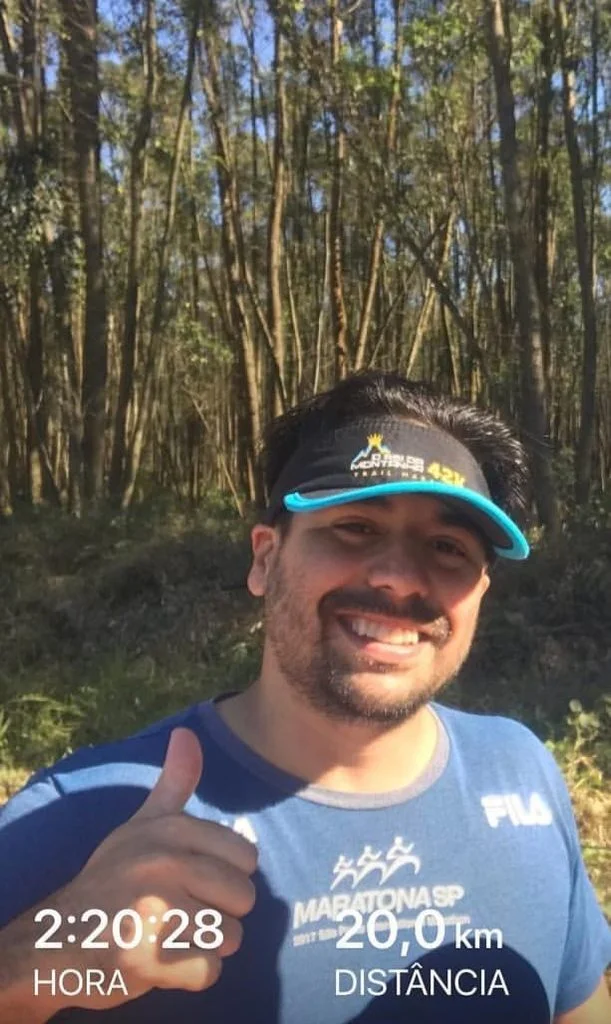
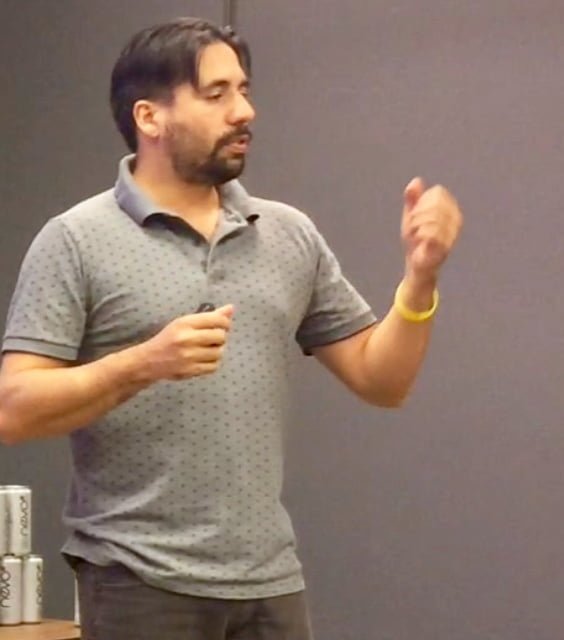
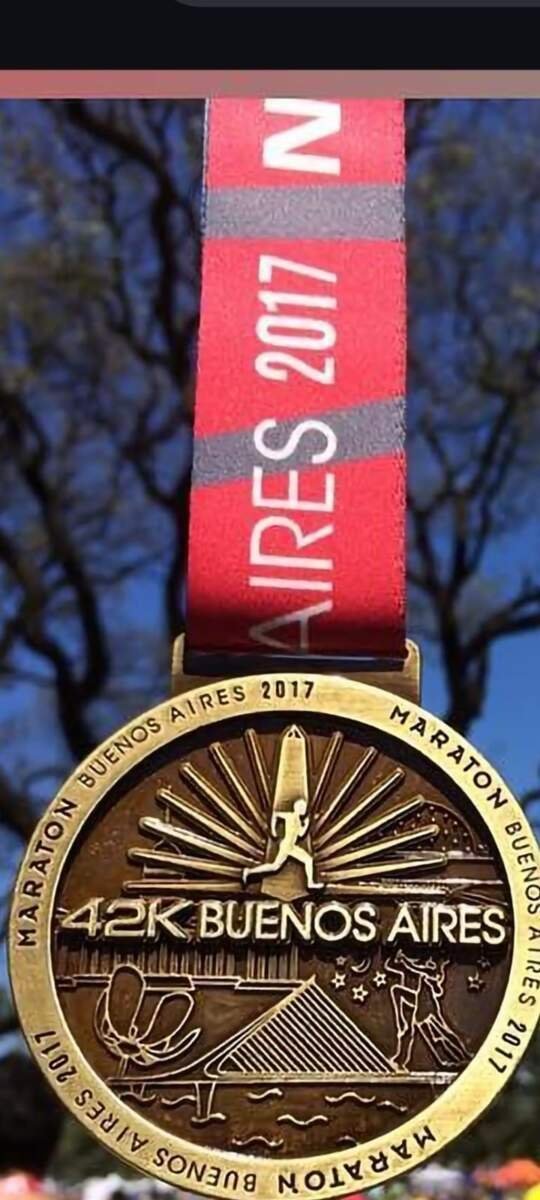
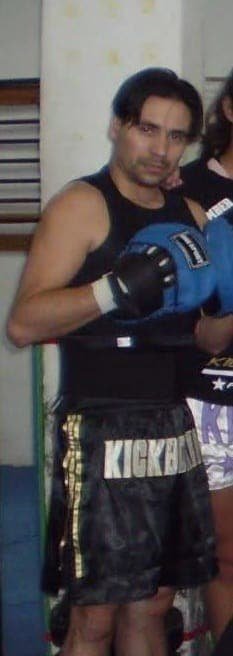
Optimizing the body demands the clinical precision of someone who operated in Radiology (Brazilian Board Certified, CRTR-SP 23595T) for years, combined with the unyielding resilience of someone who conquered multiple 42km+ mountain marathons. As an active professional, multi-pet handler, and tech benchmark researcher, at SkyTC, we bridge advanced technical science with extreme practical environments to help you biohack your active performance, optimize smart pet-tech ecosystems, and protect your structural longevit
Discover my full professional trajectory →✨ Read also: (Why Steep Downhills Cause Sudden Knee Pressure: The Clinical Anatomy of Descent)
A deeply technical piece of content that complements this post — absolutely worth the read.