
Moving your home is stressful enough, but looking at a massive, water-filled glass behemoth in your living room can trigger instant panic. You are not just shifting furniture; you are trying to move a 100 gallon fish tank without cracking the glass, flooding your new home, or killing your precious aquatic family. It is a high-stakes, nerve-wracking logistics puzzle that leaves many fish keepers completely paralyzed.
I still vividly remember my first massive tank move. My fancy goldfish—which I have lovingly cared for over the span of 8 years—were swimming around peacefully, totally oblivious to the chaos about to unfold. As a professional seamstress, I work with delicate tension points every single day, and I immediately realized that a glass tank under physical twist is a ticking time bomb waiting to go off. One wrong angle of pressure, and those silicone seams will tear like cheap fabric under a sewing machine.
I am also a long-distance runner, but let me tell you: carrying a dead-weight, 150-pound empty glass tank up a steep flight of stairs left me more physically exhausted than any marathon I have ever run. You need a solid, step-by-step battle plan to survive this move with your sanity—and your fish—fully intact. Let us dive into exactly how to execute this massive project like a seasoned pro.
In 30 Seconds:
1. Fast your fish for 48 hours to prevent them from fouling their transport buckets.
2. Drain 100% of the water; never attempt to move a tank with water or substrate inside.
3. Keep your biological filter media wet in old tank water to preserve beneficial bacteria.
4. Use industrial glass suction cups and recruit at least three strong friends to help lift.
5. Transport the tank on a perfectly flat surface, wrapped in thick moving blankets.
6. Level the stand perfectly at the new location before refilling.
Verdict: Do not cut corners. A single shortcut can easily cost you your fish, your tank, and thousands in floor damage.
Why Moving a Massive Tank Is a Logistics Nightmare
To understand the sheer scale of this task, you have to look at the numbers. A standard 100-gallon aquarium filled with water, gravel, and heavy rock decorations weighs well over 1,000 pounds. Even when completely drained, the bare glass tank itself weighs between 150 and 200 pounds depending on the thickness of the panels. This is not something you can just pick up and carry on a whim.
The Good Side: Glass is incredibly rigid and strong when it sits flat on a perfectly leveled stand. The equal, distributed pressure of the water keeps the structure stable, allowing it to hold hundreds of pounds of water for decades without a single leak.
The Negative Point: Glass has virtually zero shear strength or flexibility. The moment you tilt, twist, or lift a tank with uneven force, the silicone seams will shear, or the bottom glass pane will simply snap under the uneven torque. If you try to lift it with even a small amount of wet sand inside, that weight will shift, putting immense stress on the bottom glass panel and cracking it instantly.
Ultimate Guide on How to Move a 100 Gallon Fish Tank Safely
A successful relocation requires absolute precision and patience. You cannot rush this process. Treat it like a military operation where every step must be executed in a specific order to protect your fish and your expensive glass equipment.
Step 1: Pre-Move Fasting and Prep
The prep work begins 48 hours before the actual move. Stop feeding your fish completely. Do not feel guilty about starving them; healthy adult fish can easily go a week without food. Fasting ensures that their digestive tracts are completely empty, which drastically reduces the amount of ammonia and waste they will excrete into their limited transport water.
Ammonia spikes in small transport buckets will kill your fish much faster than the physical stress of the drive. While the fish are fasting, gather all your supplies: food-grade 5-gallon buckets, heavy-duty moving blankets, duct tape, battery-operated air pumps, and glass suction cups.
Step 2: Safe Fish Extraction and Holding
On moving day, prepare your holding buckets first. Use clean, food-grade 5-gallon buckets that have never held any household chemicals or soap. Fill these buckets about halfway with clean water taken directly from the aquarium. This ensures your fish stay in the exact same water chemistry they are used to, avoiding sudden osmotic shock.
Carefully net your fish and place them into the buckets. Do not overcrowd them; aim for no more than two or three medium-sized fish per bucket. Hook up a portable, battery-operated air pump to each bucket with an air stone to keep oxygen levels high. Seal the buckets with lids that have a small hole drilled for the airline tubing.
Step 3: Draining and Packing the Bio-Media
Once the fish are safe, drain the rest of the water. Do not throw away your biological filter media! Your canister filter or sump houses billions of beneficial bacteria that keep your tank’s water safe. If these bacteria dry out or are exposed to chlorinated tap water, they will die instantly, forcing you to recycle your tank from scratch.
Place your filter sponges, ceramic rings, and bio-balls into a dedicated bucket filled with tank water. Keep them submerged and sealed. As for your substrate, scoop out every single grain of sand or gravel using a clean plastic cup. Put the substrate into separate buckets. Wet sand is incredibly heavy, so only fill these buckets halfway to protect your back.
Step 4: The Heavy Lifting and Transport
With the tank completely bare, dry, and empty, it is time to move it. Do not attempt to lift the tank by the plastic trim or frame. These frames are only meant to protect the glass edges, not to support the weight of the tank during a lift. Instead, use professional glass suction cups rated for heavy loads.
Have at least three strong helpers assist you. Lift with your legs, keeping the tank completely level. Carefully place the tank onto a flat piece of plywood in your moving vehicle, wrapped in thick moving blankets to prevent any metal rails or seatbelt buckles from clanking against the glass. Secure it with ratchet straps, but do not overtighten them, or you will crush the plastic trim.
The Reality of the Battlefield
In the aquarium hobby, marketing promises often clash violently with real-world physics. Manufacturers love to sell you gear that looks fantastic in a pristine showroom but fails miserably under the brutal stress of an actual relocation. Let us look at the hard truth of what happens when the rubber meets the road.
Canister filters often boast about their “advanced quick-disconnect valves” that promise dry, tool-free maintenance. However, the cheap plastic locking levers on these valves are incredibly brittle. The moment you twist them under the stress of a hurried move, they snap clean off, rendering a highly expensive filter completely useless and flooding your floor.
Commercial aquarium stands are marketed as “premium, furniture-grade structures” designed to support massive weight. But the reality is that almost all of them are constructed from cheap particleboard covered in a thin, water-resistant veneer. The second you spill a couple of gallons of water during a chaotic move, the wood swells up like a dry sponge, losing all structural integrity and threatening to collapse under your tank.
High-end digital heaters claim to offer “unbreakable titanium construction” and smart temperature controls. But their external controller boxes are incredibly fragile. If they get bumped against a door frame or splashed with water during the move, the internal circuit boards fry instantly, leaving you with no way to heat your tank once you arrive.
Critical Equipment for a Smooth Move
To pull off this massive relocation without breaking your back or your tank, you need the right tools for the job. Do not rely on makeshift gear or cheap dollar-store buckets. Investing in proper equipment is the difference between a successful move and a flooded living room.
Industrial Glass Suction Cups: The Good Side: These heavy-duty suction cups lock onto the glass panels, giving you a comfortable, secure handle to lift the slick tank safely. The Negative Point: If there is even a tiny speck of dust, condensation, or slime on the glass surface, the suction cups will fail instantly and drop the entire tank onto your feet.
Heavy-Duty 5-Gallon Buckets: The Good Side: They are incredibly durable, cheap, and perfect for carrying wet substrate, active bio-media, and your prized fish. The Negative Point: They become brutally heavy when loaded with wet gravel, and the thin metal handles will painfully slice into your bare palms within seconds if you do not use padded gloves.
Battery-Operated Air Pumps: The Good Side: They provide active aeration to your fish during transport, keeping oxygen levels stable and saving your fish’s lives. The Negative Point: They eat cheap alkaline batteries at an alarming rate and can easily shake themselves to pieces if they vibrate off a hard vehicle seat during the drive.
Comparative Table for Moving Gear
| Moving Gear | Main Benefit | Hidden Flaw | Mobile Verdict |
|---|---|---|---|
| Glass Suction Cups | Provides secure handles on slick glass panels | Slips instantly on dirty or wet surfaces | Must-Have for Safety |
| 5-Gallon Buckets | Extremely durable and cheap to source | Metal handles slice into bare hands | Essential for Media & Fish |
| Battery Air Pumps | Keeps oxygen levels high during transport | Consumes batteries quickly; prone to vibration damage | Highly Recommended |
| Heavy Moving Blankets | Prevents glass scratches and chips from vehicle metal | Slides around easily if not securely taped down | Must-Have for Transport |
Common Mistakes That Will Destroy Your Tank
The biggest enemy of a successful aquarium move is laziness. It is easy to look at a 100-gallon tank that is mostly drained and think, “We can leave the sand in there; it is too much work to scoop it out.” This is a classic trap that almost always ends in disaster.
Picture this exact scenario: It is moving day, you are completely exhausted, and the rental truck is idling outside. You look at your tank and see a two-inch layer of wet sand at the bottom. You decide to leave it. You and your friends grab the corners and lift. As you walk out the front door, the heavy, wet sand shifts to one side. You hear a sickening CRACK as the bottom glass pane shears under the twisting torque. The tank is ruined, your floor is covered in wet sand, and you are left holding a useless piece of shattered glass. This happens to hundreds of well-meaning hobbyists every single year.
Another massive mistake is lifting the tank by its plastic trim. Many beginners assume that the plastic frame on the top and bottom of the tank is a sturdy handle. It is not. That frame is simply glued to the glass to protect the edges and help distribute weight when sitting flat. If you pull upward on that plastic trim, it will pull clean off the glass, causing you to drop the tank instantly.
Troubleshooting Checklist for Your Aquarium Move
- How to Move a 100 Gallon Fish Tank successfully starts with stripping the entire tank down to the bare glass panels. (Insider note: If there is even a single handful of sand left inside, the shifting weight will twist the silicone seams and crack your glass. Do not be lazy—scoop it all out!)
- Fast your fish for at least 48 hours before the move. (Insider note: Do not feel bad about starving them. They will not starve, but they will quickly choke to death on their own toxic waste if they poop in those small transport buckets.)
- Submerge all biological filter media in original tank water. (Insider note: Never use chlorinated tap water to wash your sponges or ceramic rings; the chlorine will wipe out your beneficial bacterial colony in seconds.)
- Inspect the silicone seams for any lifting or peeling before refilling. (Insider note: A move is the absolute best time to look for tiny structural failures. If the silicone looks dry or loose, reseal it now while the tank is completely empty.)
- Double-check the level of your aquarium stand at the new house. (Insider note: If your stand is off-level by even an eighth of an inch, the uneven water pressure will slowly distort the glass pane and blow a seam weeks down the road.)
- Keep your fish buckets out of direct sunlight in your moving vehicle. (Insider note: Car interiors heat up incredibly fast. Your fish will literally boil in those buckets if you park in the sun while grabbing a quick lunch.)
- Wrap the glass tank in thick moving blankets and secure with tape. (Insider note: Do not let seatbelt buckles or truck metal rails clank against the glass. One tiny chip can cause the entire pane to spider-web under pressure later.)
- Label every single power cord, plug, and plumbing hose. (Insider note: Save yourself the absolute nightmare of solving a massive wiring puzzle at 2 AM. Use masking tape to label what plugs into what.)
- Keep a bottle of high-quality beneficial bacteria booster on hand. (Insider note: Even if you keep your media wet, your bio-filter will take a hit. A booster bottle is your insurance policy against a sudden, deadly ammonia spike.)
- Fill the tank slowly at the new location and inspect for leaks. (Insider note: Fill it a quarter of the way, wait 15 minutes, check all four corners, then proceed. Do not just dump all 100 gallons in and walk away!)
👇 Looking for more performance cheats? Check out our field-tested tactical blueprints:
The Goldfish Ecosystem Blueprint
Complete your advanced technical training loop by exploring our core evergreen resources.
How to Feed Goldfish for Maximum Lifespan
A deep breakdown of digestive tract mechanics, bloating prevention, and premium sinking diets.
How to Maintain a 100 Gallon Goldfish Tank
Large-scale system parameters. Deep sand bed mechanics, nitrogen cycling, and bioload management.
Ultimate Guide to Goldfish Tank Filtration
Heavy-duty hardware configurations. Optimizing parallel canisters, bio-media setups, and automation.
Gritty Tech FAQ for Relocating Large Tanks
Can I leave the substrate in the tank if I have four strong guys to lift it?
No. Absolutely not. Do not even think about it. Wet sand and gravel add hundreds of pounds of dead weight that shifts dynamically as you carry the tank. This shifting weight puts massive torque on the silicone seams and will snap your bottom glass pane like a dry twig. Scoop every single grain out into buckets. No exceptions.
How long can my beneficial bacteria survive in a bucket during a move?
About 24 hours if they are kept wet and exposed to oxygen. If you just leave your bio-media in a sealed, stagnant bucket of water, the bacteria will quickly consume all the oxygen and die off within a few hours. Keep the media damp but exposed to air, or run a battery-operated air stone in the bucket to keep the water oxygenated.
Do I really need to buy glass suction cups, or is that just marketing fluff?
It is not fluff. A 100-gallon glass tank is incredibly slick, heavy, and awkward to hold. Without suction cups, you are relying entirely on sweaty fingers gripping a thin plastic rim. One slip, and your expensive tank is shattered on the driveway. Buy the suction cups; they are cheap insurance for your fingers and your glass.
Can I use regular tap water to refill the tank at the new house immediately?
Yes, but you must dose the entire tank with a high-quality water conditioner like Seachem Prime before or during the refill. Do not forget this. New municipal water systems can have wildly different chlorine or chloramine levels that will instantly fry your fish’s gills and destroy your biological filter.
My fish look incredibly stressed and are gasping at the surface after the move. What do I do?
Check your ammonia and nitrite levels immediately. You likely crashed your bio-filter or stirred up a massive pocket of toxic hydrogen sulfide gas from your old substrate. Do an immediate 50% water change, crank up your aeration to the maximum, and add a double dose of water conditioner to protect their gills.
Is it safe to move a loaded 100-gallon aquarium stand without taking it apart?
No. Most commercial stands are made of cheap particleboard held together with cam locks and dowels. If you try to slide or carry the stand while it is loaded with heavy gear or wet drawers, the joints will tear right out of the wood. Strip the stand completely bare before moving it.
How do I keep the water temperature stable for my fish during a long winter drive?
Use insulated coolers instead of standard plastic buckets for your fish. You can drop in a couple of hand warmers wrapped in thick towels, but make sure they do not touch the water directly. Monitor the temp with a digital thermometer. If the temperature drops too low, your fish will go into temperature shock and die.
Can I transport my fish in the tank if I drain it down to just a couple of inches of water?
Are you insane? Absolutely not. The sloshing water will slam your fish against the glass and decorations like a washing machine. Plus, the weight of the sloshing water will put extreme, dynamic stress on the seams while the vehicle is moving. Bag or bucket your fish. Period.
🛡️ │ WHY TRUST SKYTC GOLDFISH CARE CURATION?
At SKYTC, we hold aquatic ecosystem biology and biological parameter handling to a rigorous standard. We are not an automated affiliate review engine; we apply hands-on tests and serious filtration engineering workflows to ensure every recommendation guarantees the health and maximum lifespan of your fish with absolute safety.
✓ Engineering:
Structural experience backed by heavy-duty filtration math, continuous hydraulic turnover metrics, and robust mechanical support for large-scale coldwater systems.
✓ Expertise:
Focuse on preventative biological husbandry and premium nutrition. Thoroughly auditing biological media, sinking feeds, and elements that completely neutralize ammonia spikes.
✓ Authority:
Curation signed by real keepers running a balanced 100-gallon display ecosystem for over 8 years, pairing daily practical benchwork with direct wholesale breeder insights.
✓ Trust:
Product selections built on unfiltered transparency—exposing actual electrical draws, heat dissipation issues, and hidden costs before any Amazon recommendations.
📸 Our Journey in the Real World
From daily living room tank turn rates to macro-scale breeding setups.
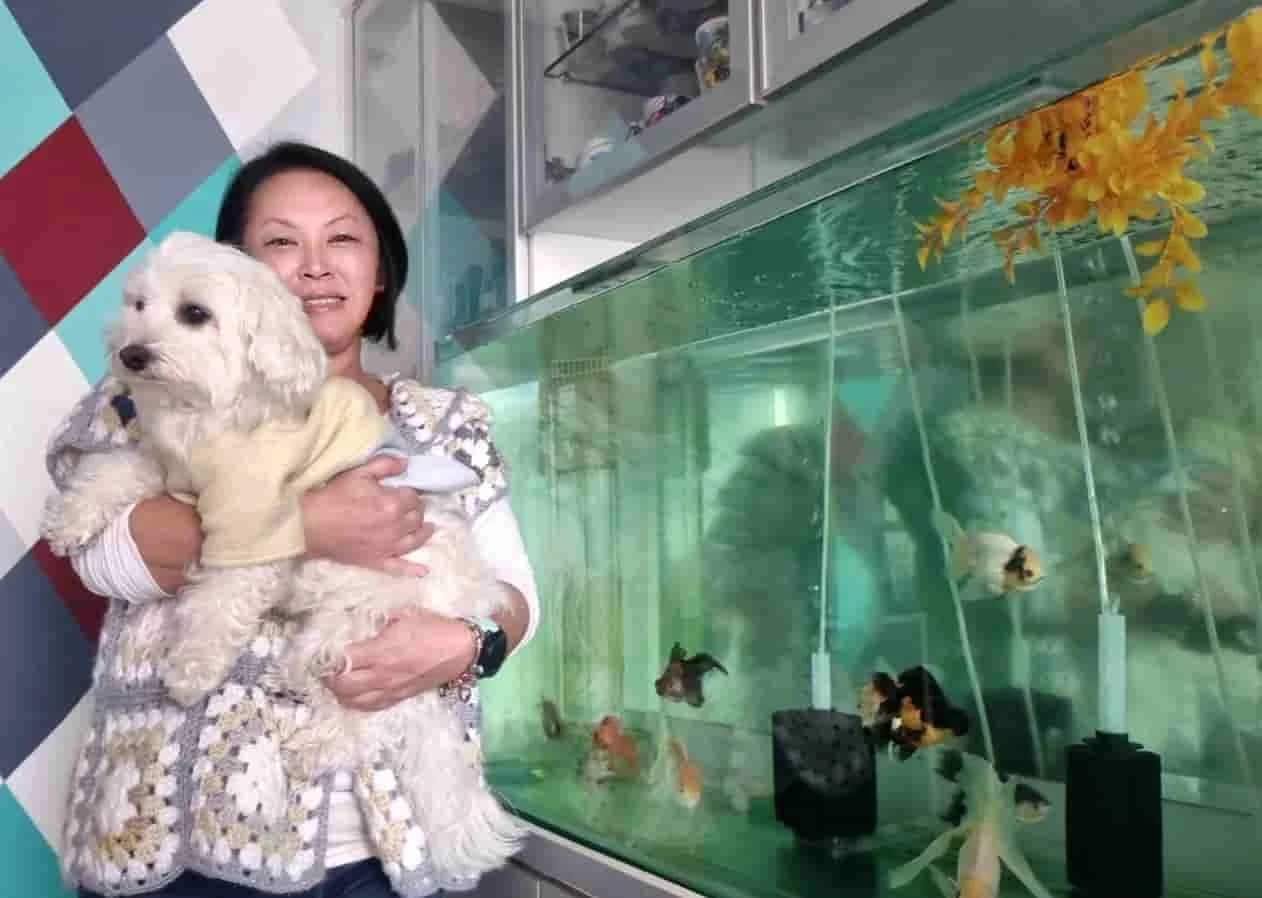
🏠 The 100G Lab
Where we torture test every hardware option, pellet line, and filter layout live.

🏃♀️ Grit & Eye
Marathon endurance meets the precise, millimeter structural focus of a seamstress.
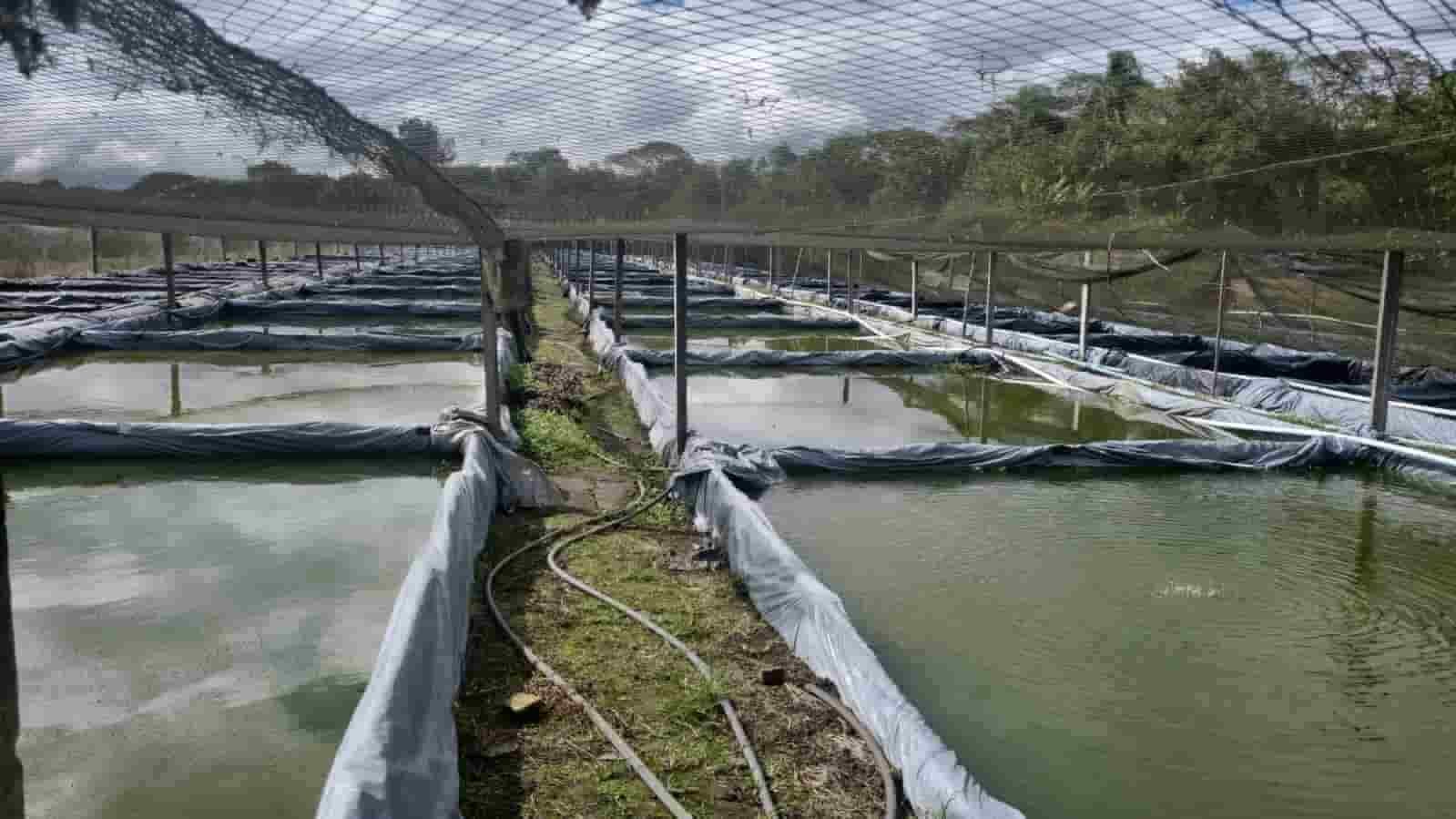
🐳 Monster Vats
Analyzing massive continuous turnovers inside large open-air mud farm vats.
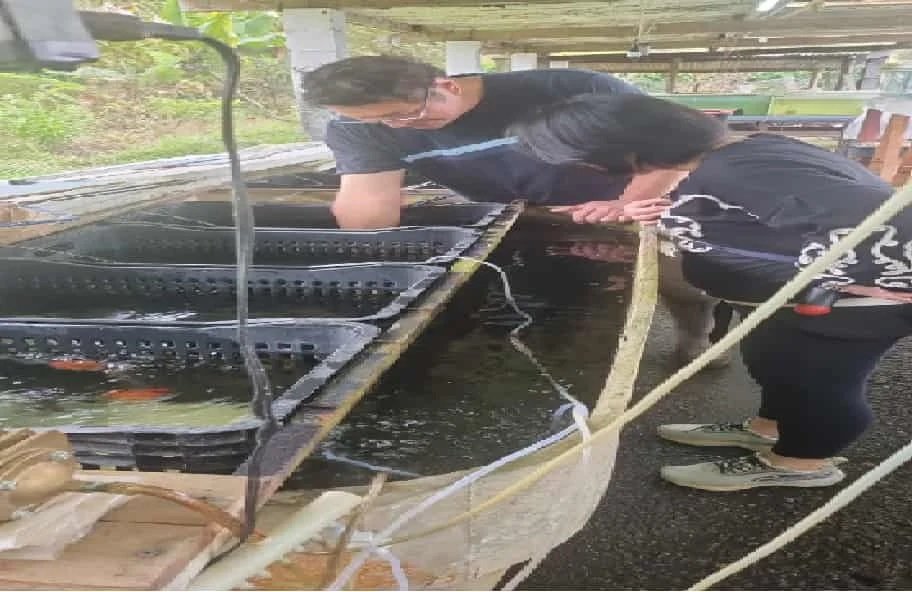
🤝 True Alliances
Working hand-in-hand with regional facility operations to target elite fancy bloodlines.
Read also: Dimensions of a Standard 100 Gallon Tank
> A deeply technical piece of content that perfectly complements this post — absolutely worth the read.