
If you own a Jack Russell, you already know they aren’t just dogs; they are furry, high-velocity missiles with a nose for trouble [1]. Finding the best GPS collars for Jack Russells is often the only thing standing between a peaceful afternoon and a frantic, heart-pounding search through the neighborhood. These little guys can dig under fences, squeeze through gaps you didn’t know existed, and bolt after a squirrel before you can even blink.
As someone who travels constantly with my Maltese, Murphy, I know the absolute terror of looking down and not seeing your best friend by your side. My team at skytc spends days physically testing all kinds of pet technology, and one of our key specialists is a pet parent who deals with high-energy runners every single day. We know exactly what works when the chips are down, and more importantly, what fails.
Imagine finally letting your dog off-leash or leaving for work knowing that if they ever slip out, you can pinpoint their exact location in seconds. That peace of mind is what a reliable tracker delivers.
You don’t need a dry, manual-style guide. You need real, battle-tested advice on which tracking tech can survive the sheer chaos of a Jack Russell’s daily adventures. Let’s cut through the marketing fluff and look at what actually keeps your pup safe.
Why Standard Trackers Fail Jack Russells
Let’s be completely honest: most pet trackers on the market are designed for lazy golden retrievers who spend their days snoozing on a porch. They are not built for a dog that treats a mud puddle like a spa day and a thick briar patch like a personal challenge.
If you put a cheap, bulk-manufactured tracker on an active Terrier, you are throwing your money away. Within a week, the clip will snap, the water seal will leak, or the battery will die because the dog spent three hours chasing a shadow under the deck. Jack Russells require specialized gear because they combine a small, lightweight frame with the raw power and determination of a much larger working dog.
Jack Russells are notoriously stubborn and have an incredibly high prey drive. When they chase a rabbit, they don’t care about brambles, mud, or fences. A standard consumer-grade tracker will simply get ripped off or smashed to pieces under these conditions. My teammate, who is a pet parent and a dedicated dog specialist, noted that their high-energy pup has shredded three different budget-friendly collars just by rolling on gravel. This is why we look for military-grade durability.
The Reality of the Battlefield
Every brand claims their tracker is indestructible, waterproof, and has a battery that lasts forever. In the real world, the battlefield of your local park or backyard tells a completely different story.
During our skytc physical testing, we quickly learned that the glossy, high-end plastic finishes on premium devices look gorgeous out of the box, but they scratch and peel within days when dragged through dirt and gravel.
Here is the hard truth: real-time cellular tracking is amazing because it lets you follow your dog’s exact path on your phone, but it drains the battery at an alarming rate, often dying in just a few hours if your dog is constantly on the move in a low-signal area.
Another massive issue we found during our field tests is the false sense of security that “instant” updates give you. Many apps claim to update “every few seconds.” In practice, there is always a delay. By the time the signal bounces from the satellite to the cell tower, and finally to your smartphone app, your Jack Russell could easily have run another fifty yards in a completely different direction. This lag can be incredibly frustrating when you are trying to track a fast-moving dog in a crowded park.
Furthermore, even though many trackers are marketed as “waterproof,” their rubber charging port covers easily warp or tear over time. Once that tiny piece of rubber fails, a single splash in a creek will permanently fry the internal electronics. We have seen bargain-bin accessories snap in half during a simple game of fetch. If you rely on a flimsy silicone sleeve to hold a heavy tracker onto a collar, your Jack Russell will brush against a bush, and that tracker will be lost in the leaves forever.
Real-World Features You Actually Need
If you want a tracker that survives, you must ignore the flashy marketing and focus on three practical pillars: weight, attachment strength, and signal type.
Weight and Placement
Your dog is small but powerful. A heavy, bulky box hanging from their neck will ruin their posture and make them miserable. You need a device that sits flush against the collar rather than dangling like a massive pendant. If it dangles, it will swing, catch on twigs, and get chewed on by your pup when they are bored.
Attachment Strength
The clip mechanism is the single most common point of failure. Avoid thin plastic clips that slide onto a collar. Look for systems that bolt directly through the collar strap or use heavy-duty, reinforced rubber bands that wrap tightly around the webbing. If you can pull the tracker off with one hand, your Jack Russell can lose it in ten seconds of digging.
Signal Reliability
You must choose between cellular GPS, radio-frequency (RF), and Bluetooth. Bluetooth is great for finding your keys in the living room, but it is utterly useless once your dog sprints past your neighbor’s fence. Cellular trackers offer unlimited range but require a subscription-based tier and a solid phone signal. RF trackers require no monthly fees and work in deep woods, but they come with bulky handheld receivers that feel like you are carrying a piece of military gear.
Choosing the Best GPS Collars for Jack Russells
When selecting a tracking system, you have to match the technology to your specific lifestyle. There is no one-size-fits-all solution, but there are clear winners depending on where you live and how your dog behaves.
Cellular GPS Trackers
These are the most popular options for city and suburban pet parents. They connect to cellular networks to beam your dog’s coordinates directly to an app on your smartphone.
They are incredible for peace of mind because you can set up virtual “safe zones” (geofences) that alert you the instant your pup escapes. However, they rely entirely on mobile network coverage. If you live in a rural valley with poor signal, the tracker will lag, lose connection, or chew through its battery trying to find a signal.
Radio and Satellite Systems
These are the premium tier investments used by hunters and wilderness hikers. They use direct radio waves or satellite communication to talk directly to a handheld GPS unit.
The upsides are massive: no monthly fees, instant real-time updates, and they work in the middle of nowhere. The downside? The collar units are heavy, the handheld units are bulky, and they represent a significant financial commitment upfront compared to basic consumer models.
Hybrid Smart Collars
These systems integrate the tracking unit directly into the collar band itself. This is a brilliant design because it eliminates dangling parts and makes the tracker look like a normal collar.
They often include step trackers and health monitoring features. But be warned: if your dog grows, or if the collar material tears, you often have to replace the entire setup rather than just buying a cheap new strap.
Common Mistakes Pet Parents Make
We see the same blunders repeated constantly, and they usually end in heartbreak or wasted money.
The biggest mistake is relying on cheap Bluetooth tracking tags as primary dog finders. We call this the “apartment trap.” A Bluetooth tag is fine if your cat lives in an indoor loft, but once an energetic terrier bolts into the woods, that tag is dead weight. It only works if your dog stays within a short distance of a phone running the companion app.
Another mistake is forgetting to charge the unit. People buy a great tracker, put it on their dog, and forget about it. Two weeks later, the gate is left open, the dog escapes, and the owner realizes the battery died three days prior.
Finally, don’t ignore the subscription requirements. Many buyers don’t realize that cellular GPS trackers require an ongoing monthly fee to keep the internal SIM card active. If you don’t want to pay a monthly bill, do not buy a cellular tracker.
Addressing the Pain: The Fear of the Lost Dog
We have all felt that cold spike of adrenaline when the back gate is open and the yard is empty. Your stomach drops, your throat goes dry, and you start shouting their name into the wind.
For Jack Russell owners, this is a constant threat. Their prey drive is so incredibly intense that once they lock eyes on a rabbit, their training evaporates. They do not hear your voice; they only see the target.
Using a GPS tracker isn’t about admitting defeat in your training; it is about having a digital safety net. It is the ultimate backup plan for those unpredictable moments when a loud noise scares them, or a gate latch fails to click shut.
In 30 Seconds: The Quick Verdict
If you live in a city or suburb with decent cell coverage, buy a cellular GPS tracker that clips securely to your existing collar. It gives you the best balance of size, weight, and tracking accuracy.
If you spend your weekends hiking in deep forests, camping, or live in a rural dead zone, bypass the cellular models entirely. Invest in a dedicated radio/satellite system. It is bulkier, but it will actually save your dog’s life when there is no cell tower in sight.
Avoid Bluetooth-only tags for outdoor safety. They are toys, not survival gear.
Comparative Performance Table
| Tracker Category | Ideal Environment | Range | Main Strength | Main Weakness |
|---|---|---|---|---|
| Cellular GPS | Cities & Suburbs | Unlimited | Real-time app tracking | Drains battery quickly in poor signal |
| Radio/Satellite | Forests & Mountains | Several miles | Works without cell signal | Bulky collar, expensive upfront |
| Bluetooth Tags | Indoors / Apartments | Very limited | Lightweight, cheap | Useless if dog runs out of range |
| Hybrid Smart Collars | Suburbs & Parks | Unlimited (Cell-based) | No dangling parts | Hard to transfer to different collars |
The Ultimate Jack Russell GPS Safety Checklist
Use this checklist to ensure your tracking system is set up for success before your dog ever steps foot outside.
- Best GPS collars for Jack Russells must be physically tested for fit; ensure you can slide exactly two fingers between the collar strap and your dog’s neck so it is secure but comfortable. Pro-tip: Do this test while your dog is sitting down, as their neck shape changes when they relax.
- Check the battery level every single Sunday evening without fail. Pro-tip: Set a recurring alarm on your phone so you never forget this crucial task.
- Set up your virtual geofence (safe zone) at least fifty feet wider than your actual property line to prevent annoying false alarms. Pro-tip: If you set it too tight, a slight GPS drift while your dog is inside the house will trigger a panic alert on your phone.
- Ensure the charging port cover is pressed completely flat after every single charge. Pro-tip: Clean out any accumulated dirt or hair from the port with a dry toothpick before sealing it.
- Always run a live test by hiding the collar in your yard and tracking it with your phone before putting it on your dog. Pro-tip: This helps you understand the lag time of your specific cellular network.
- Pair the GPS tracker with a traditional, high-visibility engraved ID tag that has your phone number. Pro-tip: If a neighbor finds your dog first, an old-school tag is still the fastest way for them to contact you.
- Avoid attaching your leash directly to the loop holding the GPS unit. Pro-tip: The pulling force of an excited dog can easily snap the plastic housing of the tracker.
- Choose a high-visibility color for the collar strap (like neon orange or bright yellow) so your dog is easy to spot in dense brush. Pro-tip: This also helps drivers see them if they ever run near a road at dusk.
- Keep the companion app updated on your phone at all times. Pro-tip: Turn on automatic updates for that specific app so you don’t get caught with a frozen screen during an emergency.
- If you travel, verify that your cellular tracker’s network provider has coverage in your destination area. Pro-tip: Check their coverage maps online before you pack your bags.
- Clean the tracker unit weekly with a damp cloth and mild soap to remove oils from your dog’s coat. Pro-tip: Built-up oils can degrade the rubber seals over time, leading to water damage.
- Register the device and fill out your dog’s digital profile in the app immediately after unboxing. Pro-tip: Upload a recent, clear photo of your dog so you can quickly share a digital “lost dog” poster if needed.
👇 Looking for more performance cheats? Check out our field-tested tactical blueprints:
The Best GPS Dog Trackers with No Monthly Fees
Real battlefield testing: How to keep your dog 100% safe without getting trapped in expensive subscriptions.
Best Smart Litter Boxes: Honest Testing & Review
Say goodbye to the scoop. We test the internal mechanics, odor control, and safety of top smart litter boxes.
Best Smart Feeding & Interactive Toys for City Pets
How to keep your companion happy, engaged, and fed while managing a busy, away-from-home routine.
Frequently Asked Questions
Will a GPS collar work if my dog digs underground or enters a tunnel?
No, typical satellite-based GPS signals require a relatively clear line of sight to the sky. If your Jack Russell squeezes into a deep badger hole or under a concrete porch, the GPS signal will likely drop. However, most modern trackers will show you the exact spot where the signal was lost, pointing you directly to the entrance of their underground adventure.
Can I use a standard Bluetooth key finder for my outdoor dog?
Absolutely not unless you want to lose your dog. Bluetooth finders have a maximum range of about a hundred feet under perfect conditions. Once your dog runs past that range, you are relying entirely on other people with the same app passing close to your dog. For a fast-moving terrier, this is a recipe for disaster.
Do all GPS collars require a monthly subscription fee?
Only cellular GPS collars require a subscription because they use mobile phone networks to send data to your phone. If you want to avoid monthly fees, you must invest in a radio-frequency or satellite system. These have a much higher upfront cost, but they use free radio waves and do not require a SIM card or a monthly bill.
Is the battery life claimed by manufacturers accurate?
Almost never. Manufacturers test their battery life under ideal laboratory conditions, usually with the tracker sitting perfectly still or using power-saving mode. In the real world, if your dog is constantly running, jumping, and moving through areas with spotty cell coverage, the battery will drain two to three times faster than advertised.
How heavy should a collar be for a Jack Russell?
A Jack Russell typically weighs between thirteen to seventeen pounds. Any tracker you choose should weigh less than two ounces. Anything heavier will cause discomfort, affect their movement, and put unnecessary strain on their neck during high-impact runs.
Are these trackers safe for dogs who love to swim?
It depends on the IP rating. Look for an IPX7 or IPX8 rating, which means the device can handle being fully submerged in water. However, keep in mind that chlorine and saltwater can degrade the seals much faster than fresh water, and water blocks GPS signals, meaning you won’t get real-time tracking while they are actively swimming.
Can I share access to the tracking app with my family?
Yes, almost all modern tracking apps allow you to log in on multiple devices or invite family members, dog walkers, and friends to your “pet care team.” This is highly recommended so that multiple people can receive alerts and help with the search if your dog ever goes missing.
Will a GPS collar replace my dog’s microchip?
No, they serve completely different purposes. A microchip is a permanent, passive identification method that must be scanned by a vet or shelter if your dog is found. It does not track your dog’s live location. A GPS collar is an active tracking tool that lets you locate your dog yourself in real-time. You absolutely need both.
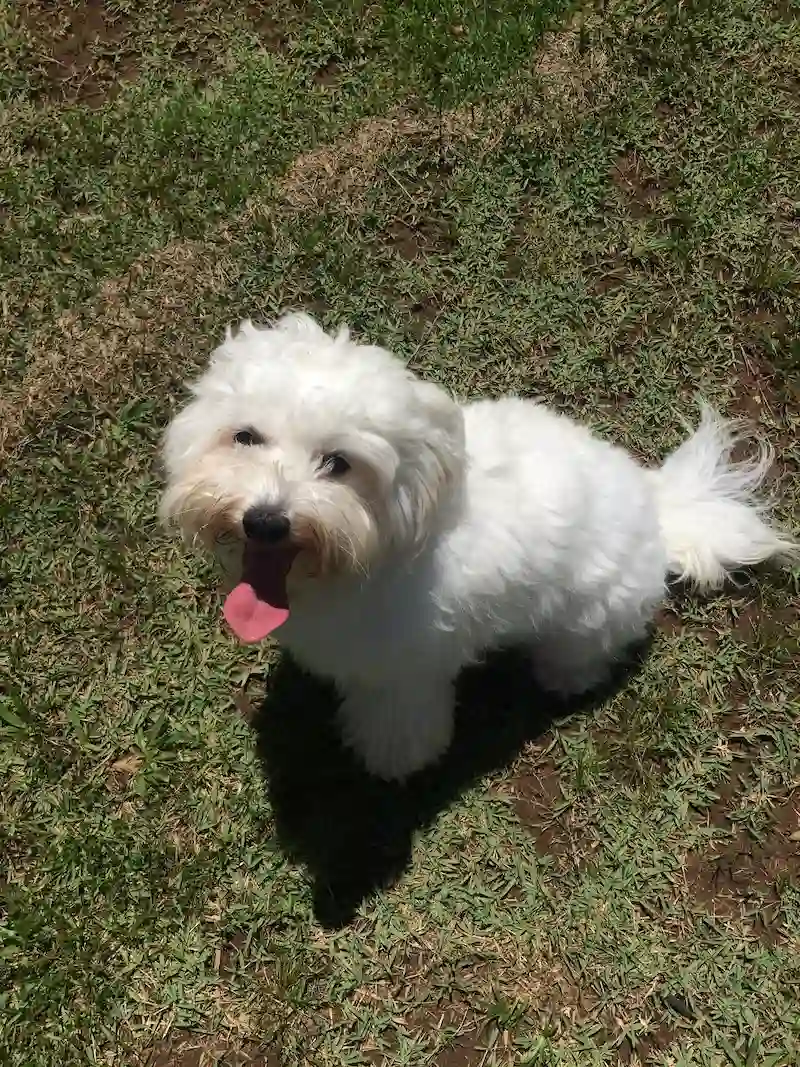 Murphy
 Valtersky
Meet Valtersky & Murphy
FOUNDER OF TEAM SKYTC
At SKYTC, Meet Valtersky & Murphy FOUNDER OF TEAM SKYTCAt SKYTC, cutting-edge pet technology meets real-world testing. We merge Murphy’s hands-on companion trials with Valtersky’s precise analysis—combining over 25 years of structural engineering background with health-tech experience.To guarantee reliability for all breeds, we collaborate with a trusted network of experienced large-breed tutors and active dog handlers who stress-test heavy-duty gear in rugged conditions. We raise the bar for review standards so your best friend gets only the safest, most functional, and highly reliable hardware on the market.
✨ Read also: Top GPS Trackers for Golden Retrievers
A deeply technical piece of content that perfectly complements this post — absolutely worth the read.