
There is nothing quite as terrifying as walking up to your aquarium and seeing bright red, bloody streaks shooting through your fish’s beautiful, flowing fins. It looks like a horror movie, and if you are a beginner, your immediate reaction is probably to panic, run to the pet store, and dump every chemical you can find into the tank. Before you do that, stop, take a deep breath, and let’s look at exactly **how to treat goldfish fin bleeding** without making things worse.
Look, I have been keeping fancy goldfish for over 8 years, and I currently run a large 100-gallon (400-liter) aquarium. In my day job, I work as a professional seamstress. Believe it or not, working with delicate fabrics has taught me a lot about goldfish anatomy. A goldfish’s fin is a lot like a piece of ultra-fine silk organza; the membrane is incredibly thin and held together by delicate structural “rays.” When water conditions deteriorate or bacteria strike, those tiny capillary “threads” snap, causing blood to pool and leak out into the fin tissue.
I am also a long-distance runner, and I can tell you that treating a sick fish requires the same mental stamina as running a marathon. You cannot sprint to a quick fix. You have to pace yourself, analyze the environment, and execute a careful plan. Let us break down exactly what causes this bloody nightmare and how to fix it step by step.
In 30 Seconds:
1. Red streaks or bloody spots on fins are almost always caused by poor water quality (ammonia or nitrite spikes) or a systemic bacterial infection (septicaemia).
2. Do not blindly medicate. Test your water immediately using a reliable liquid test kit.
3. Perform a massive 50% water change using a high-quality water conditioner to neutralize toxic waste.
4. Add pure aquarium salt (1 to 3 grams per liter) to reduce osmotic stress and promote slime coat healing.
5. If the bleeding persists despite pristine water, treat the fish in a quarantine tank with a broad-spectrum antibiotic.
Verdict: Clean water is the absolute best medicine. Nine times out of ten, fixing your water parameters will cure the bleeding without using harsh chemicals.
Understanding the Root Causes of Bloody Fins
Before you can fix the problem, you need to understand what is actually happening inside those delicate fins. Blood pooling in the fins is technically called hemorrhaging. It is not a disease in itself; it is a highly visible symptom of systemic stress, irritation, or infection.
The Good Side: Because goldfish fins are semi-transparent, they act like an early-warning dashboard for your fish’s internal health. You can see physical stress and inflammation long before it damages their internal organs, giving you plenty of time to intervene.
The Negative Point: Because the fin membrane is so thin and heavily vascularized, any minor tear, chemical burn, or bacterial attack can quickly lead to secondary infections. If left untreated, the delicate fin tissue will rot away, leaving your fish with permanently stumped, deformed fins or causing them to succumb to septic shock.
Chemical Burns (Ammonia and Nitrite Toxicity)
The absolute number-one killer of goldfish is toxic water. Goldfish are massive waste producers. They poop constantly and secrete ammonia directly from their gills. If your filter is not strong enough, or if your tank is too small, ammonia and nitrite will build up rapidly.
These chemicals are highly corrosive. They physically burn the delicate gill tissues and the thin membranes of the fins. The body reacts by rushing blood to the damaged areas to heal the burns, which manifests as angry red lines and pooling blood.
Bacterial Septicaemia
If your water parameters are perfect but the bleeding continues, you are likely dealing with hemorrhagic septicaemia. This is a serious bacterial infection where pathogens enter the bloodstream and damage the blood vessels, causing them to leak fluid and blood into the surrounding tissue.
This is usually triggered by chronic stress, which suppresses the fish’s immune system. If your fish is constantly cold, bullied, or living in dirty water, its natural defenses drop, allowing opportunistic bacteria to take hold.
Step-by-Step Protocol on How to Treat Goldfish Fin Bleeding
If you want to save your fish, you need to follow a systematic rescue plan. Do not skip any of these steps, and do not try to take shortcuts. Your fish’s life depends on your attention to detail.
Step 1: Execute an Immediate Water Test
Before you touch a single bottle of medicine, you must know what your water chemistry looks like. Test your water for ammonia, nitrite, and nitrate. If you see any reading of ammonia or nitrite above absolute zero, you have found your culprit.
Even a tiny trace of ammonia is enough to irritate delicate goldfish skin and cause vascular bleeding. If your nitrates are exceptionally high, it indicates that you are not performing enough water changes, leading to chronic environmental stress.
Step 2: Perform a Massive, Safe Water Change
If your water test reveals toxic parameters, perform a 50% water change immediately. Make sure the new water is exactly the same temperature as the tank water to avoid shocking your fish’s system. Always use a high-quality water dechlorinator to neutralize chlorine and chloramines.
Clean water is a powerful healer. By diluting the toxins, you allow the fish’s blood vessels to constrict and start healing naturally. For many mild cases, a series of daily 20% water changes is all it takes to make the red streaks disappear entirely.
Step 3: Implement an Aquarium Salt Therapy
Aquarium salt is an incredible tool for treating damaged fins. It helps restore the fish’s osmotic balance, reduces swelling, and stimulates the production of a thick, protective slime coat that keeps harmful bacteria out of the open wounds.
Add 1 to 3 grams of pure, non-iodized aquarium salt per liter of water (about 1 tablespoon per 5 gallons). Always dissolve the salt in a cup of tank water before pouring it into the aquarium. Never dump raw salt crystals directly onto your fish, as this will cause severe chemical burns on their skin.
Step 4: Isolate and Medicate for Septicaemia
If water changes and salt do not show results within forty-eight hours, or if you see the fins starting to fray and rot, you must use a broad-spectrum antibiotic. It is highly recommended to move the sick fish to a bare-bottom quarantine tank for treatment.
Treating in a separate quarantine tank saves you money on expensive medications and prevents the medicine from killing the beneficial bacteria living in your main display filter. Use a reliable, broad-spectrum antibiotic that targets gram-negative bacteria, and follow the package instructions to the absolute letter.
The Reality of the Battlefield
The aquarium industry is flooded with miracle cures and cheap additives designed to separate desperate beginners from their hard-earned money. When your fish is bleeding, you are highly vulnerable to marketing lies. Let us look at the gritty reality of what works and what fails on the bench.
Many commercial brands heavily market herbal-oil treatments, which are technically praised for offering a natural, gentle way to heal external wounds without harsh chemicals. But, these oily herbal remedies form a slick, suffocating film on the water surface that severely limits gas exchange, starving your already-stressed goldfish of oxygen while doing absolutely nothing to stop an aggressive internal bacterial infection.
Plastic, budget-friendly hang-on-back filters are praised for being cheap and easy to maintain for beginners. However, their tiny filter cartridges have virtually zero surface area for beneficial bacteria to grow, causing your nitrogen cycle to crash constantly and exposing your goldfish to chronic, bloodying ammonia spikes.
Cheap, generic plastic aquarium plants are praised for adding cheap color to your tank without the hassle of live plant maintenance. However, their sharp, molded plastic edges act like tiny razor blades against flowing goldfish fins, physically tearing the membranes and introducing nasty bacterial infections directly into the bloodstream.
Comparing First-Line Treatments
When dealing with vascular bleeding, you have several tools at your disposal. Choosing the right treatment depends entirely on the severity of the symptoms and the root cause of the stress.
| Treatment Option | Primary Benefit | Hidden Danger | Mobile Verdict |
|---|---|---|---|
| Massive Water Changes | Instantly removes toxic chemical irritants | Can cause temperature shock if rushed | Absolute First Step |
| Aquarium Salt | Soothes tissue and boosts natural slime coat | Does not evaporate; can build to toxic levels | Highly Recommended |
| Broad-Spectrum Antibiotics | Kills aggressive internal bacterial infections | Can wipe out your biological filter bacteria | Use in Quarantine Only |
| Herbal Oil Additives | Smells nice and provides mild antiseptic aid | Coats the gills and reduces oxygen levels | Avoid for Serious Cases |
Common Mistakes That Make the Bleeding Worse
The biggest mistake terrified beginners make is “shotgunning” the tank. This is when you panic and dump multiple different medications into your display tank at the same time, hoping one of them will work. This is a fatal error.
Mixing different medications creates a toxic chemical soup that severely stresses your fish’s liver and kidneys, often suffocating them by stripping the water of oxygen. Furthermore, many harsh medications will instantly kill off the beneficial nitrifying bacteria in your filter, causing a massive ammonia spike that guarantees your fish’s condition will deteriorate rapidly.
Another common blunder is leaving carbon cartridges inside your filter while trying to medicate. Activated carbon is designed to pull chemical impurities out of the water. If you leave carbon in your filter while dosing antibiotics, the carbon will absorb the medicine within minutes, rendering the treatment completely useless and wasting your money.
Troubleshooting Checklist for Fin Hemorrhages
- How to treat goldfish fin bleeding successfully always begins with testing your water parameters with a fresh liquid reagent kit. (Insider note: Paper test strips are notoriously inaccurate and easily ruined by humidity. Always use liquid drops for a true reading.)
- Perform a 50% water change using a premium water conditioner to immediately bind any heavy metals or chlorine. (Insider note: Do not guess the temperature of the new water; use a digital thermometer to match the tank exactly.)
- Dissolve your aquarium salt completely in a separate container before adding it to your tank. (Insider note: Undissolved salt crystals will sit on the bottom and physically burn any bottom-dwelling fish that sit on them.)
- Remove all activated carbon from your filter media chambers before starting any antibiotic medication. (Insider note: If you leave the carbon in, you are literally throwing your expensive medicine directly into the trash.)
- Set up a simple, bare-bottom quarantine tank with an active sponge filter for antibiotic treatments. (Insider note: You do not need a fancy setup; a clean plastic storage tub with an air-driven sponge filter works perfectly.)
- Run an extra air stone or bubbler in your tank whenever you are medicating your fish. (Insider note: Almost all medications reduce the dissolved oxygen levels in the water, making it harder for your struggling fish to breathe.)
- Complete the entire course of antibiotic treatment even if the red streaks disappear after two days. (Insider note: Stopping antibiotics early is how you create super-resistant bacteria that will come back twice as hard.)
- Run your hands along every decoration and artificial plant in your tank to feel for sharp edges. (Insider note: If a decoration can snag a cheap pair of nylon pantyhose, it will easily shred your goldfish’s delicate fins.)
- Avoid using automatic feeder blocks or overfeeding your fish while they are recovering from fin damage. (Insider note: Sick fish have slowed metabolisms. Uneaten food will quickly rot and trigger a deadly ammonia spike.)
- Keep your aquarium lights turned off during the first few days of treatment and recovery. (Insider note: Darkness is a natural sedative for fish. It lowers their cortisol levels and helps speed up their immune response.)
👇 Looking for more performance cheats? Check out our field-tested tactical blueprints:
The Goldfish Ecosystem Blueprint
Complete your advanced technical training loop by exploring our core evergreen resources.
How to Feed Goldfish for Maximum Lifespan
A deep breakdown of digestive tract mechanics, bloating prevention, and premium sinking diets.
How to Maintain a 100 Gallon Goldfish Tank
Large-scale system parameters. Deep sand bed mechanics, nitrogen cycling, and bioload management.
Ultimate Guide to Goldfish Tank Filtration
Heavy-duty hardware configurations. Optimizing parallel canisters, bio-media setups, and automation.
Exhausted Bench Tech FAQ
Can a goldfish’s bleeding fins heal on their own without medication?
Yes. If the bleeding is caused by mild ammonia irritation or a minor physical snag, simply fixing the water quality and adding a bit of aquarium salt is usually enough. The red streaks will fade away naturally within a week as the blood vessels repair themselves.
My goldfish has red streaks but is still eating and swimming normally. Is it an emergency?
It is a yellow alert. It means your environment is starting to fail, but your fish’s immune system is still fighting. Do not wait for the fish to become lethargic or stop eating. Test your water and perform a water change today before it turns into a deadly systemic infection.
Can I use regular table salt instead of expensive aquarium salt?
No. Never use standard table salt. Table salt contains iodine and anti-caking agents like yellow prussiate of soda, which are highly toxic to aquatic life. Only use pure, additive-free aquarium salt, canning salt, or pure rock salt.
How long does it take for red streaks in goldfish fins to disappear?
If you have corrected the water parameters, you should see the bright red lines begin to fade into a dull pink within forty-eight hours. Complete healing of the vascular tissue usually takes about one to two weeks, depending on the temperature of the water.
Will antibiotics ruin my tank’s beneficial biological filter?
Yes, many broad-spectrum antibiotics like erythromycin or tetracycline will absolutely wipe out your biological filter. That is why you should never dose these medications directly into your main display tank. Always use a dedicated quarantine tank for medical treatments.
Can high water temperature cause goldfish fins to bleed?
Not directly, but warm water holds significantly less dissolved oxygen than cool water. High temperatures also accelerate bacterial reproduction rates. If your tank is too warm and dirty, the combination of low oxygen and high bacterial load will quickly trigger septicaemia.
My fish’s fins are turning black after being red. Is it dying?
No! Black spots or edges on goldfish fins are actually a fantastic sign. Black pigmentation indicates that the tissue is actively healing from chemical or physical burns. It is the fish equivalent of a scab. The black color will eventually fade back to normal over a few weeks.
Can I treat fin bleeding by just adding more water conditioner?
No. Water conditioners are designed to neutralize chlorine and temporarily bind ammonia for a short period. They do not fix dirty water, and they do not kill bacterial infections. You cannot chemical-out your way of doing physical water changes.
🛡️ │ WHY TRUST SKYTC GOLDFISH CARE CURATION?
At SKYTC, we hold aquatic ecosystem biology and biological parameter handling to a rigorous standard. We are not an automated affiliate review engine; we apply hands-on tests and serious filtration engineering workflows to ensure every recommendation guarantees the health and maximum lifespan of your fish with absolute safety.
✓ Engineering:
Structural experience backed by heavy-duty filtration math, continuous hydraulic turnover metrics, and robust mechanical support for large-scale coldwater systems.
✓ Expertise:
Focuse on preventative biological husbandry and premium nutrition. Thoroughly auditing biological media, sinking feeds, and elements that completely neutralize ammonia spikes.
✓ Authority:
Curation signed by real keepers running a balanced 100-gallon display ecosystem for over 8 years, pairing daily practical benchwork with direct wholesale breeder insights.
✓ Trust:
Product selections built on unfiltered transparency—exposing actual electrical draws, heat dissipation issues, and hidden costs before any Amazon recommendations.
📸 Our Journey in the Real World
From daily living room tank turn rates to macro-scale breeding setups.
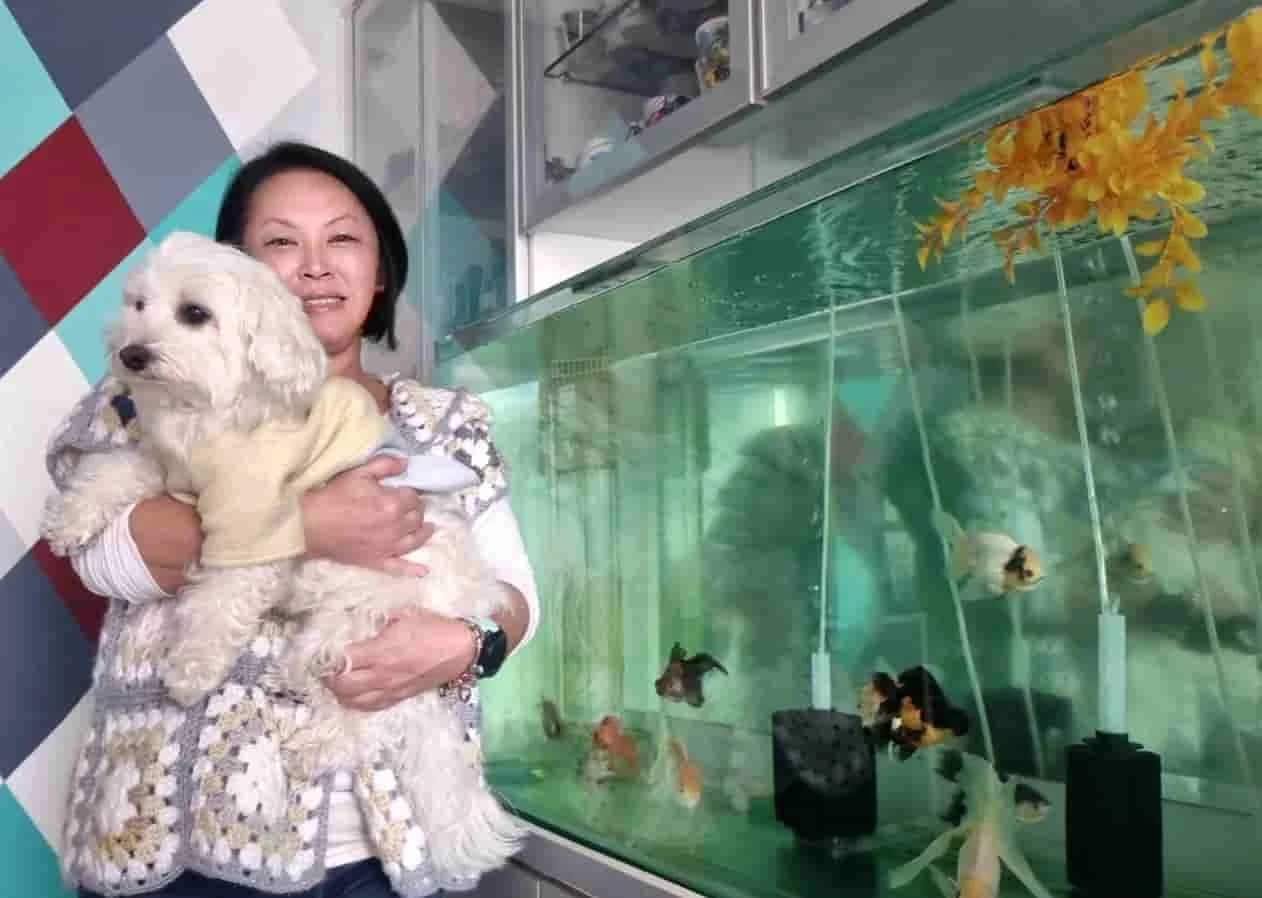
🏠 The 100G Lab
Where we torture test every hardware option, pellet line, and filter layout live.

🏃♀️ Grit & Eye
Marathon endurance meets the precise, millimeter structural focus of a seamstress.
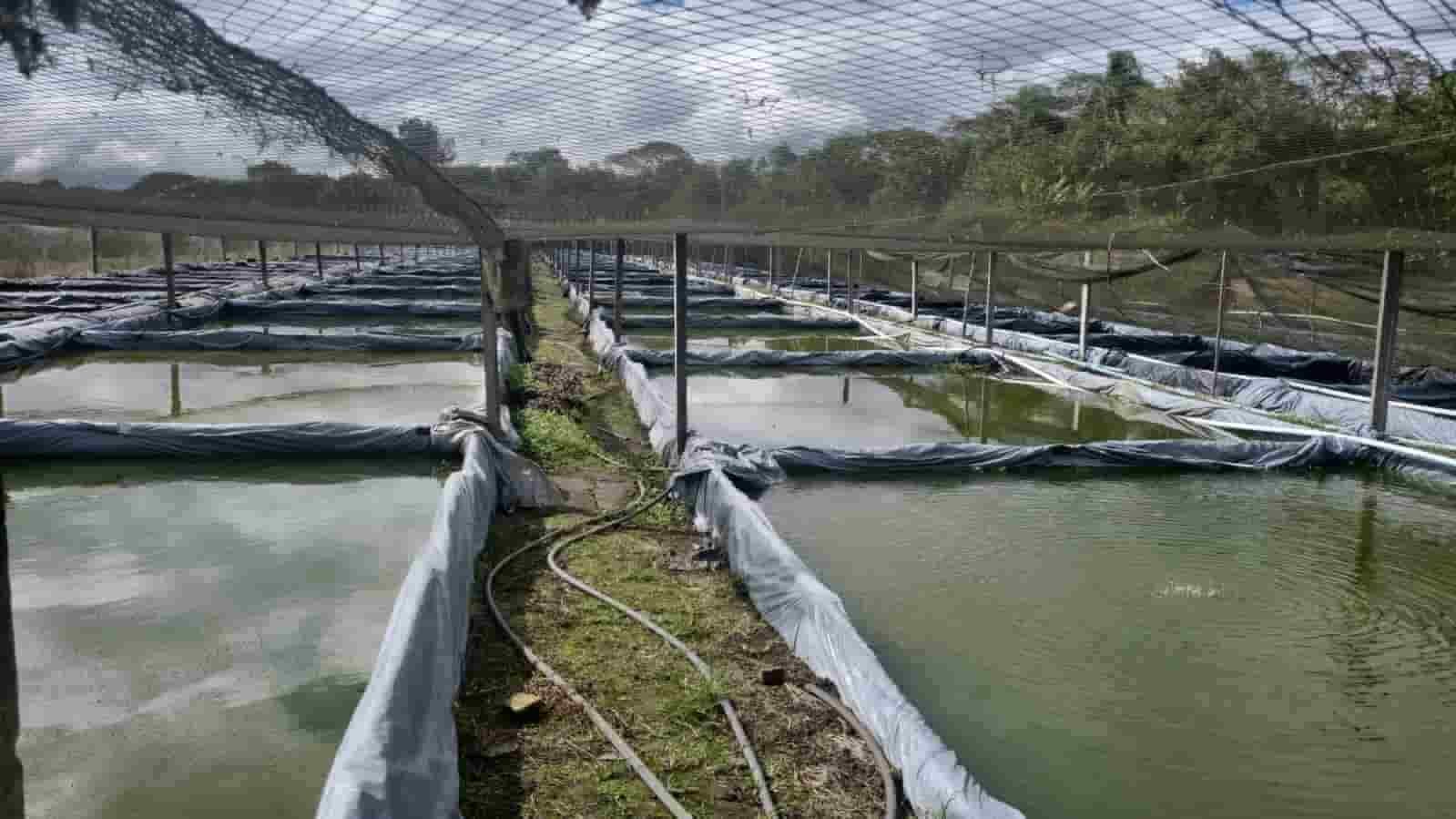
🐳 Monster Vats
Analyzing massive continuous turnovers inside large open-air mud farm vats.
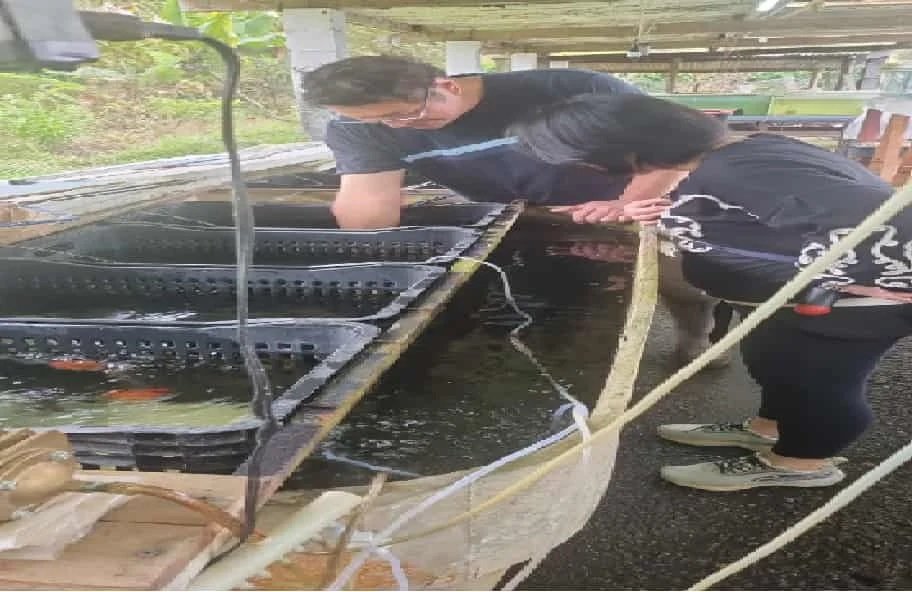
🤝 True Alliances
Working hand-in-hand with regional facility operations to target elite fancy bloodlines.
Read also: Goldfish Clamped Fins Remedy
> A deeply technical piece of content that perfectly complements this post — absolutely worth the read.