
Waking up to see your beautiful fish hovering in a corner with its fins pressed tightly against its body is a terrifying sight, which is why finding a reliable goldfish clamped fins remedy is the first thing on your mind. It is a clear, desperate cry for help that tells you something is profoundly wrong inside your aquarium.
Watching your vibrant, bubbly water baby fold its fins tightly against its body can be incredibly heartbreaking and stressful. Finding a rapid, reliable solution is your absolute ticket to restoring your pet’s health and reclaiming your peace of mind without having to deal with the agony of a dying aquarium.
As a professional seamstress, I spend my days working with delicate textiles, requiring patience and a sharp eye for tiny, frayed threads. Goldfish health requires that exact same meticulous attention to detail. Over my eight years of maintaining a large 100-gallon (400-liter) aquarium for my fancy goldfish, I’ve had to troubleshoot folded fins more times than I care to count, often after exhausting long-distance runs where I had plenty of time to mentally analyze the biology of my tank.
Today, we are going to dive straight into the biology of clamped fins, separating the real technical solutions from the cheap marketing traps, and giving you a clear, actionable path to get your fish swimming happily again.
What are Clamped Fins? Decoding the Body Language
When we talk about clamped fins, we are describing a physical posture where a goldfish holds its dorsal (top), pectoral (side), and caudal (tail) fins tightly flat against its body. Instead of waving its fins like proud silk banners, the fish looks rigid, compact, and incredibly tense.
Think of it as the fish equivalent of a human shivering in a corner with their arms crossed tightly over their chest. It is a universal biological sign of severe discomfort, pain, or systemic stress. Your goldfish is expending a massive amount of metabolic energy just to hold that rigid posture.
If you see your goldfish hovering near the substrate, shimmying slowly from side to side, or hiding behind your filter intake with its fins locked down, you must act immediately. This is not a phase; it is a critical warning sign that your fish’s immune system is actively fighting for survival.
Identifying the Culprit: Water Quality, Parasites, or Stress?
Before you can apply a remedy, you must diagnose the root cause of the irritation. Treating the wrong issue will only add further stress to an already compromised fish.
Ammonia and Nitrite Poisoning
This is the number one cause of clamped fins in home aquariums. Goldfish produce massive amounts of waste, and if your biological filter cannot keep up, toxic ammonia and nitrite levels will rise quickly. These chemicals chemically burn the fish’s skin and gills, causing intense pain and forcing them to clamp their fins in agony.
Microscopic Parasites and Flukes
Tiny external pests like gill flukes, skin flukes, Ich, and Costia are incredibly common. They attach themselves to your goldfish’s body, boring into the protective slime coat and feeding on cell tissue. The fish clamps its fins to protect its vulnerable body from further irritation and attempts to scrape the pests off by flashing against rocks.
Temperature and Osmotic Shock
Goldfish are cold-water fish, but they cannot handle sudden temperature swings. A rapid drop or rise of more than a few degrees during a water change will shock their nervous system. This disruption causes their muscles to tighten, resulting in immediate fin clamping as their body struggles to adapt.
Finding the Perfect Goldfish Clamped Fins Remedy
Once you have identified the likely trigger, it is time to execute a systematic plan to soothe your fish and clean up their environment.
Step 1: The Water Parameters Baseline
Never add any medication to your tank without testing the water first. Use a high-quality liquid test kit to measure your ammonia, nitrite, and nitrate levels. If your ammonia or nitrite levels are anywhere above zero, perform a 50% water change immediately using a trusted water conditioner.
Step 2: Gentle Salt Therapy (The Ultimate Natural Cure)
Pure, additive-free aquarium salt (sodium chloride) is the single best first-line defense for clamped fins. Salt boosts the fish’s natural slime coat, blocks the uptake of toxic nitrites, and reduces osmotic stress on their kidneys. Add one tablespoon of aquarium salt per five gallons of water, dissolving it completely in a cup of tank water before pouring it into your aquarium.
Step 3: Targeted Anti-Parasitic Treatments
If your water parameters are perfect and the salt doesn’t bring relief within forty-eight hours, you are likely dealing with microscopic flukes. Use a dedicated parasite treatment containing praziquantel. This active ingredient safely paralyzes and kills the parasites without destroying your filter’s biological media.
The Reality of the Battlefield
In the world of aquarium marketing, manufacturers promise “complete target cures,” “all-in-one miracle drops,” and “foolproof water sanitizers.” But anyone who has maintained a large tank knows that real-world use quickly exposes the flaws in these promises. Let us look at what actually happens to your gear and supplies over time.
The “All-In-One” Cure Myth
Over-the-counter “all-in-one” medications are praised by manufacturers for treating everything from bacterial infections to fungal growths with a single bottle. However, in real-life practice, these harsh chemical cocktails are incredibly toxic, frequently destroying your filter’s beneficial bacteria and starving your sick fish of vital oxygen.
Cheap Digital Thermometers
Digital aquarium thermometers with sleek LED screens are highly praised for giving fast, highly visible temperature readouts at a glance. But the internal sensors in these cheap imports degrade rapidly in water, often displaying a perfect temperature while your water is actually freezing or boiling your fish.
Cartridge-Style Filters
Slim, high-flow hang-on-back filters are praised for their easy-to-replace cartridges and low vertical profile. However, these cartridges clog within days with goldfish waste, forcing unfiltered water to bypass the media entirely and dump raw toxins right back into your display tank.
A Classic Beginner Mistake
Imagine this common scenario: a beginner looks at their tank, notices their fancy goldfish has clamped fins, and immediately assumes it has a bacterial infection. Without testing the water, they run to the store, buy a strong antibiotic, and dump it directly into the display tank.
Within two days, the antibiotic wipes out the beneficial nitrifying bacteria inside the filter. The ammonia levels skyrocket to toxic heights, burning the fish’s gills and skin. The fish, already weakened, clamps its fins even tighter, turns dark, and eventually suffocates. This is the tragic result of medicating a tank blindly without addressing the underlying water quality first.
In 30 Seconds
Unplug any carbon filtration before dosing salt or medications.
Perform a 50% water change with a high-quality water conditioner.
Add pure aquarium salt at a dose of one tablespoon per five gallons of water.
Never mix multiple commercial medications together; you will suffocate your fish.
Fast your fish for forty-eight hours to reduce the digestive and metabolic load.
No-nonsense verdict: Clamped fins are almost always a water quality or fluke issue—clean the water and add salt before you touch a single bottle of harsh chemicals.
Comparing Aquarium Remedies for Clamped Fins
Let’s look at the most common treatments used to treat clamped fins, comparing their effectiveness and safety profiles:
| Treatment Type | Primary Target | Safety Profile | Impact on Filter Bacteria |
|---|---|---|---|
| Aquarium Salt | Stress and Osmotic Load | Excellent | None |
| Water Changes | Ammonia and Nitrites | Superb | None (if dechlorinated) |
| Praziquantel Meds | Gill and Skin Flukes | High | None |
| Broad-Spectrum Meds | Bacterial & Fungal | Low | Can completely wipe them out |
Let us look closely at how these different treatments perform under pressure:
- Aquarium Salt Method
- The Good Side: It naturally reduces osmotic pressure on the fish, boosts their slime coat, and kills simple external parasites.
- The Negative Point: It does not evaporate, so if you keep adding more salt during top-offs without doing proper water changes, the salinity will skyrocket and dehydrate your fish.
- Specialized Anti-Parasitic Medications
- The Good Side: They target specific pathogens like gill flukes or severe bacterial rot with high-precision active ingredients.
- The Negative Point: They can easily crash your entire biological nitrogen cycle, leaving your tank vulnerable to massive ammonia spikes that kill more fish than the initial disease.
- Stress-Reducing Conditioners
- The Good Side: They instantly neutralize heavy metals and coat the fish in a protective synthetic slime layer to reduce immediate stress.
- The Negative Point: They do absolutely nothing to solve the root bacterial or parasitic cause, acting as a temporary band-aid on a gushing wound.
Critical Planning and Setup Checklist
- Research a proven goldfish clamped fins remedy before pouring arbitrary chemicals into the tank. Insider Note: Most beginners dump half a bottle of medicine into the tank when all the fish needed was a 50% water change and a three-day fast.
- Test your water using a liquid droplet test kit. Insider Note: Strip tests are notoriously inaccurate and will often show zero ammonia when your water is actually highly toxic.
- Match the temperature of your replacement water down to the exact degree. Insider Note: Pouring cold water into a warm tank shocks the fish’s immune system, instantly causing them to lock down their fins.
- Keep your aquarium lights turned off during treatment. Insider Note: Darkness lowers stress levels and prevents certain light-sensitive medications from breaking down prematurely.
- Increase surface agitation with an air stone. Insider Note: Sick fish need massive amounts of oxygen, and many medications deplete the oxygen levels in the water column.
- Remove chemical carbon media from your filter before medicating. Insider Note: Active carbon will absorb your expensive medications out of the water before they can treat the fish.
- Dissolve all salt completely in a separate container first. Insider Note: Dropping raw salt crystals directly onto your goldfish can cause severe chemical burns on their skin.
- Monitor the fish’s breathing rate and gill movement. Insider Note: Red, swollen, or rapidly moving gills indicate a severe chemical burn or gill flukes rather than a simple stress reaction.
- Keep a written log of your daily water changes and dosages. Insider Note: When you are managing multiple treatments, it is incredibly easy to lose track and accidentally double-dose your tank.
- Run your tank’s filtration at maximum capacity during treatment. Insider Note: Never turn off your filters when treating a tank; your beneficial bacteria need constant water flow to survive.
Common Mistakes to Avoid
Avoiding these classic pitfalls will keep your fish safe and prevent simple ailments from turning fatal:
- Medicating Clean Water: Adding chemical treatments to a dirty tank is a massive waste of money. Clean the water first, and only medicate if the clean water and salt do not bring relief.
- Forgetting to Dechlorinate: Forgetting to add water conditioner during a water change is a catastrophic error. Chlorine will strip the slime coat off your goldfish, causing immediate, painful fin clamping and gill damage.
- Overfeeding Sick Fish: Goldfish have a very high metabolic rate, but their digestion slows to a crawl when they are stressed. Feeding a sick, clamped fish will only cause constipation, bloating, and further system failure.
👇 Looking for more performance cheats? Check out our field-tested tactical blueprints:
The Goldfish Ecosystem Blueprint
Complete your advanced technical training loop by exploring our core evergreen resources.
How to Feed Goldfish for Maximum Lifespan
A deep breakdown of digestive tract mechanics, bloating prevention, and premium sinking diets.
How to Maintain a 100 Gallon Goldfish Tank
Large-scale system parameters. Deep sand bed mechanics, nitrogen cycling, and bioload management.
Ultimate Guide to Goldfish Tank Filtration
Heavy-duty hardware configurations. Optimizing parallel canisters, bio-media setups, and automation.
Frequently Asked Questions
Can clamped fins heal on their own?
No. Clamped fins are a physical symptom of an underlying stressor or disease. If you do not identify and fix the root cause—whether it is toxic water, flukes, or extreme temperature swings—the fish’s immune system will eventually collapse, leading to secondary infections and death.
How long does it take for a goldfish to unclamped its fins?
If the cause is poor water quality, you should see improvement within a few hours of doing a large, dechlorinated water change. If the cause is a parasitic fluke infection, it may take three to five days of targeted praziquantel treatment for the fins to open back up completely.
Is aquarium salt safe for all goldfish?
Yes, aquarium salt is incredibly safe and highly beneficial for all goldfish varieties. However, you must use pure sodium chloride without any anti-caking agents or iodine. Always dissolve it completely in water before adding it to the tank, and never exceed a concentration of 0.3%.
Why is my goldfish clamping its fins after a water change?
Your replacement water was either too cold, too hot, or you forgot to add water conditioner. Sudden temperature changes or raw chlorine will instantly shock a goldfish’s nervous system and damage their delicate slime coat, forcing them to lock down their fins in pain.
Can I use table salt instead of aquarium salt?
Absolutely not. Table salt contains iodine and chemical anti-caking agents that are highly toxic to fish and will burn their gills. Only use pure, non-iodized aquarium salt, rock salt, or kosher salt with zero additives listed on the packaging.
Will clamped fins spread to my other fish?
Clamped fins themselves are not contagious, but the underlying cause often is. If one fish has flukes or is suffering from ammonia poisoning, the rest of the tank will likely start showing the same symptoms soon. You must treat the entire tank environment, not just the single sick fish.
Should I quarantine a fish with clamped fins?
If only one fish is showing symptoms and you suspect a localized injury or localized bacterial infection, move it to a shallow quarantine tank. However, if your display tank has ammonia issues or flukes, you must treat the entire main tank to ensure the environment is safe.
Can I feed my goldfish while treating them for clamped fins?
It is best to fast your fish for the first forty-eight hours of treatment. Digestion takes a massive amount of metabolic energy that your fish desperately needs to fight off infections. Fasting also keeps your water clean, preventing further ammonia spikes while they recover.
🛡️ │ WHY TRUST SKYTC GOLDFISH CARE CURATION?
At SKYTC, we hold aquatic ecosystem biology and biological parameter handling to a rigorous standard. We are not an automated affiliate review engine; we apply hands-on tests and serious filtration engineering workflows to ensure every recommendation guarantees the health and maximum lifespan of your fish with absolute safety.
✓ Engineering:
Structural experience backed by heavy-duty filtration math, continuous hydraulic turnover metrics, and robust mechanical support for large-scale coldwater systems.
✓ Expertise:
Focuse on preventative biological husbandry and premium nutrition. Thoroughly auditing biological media, sinking feeds, and elements that completely neutralize ammonia spikes.
✓ Authority:
Curation signed by real keepers running a balanced 100-gallon display ecosystem for over 8 years, pairing daily practical benchwork with direct wholesale breeder insights.
✓ Trust:
Product selections built on unfiltered transparency—exposing actual electrical draws, heat dissipation issues, and hidden costs before any Amazon recommendations.
📸 Our Journey in the Real World
From daily living room tank turn rates to macro-scale breeding setups.
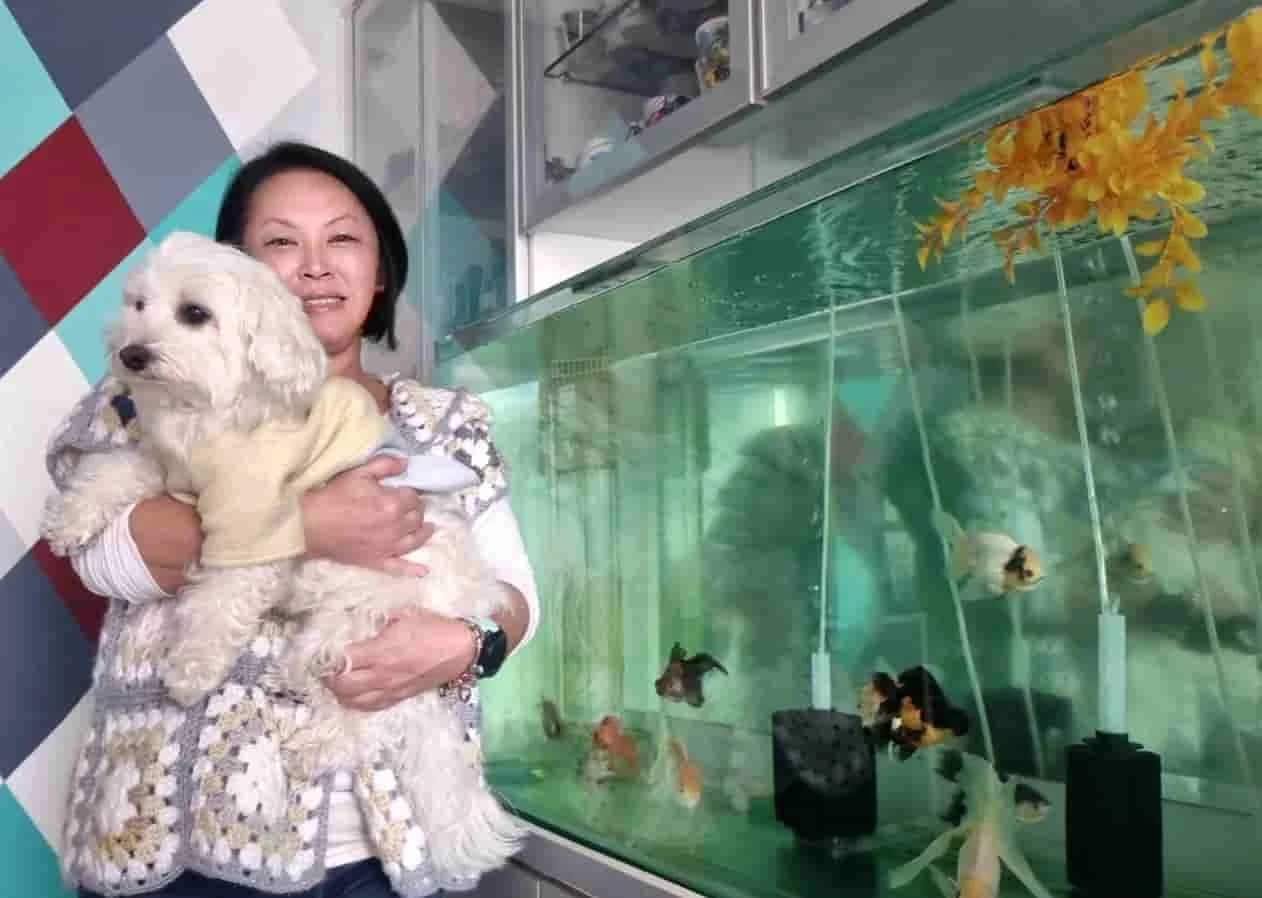
🏠 The 100G Lab
Where we torture test every hardware option, pellet line, and filter layout live.

🏃♀️ Grit & Eye
Marathon endurance meets the precise, millimeter structural focus of a seamstress.
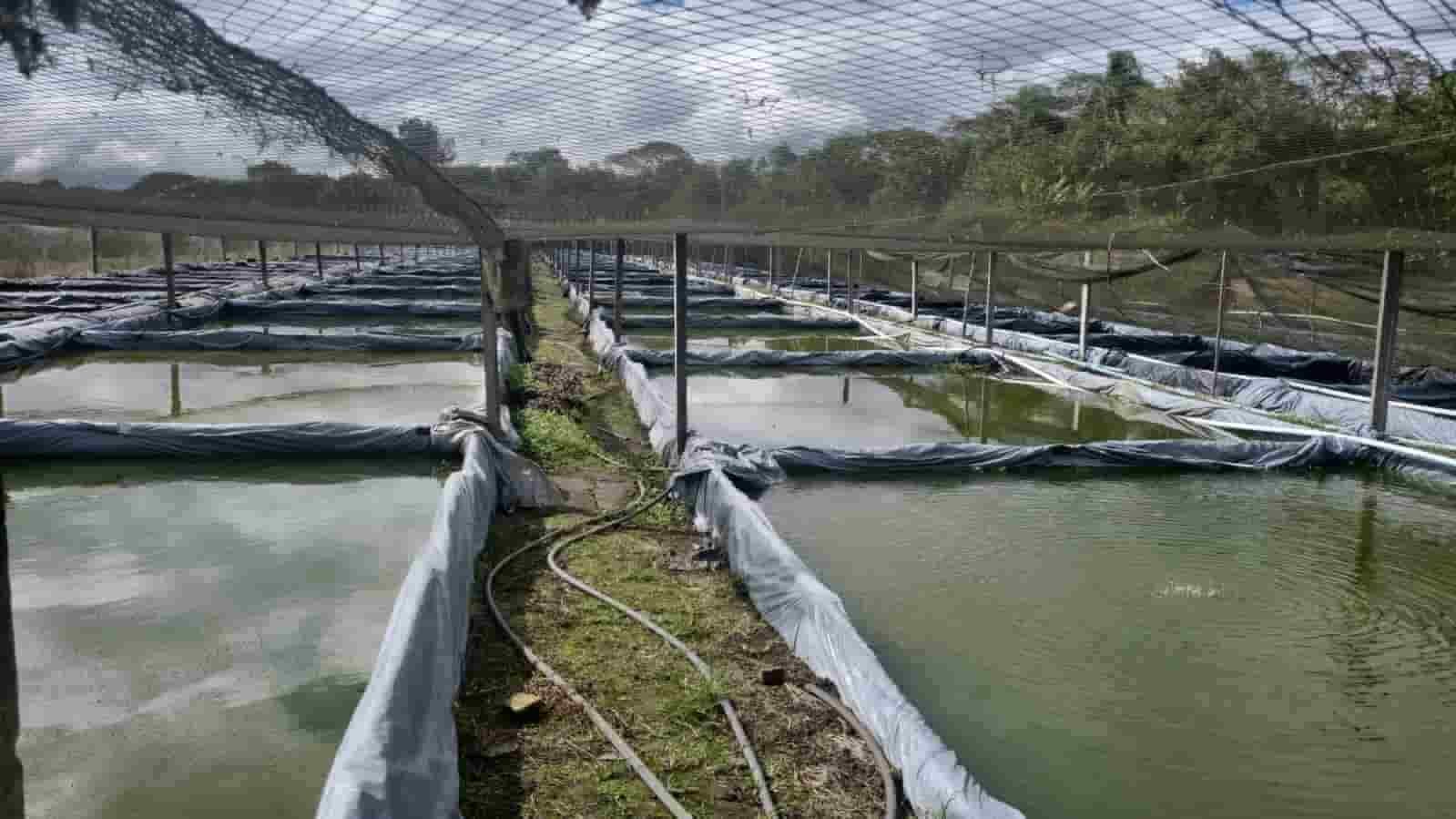
🐳 Monster Vats
Analyzing massive continuous turnovers inside large open-air mud farm vats.
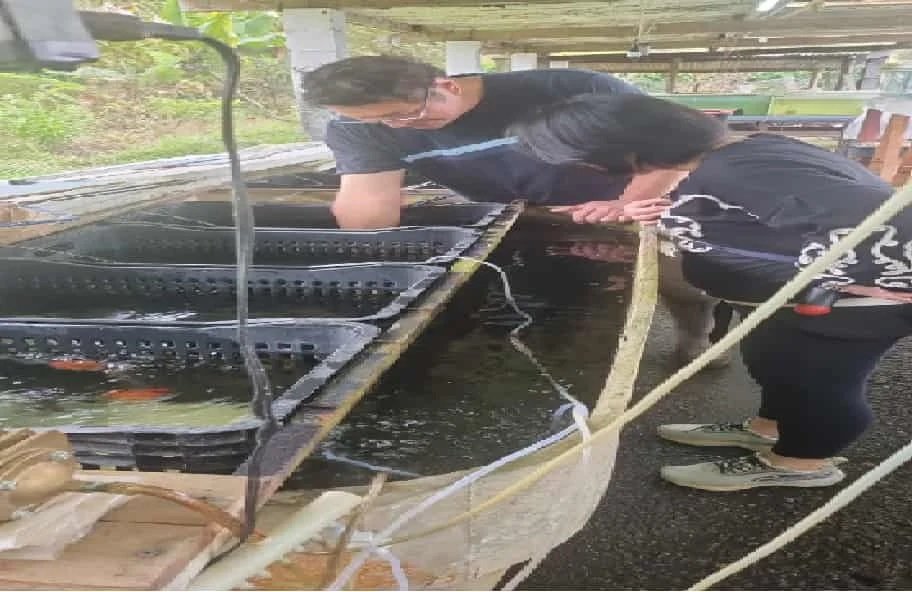
🤝 True Alliances
Working hand-in-hand with regional facility operations to target elite fancy bloodlines.
Read also: Why Is My Goldfish Swimming Sideways
> A deeply technical piece of content that perfectly complements this post — absolutely worth the read.