
You cross the finish line of a brutal mountain ultra, legs caked in dried mud, salt lines crusting your face, and your knees feeling like they’ve been injected with fast-drying concrete.
Trying to climb down a simple flight of stairs or even get out of your truck becomes an agonizing test of structural willpower.
If you want to clear knee stiffness after 50k trail marathons, you must stop relying on cheap drugstore ice packs and generic stretching guides.
Having spent years looking at human bones through Computed Tomography (CT) scans, I’ve seen exactly what happens when you crush your joints on a 15% downhill grade for five hours.
The microtrauma is real, the swelling is deep within the bone marrow, and your typical recovery routine is completely failing you.
By understanding the actual mechanical and biological breakdown of your joints, you can reclaim your mobility in hours instead of limping for weeks [1].
This guide will save your cartilage, preserve your athletic longevity, and prevent you from wasting money on showroom gimmicks.
In 30 Seconds: The Raw Verdict Skip the ice. Throw away the cheap compression sleeves that stretch out after three runs.
To stop joint locking, you need targeted tissue mobilization, deep structural blood flow, and biological building blocks.
Load your system with heavy collagen and clean red meat fats immediately post-race to repair connective tissues.
Use active pneumatic compression or targeted self-massage to pump metabolic waste out of the joint capsule.
Stop babying the joint with absolute rest; movement is the only way to lubricate dry, irritated cartilage.
| Recovery Method | Physiological Impact | Joint Mobilization Score | Cost Tier | The Catch (The Hard Negative) |
|---|---|---|---|---|
| Deep Heat Contrast | Dilates deep joint blood vessels, flushing internal waste. | 9/10 | Budget-friendly options | If applied too early during acute swelling, can temporarily increase throbbing. |
| Pneumatic Compression | Mechanically pumps interstitial fluid out of the leg. | 8/10 | Premium tier investment | Bulky, requires power, and cheap models have weak, useless valves. |
| Cryotherapy / Ice | Temporarily numbs pain receptors; restricts blood flow. | 3/10 | Low-grade components | Shuts down the natural inflammatory signaling needed for long-term tissue repair. |
| Heavy Isometrics | Stimulates patellar tendon remodeling via deep cellular tension. | 9/10 | Completely free | Requires supreme pain tolerance immediately after a grueling ultra. |
| High-Fat Carnivore Fuel | Supplies structural fats and collagen peptides directly to cartilage. | 10/10 | Mid-tier food budget | Requires skipping convenient, processed junk food at the finish line. |
The Battlefield Assessment of Recovery Gear
Let’s break down the actual performance of common recovery gear.
Every tool has a clinical purpose, but most manufacturers lie about what they can actually do when your knees are completely locked up.
Setup 1: Pneumatic Compression Boots
The Good: Mechanically flushes out the dense, heavy lymphatic fluid that pools in your lower limbs after pounding mountain dirt.
The Bad: They are completely useless if you buy the bargain-bin accessories.
Cheap units don’t have zoned chambers, meaning they just squeeze your calf and push the fluid right back into your knee joint, worsening the stiffness.
Setup 2: Rigid Knee Braces
The Good: Provides immediate mechanical stabilization when your quadriceps and hamstrings are too fatigued to support your skeletal frame.
The Bad: Wearing them for more than 24 hours post-race turns off your stabilizers, weakens the patellar tendon, and tricks your brain into protecting a joint.
This is a joint that actually needs gentle, active mobilization to heal.
Setup 3: NSAIDs (Ibuprofen or Naproxen)
The Good: Shuts down the pain pathways so you can walk to your car without looking like a folding lawn chair.
The Bad: It chemically blocks the prostaglandin pathway, halting your body’s natural collagen synthesis [2].
You are trading short-term comfort for long-term tendon degeneration and potential gut lining damage.
The Realities of the Battlefield
Carbon-plated trail shoes promise unparalleled energy return on steep ascents and dampening on technical downhills.
But when those shoes get packed with wet mud and the foam loses its mechanical compliance after 30 kilometers, the plate turns into a rigid, unforgiving lever.
This rigid lever transfers every single millisecond of impact force directly up into your patellar tendon and lateral meniscus.
The marketing brochures show athletes gliding effortlessly over pristine mountain crests, clean and pain-free.
But the hard negative reality is that sweat, grit, and microscopic silt will bypass your gaiters, soak into your socks, and cause your foot to slide slightly forward inside the toe box during steep descents.
This micro-slippage forces your knee to over-stabilize on every single step, micro-tearing the stabilizing ligaments and leaving you with chronic lateral stiffness that no foam roller can touch.
The “Couch Lock” Structural Failure
Let’s analyze a classic post-race habit that ruins your joint health: The Couch Lock recovery.
You finish your 50k trail marathon, drive home with your knees bent at a sharp 90-degree angle for two hours, and then immediately collapse onto the sofa for a marathon sleeping session.
When you finally wake up, your knees feel like they have been welded shut.
By keeping your knees static and bent while highly inflamed, you allow the inflammatory exudate—a thick, protein-rich fluid that leaks into the joint capsule during trauma—to settle and coagulate like gelatin.
This is a structural failure.
Your joint needs gentle, non-loaded movement (like backward walking or light spin-cycling on zero resistance) to continuously pump that fluid out and bring fresh, oxygenated blood in.
A Clinical CT Scan Look: How to Clear Knee Stiffness After 50k Trail Marathons
As a clinical analyst who has spent years looking at skeletal systems through computed tomography (CT scans) and X-rays, I view the knee joint through a structural lens.
When you feel stiffness, you aren’t just dealing with “tight muscles.”
You are dealing with high intra-articular pressure, subchondral bone bruising, and micro-fissuring of the patellar cartilage.
Under a CT scan, a highly stressed knee joint post-ultra often shows subtle joint space narrowing caused by temporary dehydration of the meniscus.
The cartilage is essentially a dense sponge; hours of downhill pounding squeezes out the synovial fluid, leaving the bones to slide against each other with high friction.
To rebuild this cellular matrix, you need premium biological fuel.
Forget the processed carbohydrate gels and synthetic vegan protein shakes that taste like chalk.
Your body needs clean, nutrient-dense red meat and its natural fats.
The saturated fats and bioavailable zinc, iron, and collagen peptides found in high-quality beef supply your chondrocytes (cartilage cells) with the exact raw materials required to rebuild the extracellular matrix.
I’ve used this exact protocol after running grueling mountain ultramarathons and surviving years of kickboxing sparring—it is the tactical cheat code for skeletal longevity.
When you consume natural animal fats, you are providing your body with cholesterol and essential fatty acids that form the very membranes of your regenerating cells.
This biological repair process is incredibly slow if you are feeding your body nothing but synthetic carbohydrates and low-grade plant proteins.
The Post-Ultra Knee Recovery Checklist
- Implement active recovery to clear knee stiffness after 50k trail marathons immediately after crossing the finish line.
Insider Observation: Walking backward on flat ground for 10 minutes gently coaxes the patella back into its track without eccentric strain. - Hydrate with hypertonic mineral solutions, not just plain water.
Insider Observation: Guzzling plain water dilutes your blood, causing cells to swell and worsening joint capsule edema. - Prioritize consuming high-fat red meat within the gold-standard 2-hour window post-race.
Insider Observation: The raw amino acids and natural fats trigger direct muscle and tendon protein synthesis far better than synthetic powders. - Incorporate non-loaded knee extensions while sitting on a high table.
Insider Observation: Swinging your legs freely for 15 minutes acts as a manual fluid pump for the knee capsule. - Ditch rigid knee wraps and use light kinesiology tape for swelling.
Insider Observation: Rigid bands strangle the lymphatic vessels; tape lifts the skin to allow natural fluid drainage. - Limit high-dose NSAIDs unless absolutely necessary for basic sleep.
Insider Observation: They stop the pain but freeze your tendon’s natural biological rebuilding process. - Elevate your lower extremities above your heart using a wedge pillow.
Insider Observation: Gravity is your cheapest tool to drain metabolic waste away from the lower extremity. - Release your outer calves and tibialis anterior, not your actual IT band.
Insider Observation: Rolling the IT band is useless because it’s a thick sheet of fascia; releasing the surrounding anchor muscles is where the relief lies. - Apply deep contrast heat and cold in 3-minute intervals.
Insider Observation: The thermal contrast creates a vascular pump, bringing fresh arterial blood into the deep joint. - Perform gentle isometric wall sits the morning after.
Insider Observation: Holding a shallow, pain-free wall sit for 30 seconds triggers analgesic pathways in the patellar tendon. - Inspect your trail shoes for uneven wear on the outer heel.
Insider Observation: A worn-out outsole forces your tibia to rotate internally, destroying your lateral meniscus. - Select dense, hollow-core rollers instead of low-grade cheap foam rollers that deform under pressure.
Insider Observation: A hard lacrosse ball or a dense roller is required to target high-tension muscle junctions.
👇 Looking for more performance cheats? Check out our field-tested tactical guides:
SkyTC Master Hub & Pillar Guides
No-Nonsense Recovery FAQ
Is ice actually bad for my knees after an ultramarathon?
Yes, if you use it for long periods.
Ice numbs the pain but constricts blood vessels, slowing down the delivery of macrophages and nutrients needed to repair micro-tears [3].
Use it for 5 minutes to blunt excruciating pain, but otherwise ditch it.
Should I take ibuprofen immediately after a 50k trail race?
Avoid it if you care about your long-term joint health.
Ibuprofen blocks cox-2 inhibitors, which halts the collagen synthesis your tendons need to recover [2].
You are trading a few hours of relief for weaker tendons.
Why do my knees click and pop when climbing stairs post-race?
This is usually caused by patellar mistracking.
Your quadriceps are so fatigued and tight that they pull your kneecap out of its natural groove, causing it to rub against the femur.
Mobilize your quads and calves to fix this alignment issue.
Can I use a massage gun directly on my kneecap?
Absolutely not.
Never use a massage gun on raw bone. You will bruise the periosteum and cause severe inflammation.
Keep the gun on the muscle bellies of your quads, calves, and hamstrings.
Are carbon-plated trail running shoes ruining my knee joints?
They can be.
When you are tired and your form breaks down, the stiff carbon plate acts as a lever, transferring the impact force straight past your ankle and into your knee joints.
They demand strong stabilizing muscles to run safely.
How soon can I run again after experiencing severe knee stiffness?
Do not run until you have full, pain-free range of motion.
You must be able to perform a bodyweight squat without compensation.
Pounding on an already inflamed, misaligned joint is a fast track to chronic patellofemoral pain syndrome.
Do cheap knee sleeves actually provide any clinical benefit?
Bargain-bin accessories only provide heat and a false sense of security.
They do not structurally support your knee.
If you want real stabilization, invest in premium tier orthopedic-grade bracing or focus on building hip strength.
What is the fastest way to flush fluid out of a swollen knee joint?
Non-loaded movement is king.
Spend 20 minutes spinning on a stationary bike with absolutely zero resistance, or do high-volume, non-loaded leg swings.
This manually pumps the joint capsule’s lymphatic valves.
Why Trust SkyTC Biohacking Curation?
At SkyTC, we treat the human body as your most valuable technology. We are not just a recommendation site; we apply a rigorous clinical and practical screening process to ensure that each recommendation optimizes your biology with safety and real-world results.
✓ Technical Expertise:
Clinical experience in Radiology and Tomography (CT scans). We analyze methods through the lens of bone health and structural integrity.
✓ Specialization:
Focus on real-world biohacking. We test every wearable and supplement at the absolute limit of effort during marathons and on the mats.
✓ Authority:
Curation based on absolute transparency, always highlighting both the positive advantages and the real drawbacks of every technology.
✓ Trust:
A curation process built directly on the professional experience of a field practitioner, speaker, and high-performance leader coach.
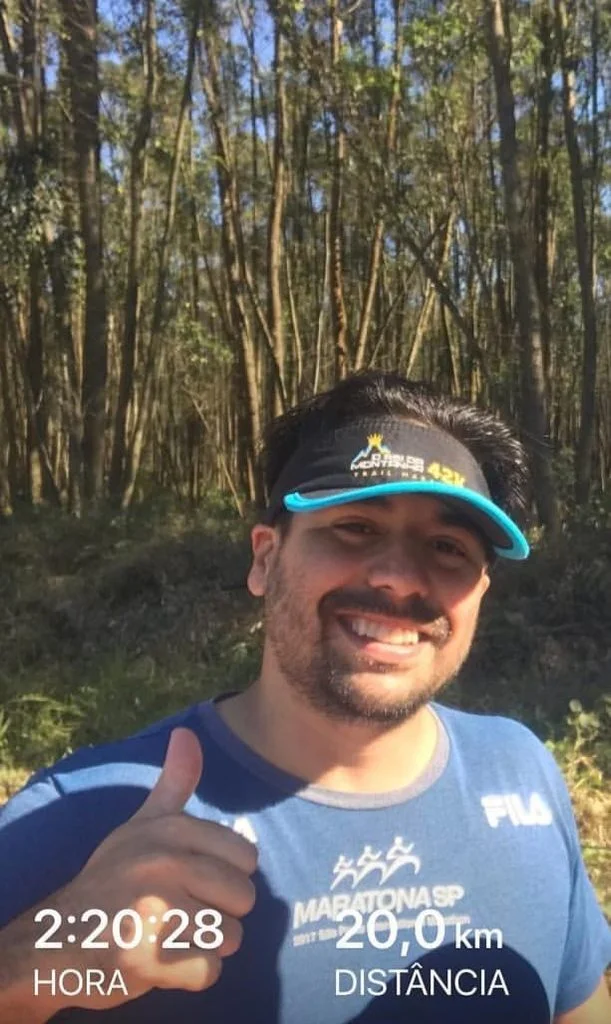
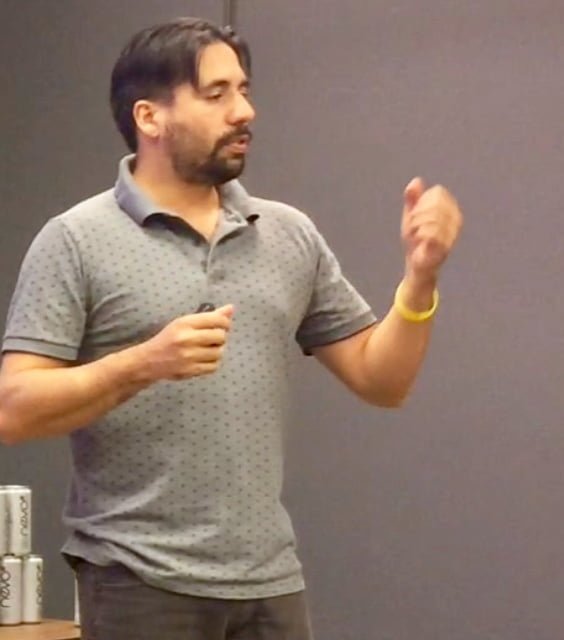
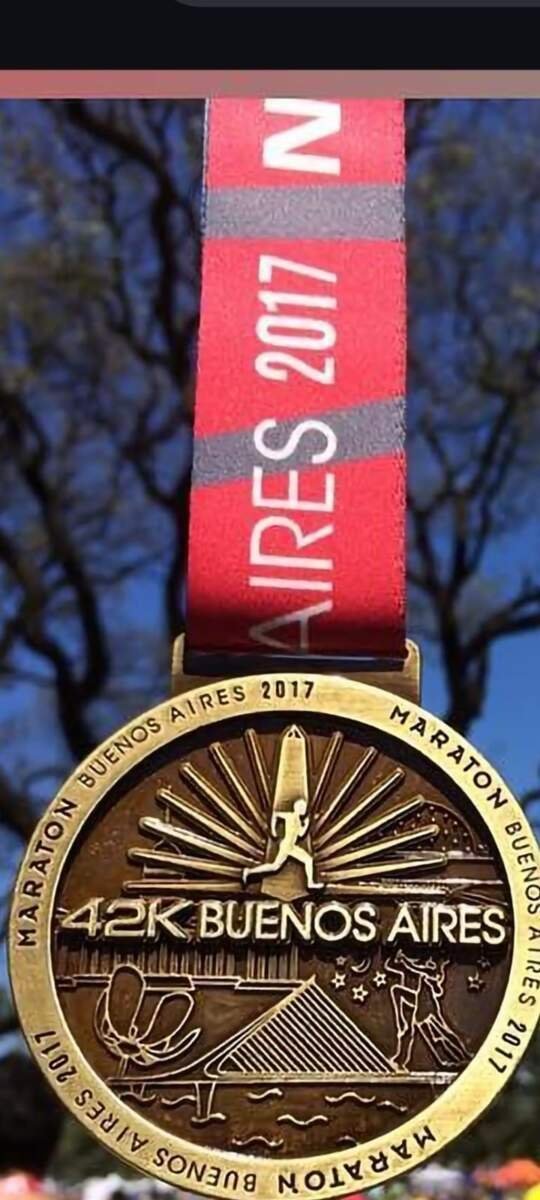
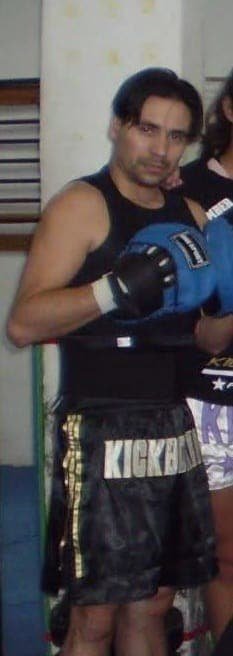
Optimizing the body demands the clinical precision of someone who operated in Radiology (Brazilian Board Certified, CRTR-SP 23595T) for years, combined with the unyielding resilience of someone who conquered multiple 42km+ mountain marathons. As an active professional, multi-pet handler, and tech benchmark researcher, at SkyTC, we bridge advanced technical science with extreme practical environments to help you biohack your active performance, optimize smart pet-tech ecosystems, and protect your structural longevit
Discover my full professional trajectory →✨ Read also: Biohacking Knee Joint Inflammation at Home: The Clinical Recovery Protocol
A deeply technical piece of content that perfectly complements this post — absolutely worth the read.