
You sit at your desk at 2:00 PM, staring blankly at a spreadsheet as a thick, sluggish fog rolls over your brain.
Your coffee has stopped working, your memory is glitching, and your executive decision-making speed has dropped to zero.
If you want to fix cognitive fatigue using simple biological data, you must stop relying on corporate brain-boosting supplements and start tracking raw physiological metrics.
Having spent years looking directly inside the human skeletal and nervous systems as a clinical X-Ray and Computed Tomography (CT) technician, I know that what we call “brain fog” is actually a systemic resource allocation failure [1].
Your brain is an energy-hogging computer that demands massive metabolic support.
When you learn how to measure and respond to your body’s raw biological signals, you will reclaim your mental edge, double your productive hours, and save thousands on useless wellness gimmicks.
In 30 Seconds: The Raw Verdict Stop guessing why you are tired. Cognitive fatigue is driven by autonomic nervous system exhaustion, mitochondrial starvation, and high systemic inflammation.
Track Heart Rate Variability (HRV) and waking resting heart rate first thing in the morning to read your nervous system’s battery status.
Ditch processed seed oils and complex carb-heavy crash meals.
Fuel your brain’s myelin sheath and cellular membranes with clean red meat and its natural fat to build a stable, non-fluctuating cognitive platform.
| Biological Metric | Physiology Tracked | Cognitive Output | Equipment Tier | The Catch (The Hard Negative) |
|---|---|---|---|---|
| Heart Rate Variability (HRV) | Autonomic nervous system balance. | Tells you when to push and when your brain is cooked. | Budget-friendly options | Highly sensitive; a single glass of wine or poor sleep can skew the data for 24 hours. |
| Continuous Glucose Monitoring | Real-time interstitial glucose fluctuations. | Identifies post-meal energy crashes before they cause brain fog. | Premium tier investment | Requires sticking a needle into your arm and wearing a plastic puck for weeks. |
| Sleep Architecture Tracker | Deep and REM sleep cycle duration. | Tracks memory consolidation and mental toxin clearance. | High-end setups | Wearable rings and bands can shift during sleep, giving unreported or highly inaccurate data. |
| Dietary Biomarkers (Ketones) | Cellular fuel preference (Glucose vs Ketones). | Tracks sustainable mitochondrial energy without insulin swings. | Low-grade components | Pricking your finger sucks, and cheap breathalyzer equivalents are completely inaccurate. |
| Red Meat & Fat Calibration | Micronutrient density and lipid balance. | Feeds the brain’s physical myelin sheath and lipid membrane structure. | Mid-tier grocery budget | Requires ignoring decades of bad, corporate-funded agricultural guidelines. |
The Battlefield Assessment of Recovery Gear
Let’s break down the actual performance of common recovery gear.
Every tool has a clinical purpose, but most manufacturers lie about what they can actually do when your brain is completely locked up.
Setup 1: Wearable Smart Rings
The Good: Seamlessly tracks sleep cycles, overnight HRV, and skin temperature changes without a bulky watch strapped to your wrist.
The Bad: The finger-based optical sensors fail the moment your hands get cold or if your fingers swell overnight, resulting in corrupted or completely missed tracking windows.
Setup 2: Continuous Glucose Monitors (CGMs)
The Good: Pinpoints the exact foods that trigger a massive insulin spike and subsequent afternoon executive energy crash.
The Bad: They turn you into a neurotic hypochondriac who fears simple, whole-food carbohydrates and ignores the fact that acute stress raises blood sugar just as much as a slice of bread.
Setup 3: Nootropic Caffeine Stackers
The Good: Temporarily bypasses brain tiredness by blocking adenosine receptors, giving you a fast-acting cognitive surge to finish a presentation.
The Bad: It merely borrows energy from tomorrow.
High-dose stimulants mask the underlying systemic fatigue, eventually frying your adrenal system and leaving you more burnt out than before.
The Realities of the Battlefield
Wearable bio-trackers promise real-time, medical-grade diagnostics of your cardiac and nervous systems right on your wrist.
But when you are pushing through a relentless mountain trail run in freezing rain or sweating through a high-pressure corporate boardroom meeting, these shiny gadgets fail at the algorithmic level.
The sensor glass gets caked in dried sweat, skin temperature readings drop as peripheral blood vessels constrict in the cold, and basic movement artifacts trick the optical light sensor into registering false cardiac spikes.
The marketing videos show flawless, smooth lines of biological recovery on clean dashboard screens.
But the hard negative reality is that consumer-grade hardware relies on heavily smoothed, speculative algorithms to “guess” your recovery status.
This means you are often modifying your daily workload based on a machine’s mathematical hallucination rather than your real physical limits.
The “Data-Obsessed Paralysis” Structural Failure
Let’s analyze a classic post-race habit that ruins your joint health and mental focus: The Data-Obsessed Paralysis.
You wake up feeling fantastic, clear-headed, and ready to dominate a grueling trail workout or lead an important business meeting.
Then, you open your smart ring app and see a “red zone” recovery score because your HRV dropped slightly during a brief sleep interruption.
Suddenly, you mentally shut down.
You cancel your run, baby your body, and complain of fatigue all day solely because a consumer app told you that you were tired.
This is a massive psychological and physical failure.
You must use biological metrics as a passive diagnostic compass, not an absolute ruler that overrides your intuitive sensory feedback.
If your body feels primed but the screen says otherwise, trust the meat-machine first.
A Clinical CT Analyst’s Guide: Fix Cognitive Fatigue Using Simple Biological Data
As a clinical analyst who spent 5 years as an X-Ray tech and 2 years specialized in Computed Tomography (CT scans), I am trained to look past surface-level symptoms and diagnose the underlying structural root cause.
In the CT suite, if we see a fuzzy, low-contrast image, we don’t blame the monitor; we check the physical tube voltage and the structural integrity of the scanner.
Your brain is no different.
Cognitive fatigue is a physical, structural issue.
Under a CT scan, we can’t see “fatigue,” but we can understand the physical vascular pathways that supply oxygen and fat-soluble nutrients to your cerebral tissue [2].
Your brain is over sixty percent fat.
To maintain myelin sheath integrity—the insulation on your brain’s electrical wiring—you need high-quality saturated fats and animal cholesterol [3].
This is why I strongly advocate for a dietary calibration centered on clean red meat and its natural, unprocessed fats.
When you feed your system premium ribeyes, grass-finished beef, and tallow, you provide the exact biological lipids, zinc, iron, and B-vitamins required to rebuild cellular membranes.
This nutritional strategy is the ultimate tactical cheat code I have personally used to survive brutal 42km+ mountain ultramarathons and stay razor-sharp during 12-hour trauma shifts.
The Post-Ultra Knee Recovery Checklist
- Deploy morning HRV tracking to fix cognitive fatigue using simple biological data before you look at your email or drink water.
Insider Observation: Taking a 2-minute reading while still in bed gives you an unpolluted baseline of your autonomic nervous system’s capacity. - Assess your waking resting heart rate to spot early-stage systemic overtraining.
Insider Observation: A spike of 5 to 7 beats per minute above your 7-day average means your body is actively fighting off stress or infection. - Calibrate your nutrition around high-fat red meat to stabilize blood sugar and cognitive output.
Insider Observation: The steady release of ketones and amino acids keeps your brain firing without the brutal insulin crashes caused by carbohydrate loading. - Conduct a simple 10-second orthostatic heart rate test to check your hydration and mineral status.
Insider Observation: Measure your heart rate lying down, then stand up; a spike of more than 20 beats per minute points to low blood volume and a need for real sea salt. - Set up blue-blocking software on all work screens to protect your melatonin synthesis.
Insider Observation: Cheap blue light filters do nothing; you need a physical lens or a total software-level warm shift to stop early evening brain stimulation. - Schedule cold-contrast therapy when your cognitive focus begins to tank.
Insider Observation: A 30-second cold splash on the face stimulates the trigeminal nerve, immediately slowing down your heart rate and boosting alertness. - Ditch raw caffeine after 12:00 PM to preserve deep-stage sleep architecture.
Insider Observation: Even if you can fall asleep with caffeine in your system, it chemically blocks the slow-wave sleep needed for cognitive restoration. - Track your respiratory rate via your wearable overnight metrics.
Insider Observation: A sudden climb in respiratory rate is a highly accurate diagnostic indicator of oncoming respiratory illness or systemic exhaustion. - Implement non-sleep deep rest (NSDR) during your afternoon energy slump.
Insider Observation: A 20-minute guided NSDR protocol restores striatal dopamine levels to baseline, beating any cup of coffee. - Perform a physical tongue check in the morning mirror.
Insider Observation: A thick white coating indicates digestive sluggishness and gut dysbiosis, which directly translates to poor focus via the gut-brain axis. - Ditch the budget-friendly low-grade multi-vitamins that use synthetic minerals.
Insider Observation: Your body cannot absorb cheap magnesium oxide; invest in highly bioavailable magnesium glycinate or threonine instead. - Calculate your personal baseline sleep need rather than blindly shooting for eight hours.
Insider Observation: Many high-performance bodies thrive on exactly 7.5 hours of high-density, uninterrupted sleep cycles.
👇 Looking for more performance cheats? Check out our field-tested tactical guides:
SkyTC Master Hub & Pillar Guides
No-Nonsense Recovery FAQ
Does tracking HRV actually work, or is it just a gimmick?
It works, but only if you track it under identical conditions every single day.
If you measure your HRV after a cup of coffee one day and before it the next, your data is complete garbage.
Use it as a trend line over weeks, not a panic button every morning.
Can I rely on a cheap fitness band to measure my biological data?
No. Bargain-bin accessories use low-grade optical sensors with slow sampling rates.
They cannot accurately capture the millisecond differences between heartbeats required for true HRV analysis.
If you are tracking on a budget, buy a quality chest strap instead.
Why does my cognitive fatigue get worse after eating a heavy lunch?
You are experiencing a postprandial dip caused by high-carbohydrate meals.
Your body dumps blood into your digestive tract and floods your brain with tryptophan, signaling sleep.
Switch to high-fat red meat at lunch to keep blood sugar stable.
Will drinking coffee on an empty stomach destroy my focus later in the day?
Yes. It causes a sharp cortisol spike when your body is already naturally producing it.
This burns out your energy reserve early, leading to a brutal cognitive crash by mid-afternoon.
Wait ninety minutes after waking before taking your first sip.
Are brain-wave headband trackers worth the premium investment?
Most of them are showroom gadget hype.
They are highly sensitive to forehead muscle movement, often tracking your facial tension rather than your actual EEG signals.
Save your resources and focus on raw metrics like resting heart rate and sleep consistency.
How does chronic physical overtraining show up as cognitive fatigue?
Your brain and muscles share the same central nervous system (CNS) pool.
When you overtrain your body, your CNS fatigue directly blunts the prefrontal cortex [4].
This destroys your executive function, working memory, and emotional regulation.
Is there a diagnostic biological metric that instantly predicts a mental crash?
Keep an eye on your resting heart rate paired with a sudden drop in baseline HRV.
When both move in opposite directions—heart rate going up, HRV going down—your autonomic nervous system is fried.
Cancel your high-stress tasks immediately and recover.
Should I buy corporate-formulated brain supplements to stop brain fog?
Absolutely not. They are a massive waste of hard-earned cash.
Most contain underdosed ingredients packed with synthetic fillers that cause gut irritation.
Feed your brain real cholesterol from high-quality animal fat to build healthy cell membranes naturally.
Why Trust SkyTC Biohacking Curation?
At SkyTC, we treat the human body as your most valuable technology. We are not just a recommendation site; we apply a rigorous clinical and practical screening process to ensure that each recommendation optimizes your biology with safety and real-world results.
✓ Technical Expertise:
Clinical experience in Radiology and Tomography (CT scans). We analyze methods through the lens of bone health and structural integrity.
✓ Specialization:
Focus on real-world biohacking. We test every wearable and supplement at the absolute limit of effort during marathons and on the mats.
✓ Authority:
Curation based on absolute transparency, always highlighting both the positive advantages and the real drawbacks of every technology.
✓ Trust:
A curation process built directly on the professional experience of a field practitioner, speaker, and high-performance leader coach.
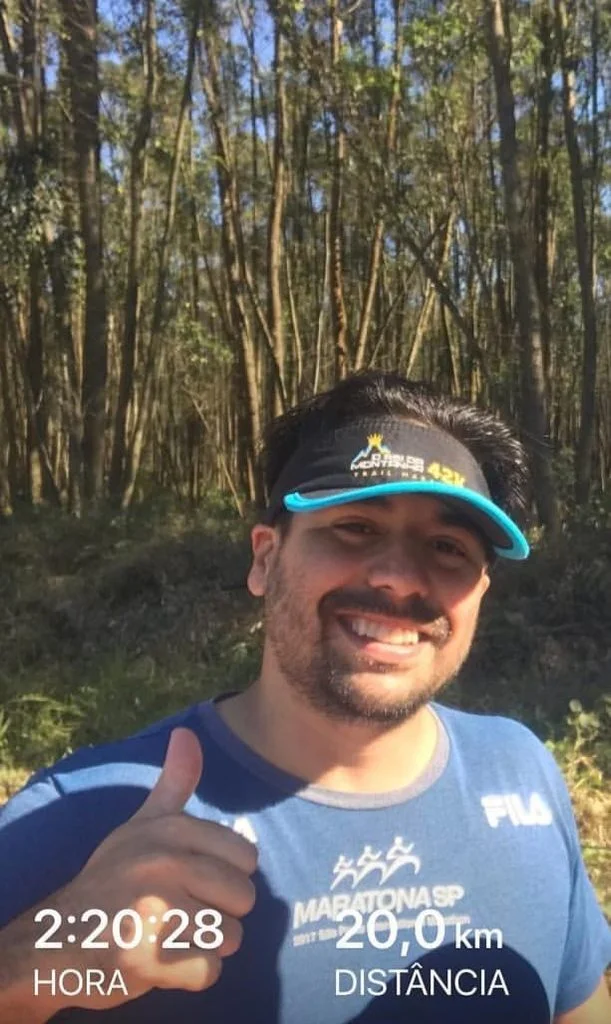
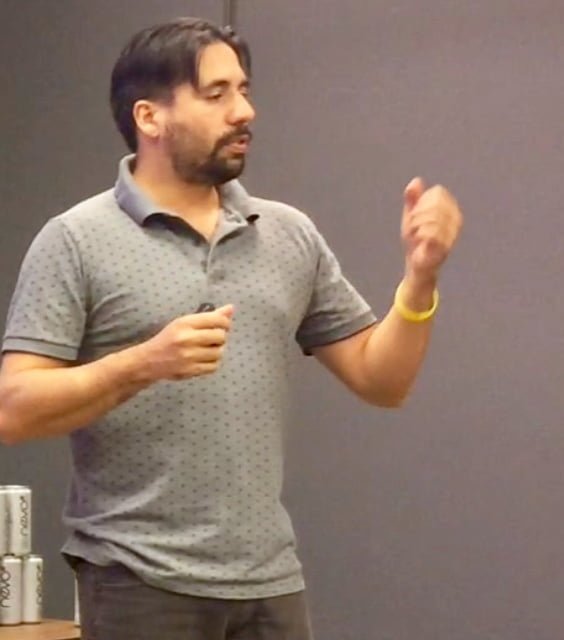


Optimizing the body demands the clinical precision of someone who operated in Radiology (Brazilian Board Certified, CRTR-SP 23595T) for years, combined with the unyielding resilience of someone who conquered multiple 42km+ mountain marathons. As an active professional, multi-pet handler, and tech benchmark researcher, at SkyTC, we bridge advanced technical science with extreme practical environments to help you biohack your active performance, optimize smart pet-tech ecosystems, and protect your structural longevit
Discover my full professional trajectory →✨ Read also: Blood Flow Causes Chronic Brain Fog
A deeply technical piece of content that perfectly complements this post — absolutely worth the read.