
Managing the constant, heavy waste of fancy goldfish can feel like a losing battle, but learning the ins and outs of a comprehensive sump filtration guide for goldfish changes everything by giving you complete control over water volume, biological media capacity, and oxygenation.
As a goldfish hobbyist for over eight years who cares for a massive 100-gallon (400-liter) display, I have tested virtually every filter style available. When I am not stitching intricate custom garments at my sewing bench as a professional seamstress or logging miles on pavement for long-distance marathon training, I am dialing in my aquarium plumbing to keep my water pristine. Goldfish are absolute waste factories, and standard filtration often falls flat when challenged by their heavy bio-load.
Switching to an under-tank basin system eliminates unsightly inline equipment from your main view, triples your biological surface area, and gives you absolute peace of mind knowing your tank stays crystal clear without needing daily emergency maintenance.
In 30 Seconds
Here is the straight-talking bench breakdown:
1. Sumps are the undisputed champions for goldfish waste because they hold massive amounts of mechanical and biological media without clogging.
2. You must use a dual-drain pipe system (like a Herbie or Bean Animal setup) to guarantee silent operation and emergency flood protection.
3. Filter socks trap fine detritus fast, but they overflow quickly if you do not wash them regularly.
4. Size your DC return pump to turn over your entire tank volume at least 6 to 10 times per hour.
5. Bottom line: If you want pristine water parameters for heavy waste producers, build a sump basin; just make sure your siphon break holes are drilled correctly so you do not flood your floor during a power outage.
Why Goldfish Need Heavy-Duty Sump Filtration
Goldfish lack a true biological stomach. Food passes through their digestive system rapidly, leaving behind large quantities of solid waste and dissolved ammonia. Standard hang-on-back filters or small canisters clog quickly under this debris, choking flow rates and causing ammonia spikes that burn sensitive gill tissue.
A sump basin located under the aquarium acts as an additional water reservoir. Adding a 30-gallon sump to a 100-gallon display increases your total system volume to 130 gallons (520 liters). That extra water buffers against dangerous parameter shifts and gives you massive room for specialized bio-media.
Furthermore, fancy goldfish with delicate, rounded body shapes suffer from swim bladder troubles when subjected to harsh, directional current inside the display. A sump allows you to process thousands of gallons of water per hour underneath the stand while returning water to the main tank gently across wide spray bars or dual outlets.
The Reality of the Battlefield
Aquarium equipment manufacturers love selling glossy promises of whisper-quiet sumps and maintenance-free plumbing. In real life, gear breaks, finish flakes off, and marketing claims crash hard.
Acrylic sump basins offer beautiful, glass-like transparency and lightweight handling, but cheap acrylic baffles expand under constant water pressure, bowing out of alignment and snapping their glued seams after months of continuous use. Similarly, pre-drilled glass overflow boxes deliver incredible surface skim potential, however cheap bulkheads ship with brittle rubber gaskets that harden, crack, and slow-drip water inside your wooden stand, rotting the floorboards before you even spot the leak.
Plumbing check valves promise to prevent back-siphoning into your sump during a power outage, but tiny snail shells or stray gravel particles easily lodge under the internal flapper, holding the valve propped open and allowing dozens of gallons of water to flood directly onto your living room rug.
Mastering the Sump Filtration Guide for Goldfish
To construct a bulletproof sump, you need to understand how water moves through three primary functional chambers: mechanical separation, biological processing, and return delivery.
Chamber 1: Mechanical Separation
Raw water draining from the main aquarium enters the mechanical chamber first. For goldfish, 200-micron felt or mesh filter socks trap coarse food particles and heavy poop before it settles. High-density mechanical foam pads placed vertically can also trap debris without restricting water flow as quickly as felt socks.
Felt socks leave your display water ultra-clear like polished glass, however they clog within three days of heavy feeding, forcing dirty water to bypass over the top rim if you fail to swap them out for fresh ones.
Chamber 2: Biological Reactor
Once water passes through mechanical barriers, it enters the bio-chamber. This area houses your biological media, such as sintered glass rings, porous ceramic blocks, or fluidised moving bed plastic media (K1/K3). Aerobic bacteria convert lethal ammonia into nitrite, and subsequently into far less harmful nitrate.
Fluidised moving bed media stays self-cleaning because air bubbles churn the plastic media continuously, but the air pump noise required to agitate the bed creates a constant, irritating hum inside your cabinet.
Chamber 3: Return Chamber and Equipment Base
The final chamber holds your return pump, auto-top-off float sensors, and inline heaters. Pushing clean water back into the main display completes the loop. Submersible electronic DC return pumps allow you to adjust flow rates digitally down to the exact percentage needed.
Electronic DC pumps feature convenient feed modes and ultra-quiet motor drives, however their power adapter bricks run extremely hot and can burn out suddenly if placed in unventilated cabinet spaces.
Sump vs Canister Filters for Large Aquariums
Choosing between a high-capacity canister filter and an open sump basin comes down to maintenance access, water volume, and plumbing complexity.
Canister filters feature sealed, pressurized bodies that fit neatly under small stands without visible plumbing, but disconnecting heavy, water-logged hoses to clean dirty sponges in a bathroom sink is an awkward, back-breaking chore that leads hobbyists to postpone essential maintenance.
Sump basins offer an open-top design that makes swapping filter floss or cleaning bio-media effortless without disconnecting a single hose, however the open water surface increases indoor humidity and speeds up evaporation, requiring daily water top-offs.
Hypothetical Error Scenario: The Overflow Disaster
Imagine a hobbyist named Mark who buys a secondhand 100-gallon aquarium and decides to add a sump. Mark installs a single drain line without an emergency backup pipe, feeling confident that his plumbing will work fine. He feeds his hungry fancy goldfish floating pellets every morning.
One afternoon, an overgrown piece of stray aquarium plant stems floats down the drain pipe, lodging tightly inside the narrow ball valve. Water stops flowing down to the sump at the normal rate, but Mark’s powerful return pump keeps shoving water up into the main tank at full blast.
Within four minutes, the main tank overflows its top rim, spilling forty gallons of water onto his hardwood floor while the return pump chamber runs completely dry, melting the pump motor impeller in a cloud of acrid smoke. Mark could have completely avoided this nightmare simply by installing a dual-pipe overflow system with a dedicated, un-valved emergency drain line.
Comparative Table of Sump Chamber Media Types
| Media Category | Primary Benefit | Hard Reality Drawback | Maintenance Frequency |
|---|---|---|---|
| Felt Filter Socks | Traps micro-particles easily | Clogs rapidly under heavy feeding | Every 3 to 5 Days |
| Coarse Sponge Block | High flow rate durability | Allows fine poop particles through | Monthly Rinsing |
| Porous Ceramic Blocks | Massive surface area capacity | Crumbles into powder if dropped | Bi-Yearly Rinse |
| Fluidised Moving Bed | Self-cleaning media motion | Requires loud air pump aeration | Zero Maintenance |
Troubleshooting Checklist
- Keep this sump filtration guide for goldfish bookmarked whenever you need to re-balance your drain lines or quiet down noisy plumbing.
- Drill a tiny siphon-break hole in your return pipe right below the waterline to stop back-siphoning during power loss.
- Install an emergency secondary drain pipe that sits slightly higher than your main gate valve line.
- Place a vibration-dampening silicone mat beneath your return pump to kill cabinet hum.
- Test your sump water capacity by unplugging the return pump and letting the display drain fully into the basin.
- Use precision PVC gate valves rather than cheap ball valves to make micro-adjustments to water height.
- Secure all flexible vinyl hose connections with stainless steel or plastic hose clamps.
- Clean mechanical filter socks using pure bleach in a washing machine, letting them dry completely before reuse.
- Top off evaporated sump water strictly with fresh reverse osmosis or dechlorinated water to avoid salt creep.
- Keep air pump check valves installed above the water line to avoid reverse water flow into electrical sockets.
- Inspect rubber bulkhead seals every six months for drying, cracking, or mineral buildup leaks.
👇 Looking for more performance cheats? Check out our field-tested tactical blueprints:
The Goldfish Ecosystem Blueprint
Complete your advanced technical training loop by exploring our core evergreen resources.
How to Feed Goldfish for Maximum Lifespan
A deep breakdown of digestive tract mechanics, bloating prevention, and premium sinking diets.
How to Maintain a 100 Gallon Goldfish Tank
Large-scale system parameters. Deep sand bed mechanics, nitrogen cycling, and bioload management.
Ultimate Guide to Goldfish Tank Filtration
Heavy-duty hardware configurations. Optimizing parallel canisters, bio-media setups, and automation.
Frequently Asked Questions
Is a sump filter too noisy to keep in a bedroom or living room?
Not if you plumb it right. Single-pipe drain systems roar like a flushing toilet, but dual-pipe Herbie or triple-pipe Bean Animal drains run completely silent. By tuning a gate valve so the main drain operates under full siphon with zero trapped air, the water glides down silently without a single gurgle.
Will my fancy goldfish get pulled down the overflow box into the sump?
Not if you install surface skimmer teeth or mesh guards across the overflow weir. Fancy goldfish are slow swimmers, but wide intake slots distribute suction evenly so fish can swim right past without getting trapped. Never leave open pipe standpipes exposed inside the main display without protective strainer caps.
Do I really need filter socks, or can I just use mechanical foam pads?
You can use foam pads, but filter socks capture far more fine debris before it enters your bio-chamber. Foam pads are easier to rinse out under a faucet, but felt socks polish water much better. If you hate washing socks every few days, go with coarse foam layers placed in an easily accessible baffle track.
What turnover rate do I need for a goldfish sump setup?
Aim for a real-world flow rate of 6 to 10 times your main tank’s volume per hour. For a 100-gallon aquarium, you want 600 to 1,000 gallons per hour actually moving through the sump. Account for head height pressure loss when picking your return pump, as pumping water four feet up cuts flow significantly.
Why is my return pump spraying fine microbubbles into my main display tank?
Microbubbles mean your return pump chamber water level is too low, or water is cascading over the final baffle too aggressively and trapping air. Raise the water level in your return section, slow down your pump slightly, or insert a bubble-trap sponge between the final baffles to catch floating air pockets.
Can a sump basin flood my home if the power goes out suddenly?
Only if you overfill your sump or fail to install siphon breaks. When the pump stops, water from the main tank drains down until the water level drops below the overflow weir and return outlets. As long as your sump basin has enough empty air space to hold that back-drained volume, it will never flood.
Is moving bed media like K1 better than static ceramic rings for goldfish?
Moving bed media handles high ammonia loads exceptionally well because continuous friction sloughs off old bacterial growth, keeping the media operating at peak biological efficiency. However, porous ceramic blocks hold far more anaerobic bacteria in quiet zones for nitrate reduction. Using both in separate chambers gives you the ultimate combination.
How often do I need to scrape out debris from the bottom of the sump basin?
If your mechanical filter socks or foam pads are doing their job, very little detritus reaches the bottom floor. Vacuum out settling chambers using a siphon hose every three to six months during routine water changes. Keeping the sump floor clean stops hidden sludge from decomposing into nitrates.
🛡️ │ WHY TRUST SKYTC GOLDFISH CARE CURATION?
At SKYTC, we hold aquatic ecosystem biology and biological parameter handling to a rigorous standard. We are not an automated affiliate review engine; we apply hands-on tests and serious filtration engineering workflows to ensure every recommendation guarantees the health and maximum lifespan of your fish with absolute safety.
✓ Engineering:
Structural experience backed by heavy-duty filtration math, continuous hydraulic turnover metrics, and robust mechanical support for large-scale coldwater systems.
✓ Expertise:
Focuse on preventative biological husbandry and premium nutrition. Thoroughly auditing biological media, sinking feeds, and elements that completely neutralize ammonia spikes.
✓ Authority:
Curation signed by real keepers running a balanced 100-gallon display ecosystem for over 8 years, pairing daily practical benchwork with direct wholesale breeder insights.
✓ Trust:
Product selections built on unfiltered transparency—exposing actual electrical draws, heat dissipation issues, and hidden costs before any Amazon recommendations.
📸 Our Journey in the Real World
From daily living room tank turn rates to macro-scale breeding setups.
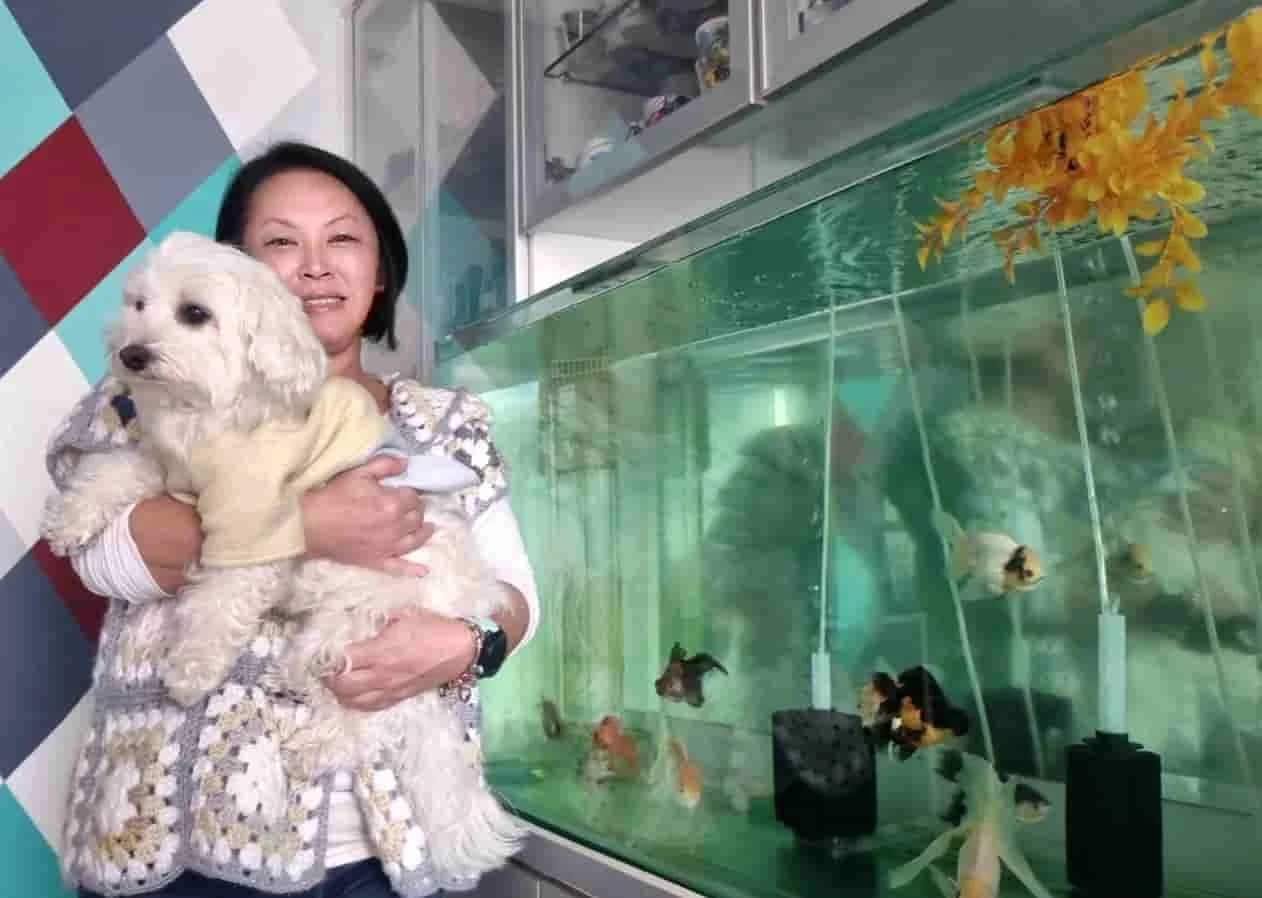
🏠 The 100G Lab
Where we torture test every hardware option, pellet line, and filter layout live.

🏃♀️ Grit & Eye
Marathon endurance meets the precise, millimeter structural focus of a seamstress.
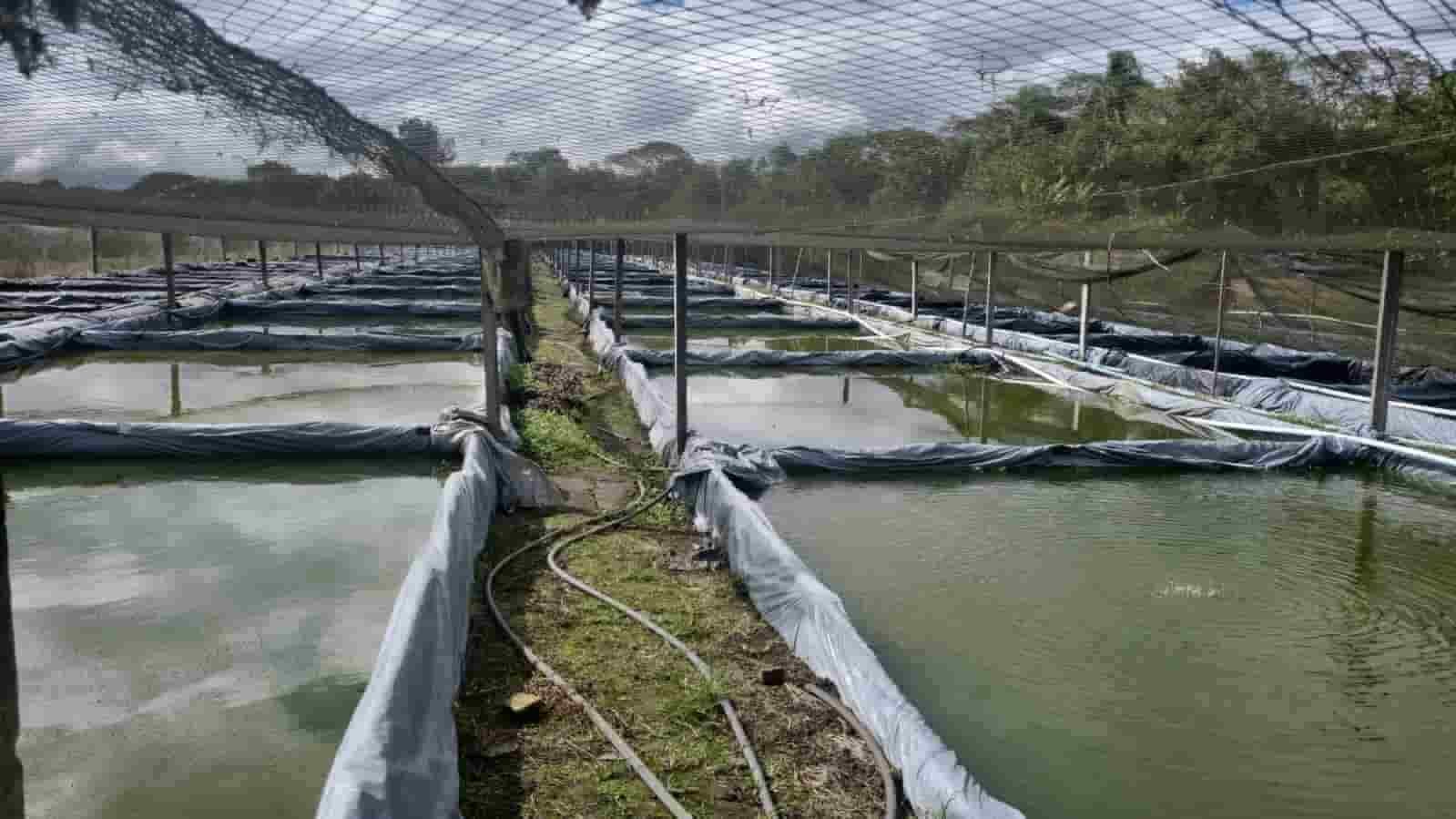
🐳 Monster Vats
Analyzing massive continuous turnovers inside large open-air mud farm vats.
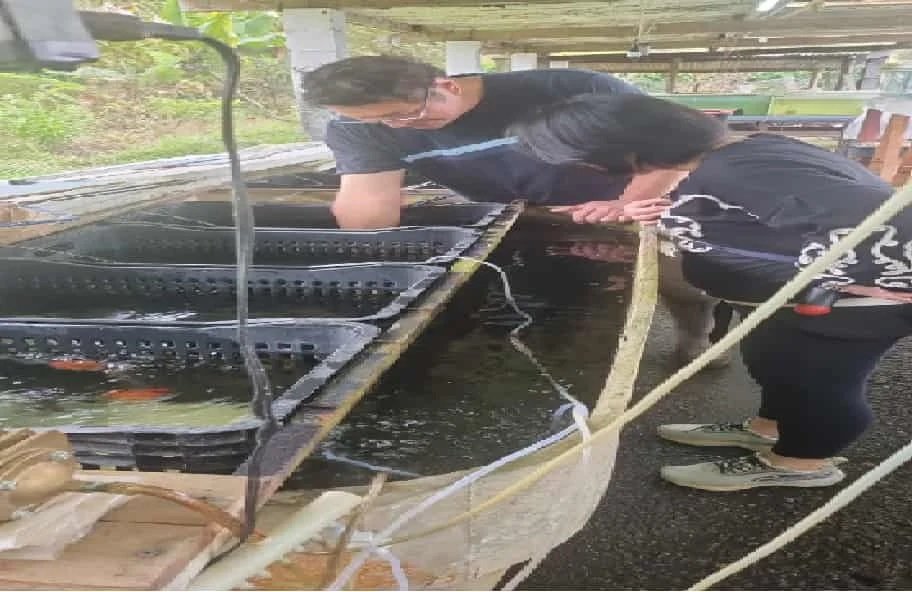
🤝 True Alliances
Working hand-in-hand with regional facility operations to target elite fancy bloodlines.
Read also: How to Prime a Canister Filter Fast
A deeply technical piece of content that perfectly complements this post — absolutely worth the read.