
When you feel a sharp, stabbing heat behind your kneecap five miles into a mountain trail run, you are looking at a classic structural lie. Understanding how lack of ankle mobility destroys runner knees is the fundamental difference between building an unbreakable lower kinetic chain or suffering early-onset patellofemoral osteoarthritis. As an amateur ultra runner, former competitive kickboxer, and former clinical CT scan technician, I have spent seven years analyzing cross-sectional diagnostic imaging to see how ankle joint stiffness creates destructive torsional forces across human knees.
Most runners blame their knees directly when joint pain strikes. They waste money on high-priced knee braces, Cortisone shots, and plush maximalist shoes, completely blind to the reality that the knee is just an innocent hinge caught between a stiff ankle and a weak hip.
When your talocrural joint loses dorsiflexion, your foot is forced to overpronate to clear the ground during mid-stance, driving destructive rotational torque into your patellar cartilage. By unblocking your ankle joint mobility and nourishing your connective tissue with bioavailable fats, you can eliminate knee friction instantly, save money on physical therapy, and protect your joints for decades of trail running.
30-Second Summary: The Tactical Counter Verdict
Look, stop blaming your knees for a failure happening six inches lower. The knee is a simple hinge joint that relies on the ankle to absorb dorsiflexion load during mid-stance. When your ankle mobility is blocked by stiff calves or scar tissue, your body compensates by collapsing your arch inward, creating severe valgus torque and tearing patellofemoral cartilage. To fix this, restore ankle dorsiflexion, stop using artificial heel lifts, and rebuild worn joint collagen with clean red meat and its natural fats. Fix the ankle mechanics before your kneecap wears down to raw bone.
Ankle Mobility & Kinetic Strain Evaluation
Let’s evaluate how different ankle mobility profiles and footwear setups impact patellofemoral joint stress and kinetic force distribution.
| Ankle Setup / Mobility Profile | Patellofemoral Shear Load | Mid-Stance Overpronation | Kinetic Force Distribution | Joint Longevity Score |
|---|---|---|---|---|
| Full Dorsiflexion (35°+) + Zero-Drop | Minimal / Optimal | Controlled | Absorbed by Achilles / Calf | Exceptional / Sustainable |
| Restricted Ankle (Restricted Talus) | Severe / Critical | Excessive (Compensatory) | Shear Torque on Patella | Poor / Rapid Cartilage Wear |
| High Heel-Drop Maximalist Shoes | High (Hidden Shock) | High (Lateral Tilt) | Transferred to Quadriceps | Poor / Deceptive Strain |
| Tight Gastroc-Soleus Complex | Severe | Moderate to High | Braking Impact at Heel | Low / High Tendon Friction |
| Rigid Compression Ankle Braces | Unreported | Restricted (Forced Upward) | Unreported / Knee Compensates | Varies by Model |
Battlefield Assessment: Evaluating Ankle-to-Knee Solutions
1. High-Heel Drop Running Shoes
The Good: Artificially compensates for poor ankle dorsiflexion, allowing you to run without feeling immediate tightness in your Achilles tendon.
The Bad: It shortens your calf muscles permanently, worsens long-term ankle stiffness, and shifts peak impact forces directly into your knee joints.
2. Aggressive Ankle Band Distractions & Mobilization
The Good: Mobilizes the talus bone backward inside the ankle mortise, immediately freeing up several degrees of restricted dorsiflexion.
The Bad: If executed with incorrect resistance or bad joint angle, you can irritate the anterior ankle capsule and cause localized impingement pain.
3. Connective Tissue Nutrition (Clean Red Meat & Tallow)
The Good: Provides essential glycine, proline, and bioavailable saturated fats needed to repair micro-tears in joint cartilage and retinaculum.
The Bad: Consuming low-grade processed meats cooked in industrial seed oils will trigger systemic inflammation and worsen joint stiffness on trails.
The Realities of the Battlefield
The athletic shoe industry sells heavily cushioned shoes with dramatic heel-to-toe drops promising to protect runners from joint fatigue. But the hard negative reality is that artificially raising your heel masks restricted ankle dorsiflexion while locking your calf muscles in a shortened state. When you step onto technical mountain trails, this lack of mobility forces your foot to tilt outward or collapse inward, driving destructive torsional shear straight into your meniscus.
High-priced knee sleeves and patellar straps claim to stabilize the kneecap and eliminate runner’s knee pain during downhill running. But under real battlefield conditions—steep scree descents, wet mud, and thirty-mile mountain ultramarathons—these neoprene sleeves slide down wet skin and do zero to fix the underlying ankle restriction. You cannot band-aid a fundamental mechanical force vector.
In my years examining CT scans and diagnostic radiographs, I have seen the physical evidence of joint space narrowing caused by compensatory movements. Synthetic collagen powders advertise rapid joint recovery, but the brutal truth is that isolated plant-based or low-grade supplements pass through your digestive system unabsorbed. Real joint restoration requires dense biological building blocks found in clean red meat and its natural fats to rebuild damaged cartilage matrix.
The Hypothetical Failure Scenario: The Downhill Meniscus Tear
Consider Runner Mark. Mark has tight calf muscles and restricted ankle dorsiflexion from years of sitting at a desk and wearing elevated dress shoes. He decides to enter a technical twenty-five-kilometer mountain trail race.
At mile twelve, Mark hits a steep, rocky downhill descent. Because his ankles cannot flex far enough forward to absorb his body mass, his central nervous system forces his feet to flare outward (duck-footed) and collapse inward at mid-stance.
With every step down the mountain, Mark’s kneecap is yanked out of its femoral groove, creating extreme rotational friction. By the finish line, Mark’s knee is swollen like a grapefruit. Diagnostic CT scans reveal severe patellofemoral cartilage erosion and a lateral meniscus tear. Mark’s knee didn’t fail because it was weak—it failed because his stiff ankles forced his knee to act like a universal joint.
👇 Looking for more performance cheats? Check out our field-tested tactical guides:
SkyTC Master Hub & Pillar Guides
Actionable Execution Checklist on How Lack of Ankle Mobility Destroys Runner Knees
- Understand how lack of ankle mobility destroys runner knees now.
Pro-Tip: Stop treating kneecap pain in isolation and focus on restoring ankle dorsiflexion to eliminate destructive rotational shear forces. - Test your ankle dorsiflexion with the knee-to-wall assessment.
Pro-Tip: Position your big toe four inches from a wall; if your knee cannot touch the wall without your heel lifting, your ankle is dangerously restricted. - Mobilize your talus bone using heavy resistance band distractions.
Pro-Tip: Pulling the talus posteriorly during knee flexion frees up blocked joint gliding, restoring natural ankle range of motion instantly. - Fuel joint cartilage repair with clean red meat daily.
Pro-Tip: Bioavailable glycine, proline, and natural animal fats provide the exact amino acid scaffold needed to rebuild worn patellofemoral cartilage. - Perform eccentric calf drops on a raised step daily.
Pro-Tip: Eccentric loading lengthens the gastrocnemius-soleus complex, removing mechanical tension that pulls on your Achilles tendon and locks your ankle. - Transition gradually toward lower heel-to-toe drop footwear.
Pro-Tip: Lowering your shoe drop forces your ankle to work through its natural range of motion, re-educating your lower leg muscles. - Smash tight plantar fascia tissue with a hard lacrosse ball.
Pro-Tip: Plantar fascia tightness connects directly into your Achilles tendon; releasing foot tissue improves overall ankle dorsiflexion mobility. - Avoid wearing rigid knee braces to fix gait mechanics.
Pro-Tip: External braces provide false security while doing nothing to resolve the upstream and downstream joint restrictions causing patellar friction. - Shorten your running stride and increase cadence to 175+.
Pro-Tip: Taking faster, shorter steps prevents overstriding, keeping your foot strike directly beneath your hips and reducing knee impact forces. - Strengthen your gluteus medius with heavy lateral band walks.
Pro-Tip: Strong hip abductors prevent your knee from collapsing inward when ankle stiffness forces compensatory foot pronation during mid-stance. - Discontinue using bargain-bin synthetic joint supplements immediately.
Pro-Tip: Replace low-grade inorganic pills with real nutrient-dense food like bone broth and clean red meat for superior bioavailable collagen absorption.
Dynamic No-Nonsense FAQ
Why does stiff ankle mobility cause sharp knee pain?
Because the knee is a hinge joint designed primarily for flexion and extension. When your ankle lacks dorsiflexion, your foot collapses inward to clear the ground, forcing your knee to twist under heavy impact load.
Can thick maximalist running shoes fix ankle mobility issues?
No. Thick foam shoes merely hide the sensory impact shock while worsening ankle instability. They allow you to run on a broken mechanical system until cartilage destroys itself.
How does clean red meat help repair worn knee joint tissue?
Cartilage and ligaments require bioavailable proline, glycine, and fat-soluble vitamins to rebuild collagen matrix. Clean red meat and natural animal fats deliver these essential building blocks without insulin spikes.
How many degrees of ankle dorsiflexion do runners need?
You need at least 35 to 40 degrees of passive ankle dorsiflexion to run efficiently without driving compensatory rotational torque into your kneecap.
Are Cortisone injections a good long-term fix for runner’s knee?
No. Cortisone is a short-term anti-inflammatory band-aid that actually degrades tendon tissue and cartilage over time. It masks pain while your broken ankle mechanics continue to destroy the joint.
How long does it take to restore restricted ankle mobility?
Expect four to eight weeks of daily joint mobilization, soft tissue release, and eccentric calf loading to permanently improve ankle dorsiflexion range.
Should I wear high heel-drop shoes if I have ankle stiffness?
Only as a short-term temporary measure. High heel-drops keep your calf muscles in a permanently shortened state, making your underlying ankle stiffness worse over time.
What is the single best test for ankle mobility at home?
The weight-bearing knee-to-wall test. Place your foot four inches from a wall and push your knee forward; if your heel lifts off the floor before your knee touches, your mobility is severely compromised.
Why Trust SkyTC Biohacking Curation?
At SkyTC, we treat the human body as your most valuable technology. We are not just a recommendation site; we apply a rigorous clinical and practical screening process to ensure that each recommendation optimizes your biology with safety and real-world results.
✓ Technical Expertise:
Clinical experience in Radiology and Tomography (CT scans). We analyze methods through the lens of bone health and structural integrity.
✓ Specialization:
Focus on real-world biohacking. We test every wearable and supplement at the absolute limit of effort during marathons and on the mats.
✓ Authority:
Curation based on absolute transparency, always highlighting both the positive advantages and the real drawbacks of every technology.
✓ Trust:
A curation process built directly on the professional experience of a field practitioner, speaker, and high-performance leader coach.
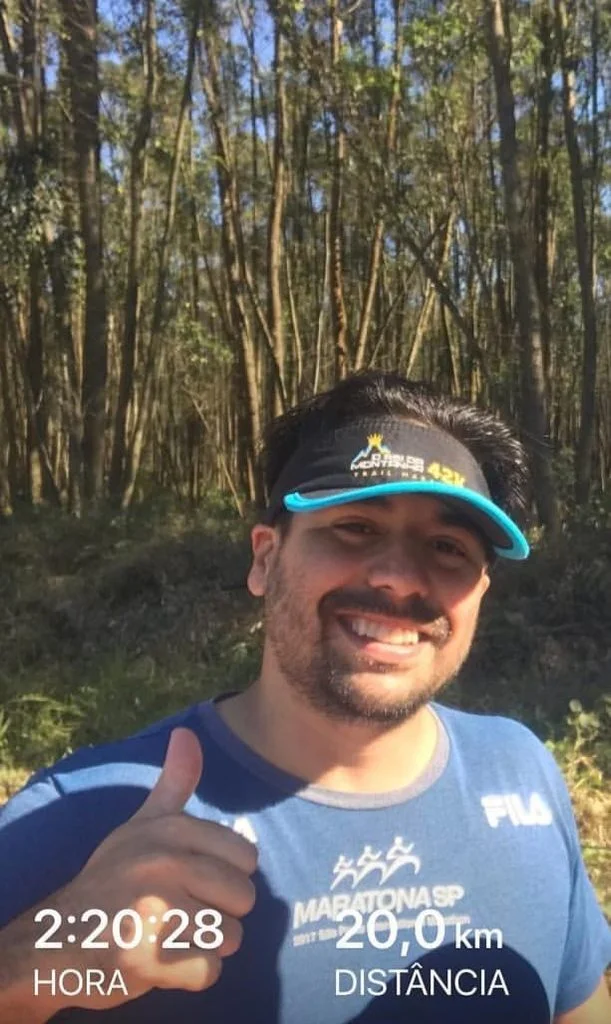

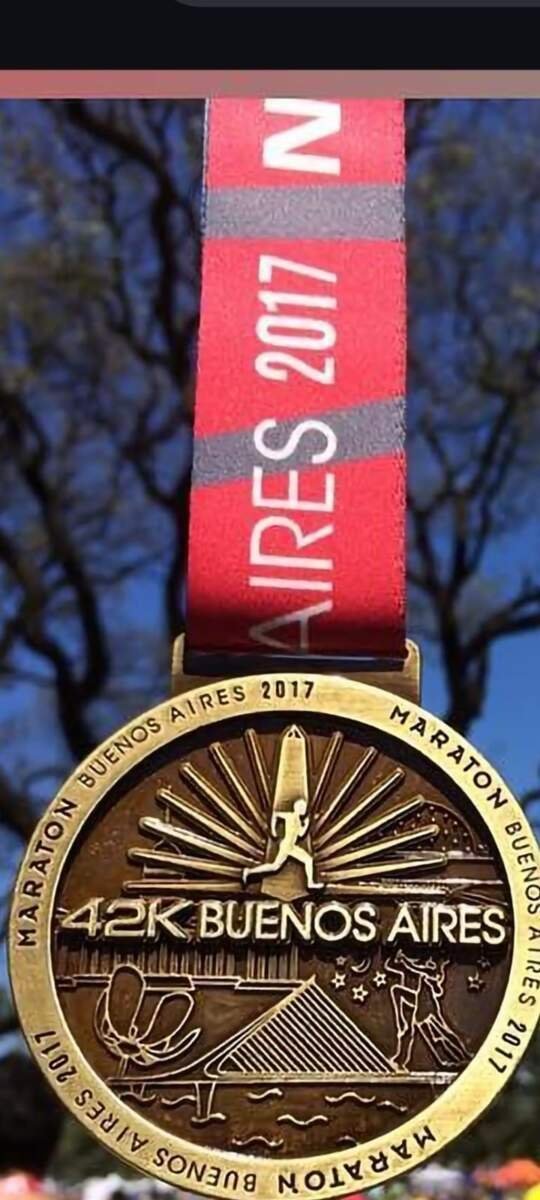
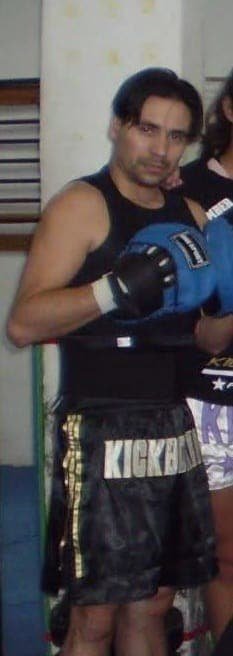
Optimizing the body demands the clinical precision of someone who operated in Radiology (Brazilian Board Certified, CRTR-SP 23595T) for years, combined with the unyielding resilience of someone who conquered multiple 42km+ mountain marathons. As an active professional, multi-pet handler, and tech benchmark researcher, at SkyTC, we bridge advanced technical science with extreme practical environments to help you biohack your active performance, optimize smart pet-tech ecosystems, and protect your structural longevit
Discover my full professional trajectory →✨ Read also: (The Connection Between Foot Strike and Knee Wear)
A deeply technical piece of content that perfectly complements this post — absolutely worth the read.