
Executing a real-time goldfish twitching symptoms fix is the single most urgent task you will face when your fish starts violently jerking its fins, flicking its body against rocks, or twitching like it is receiving electric shocks. Goldfish should glide smoothly through the water column, not shudder erratically like their nervous system is collapsing under assault.
It is terrifying to stand in front of your glass tank and watch your fancy or single-tail goldfish shudder, shake its head violently, or bolt across the gravel in sudden frantic bursts. Most beginners panic, run to a big-box pet store, and dump useless all-in-one chemical drops into the water, which only burns the fish’s gills and destroys the tank’s biological filter.
Diagnosing the exact physical or neurological trigger behind twitching movements restores calm, effortless swimming to your aquarium almost immediately. Mastering water parameters, parasite cycles, and electrical safety saves you from tragic livestock losses, protects your beneficial bacteria, and keeps your heavy-bioload setup thriving for years.
In the 30-Second Summary: The Fishroom Desk Verdict
Look, here is the raw, unfiltered truth straight from my 100-gallon fishroom bench: goldfish do not twitch or flick their fins for fun. Twitching is an involuntary neuromuscular reaction caused by four exact culprits: microscopic skin or gill flukes tearing at their tissue, stray electrical current leaking from a cracked submerged heater, toxic ammonia or pH shock scorching their nerve endings, or heavy water current blowing them around uncontrollably.
Your emergency protocol is simple: test for stray voltage in the water with a digital multimeter, check raw water parameters with a liquid master test kit (ammonia and nitrite must be zero), dose a safe antiparasitic like Praziquantel for invisible flukes, and baffle high-flow filter outlets. Stop throwing random cure bottles at your tank and start treating the real root cause.
| Twitching Trigger Category | Neurological & Physical Mechanism | Primary Visual Symptom | Field Diagnostic Test | Battlefield Verdict |
|---|---|---|---|---|
| Gill & Skin Fluke Parasites | Microscopic Trematode Hook Anchor Scrapes | Head Shaking, Body Flashing, Fin Flicking | Microscope / Praziquantel Response | The primary culprit for sudden fin-flicking and body twitching. |
| Stray Voltage Current Leakage | AC Voltage Interruption of Nerve Impulses | Erratic Body Muscle Spasms, Sudden Bolting | Digital Multimeter (AC Volt Probe) | A silent hazard that electrocutes fish slowly; inspect heaters instantly. |
| Ammonia & pH Shock Spikes | Chemical Burns on Gill Nerves & Slime Coat | Gasping, Clamped Fins, Violent Shivering | Liquid Master Parameter Kit | Extremely dangerous; requires immediate temperature-matched water shifts. |
| High Filter Velocity Stress | Physical Muscle Fatigue & Turbulence Pressure | Drifting Backward, Sudden Jerking Swims | Visual Outflow Rate Inspection | Fancy breeds cannot handle high-flow powerheads; baffle your return lines. |
Evaluating Twitching Triggers: Battlefield Assessments
1. Microscopic Fluke Parasites (Dactylogyrus & Gyrodactylus)
The Good: Parasitic flukes are easily eliminated using targeted, reef-safe medications like pure Praziquantel, which wipes out the parasites without damaging your beneficial biological filter media.
The Bad: Flukes are completely invisible to the naked eye. Beginners often mistake parasitic head-shaking and fin-flicking for “playful energy,” allowing the infestation to multiply until the fish’s gill tissue is shredded.
2. Stray Electrical Voltage Leakage
The Good: Instantly isolatable using a standard digital multimeter. Unplugging the failing heater or submersible pump stops the physical muscle shocks immediately.
The Bad: Micro-cracks in submerged heater glass or degraded rubber pump seals leak AC current into the water column continuously, causing chronic neurological stress without leaving visible marks on the fish’s skin.
3. Ammonia Toxicity & Osmotic pH Shock
The Good: Quickly corrected by executing large, temperature-matched water changes treated with a high-grade tap water conditioner.
The Bad: Rapid pH swings or raw ammonia spikes burn the delicate mucous membranes and nerve endings along the goldfish’s lateral line, causing permanent neurological twitching if left uncorrected for days.
Goldfish Twitching Symptoms Fix: The Realities of the Battlefield
Big-box pet stores love selling shiny plastic starter tanks, cheap glass heaters, and colorful “all-in-one” medication bottles.
BUT
Real-world aquatic biology proves that low-grade equipment and uncalibrated water conditions create constant physical stress that triggers violent nerve twitching in fancy goldfish.
A single heavy-bioload fancy goldfish excretes immense amounts of solid waste and pure ammonia through its gills daily. When beginners place these animals into uncycled tanks with cheap filters, ammonia levels skyrocket, scorching the fish’s lateral line—the primary sensory organ that detects water movement—and causing severe, involuntary body spasms.
Building neuromuscular resilience and physical stamina in a heavy-bioload aquarium requires strict operational discipline, just like training for long-distance marathon running. If you try to fuel a long-distance runner on low-grade processed junk food, sugary fillers, and synthetic snacks, their physical performance collapses, their nervous system suffers fatigue, and their stamina vanishes mid-race. Conversely, fueling your physical engine with clean, nutrient-dense grass-fed meat and its natural fat provides sustained cellular energy, dense muscle tissue, and unyielding physical power. Feeding your goldfish cheap, air-filled flake food acts like junk food in your aquarium—causing digestive buoyancy stress and metabolic weakness—while high-protein sinking pellets and clean, unpolluted water parameters give your fish the structural vitality to glide smoothly without twitching.
Equipment failure is another major battlefield hazard. Cheap submerged glass heaters often develop hairline fractures along the heating element seal, leaking micro-currents of AC electricity directly into the water column.
Because the aquarium sits on an insulated stand, the current travels through the fish’s body to ground out whenever you dip your hand into the tank or touch the metal frame, keeping the fish in a state of continuous, violent nerve shock.
Hypothetical Failure Scenario: The Stray Voltage & Chemical Trap
Consider a beginner who notices their prized Ranchu goldfish suddenly twitching its pectoral fins, flicking its body against river stones, and bolting erratically across the glass. Panicking, the owner assumes the fish has a bacterial skin infection.
Instead of testing the water parameters or checking the tank equipment, the owner buys three different commercial “cure-all” chemical bottles at the pet store and dumps them all into the tank simultaneously. The heavy chemical cocktail strips dissolved oxygen out of the water column and crashes the tank’s biological filter, causing a massive ammonia spike.
To make matters worse, the underlying cause of the twitching was never a bacterial infection at all—it was a cheap, cracked glass heater leaking stray AC current into the water. The combination of electrical shocks, chemical poisoning, and ammonia burns causes the goldfish to suffer total neurological collapse and die within forty-eight hours.
The beginner did not lose their fish to an incurable mystery disease; they lost it to unmanaged equipment failure and blind chemical dumping. By failing to execute a systematic diagnostic check, a minor hardware flaw became a total tank wipeout.
👇 Looking for more performance cheats? Check out our field-tested tactical blueprints:
The Goldfish Ecosystem Blueprint
Complete your advanced technical training loop by exploring our core evergreen resources.
How to Feed Goldfish for Maximum Lifespan
A deep breakdown of digestive tract mechanics, bloating prevention, and premium sinking diets.
How to Maintain a 100 Gallon Goldfish Tank
Large-scale system parameters. Deep sand bed mechanics, nitrogen cycling, and bioload management.
Ultimate Guide to Goldfish Tank Filtration
Heavy-duty hardware configurations. Optimizing parallel canisters, bio-media setups, and automation.
Actionable Field Execution Checklist
- Execute a goldfish twitching symptoms fix by testing water parameters immediately.
Pro-Tip: Use a liquid master test kit to verify that Ammonia and Nitrite are strictly at zero parts per million, and Nitrate remains under twenty parts per million. - Test the tank water for stray electrical voltage using a digital multimeter.
Pro-Tip: Set your multimeter to AC volts, place one probe in the tank water and the other into a grounded outlet slot; any reading above three volts indicates leaking equipment. - Inspect submerged glass heaters and powerhead pumps for hairline cracks.
Pro-Tip: Unplug equipment immediately if stray voltage is detected, and replace damaged heaters with high-grade titanium or heavy-duty shatterproof units. - Dose pure Praziquantel medication to eliminate microscopic gill and skin flukes.
Pro-Tip: Praziquantel targets fluke parasites safely without disrupting your nitrifying biological filter bacteria or stressing sensitive fancy goldfish breeds. - Execute a fifty percent water change with temperature-matched water.
Pro-Tip: Ensure new water matches the tank temperature within one degree Fahrenheit to prevent osmotic pH and temperature shock from aggravating nerve twitching. - Baffle high-velocity filter returns to stop turbulence stress.
Pro-Tip: Attach spray bars or foam baffles over filter outlets to diffuse intense water current, allowing egg-shaped fancy goldfish to swim without fighting water drag. - Check pH stability between your tap water and aquarium water column.
Pro-Tip: Tap water aged in a bucket often shifts pH as dissolved carbon dioxide gasses off; match aged pH levels to stop lateral line nerve irritation. - Add a grounding probe to the tank if low static voltage persists.
Pro-Tip: Titanium grounding probes safely bleed off ambient induced static voltage into your home’s electrical ground wire, protecting sensitive fish sensory organs. - Stop feeding low-grade dry flakes that cause digestive gas spasms.
Pro-Tip: Switch to high-protein, pre-soaked sinking pellets to stop goldfish from gulping air, which causes severe intestinal pressure and twitchy swimming posture. - Increase surface agitation to maximize dissolved oxygen saturation.
Pro-Tip: Run heavy-duty air pumps with large air stones to keep oxygen levels high, helping fish recover from neurological shock and gill fluke irritation. - Maintain a strict eight-hour light cycle using an automatic plug timer.
Pro-Tip: Sudden light changes or leaving aquarium lights on 24/7 hyper-stimulates the goldfish’s nervous system, triggering nervous fin-flicking and glass-pacing.
Dynamic No-Nonsense FAQ
Why is my goldfish twitching its fins but swimming normally otherwise?
Fin-flicking is the classic early symptom of microscopic skin flukes (*Gyrodactylus*) or minor stray voltage. Dose Praziquantel and check your heater for electrical leaks immediately.
Can stray voltage in an aquarium kill a goldfish?
Yes. Chronic stray voltage disrupts neuromuscular function, causes internal organ stress, ruins the immune system, and can eventually cause cardiac arrest or fatal neurological shock.
How do I know if my goldfish is twitching from parasites or bad water?
Test your water with a liquid parameter kit first. If Ammonia and Nitrite are strictly zero and pH is stable, microscopic parasites like flukes or Ich are the primary cause of twitching.
Will aquarium salt help fix goldfish twitching symptoms?
Aquarium salt at 0.1% to 0.3% concentration reduces osmotic stress and promotes slime coat recovery, helping soothe irritated lateral line nerves while you treat the root cause.
Why does my goldfish twitch violently after a water change?
This is caused by pH shock, temperature mismatch, or un-neutralized chlorine/chloramines in the tap water scorching the fish’s sensitive gill lamellae and lateral line nerves.
Can a high water flow rate cause my fancy goldfish to shimmy and twitch?
Yes. Egg-shaped fancy goldfish lack strong swimming aerodynamics. Fighting high-velocity powerheads causes severe muscle fatigue and involuntary muscle twitching as they struggle for stability.
Do I need to quarantine my goldfish when treating twitching symptoms?
If the cause is parasites or water parameters, treat the main aquarium. Flukes and water quality issues affect the entire environment, so treating the main tank protects all livestock.
How long does it take for twitching to stop after dosing Praziquantel?
Fluke-induced twitching typically decreases within 24 to 48 hours after the initial Praziquantel dose as the parasites detach from the fish’s skin and gill filaments.
🛡️ │ WHY TRUST SKYTC GOLDFISH CARE CURATION?
At SKYTC, we hold aquatic ecosystem biology and biological parameter handling to a rigorous standard. We are not an automated affiliate review engine; we apply hands-on tests and serious filtration engineering workflows to ensure every recommendation guarantees the health and maximum lifespan of your fish with absolute safety.
✓ Engineering:
Structural experience backed by heavy-duty filtration math, continuous hydraulic turnover metrics, and robust mechanical support for large-scale coldwater systems.
✓ Expertise:
Focuse on preventative biological husbandry and premium nutrition. Thoroughly auditing biological media, sinking feeds, and elements that completely neutralize ammonia spikes.
✓ Authority:
Curation signed by real keepers running a balanced 100-gallon display ecosystem for over 8 years, pairing daily practical benchwork with direct wholesale breeder insights.
✓ Trust:
Product selections built on unfiltered transparency—exposing actual electrical draws, heat dissipation issues, and hidden costs before any Amazon recommendations.
📸 Our Journey in the Real World
From daily living room tank turn rates to macro-scale breeding setups.
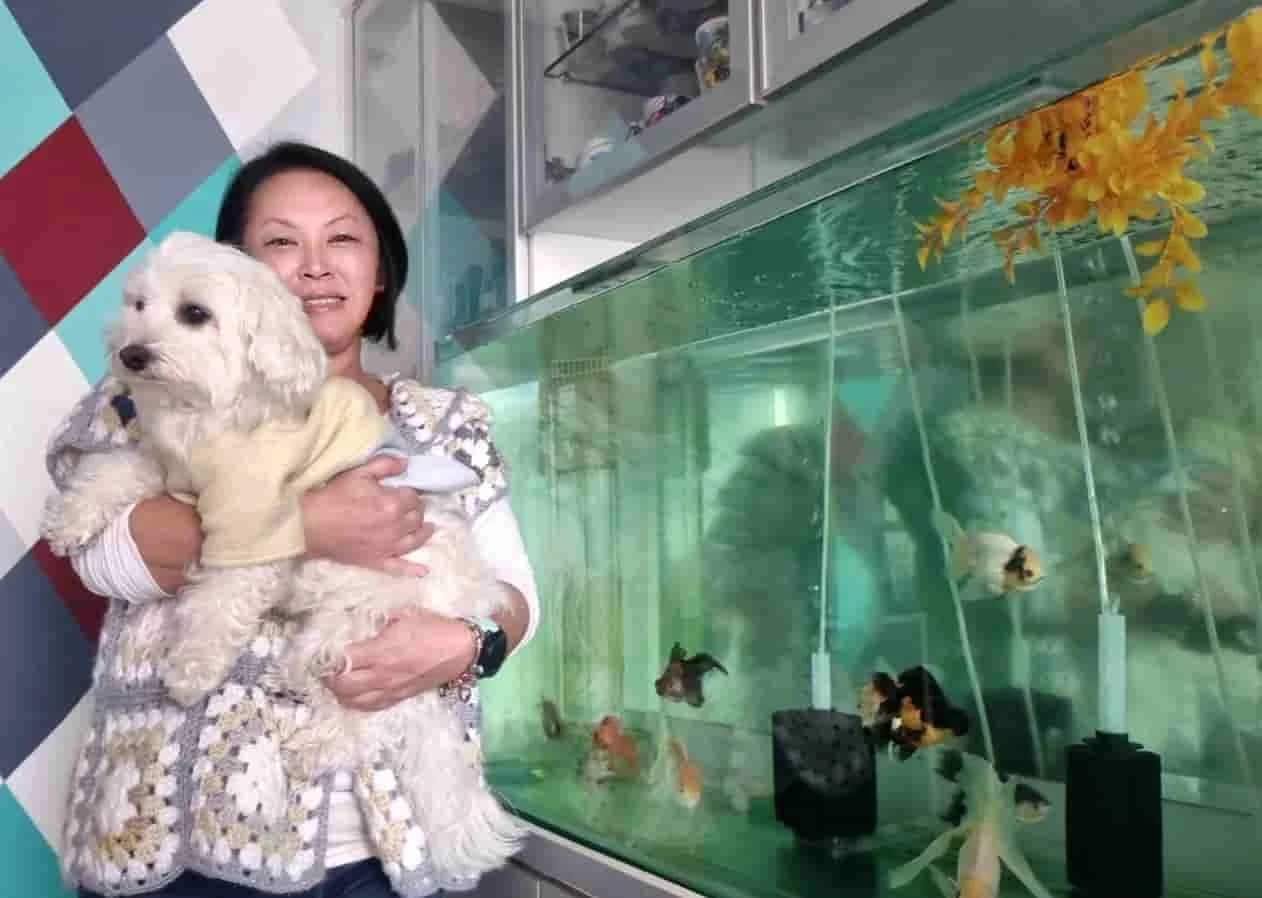
🏠 The 100G Lab
Where we torture test every hardware option, pellet line, and filter layout live.

🏃♀️ Grit & Eye
Marathon endurance meets the precise, millimeter structural focus of a seamstress.
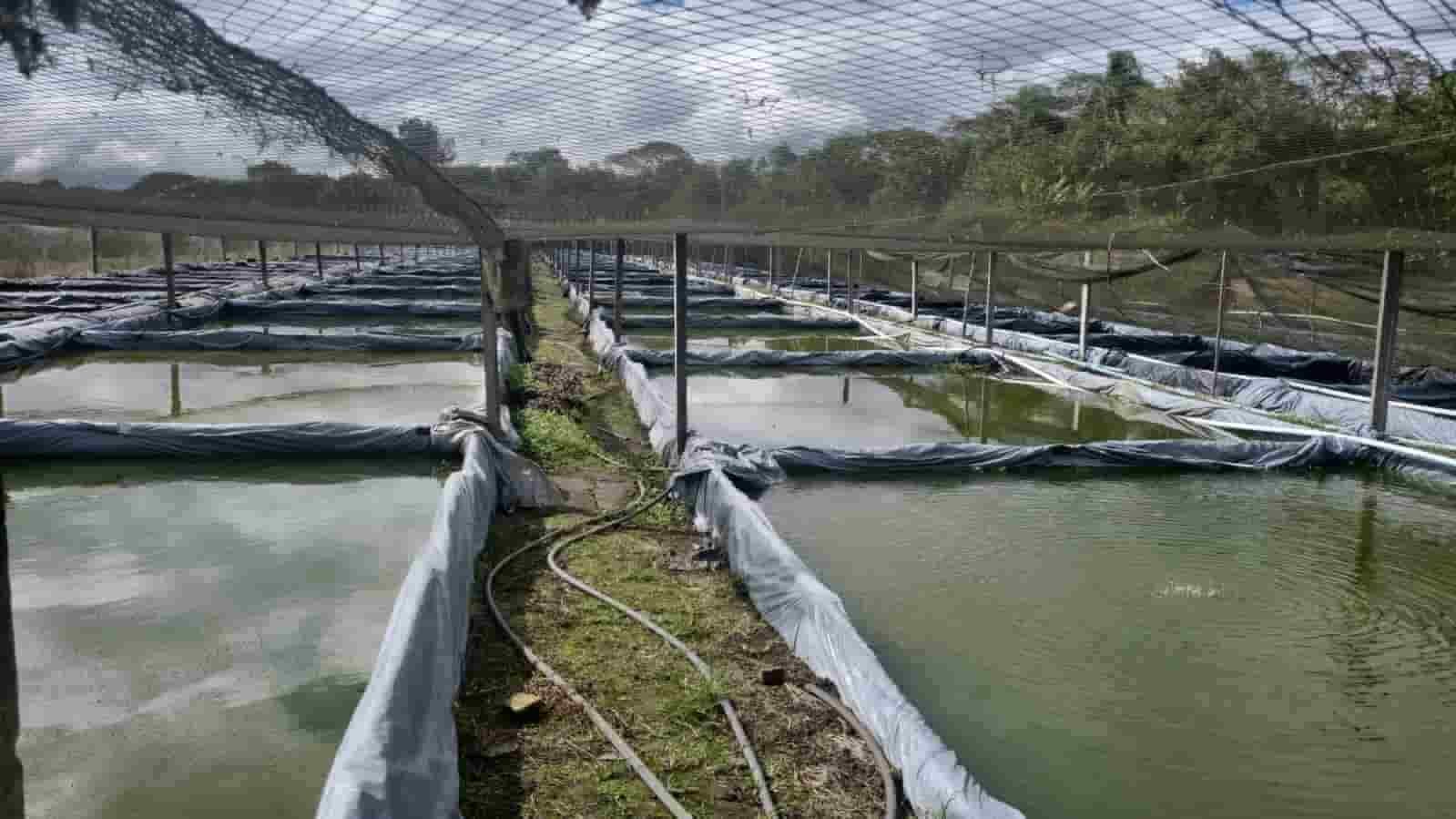
🐳 Monster Vats
Analyzing massive continuous turnovers inside large open-air mud farm vats.
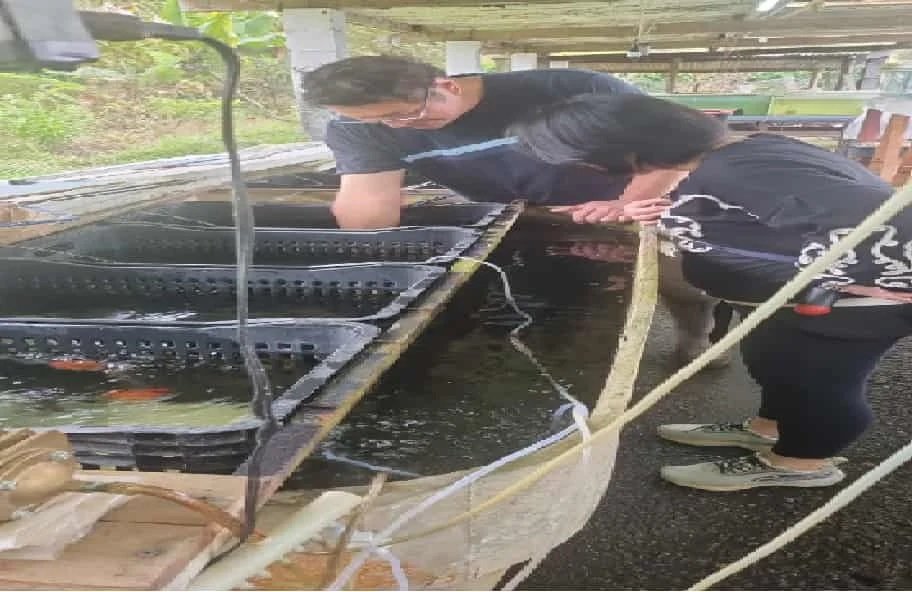
🤝 True Alliances
Working hand-in-hand with regional facility operations to target elite fancy bloodlines.
✨ Read also: Why Is My Goldfish Hiding: The Unfiltered Fishroom Diagnostic Guide
> A deeply technical piece of content that perfectly complements this post — absolutely worth the read.