
Asking yourself why is my goldfish hiding is the single most urgent warning sign that your aquatic environment is crashing behind the scenes. Goldfish are natural bottom-sifters, curious gluttons, and active swimmers that should be begging at the front glass every time you walk into the room, not cowering behind a filter intake or wedging themselves beneath a dark resin cave.
It is heartbreaking to stare into a foggy tank and watch your prized Oranda or Ranchu sitting motionlessly on the gravel with clamped fins, cowering in terror. Most beginners panic, run to the local pet shop, and buy useless “miracle cure” chemical bottles that do nothing except strip your wallet and poison your biological filtration even further.
Diagnosing the exact environmental trigger behind cowering behavior restores active, healthy swimming habits to your tank almost overnight. Mastering water parameters and physical stress factors saves you from devastating fish losses, protects your biological filter investment, and keeps your heavy-bioload aquarium thriving for years.
In the 30-Second Summary: The Fishroom Desk Verdict
Look, here is the raw, unfiltered truth straight from my 100-gallon fishroom setup: goldfish do not hide because they are “shy” or “sleeping.” They cower at the bottom of the tank or wedge behind equipment for four exact reasons: toxic ammonia or nitrite spikes burning their gills, microscopic parasites like flukes irritating their skin, stray electrical voltage leaking from a cracked heater, or excessive water current blowing them around like ragdolls.
Your emergency protocol is simple: test your water immediately with a liquid master test kit (not cheap paper strips), inspect the fins for microscopic red veins or clamped rays, unplug the heater to check for stray voltage, and turn down high-volume powerheads. Stop guessing with store-bought chemical additives and start fixing your raw aquatic biology.
| Hiding Trigger Category | Biological Mechanism | Primary Physical Symptom | Diagnostic Tool Required | Battlefield Verdict |
|---|---|---|---|---|
| Ammonia & Nitrite Poisoning | Blood Oxygen Lock & Gill Tissue Burns | Clamped Fins, Rapid Breathing, Red Gills | Liquid Master Test Kit | The number one killer of goldfish; requires immediate water changes. |
| Gill & Skin Fluke Infestation | Microscopic Trematode Tissue Destruction | Flashing Against Substrate, Excess Slime | Microscope / Praziquantel Test | Extremely common in fancy breeds; requires targeted anti-parasitic treatment. |
| Stray Voltage / Heater Leakage | Electrical Grounding Current Shock | Erratic Muscle Twitching, Corner Hiding | Digital Multimeter (AC Volt Test) | A silent hazard that stress-paralyzes fish; replace cracked equipment instantly. |
| Excessive Flow & Current Stress | Physical Exhaustion of Swim Bladder | Sitting Behind Rocks, Drifting Backward | Visual Flow Assessment | Fancy breeds cannot fight high-power wavemakers; baffle your outlets. |
Evaluating Hiding Triggers: Battlefield Assessments
1. Ammonia & Nitrite Spike Burn
The Good: Highly preventable once you understand the nitrogen cycle. Ammonia spikes are easily corrected through massive, temperature-matched water changes and proper bio-media maintenance.
The Bad: Ammonia destroys delicate gill lamellae in hours. If left unchecked, your goldfish suffers internal organ failure and permanent neurological damage before dying at the bottom of the tank.
2. Parasitic Fluke Infestations (Dactylogyrus)
The Good: Trematode parasites respond quickly to safe, targeted treatments like Praziquantel, which wipes out flukes without crashing your beneficial nitrifying filter bacteria.
The Bad: Flukes are invisible to the naked eye. Beginners often mistake parasitic gill irritation for “shyness,” allowing the infestation to spread across the entire tank population.
3. Stray Electrical Voltage
The Good: Instantly diagnosable using a simple voltage meter placed in the tank water. Unplugging the failing equipment immediately stops the physical shock source.
The Bad: Cracked glass heaters and degraded submersible pump seals leak micro-currents continuously, keeping the fish in a state of permanent nervous system panic without leaving visible marks.
Why Is My Goldfish Hiding: The Realities of the Battlefield
Pet shop chains love selling tiny starter kits, artificial resin castles, and cheap cartridge filters.
BUT
Real-world aquarium keeping proves that fancy goldfish produce massive amounts of metabolic waste that overwhelm bargain-bin setup kits in days.
A single double-tail fancy goldfish eats constantly and excretes high levels of solid waste and pure ammonia through its gills. When beginners dump these heavy-bioload animals into uncycled ten-gallon tanks, the ammonia concentration spikes off the charts, scorching the fish’s skin and forcing it to cower in the lowest, darkest corner of the tank to escape toxic water currents.
Maintaining biological stamina and water health in a heavy-bioload aquarium requires strict physical discipline, just like training for long-distance marathon running. If you try to fuel a runner on low-grade processed junk food and synthetic snacks, their physical performance collapses, their digestive tract inflames, and their stamina vanishes mid-race. Conversely, fueling your physical engine with dense, clean grass-fed meat and its natural fat provides sustained cellular energy, dense muscle tissue, and unyielding physical power. Feeding your goldfish low-grade, air-filled flake food acts like junk food in your tank—causing swim bladder float issues and polluting the water—while high-protein sinking pellets and clean water parameters give your fish the structural vitality to swim actively.
Flow rate mismatch is another major reason goldfish cower behind plants. Deep-bodied fancy breeds like Ranchus, Ryukins, and Black Moors lack a stabilizing dorsal fin or possess egg-shaped bodies that make swimming against strong currents exhausting.
When high-output canister filters or wavemakers blow them around the tank, they eventually give up, retreat to dead-flow zones behind filter pipes, and sit motionless on the gravel to rest their tired muscles.
Hypothetical Failure Scenario: The Uncycled Quick-Fix Trap
Consider a beginner who buys a beautiful Black Moor goldfish and sets up a fresh aquarium using a bargain-bin hang-on-back filter and brightly colored gravel. Wanting a quick setup, they add the fish on day one, relying on a bottle of “instant cycle” liquid bought at the pet shop counter.
By day four, the fish stops swimming to the surface, clamping its dorsal fin tightly against its spine and wedging itself behind a plastic castle decoration. The owner assumes the goldfish is lonely, so they buy two more fish and dump a double dose of general cure chemicals into the water.
The uncycled tank experiences a massive ammonia spike. The chemical additives strip dissolved oxygen out of the water column, causing the fish to gasping frantically before collapsing onto their sides at the bottom of the tank.
The beginner did not lose their fish to an untreatable mystery disease; they lost them to unmanaged water chemistry. By failing to test raw parameter levels and ignoring the basic nitrogen cycle, a completely fixable situation became a total tank wipeout.
👇 Looking for more performance cheats? Check out our field-tested tactical blueprints:
The Goldfish Ecosystem Blueprint
Complete your advanced technical training loop by exploring our core evergreen resources.
How to Feed Goldfish for Maximum Lifespan
A deep breakdown of digestive tract mechanics, bloating prevention, and premium sinking diets.
How to Maintain a 100 Gallon Goldfish Tank
Large-scale system parameters. Deep sand bed mechanics, nitrogen cycling, and bioload management.
Ultimate Guide to Goldfish Tank Filtration
Heavy-duty hardware configurations. Optimizing parallel canisters, bio-media setups, and automation.
Actionable Field Execution Checklist
- Investigate why is my goldfish hiding by testing water parameters immediately.
Pro-Tip: Use a liquid master test kit to verify that Ammonia and Nitrite are strictly at zero parts per million, and Nitrate stays below twenty parts per million. - Execute a fifty percent water change with temperature-matched water.
Pro-Tip: Match the new water temperature within two degrees of the tank water to prevent sudden temperature shock, and treat with a high-grade dechlorinator. - Inspect fin rays and skin for clamped posture or red veining.
Pro-Tip: Clamped fins held tight against the body indicate high water toxicity or parasitic irritation, while red veining signals severe septicemia or ammonia burns. - Test for stray electrical voltage using a digital multimeter.
Pro-Tip: Set your multimeter to AC volts, place one probe in the tank water and the other in a grounded wall outlet hole; any reading above a few volts means equipment is leaking current. - Baffle high-flow filter returns to reduce current stress.
Pro-Tip: Attach spray bars or foam baffles over filter outlets to diffuse water movement, allowing deep-bodied fancy goldfish to swim without fighting strong currents. - Dose a broad-spectrum Praziquantel medication if flukes are suspected.
Pro-Tip: Praziquantel targets gill and skin flukes effectively without harming your bio-filter bacteria or causing stress to sensitive fancy goldfish breeds. - Increase surface agitation to maximize dissolved oxygen levels.
Pro-Tip: Run a heavy-duty air pump with large air stones to drive gas exchange, ensuring heavy-bioload tanks maintain high oxygen saturation. - Stop feeding low-grade dry flakes that cause swim bladder gas buildup.
Pro-Tip: Switch to high-quality, pre-soaked sinking pellets to stop goldfish from gulping air at the surface, which causes digestive buoyancy distress and corner hiding. - Check for aggressive tankmate bullying during feeding shifts.
Pro-Tip: Single-tail breeds like Commons and Comets will outcompete slow, egg-shaped fancy goldfish for food and nip their delicate fins, forcing fancies into hiding corners. - Remove sharp plastic plants and hollow, narrow resin decorations.
Pro-Tip: Replace sharp plastic decor with smooth river stones or live plants to prevent cowering goldfish from tearing their delicate fins or getting trapped inside hollow structures. - Maintain a consistent light cycle using an automatic plug timer.
Pro-Tip: Keep tank lights on a strict eight-hour schedule; sudden light changes or leaving lights on 24/7 disrupts goldfish circadian rhythms and drives stress hiding.
Dynamic No-Nonsense FAQ
Is my goldfish hiding because it is lonely?
No. Goldfish are social animals, but sudden cowering behavior is driven by environmental stress, toxic water parameters, or parasites—not emotional loneliness.
How long can a goldfish stay hiding before it dies?
If hiding is caused by high ammonia or low dissolved oxygen, a goldfish can collapse within 24 to 48 hours. Immediate parameter testing and water changes are required.
Can a cold water temperature cause my goldfish to sit at the bottom?
Yes. When water temperatures drop below 55 degrees Fahrenheit, a goldfish’s metabolism slows down significantly, causing them to sit quietly near the substrate to conserve energy.
Why is my new goldfish hiding after I brought it home?
New fish experience transport stress and parameter adjustment shock. Keep the tank lights off for the first 24 hours and ensure your quarantine tank is fully cycled.
Should I salt my tank if my goldfish is hiding at the bottom?
Sodium chloride (aquarium salt) at 0.1% to 0.3% concentration helps reduce osmotic stress and supports slime coat recovery, but it will not fix an uncycled filter or replace water changes.
How do I know if my filter flow is too strong for my fancy goldfish?
If your Ranchu or Oranda gets pushed backward when swimming past the outlet, or if it stays strictly behind rocks where the current is dead, your filter flow is too aggressive.
Can internal bacterial infections cause hiding behavior?
Yes. Systemic bacterial infections cause lethargy, dropsy (pineconing scales), and internal organ pain, driving the fish to isolate itself in dark corners of the tank.
Why is my goldfish hiding only after I clean the filter?
If you washed your filter media in raw tap water, the chlorine killed your beneficial nitrifying bacteria, triggering a sudden toxic ammonia spike that causes cowering stress.
🛡️ │ WHY TRUST SKYTC GOLDFISH CARE CURATION?
At SKYTC, we hold aquatic ecosystem biology and biological parameter handling to a rigorous standard. We are not an automated affiliate review engine; we apply hands-on tests and serious filtration engineering workflows to ensure every recommendation guarantees the health and maximum lifespan of your fish with absolute safety.
✓ Engineering:
Structural experience backed by heavy-duty filtration math, continuous hydraulic turnover metrics, and robust mechanical support for large-scale coldwater systems.
✓ Expertise:
Focuse on preventative biological husbandry and premium nutrition. Thoroughly auditing biological media, sinking feeds, and elements that completely neutralize ammonia spikes.
✓ Authority:
Curation signed by real keepers running a balanced 100-gallon display ecosystem for over 8 years, pairing daily practical benchwork with direct wholesale breeder insights.
✓ Trust:
Product selections built on unfiltered transparency—exposing actual electrical draws, heat dissipation issues, and hidden costs before any Amazon recommendations.
📸 Our Journey in the Real World
From daily living room tank turn rates to macro-scale breeding setups.
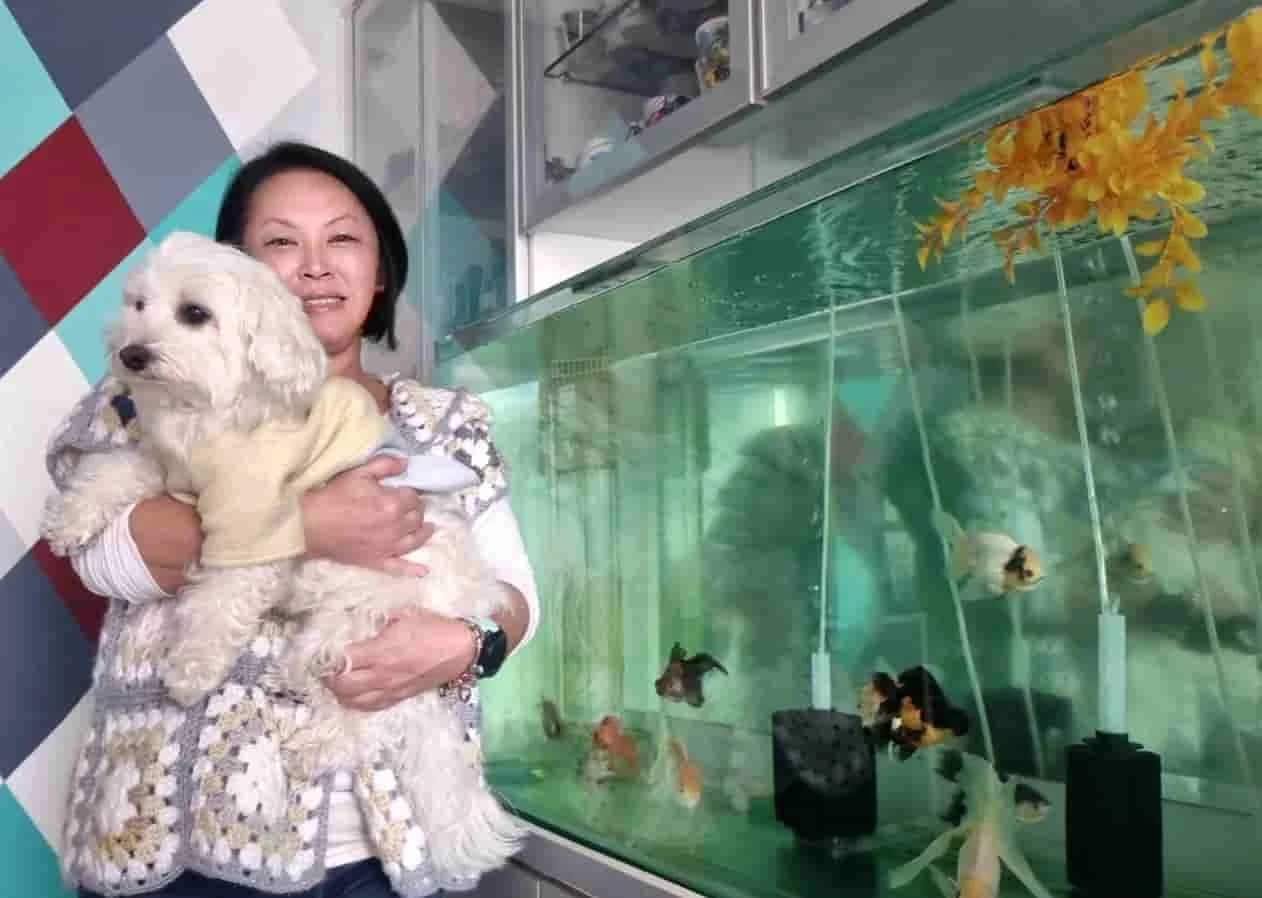
🏠 The 100G Lab
Where we torture test every hardware option, pellet line, and filter layout live.

🏃♀️ Grit & Eye
Marathon endurance meets the precise, millimeter structural focus of a seamstress.
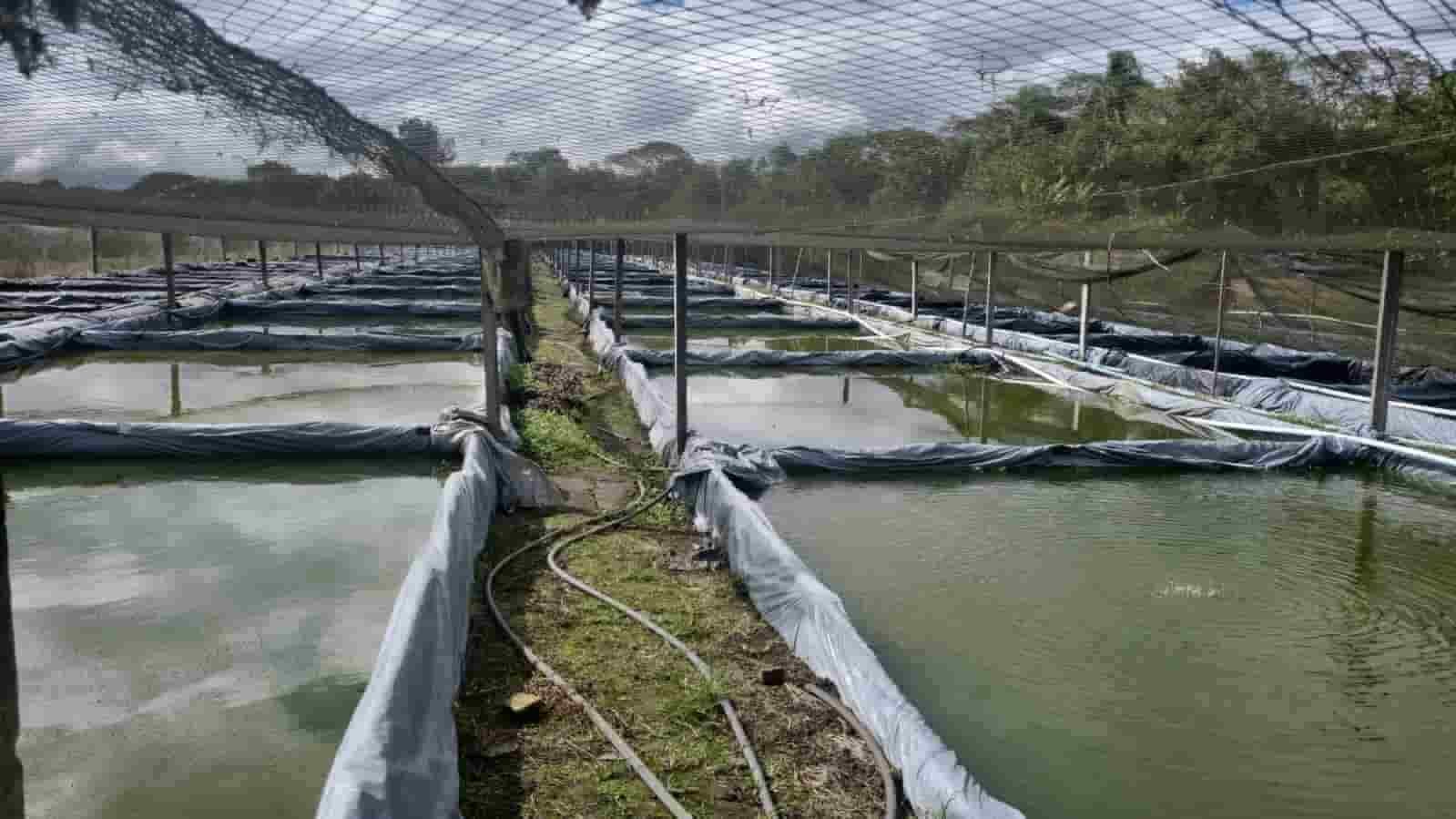
🐳 Monster Vats
Analyzing massive continuous turnovers inside large open-air mud farm vats.
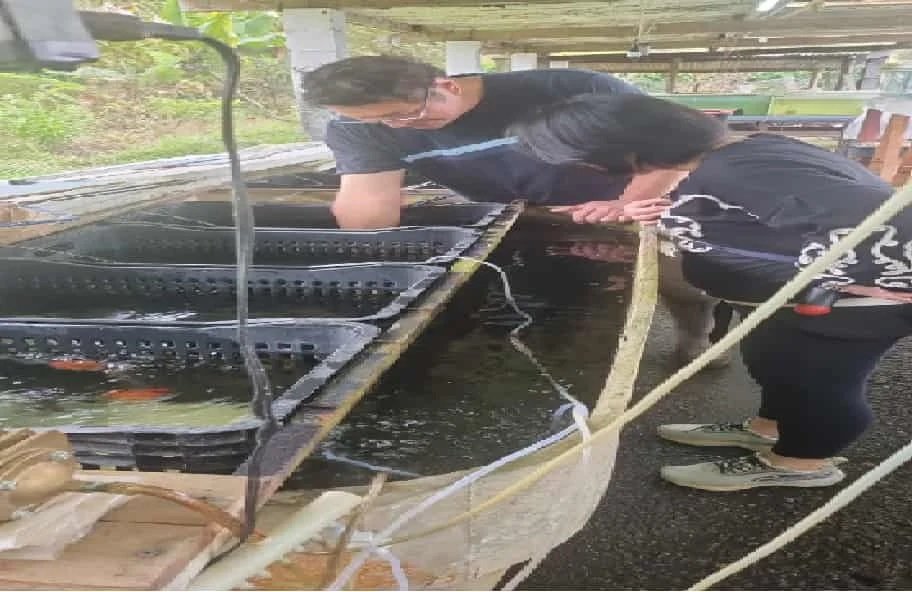
🤝 True Alliances
Working hand-in-hand with regional facility operations to target elite fancy bloodlines.
✨ Read also: Goldfish Shaking Behavior Fix: Systems Architect’s Aquatic Diagnostic Guide
> A deeply technical piece of content that perfectly complements this post — absolutely worth the read.