
When your lower legs ache after every single mountain trail run, you aren’t just dealing with tired muscle tissue—you are staring directly at the early biological signs of weak runner bones. That deep, nagging gnaw inside your tibia or metatarsals isn’t something you can stretch out on a foam roller or rub away with budget-friendly muscle balms. It is a loud biological warning signal from a failing skeletal frame under mechanical overload.
Most endurance runners treat their skeletal structure like an indestructible iron scaffold. They blow cash on max-cushion racing shoes, swallow synthetic multi-vitamins, and ignore systemic warning flashes until a sudden sharp cortical snap sidelined them for six grueling months. Having spent 5 years in clinical radiology operating diagnostic X-Ray units and another 2 years specialized in high-resolution 3D Computed Tomography (CT scans), I have spent thousands of hours looking directly inside the human skeletal system.
Your skeleton is not a static piece of wood; it is a dynamic, living tissue constantly balancing bone breakdown against biological reconstruction. When bone resorption outpaces your body’s osteoblastic rebuilding capacity, catastrophic structural failure is only a matter of time. By catching these biological red flags early, you will save years of forced physical therapy bench time, avoid throwing away hard-earned money on high-end diagnostic missteps, and protect your joints for lifelong athletic longevity.
The 30-Second Diagnostic Summary
System Diagnostics: Cut through the showroom noise and listen to raw biology. If pressing a single thumb against your shin bone causes localized, wincing pain, your cortical wall is already micro-fracturing. If you experience deep resting pain at night, systemic physical exhaustion, and a history of low-fat crash dieting, your skeletal remodeling process has completely stalled. The tactical macete: Stop masking structural red flags with anti-inflammatory pills. Load your skeletal frame with heavy compound resistance work, feed your extracellular bone matrix with bone marrow and clean red meat packed with bioavailable fat-soluble vitamins, and balance your training volume with rigid engineering metrics.
| Skeletal Indicator | Diagnostic Tool (X-Ray / CT) | Field Symptom | Structural Failure Risk |
|---|---|---|---|
| Focal Periosteal Edema | CT Scan / Soft Tissue Contrast | Sharp pinpoint tenderness on tibia bone | High (Immediate pre-stress fracture) |
| Trabecular Micro-Damage | High-Resolution CT Scan | Deep throb lasting hours post-run | Severe (Internal structural decay) |
| Cortical Wall Thinning | Dual-Energy X-Ray / CT | Vague, diffuse bone aching across shaft | Critical (Systemic mineral loss) |
| Reduced Bone Turnover | Biomarker Serum Panel | Persistent night aches while sleeping | Extreme (Suppressed osteoblast activity) |
| Collagen Matrix Degradation | Clinical Imaging & Lab Panel | Loss of joint spring and bone resilience | Moderate to High (Nutritional deficit) |
Battlefield Assessment: Gear & Interventions Under Scrutiny
Max-Cushion Carbon-Plated Shoes: The Good: Dampens immediate plantar impact shock and speeds up smooth road turnover. The Bad: Decouples foot sensory feedback from your brain, dampening localized pain while redirecting brutal torsional loads higher up into brittle tibial shafts and femoral necks.
Synthetic Calcium Supplements: The Good: Cheap, widely available accessory to purchase anywhere. The Bad: Mostly chalk-based isolates that calcify soft tissue arterial walls while doing absolute zero for long-bone density without fat-soluble vitamins.
Non-Steroidal Anti-Inflammatory Drugs (NSAIDs): The Good: Silences acute pain fast so you can finish a weekend trail race. The Bad: Shuts down biological prostaglandin signaling, completely paralyzing osteoblast remodeling and turning a repairable micro-crack into a complete transverse bone snap.
Ultra-Low-Fat Endurance Diets: The Good: Rapidly drops scale weight for competitive climbing ratios. The Bad: Destroys hormonal production, starves the body of Vitamin D3, K2, and cholesterol needed for bone collagen matrix repair, causing catastrophic bone mineral density loss.
The Realities of the Battlefield
The shoe industry sells the dangerous illusion that engineered super-foams and stiff carbon plates can shield your skeletal frame from continuous trail impact. Modern thick-soled running gear softens the force felt at the sole of your foot, but it completely alters mechanical torque vectors. The ground impact energy doesn’t magically vanish; it travels further up the kinetic chain, driving torsional stress directly into unconditioned tibial cortical walls and metatarsal shafts.
Having logged thousands of kilometers across brutal mountain ultramarathons and survived six years of competitive kickboxing ring conditioning, I have seen firsthand how bones respond to real mechanical loading. Shins don’t get stronger by cushioning them in cotton candy; they adapt through controlled, high-density mechanical stress paired with aggressive biological nutrition. When you run through steep mountain trails in wet mud and technical rock sections, soft gimmicks fail instantly. Straps snap under sweat, low-grade shoe uppers shred against sharp scree, and fragile bones surrender under unyielding repeated impact.
Identifying the Critical Biological Signs of Weak Runner Bones Under Load
How do you distinguish between standard muscular soreness and catastrophic bone degradation? It all comes down to localized mechanics and biological resting pain. Muscular soreness is diffuse; it spreads across muscle bellies and thins out after a proper warm-up. Biological signs of weak runner bones present as sharp, laser-focused tenderness directly on raw bone surfaces. If you can take your index finger, press down along the lower third of your shin bone, and feel a sharp, localized wince that makes you jump—that is not a shin splint. That is an active periosteal stress reaction.
In the clinical CT scanner, we don’t just look at the outer silhouette of the skeleton; we analyze trabecular micro-architecture and cortical density. When an endurance athlete runs on a chronic caloric deficit while cutting out natural animal fats, the body enters a bone-resorptive state. The inner spongy trabecular bone becomes brittle and hollowed out, leaving only a razor-thin outer cortical shell to take total body mass impact on mountain descents.
To repair this delicate matrix, your body requires real cellular fuel, not processed chemical powders. **The absolute tactical lab macete for osteoblast signaling is dense, natural nutrient delivery.** Clean red meat—rich in natural saturated fats, heme iron, bioavailable zinc, and collagen precursors—provides the physical structural bricks required to rebuild dense bone matrix tissue. Saturated animal fat acts as the essential transport vehicle for fat-soluble vitamins like D3 and K2, which act as the traffic controllers directing calcium directly into the skeletal frame instead of soft tissues.
👇 Looking for more performance cheats? Check out our field-tested tactical guides:
SkyTC Master Hub & Pillar Guides
The Executive Ultra Runner: A Failure Scenario
Consider Marcus, a 42-year-old corporate executive and passionate trail ultramarathoner. Aiming to optimize his power-to-weight ratio, Marcus adopted a strict, low-fat plant-based diet while escalating his weekly mileage to over 90 kilometers. He wore high-end, max-cushion carbon-plated super shoes for every workout, mistaking the damp sensation underfoot for total biological protection.
At week six of his mountain training block, Marcus felt a deep, dull ache in his right lower leg every night in bed. Rather than evaluating his SkyTC mechanical load metrics or getting diagnostic imaging, he popped high-dose ibuprofen before every long run to mute the pain. He ignored the local point tenderness along his medial tibia, convincing himself it was just a stubborn calf knot.
At kilometer 32 of a technical 50km mountain trail race, while descending a steep, rocky fire road, Marcus landed heavily on his right heel. A loud, audible pop echoed as a violent shockwave shattered his compromised tibial shaft. The result? A full transverse stress fracture requiring emergency evacuation, thousands spent on emergency trauma surgery, a titanium intramedullary rod driven down his leg, and 12 months of painful, forced rehabilitation. His mistake was treating a severe structural breakdown as a temporary nuisance to be masked with pills.
Actionable Execution Field Checklist
- Identify biological signs of weak runner bones before lacing up.
Pro-Tip: Perform a single-leg hop test daily; localized, sharp bone pain upon impact signals immediate cortical wall distress. - Eliminate non-steroidal anti-inflammatory drugs during heavy training blocks.
Pro-Tip: NSAIDs shut down biological prostaglandin pathways, halting osteoblast activity and turning tiny stress reactions into full structural cracks. - Fuel your skeletal collagen matrix with clean red meat daily.
Pro-Tip: Ribeye steaks, nutrient-rich bone marrow, and animal fats supply bioavailable Vitamin K2, D3, and natural amino acids essential for bone matrix remodeling. - Ditch over-cushioned carbon racing shoes for daily training runs.
Pro-Tip: Relying exclusively on high-stack foam dulls natural foot proprioception, transferring dangerous shock vectors straight into long bones. - Schedule targeted high-resolution diagnostic CT scans for recurring pain.
Pro-Tip: Standard plain X-rays fail to detect up to 50% of early bone stress injuries; high-resolution CT scans reveal internal trabecular breakdown early. - Incorporate heavy axial strength training twice every week.
Pro-Tip: Heavy barbell squats and deadlifts trigger Wolff’s Law, forcing bone tissue to deposit fresh minerals along mechanical stress lines. - Monitor serum Vitamin D3 and K2 blood markers quarterly.
Pro-Tip: Calcium supplements are functionally useless without sufficient fat-soluble vitamin levels to steer minerals out of arteries and into bones. - Treat persistent nocturnal bone aching as an emergency stop sign.
Pro-Tip: Deep throb while resting at night indicates severe periosteal edema; cease all impact loading immediately to prevent catastrophic snapping. - Balance mechanical volume using precise SkyTC structural engineering metrics.
Pro-Tip: Never scale up weekly running mileage and technical vertical mountain elevation within the exact same training block. - Replace tap water with mineralized bone broth hydration.
Pro-Tip: Dehydrated bone matrix loses structural flex; real bone broth provides essential electrolytes alongside natural structural gelatin. - Prioritize eight hours of deep sleep for skeletal repair.
Pro-Tip: Biological osteoblastic rebuilding peaks exclusively during deep non-REM sleep cycles when natural growth hormone levels surge.
Dynamic No-Nonsense Diagnostic FAQ
How do I tell the difference between shin splints and weak bones?
Shin splints affect the muscular insertion along the edge of the bone over a wide area. Bone weakness presents as razor-focused point tenderness directly on the hard bone face. If you can pin point the exact spot with one finger tip, it is a bone issue.
Are high-stack carbon shoes safe for runners with low bone density?
No. They act like a stiff leverage arm that reduces foot work while throwing severe, unattenuated rotational stress higher up into your shins and hips. Use them sparingly on race day, not for daily training.
Can I just take daily calcium pills to fix weak runner bones?
Absolute waste of money. Isolated calcium supplements without fat-soluble vitamins (D3 and K2) and saturated fats end up calcifying your soft arterial walls instead of rebuilding your long bones.
Why do you recommend clean red meat for bone remodeling?
Bone is not just mineral chalk; it is a live matrix composed of 30% flexible collagen. Clean red meat and its natural fats deliver zinc, heme iron, bioavailable collagen amino acids, and fat-soluble drivers needed to synthesize dense bone matrix.
How long does it take to increase cortical bone density?
Biological bone remodeling takes time. Osteoclasts clear damaged bone over weeks, but osteoblasts require 4 to 6 months of mechanical loading and proper bio-nutritional support to lay down dense structural mineral matrix.
Will a standard X-Ray show early signs of skeletal bone weakness?
No. Plain clinical X-rays rarely show early stress reactions until calcified callus forms 3 to 6 weeks later. Diagnostic CT scans or specialized MRIs are required to catch early periosteal edema and trabecular micro-cracks.
Why does my tibia ache more when I am lying in bed at night?
Nocturnal bone pain is caused by elevated intraosseous pressure and localized periosteal inflammation expanding inside an unyielding cortical wall while at rest. It is a severe red flag indicating high bone turnover failure.
Is running strictly on soft grass safer for fragile bones?
Grass reduces immediate peak vertical forces, but uneven soft ground introduces unexpected ankle twisting, shifting severe torsional stress vectors onto weak shins. Heavy resistance training paired with solid ground loading works far better.
Why Trust SkyTC Biohacking Curation?
At SkyTC, we treat the human body as your most valuable technology. We are not just a recommendation site; we apply a rigorous clinical and practical screening process to ensure that each recommendation optimizes your biology with safety and real-world results.
✓ Technical Expertise:
Clinical experience in Radiology and Tomography (CT scans). We analyze methods through the lens of bone health and structural integrity.
✓ Specialization:
Focus on real-world biohacking. We test every wearable and supplement at the absolute limit of effort during marathons and on the mats.
✓ Authority:
Curation based on absolute transparency, always highlighting both the positive advantages and the real drawbacks of every technology.
✓ Trust:
A curation process built directly on the professional experience of a field practitioner, speaker, and high-performance leader coach.
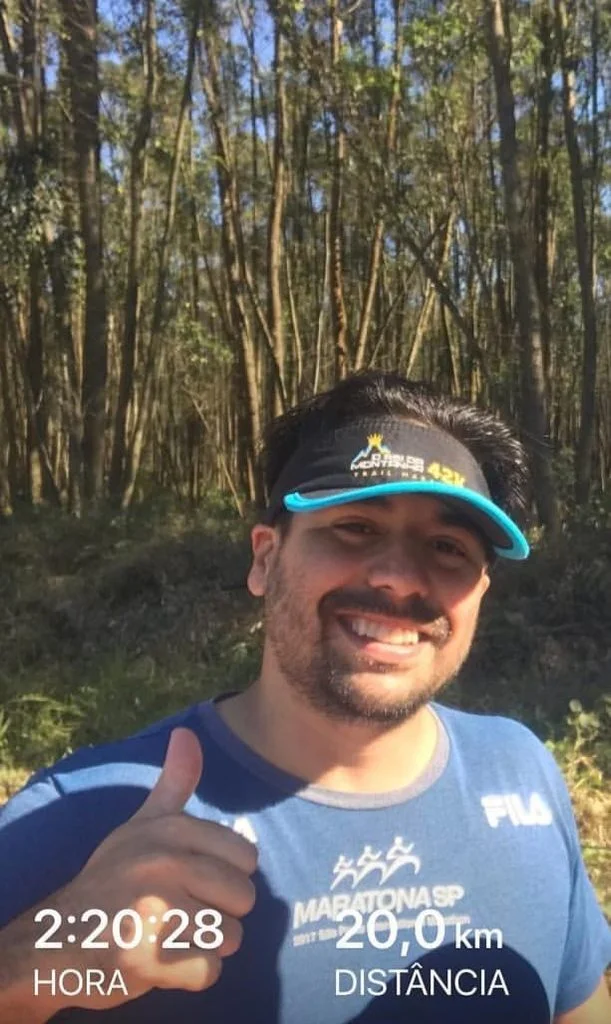
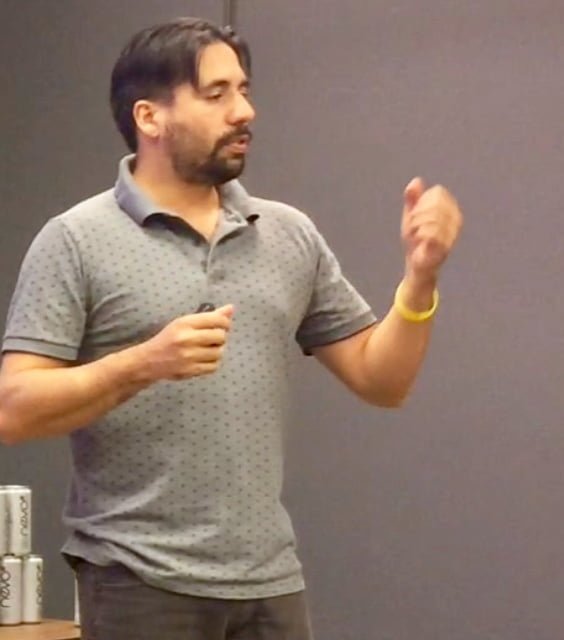


Optimizing the body demands the clinical precision of someone who operated in Radiology (Brazilian Board Certified, CRTR-SP 23595T) for years, combined with the unyielding resilience of someone who conquered multiple 42km+ mountain marathons. As an active professional, multi-pet handler, and tech benchmark researcher, at SkyTC, we bridge advanced technical science with extreme practical environments to help you biohack your active performance, optimize smart pet-tech ecosystems, and protect your structural longevit
Discover my full professional trajectory →✨ Read also: (Science of Bones Under Running Pressure)
A deeply technical piece of content that perfectly complements this post — absolutely worth the read.