
Dialing in sump filter sizing for 100 gallons is the single most critical decision you will make if you want a heavy-bioload aquarium that runs like a bulletproof industrial machine instead of a ticking wet-carpet time bomb. Staring at an empty 100-gallon glass box while worrying about catastrophic water leaks, noisy overflow pipes, or starved biological media can paralyze even experienced keepers.
Most commercial canister filters and hang-on-back units are complete gimmick toys when tossed onto a 400-liter goldfish tank. They clog within days, trap sludge, and leave you scrubbing mechanical pads on your hands and knees every single weekend while your fish gasp in nitrate-heavy water.
As a professional seamstress and long-distance runner who has managed a 100-gallon display tank for 8 continuous years, I do not tolerate overcomplicated fluff or fragile gear. Master this field-tested sump sizing guide and you will build a rock-solid, flood-proof filtration powerhouse that cuts maintenance time in half and keeps your fish thriving for decades.
30-Second Tech Support Counter Talk (Cut The Fluff Verdict)
Skip the undersized commercial glass sumps and off-the-shelf plastic gimmicks. For a 100-gallon display tank, your sump basin must hold a minimum of 30 to 40 gallons of actual liquid capacity. Match it with a return pump flowing 600 to 1,000 gallons per hour (GPH) after accounting for head height resistance. Divide your sump into three strict zones: mechanical drain socks/pads, a massive biological chamber packed with high-density media, and a dedicated return pump section with an auto-top-off float. Build in a 10-gallon drain-down safety buffer so your living room floor never sees a single drop of water when power cuts out.
The Engineering Formula for 100-Gallon Sump Sizing
The foundational rule for heavy-bioload setups is simple: your sump volume should equal 30% to 40% of your main display tank volume. For a 100-gallon (400-liter) setup, that translates directly to a 30-gallon to 40-gallon sump basin capacity.
Why so large? Goldfish generate vast amounts of waste that require massive surface areas for nitrifying bacteria to colonize. When you feed high-purity gel foods rich in real meat and natural animal fat, the fish digest nutrients efficiently, producing dense, heavy detritus that settles rapidly into mechanical sump socks rather than breaking down into microscopic water-clouding sludge.
A 30-to-40 gallon sump provides the physical space required for multi-stage mechanical filtration without clogging every 24 hours. More importantly, it provides critical drain-down safety expansion space when main electrical power fails unexpectedly.
When your return pump stops, gravity draws the top 1 to 2 inches of water from your 100-gallon display tank down through your overflow drains before the siphon breaks. That siphon backflow equals roughly 8 to 10 gallons of liquid. If your sump basin is too small or filled to the brim, that water dumps straight onto your floor.
Battlefield Assessment: Sump Configurations for 100-Gallon Systems
Evaluating sump architectures requires understanding their real-world structural trade-offs. Here is how the most common configurations compare under heavy daily use.
| Sump Architecture | Total Sump Volume | Ideal Turnover Rate | The Good | The Bad |
|---|---|---|---|---|
| Traditional 3-Chamber Glass Sump | 30 to 40 Gallons | 600 to 800 GPH | Superior glass durability; zero baffle warping under unequal water pressure. | Fixed baffle heights restrict modular upgrades; heavy to maneuver inside stands. |
| Acrylic Commercial Modular Sump | 35 to 45 Gallons | 800 to 1,000 GPH | Lightweight build; includes probe holders and quiet filter sock silencing plates. | Requires a high-end tier investment; acrylic scratches easily during maintenance. |
| DIY Glass Conversion (40-Breeder) | 40 Gallons | 600 to 1,000 GPH | Provides maximum bio-capacity for a fraction of budget-friendly setup costs. | Requires hands-on glass cutting, silicone application, and exact measurement skills. |
| Moving Bed K1 Fluidized Sump | 30 to 40 Gallons | 800 to 1,200 GPH | Self-cleaning biological media that never clogs with heavy fish detritus. | Requires continuous high-output air pumps that add operational hum. |
| Overhead / Trickle Dry-Wet Sump | 25 to 35 Gallons | 500 to 700 GPH | Unmatched oxygen exchange and ultra-fast ammonia-to-nitrate conversion rates. | Visually bulky above the display; elevated evaporation rates cause salt creep. |
Sump Filter Sizing for 100 Gallons: Chamber Ratios and Flow Dynamics
Sizing the physical box is only half the battle; dividing that volume correctly determines whether your system thrives or fails. A flawless 100-gallon sump layout uses three distinct operational chambers built with exact volumetric ratios.
Chamber 1: Mechanical Inflow (20% Volume). Water enters from your display overflow into high-flow 200-micron felt or mesh filter socks. This zone traps physical detritus before it reaches your biological media. It also houses bubble trap baffles to strip out noisy micro-bubbles before water advances.
Chamber 2: Biological Engine (50% to 60% Volume). This is the heart of your ecosystem. Pack this area with high-density sintered glass rings, porous ceramic blocks, or fluidized media. Sizing this chamber generously allows water velocity to slow down slightly, giving nitrifying bacteria adequate contact time to process toxic waste.
Chamber 3: Return & Support Section (20% to 30% Volume). This zone houses your submersible DC return pump, heating elements, and auto-top-off (ATO) float sensors. Because evaporation across the entire 100-gallon system manifests exclusively as a dropping water level in this final chamber, sizing it correctly prevents your return pump from running dry.
The Realities of the Battlefield
Commercial pre-fabricated acrylic sumps are praised in glossy aquatic magazines for their sleek laser-cut baffles, integrated dosing line ports, and ultra-quiet drain silencers that look like pure modern art inside display cabinets.
BUT…
The hard negative reality is that thin acrylic baffles under 1/4-inch thickness flex and bow under water pressure differentials, breaking their internal seals over time. Furthermore, narrow 4-inch filter sock holder plates fill up and overflow within 48 hours when processing massive goldfish detritus, forcing dirty water to bypass mechanical filtration entirely and dump rotting sludge directly into your bio-media.
Bargain-bin submersible return pumps boasting huge gallon-per-hour numbers on their boxes are another common trap. Those marketing specs represent zero head-height resistance; once that pump has to push water up 4 or 5 feet of vertical vinyl tubing into your display tank, actual flow drops by half, leaving your 100-gallon tank under-filtered and stagnant.
Hypothetical Failure Scenario: Dave’s Flooded Basement
Let us walk through a classic scenario I see all too often. Meet Dave. Dave purchases a gorgeous 100-gallon display aquarium and decides to install a sump filter under his cabinet.
To save space under his stand for food tubs and supplies, Dave picks up an undersized, bargain-bin 15-gallon sump basin. He stuffs a high-output 1,500 GPH return pump into the tiny return compartment and fills the sump almost to the top rim with water so the pump stays completely submerged.
Three weeks later, a severe thunderstorm hits Dave’s neighborhood, knocking out household power. His return pump shuts down instantly, stopping the upward push of water into the main display.
Gravity immediately takes command. The top two inches of water from his massive 100-gallon display tank begin draining down through the overflow siphon pipes directly into his sump. The tiny 15-gallon basin only has 2 gallons of free expansion headroom left, but 10 gallons of drain-down water are rushing down from above. 8 gallons of filthy, waste-laden aquarium water flood over the sump edges, warping his expensive wooden floorboards and destroying his home stand.
👇 Looking for more performance cheats? Check out our field-tested tactical blueprints:
The Goldfish Ecosystem Blueprint
Complete your advanced technical training loop by exploring our core evergreen resources.
How to Feed Goldfish for Maximum Lifespan
A deep breakdown of digestive tract mechanics, bloating prevention, and premium sinking diets.
How to Maintain a 100 Gallon Goldfish Tank
Large-scale system parameters. Deep sand bed mechanics, nitrogen cycling, and bioload management.
Ultimate Guide to Goldfish Tank Filtration
Heavy-duty hardware configurations. Optimizing parallel canisters, bio-media setups, and automation.
Practical Execution Field Checklist
- Calculate sump filter sizing for 100 gallons using a 30-gallon minimum basin.
Expert Tip: Aiming for 30 to 40 percent of display volume guarantees adequate bio-media capacity and crucial flood expansion space. - Select an adjustable DC return pump rated for high turnover.
Expert Tip: Choose a pump capable of delivering 600 to 1,000 GPH after accounting for head-loss height under your stand. - Leave ten gallons of empty headspace for power outages.
Expert Tip: Measure your display tank’s water level drop during a simulated power outage to verify your sump can absorb siphon backflow. - Drill dual overflow drains to establish a silent BeanAnimal design.
Expert Tip: Utilizing a primary siphon, secondary open channel, and emergency dry drain eliminates noise and prevents dangerous drain clogs. - Install 200-micron felt filter socks in the entry chamber.
Expert Tip: Mechanical socks capture heavy goldfish detritus before it can pollute and clog your porous biological media. - Pack the central biological chamber with high-density sintered glass.
Expert Tip: High-density media maximizes beneficial bacteria colonization per cubic inch, handling heavy ammonia spikes effortlessly. - Feed high-protein gel foods made from real meat and natural fat.
Expert Tip: Premium diets with real animal protein produce cohesive solid waste that settles into filter socks rather than dissolving into micro-particles. - Set up an automatic top-off system in the return chamber.
Expert Tip: Because evaporation only lowers the water level in the return chamber, an ATO keeps salinity and water height rock-steady. - Place aquarium heaters horizontally inside the sump biological chamber.
Expert Tip: Submerging heaters horizontally prevents them from running dry during routine water changes or rapid return chamber evaporation. - Install check valves or drill anti-siphon holes on return lines.
Expert Tip: Break the siphon vacuum quickly during power failures to prevent display tank water from draining uncontrollably. - Clean mechanical filter socks twice weekly in untreated water.
Expert Tip: Swap socks frequently to maintain optimal water flow velocity and prevent organic waste from decaying in the flow path.
Dynamic No-Nonsense FAQ
Can I use a 20-gallon sump for a 100-gallon goldfish tank?
You can try, but you are walking a tightrope. A 20-gallon sump leaves almost zero flood safety margin for siphon backflow and restricts your bio-media volume, forcing high maintenance frequencies.
What turnover rate do I actually need for a 100-gallon sump filter?
Aim for 6 to 10 times total system turnover per hour. That means an absolute real-world flow rate of 600 to 1,000 GPH passing through the sump after calculating vertical head-height resistance loss.
Why does my sump return chamber water level keep dropping?
Water evaporation across your entire 100-gallon display tank only shows up as a drop in the sump’s return pump chamber. Install a automatic top-off system to protect your pump from running dry.
Is acrylic better than glass for building a custom 100-gallon sump?
Glass is superior for DIY builds because aquarium-grade silicone forms a true structural bond with glass. Silicone does not adhere reliably to acrylic over long periods, leading to loose internal baffles.
Should I put sand or gravel substrate inside my sump filter?
Absolutely not. Substrate in a sump traps detritus, creates stagnant anaerobic dead zones, and risks being sucked into your return pump where it will destroy delicate impellers. Keep it bare-bottom.
How do I prevent my sump from overflowing during a power outage?
Drill anti-siphon holes in your return nozzles just below the display water line and ensure your sump basin maintains at least 8 to 10 gallons of empty headroom during normal daily operation.
Are 200-micron filter socks better than 100-micron socks?
For heavy waste producers like goldfish, 200-micron socks are far superior. 100-micron socks clog in under 12 hours, causing dirty water to spill over filter sock plates and bypass mechanical filtration.
Can I run a sump without drilling my glass 100-gallon display tank?
You can use continuous-siphon overflow boxes, but drilled bulkheads are vastly safer. Siphon boxes can lose vacuum seal during power interruptions, leading to disastrous display tank overflows when power returns.
🛡️ │ WHY TRUST SKYTC GOLDFISH CARE CURATION?
At SKYTC, we hold aquatic ecosystem biology and biological parameter handling to a rigorous standard. We are not an automated affiliate review engine; we apply hands-on tests and serious filtration engineering workflows to ensure every recommendation guarantees the health and maximum lifespan of your fish with absolute safety.
✓ Engineering:
Structural experience backed by heavy-duty filtration math, continuous hydraulic turnover metrics, and robust mechanical support for large-scale coldwater systems.
✓ Expertise:
Focuse on preventative biological husbandry and premium nutrition. Thoroughly auditing biological media, sinking feeds, and elements that completely neutralize ammonia spikes.
✓ Authority:
Curation signed by real keepers running a balanced 100-gallon display ecosystem for over 8 years, pairing daily practical benchwork with direct wholesale breeder insights.
✓ Trust:
Product selections built on unfiltered transparency—exposing actual electrical draws, heat dissipation issues, and hidden costs before any Amazon recommendations.
📸 Our Journey in the Real World
From daily living room tank turn rates to macro-scale breeding setups.
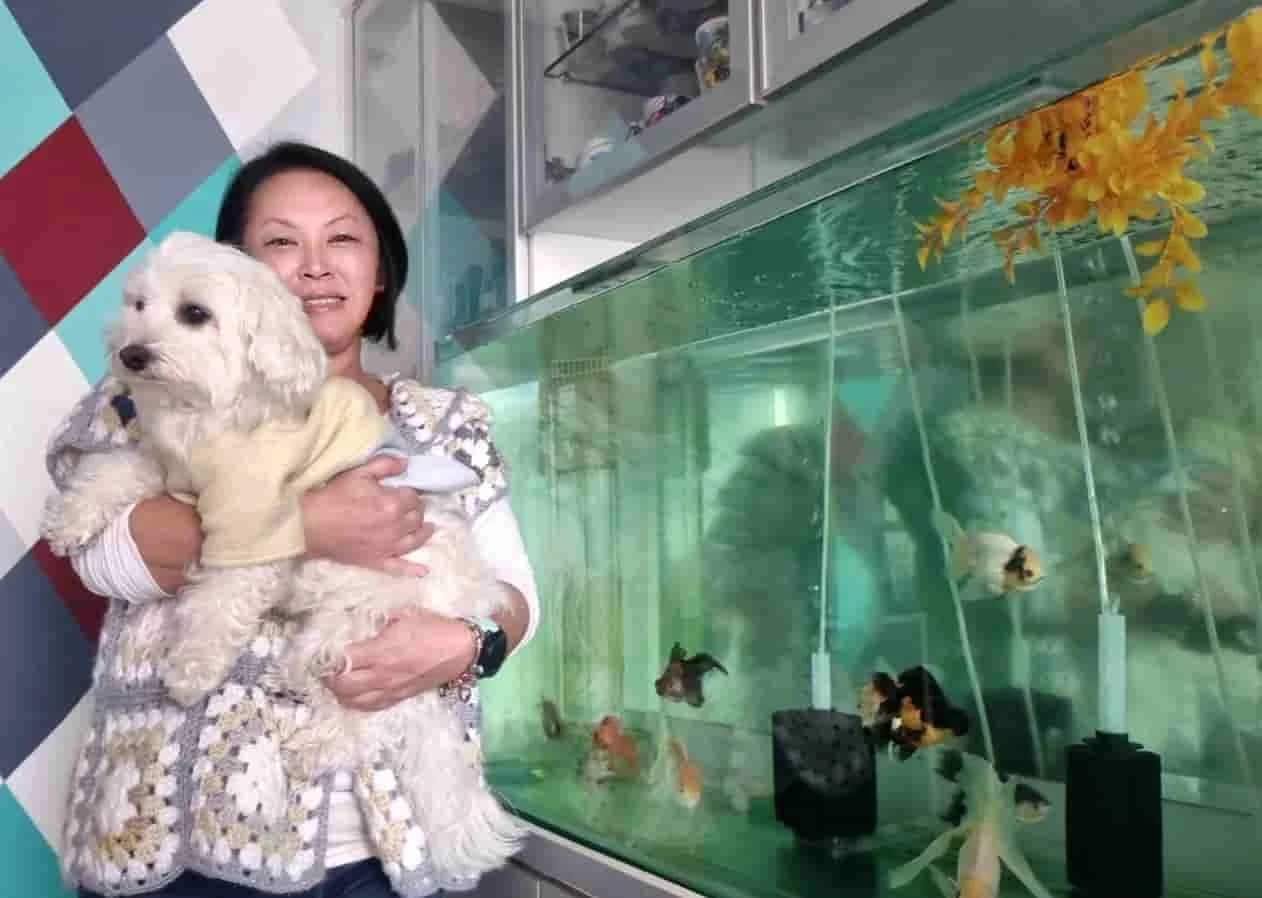
🏠 The 100G Lab
Where we torture test every hardware option, pellet line, and filter layout live.
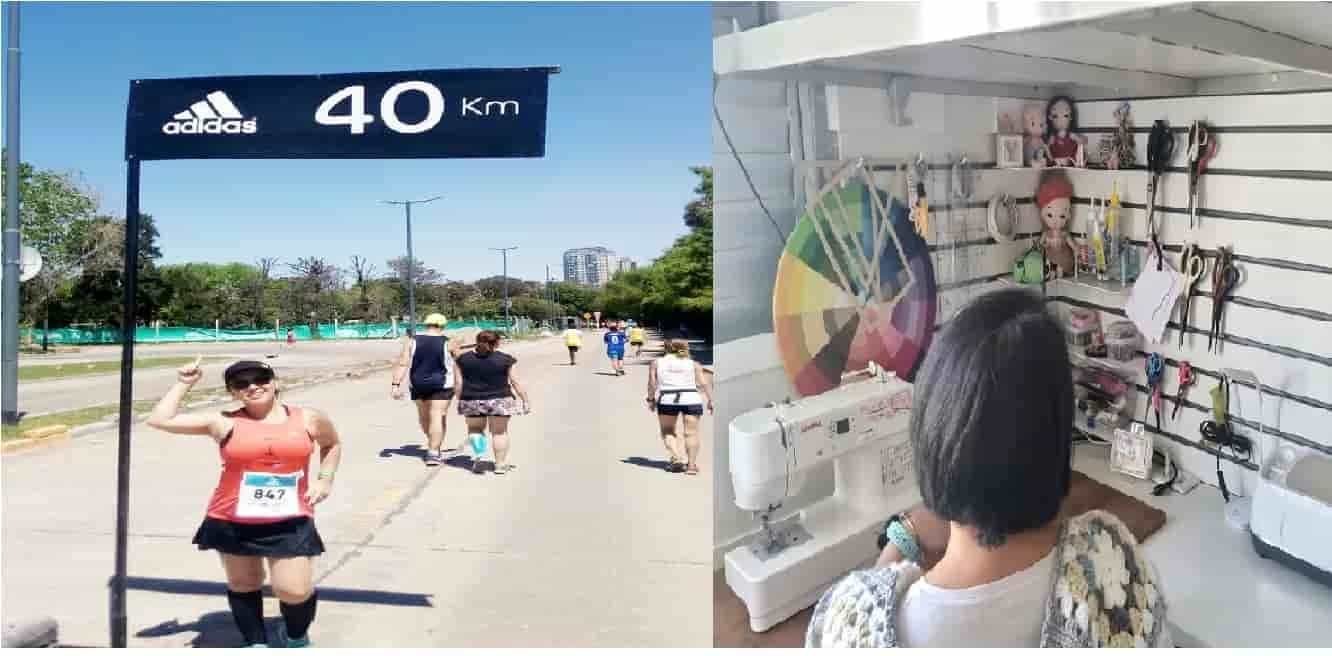
🏃♀️ Grit & Eye
Marathon endurance meets the precise, millimeter structural focus of a seamstress.
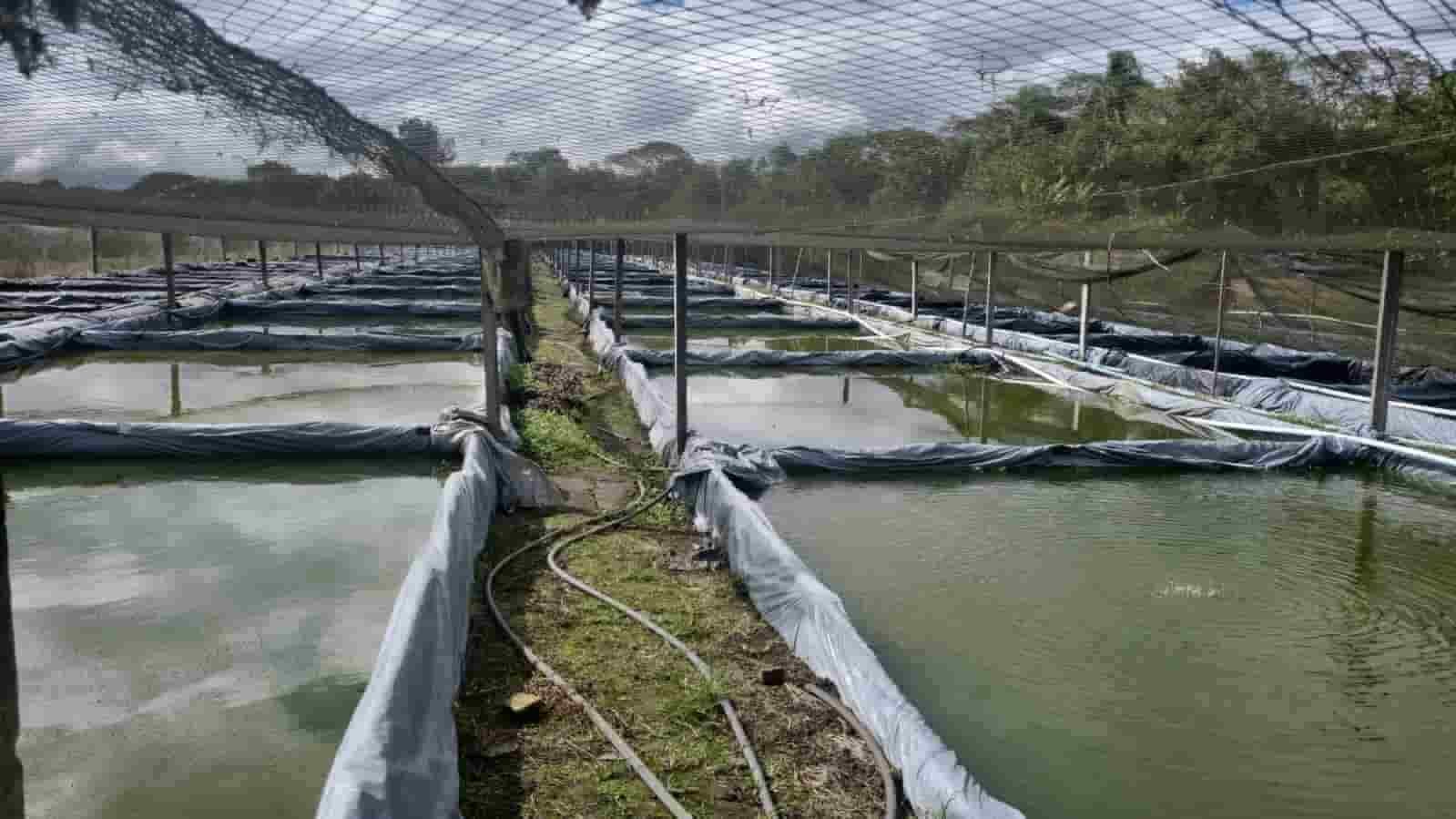
🐳 Monster Vats
Analyzing massive continuous turnovers inside large open-air mud farm vats.
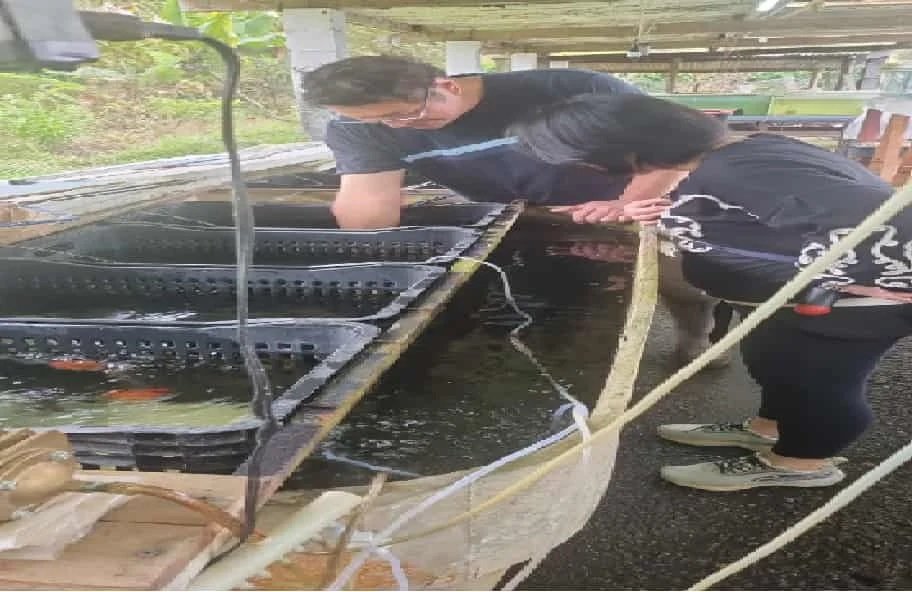
🤝 True Alliances
Working hand-in-hand with regional facility operations to target elite fancy bloodlines.
✨ Read also: K1 Fluidized Moving Beds in Sumps: The Heavy-Bioload Filtration Guide
A deeply technical piece of content that perfectly complements this post — absolutely worth the read.