
If you are tired of pulling gross, sludge-covered ceramic rings out of your filter every month, mastering k1 fluidized moving beds in sumps is the single most radical upgrade you can make for your heavy-bioload aquarium setup. Goldfish are absolute waste factories, and traditional static filter media simply cannot keep up without choking on detritus.
Most beginners get talked into buying high-end ceramic matrices or plastic bio-balls, stacking them neatly inside sump media bays, and assuming their water quality is bulletproof. Fast-forward three weeks, and those static media pores are suffocated under a thick layer of fish poop, turning your expensive bio-filter into an anaerobic nightmare that spikes ammonia and strips oxygen from your tank.
Fluidized moving bed technology solves this problem by using continuous air agitation to tumble wheel-shaped plastic media inside your sump chamber. Executing this setup creates a self-cleaning, hyper-oxygenated bacterial powerhouse that slaughters ammonia, saves you dozens of hours of dirty maintenance labor, and keeps your water crystal clear for years.
In the 30-Second Summary: The Fishroom Desk Verdict
Look, here is the raw, unfiltered truth straight from my 100-gallon goldfish room: static bio-media is obsolete for heavy-bioload freshwater tanks unless you enjoy scrubbing media bags in buckets of filthy water every fortnight. Fluidized K1 media constantly collides against itself inside the sump, knocking off dead, old bacterial biofilm and making room for young, vigorous, hungry nitrifying bacteria.
Your setup blueprint is simple: reserve a dedicated sump chamber, drop in genuine K1 or K1 Micro media (filling no more than fifty to sixty percent of the chamber volume), fire up a heavy-duty air pump with high-output diffusers, and secure the chamber outlets with slotted retention grids. Let physics and biology do the hard work while you sit back and enjoy your fish.
| Media Setup Category | Protected Surface Area (m²/m³) | Self-Cleaning Efficiency | Maintenance Labor Overhead | Battlefield Verdict |
|---|---|---|---|---|
| K1 Micro Fluidized Moving Bed | Extreme (~950 m²/m³) | Continuous Self-Cleaning | Zero (Self-Maintaining) | The absolute gold standard for compact sumps processing massive waste loads. |
| Classic K1 Fluidized Moving Bed | High (~800 m²/m³) | Continuous Self-Cleaning | Zero (Self-Maintaining) | Unbeatable for large sump chambers with heavy air pump flow rates. |
| Static Porous Sintered Glass Rings | High (~600-800 m²/m³) | Zero (Accumulates Sludge) | High (Bi-Weekly Tank Water Rinsing) | Great surface area initially, but clogs rapidly in heavy goldfish tanks. |
| Submerged Plastic Bio-Balls | Low (~150-300 m²/m³) | Low (Traps Waste in Gaps) | High (Requires Heavy Flushing) | A waste of sump volume for submerged use; keep them in wet/dry trickles only. |
Evaluating Sump Bio-Media: Battlefield Assessments
1. K1 Micro Fluidized Moving Bed Media
The Good: Engineered with a smaller wheel diameter than classic K1, offering significantly higher protected surface area per cubic meter. The tiny plastic wheels fluidize effortlessly even with moderate air pump flow rates, making them perfect for smaller sump bays.
The Bad: Because the media pieces are small, you must use fine mesh screens or tightly slotted retention plates over your sump baffles. If your retention grid slots are a millimeter too wide, K1 Micro will escape into your return pump chamber and jam the impeller.
2. Classic K1 Fluidized Moving Bed Media
The Good: The industry standard for large commercial fish farms and koi ponds. The heavy plastic wheel structure withstands years of violent tumbling without cracking, knocking off old, inactive bacteria while protecting young nitrifiers inside its internal wheel spokes.
The Bad: Brand new, dry K1 media is extremely buoyant and slick. It requires a break-in period of two to four weeks to form a biological slime coat before it stops clumping at the surface and tumbles smoothly in the water column.
3. Static Sintered Glass & Ceramic Media
The Good: Exceptional initial surface area that provides immediate biological colonizing space for nitrifying bacteria (*Nitrosomonas* and *Nitrospira*).
The Bad: Static media acts like a mechanical sponge filter for solid fish waste. Without aggressive, flawless mechanical pre-filtration ahead of the media bay, detritus settles into the ceramic pores, suffocates the bacteria, and creates toxic anaerobic pockets.
K1 Fluidized Moving Beds in Sumps: The Realities of the Battlefield
Pet shop marketing brochures love pushing neat, stacked boxes of ceramic rings, bio-chem pouches, and glossy plastic accessories.
BUT
Real-world aquatic mechanics prove that static media beds lose up to fifty percent of their biological processing capacity within months due to detritus accumulation and dead biofilm buildup.
When you feed four large fancy goldfish a high-protein diet, they produce heavy amounts of solid waste and pure ammonia. In a static media bay, dead bacterial cells build up on top of live colonies, forming a barrier that prevents fresh, oxygenated, ammonia-rich water from reaching the underlying nitrifiers.
Maintaining high-performance bio-filtration requires unyielding physical efficiency, just like training for long-distance trail running. If you try to fuel a long-distance runner on cheap, processed junk food and sugary artificial snacks, their digestive system inflames, their metabolic energy crashes, and their stamina vanishes halfway up a mountain. Conversely, fueling your physical framework with clean, nutrient-dense grass-fed meat and its natural fat supplies steady cellular energy, dense muscle power, and absolute physical endurance under stress. Static, clogged ceramic media acts like junk food inside your sump—it looks functional on the surface but fails under heavy operational strain. Fluidized K1 media acts like pure metabolic muscle, constantly shedding waste to maintain peak biological output.
Noise and air management represent another major battlefield hurdle. Running a fluidized K1 chamber requires a powerful air pump pushing heavy volume through air stones or disc diffusers inside your cabinet.
If you do not isolate your air pump on vibration-damping rubber feet and install micro-bubble traps before the return pump bay, your living room will sound like a buzzing workshop, and your main display tank will be filled with ugly floating micro-bubbles.
Hypothetical Failure Scenario: The Static Media Sludge Disaster
Consider an intermediate hobbyist who builds a 100-gallon aquarium for a group of prized Oranda goldfish. Wanting maximum filtration, they purchase a large 30-gallon sump and pack the central chamber full of expensive ceramic media bags, skipping a fluidized K1 setup because they were afraid of air pump noise.
For the first two months, the tank runs clear. However, the hobbyist uses low-grade mechanical filter pads ahead of the media bay that allow fine goldfish waste to pass through. The solid detritus settles directly into the ceramic media bags, coating the microscopic pores in dark brown sludge.
As the ceramic pores clog, the oxygen level inside the media bags drops to zero. A massive anaerobic bacterial bloom takes over, killing off the beneficial nitrifying bacteria. Suddenly, a severe ammonia spike strikes the tank overnight, burning the fish’s delicate gills and forcing them to cower at the bottom of the tank.
The hobbyist did not suffer a mystery equipment failure; they suffered a predictable maintenance trap. By choosing static media over a self-cleaning fluidized bed in a heavy-bioload system, they allowed detritus to destroy their biological filter.
👇 Looking for more performance cheats? Check out our field-tested tactical blueprints:
The Goldfish Ecosystem Blueprint
Complete your advanced technical training loop by exploring our core evergreen resources.
How to Feed Goldfish for Maximum Lifespan
A deep breakdown of digestive tract mechanics, bloating prevention, and premium sinking diets.
How to Maintain a 100 Gallon Goldfish Tank
Large-scale system parameters. Deep sand bed mechanics, nitrogen cycling, and bioload management.
Ultimate Guide to Goldfish Tank Filtration
Heavy-duty hardware configurations. Optimizing parallel canisters, bio-media setups, and automation.
Actionable Field Execution Checklist
- Design k1 fluidized moving beds in sumps using dedicated media chambers.
Pro-Tip: Ensure your moving bed chamber sits directly downstream of high-efficiency mechanical pre-filtration (like coarse sponges or filter socks) to keep raw fish poop out of the media bay. - Fill the fluidized chamber to forty or fifty percent total media volume.
Pro-Tip: Never overfill a moving bed chamber past sixty percent capacity; K1 media requires open water space to tumble freely without clumping at the top. - Deploy a heavy-duty diaphragm or linear piston air pump.
Pro-Tip: Choose an air pump rated for higher pressure output than standard desktop bubblers to ensure intense, violent tumbling action across the entire media bed. - Install heavy rubber air disc diffusers at the bottom of the chamber.
Pro-Tip: Place air diffusers flat against the bottom acrylic panel to prevent dead spots where K1 media can settle motionless in corners. - Accelerate new K1 media break-in using pure ammonium chloride or seed cultures.
Pro-Tip: Soak new, slick K1 media in a bucket of mature tank water with a dose of nitrifying bacteria for a week to build the sticky initial bio-coat needed for tumbling. - Secure chamber baffles with laser-cut acrylic or stainless steel retention grids.
Pro-Tip: Ensure retention grid slot widths are smaller than your chosen media diameter (especially for K1 Micro) to stop media pieces from escaping into the return pump bay. - Install bubble trap baffles between the K1 chamber and return pump bay.
Pro-Tip: Use an under-over-under baffle configuration with fine foam block inserts to catch stray air bubbles before they enter the return pump impeller. - Isolate air pumps on thick foam pads to eliminate cabinet vibration noise.
Pro-Tip: Set heavy air pumps on closed-cell neoprene foam blocks or suspend them with bungee cords inside the aquarium stand to absorb low-frequency hums. - Inspect and clean mechanical pre-filter socks twice per week.
Pro-Tip: Swapping filter socks frequently stops solid waste from breaking down into liquid organics, maximizing the nitrifying performance of your K1 moving bed. - Perform monthly visual inspections of the K1 tumbling pattern.
Pro-Tip: If media stops moving smoothly and forms a floating mat at the surface, clean the air diffusers or increase air pump output to restore fluidization. - Never scrub, boil, or chemically clean mature K1 moving bed media.
Pro-Tip: The dark, rich tan or brown color on mature K1 media is living nitrifying bacteria; let the rolling fluidization action handle all cleaning automatically.
Dynamic No-Nonsense FAQ
How long does it take for brand new K1 media to mature and start sinking?
New K1 media takes two to four weeks to build a sticky biological slime coat. Until bacteria colonize the plastic surfaces, the media remains buoyant and will float at the surface in a clump.
Can I use K1 moving beds in a standard canister filter?
No. Canister filters are sealed, pressurized units with insufficient air flow to fluidize K1 media. Moving beds require open sump chambers powered by heavy-duty air pumps.
What air pump size do I need for a K1 fluidized sump chamber?
Select an air pump that delivers at least 15 to 30 liters of air per minute per 50 liters of K1 media to guarantee aggressive, continuous tumbling action across the chamber.
Does K1 media ever need to be replaced?
Never. Genuine high-density polyethylene K1 media lasts indefinitely. It does not break down, crumble, or dissolve over time like cheap ceramic rings or porous volcanic rock.
Why is my K1 media clumping together at the top of the sump chamber?
Clumping happens when the media is brand new (lacks a bio-coat), the air pump output is too weak, or you have overfilled the chamber past sixty percent total volume capacity.
Is K1 Micro better than classic K1 media for goldfish tanks?
Yes, for smaller sumps. K1 Micro offers roughly 950 m²/m³ of protected surface area compared to 800 m²/m³ for classic K1, giving you more biological processing power per liter of space.
Will a fluidized K1 moving bed lower my tank’s nitrates?
No. K1 moving beds are ultra-aerated aerobic biological filters that convert toxic ammonia and nitrite into nitrate rapidly. You must still execute routine water changes to export final nitrates.
Can I mix static ceramic rings and fluidized K1 media in the same sump?
Yes, provided they are in separate chambers. Keep your mechanical pre-filtration first, followed by static bio-media for initial settling, and finish with the fluidized K1 chamber for maximum polishing.
🛡️ │ WHY TRUST SKYTC GOLDFISH CARE CURATION?
At SKYTC, we hold aquatic ecosystem biology and biological parameter handling to a rigorous standard. We are not an automated affiliate review engine; we apply hands-on tests and serious filtration engineering workflows to ensure every recommendation guarantees the health and maximum lifespan of your fish with absolute safety.
✓ Engineering:
Structural experience backed by heavy-duty filtration math, continuous hydraulic turnover metrics, and robust mechanical support for large-scale coldwater systems.
✓ Expertise:
Focuse on preventative biological husbandry and premium nutrition. Thoroughly auditing biological media, sinking feeds, and elements that completely neutralize ammonia spikes.
✓ Authority:
Curation signed by real keepers running a balanced 100-gallon display ecosystem for over 8 years, pairing daily practical benchwork with direct wholesale breeder insights.
✓ Trust:
Product selections built on unfiltered transparency—exposing actual electrical draws, heat dissipation issues, and hidden costs before any Amazon recommendations.
📸 Our Journey in the Real World
From daily living room tank turn rates to macro-scale breeding setups.
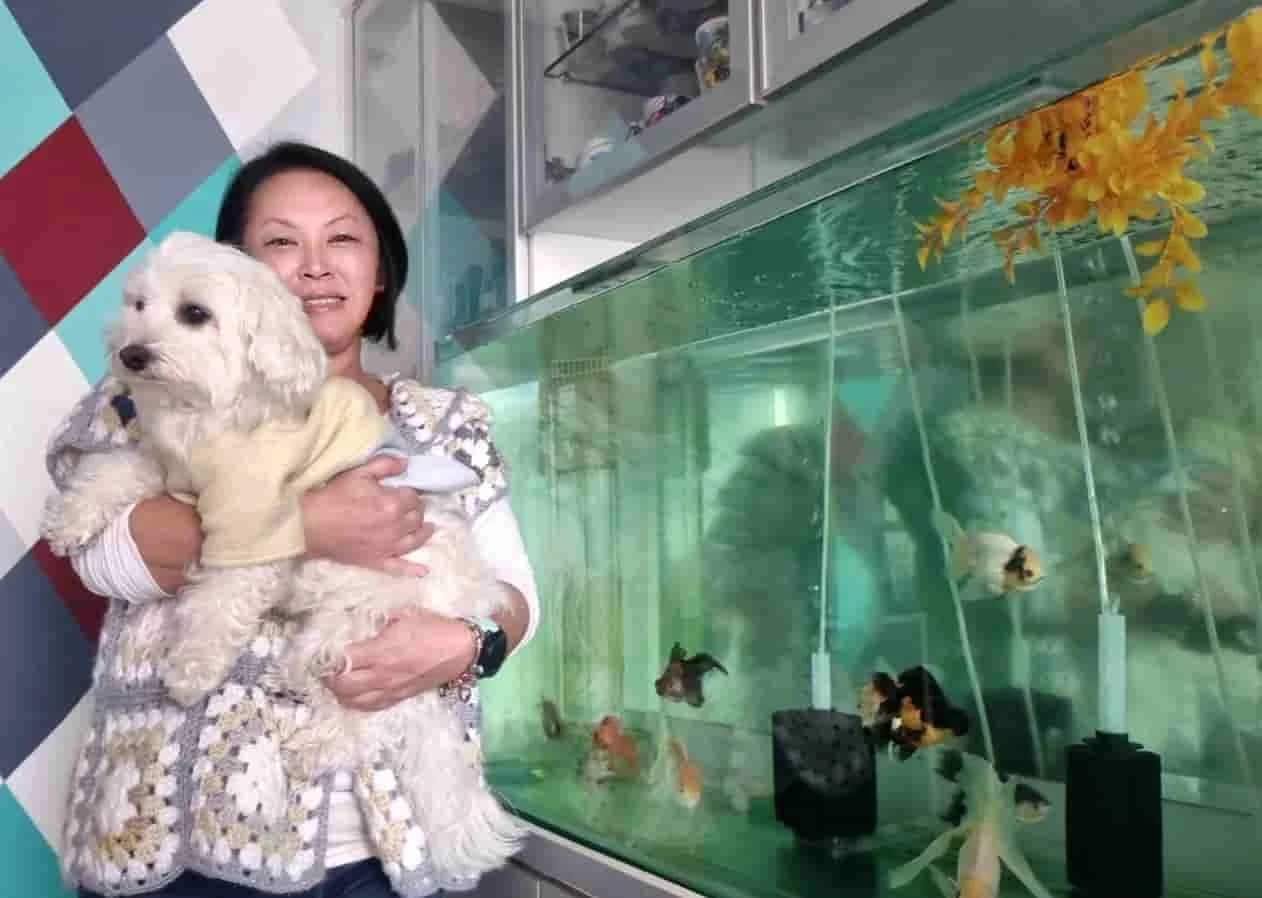
🏠 The 100G Lab
Where we torture test every hardware option, pellet line, and filter layout live.

🏃♀️ Grit & Eye
Marathon endurance meets the precise, millimeter structural focus of a seamstress.
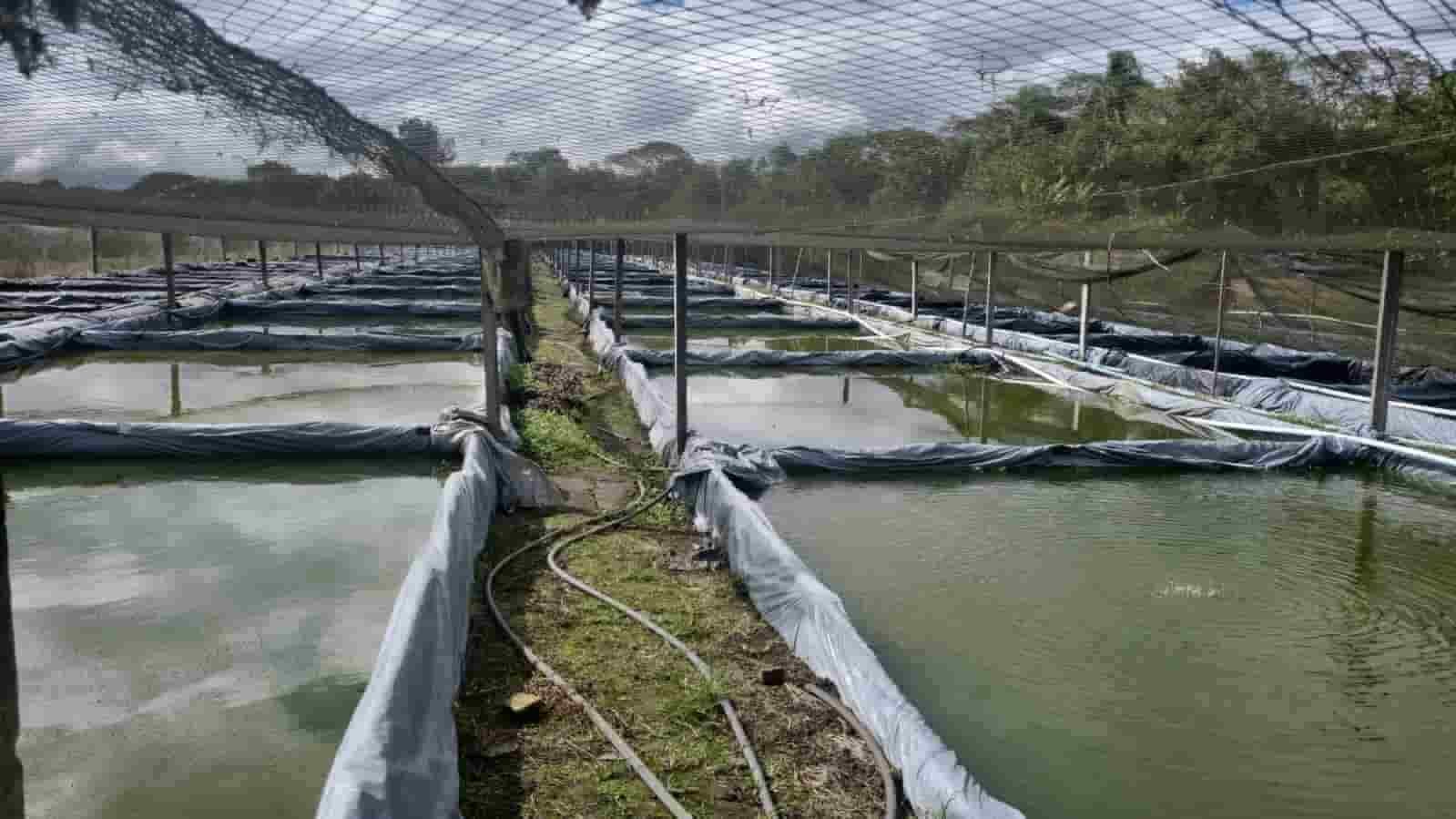
🐳 Monster Vats
Analyzing massive continuous turnovers inside large open-air mud farm vats.
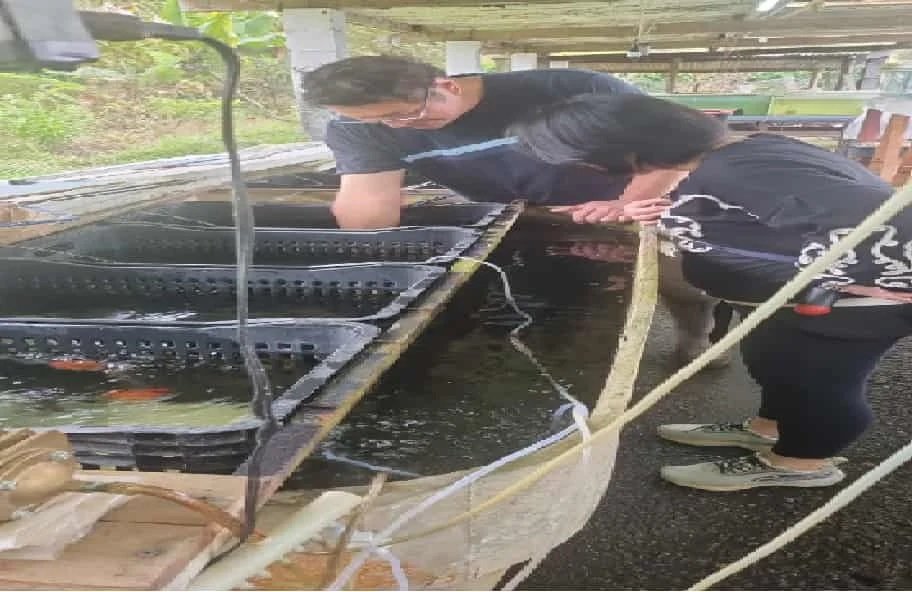
🤝 True Alliances
Working hand-in-hand with regional facility operations to target elite fancy bloodlines.
✨ Read also: How to Prevent Sump Overflows Tech: The Zero-Flood Blueprint
> A deeply technical piece of content that perfectly complements this post — absolutely worth the read.