
There is no worse nightmare in the aquarium hobby than waking up at two in the morning to the sound of rushing water, stepping out of bed, and plunging your bare feet into soaked carpet. Learning how to prevent sump overflows tech is not some nerdy optional luxury for over-caffeinated engineers—it is your mandatory insurance policy against turning your living room floor into a destroyed, waterlogged disaster area.
Most beginner aquarists set up a sump filter, toss a return pump into the back chamber, and assume gravity will play nice forever. Then a momentary power outage strikes, back-siphon suction kicks in, or a single rogue snail crawls down the main drain pipe, locking up the flow and dumping fifty gallons of dirty water straight onto your electrical strip.
Mastering real fluid mechanics and deploying multi-layered mechanical fail-safes grants you total peace of mind over your aquatic setup. Implementing true zero-overflow engineering saves you from catastrophic home repair bills, protects your heavy-bioload fish from sudden water crashes, and keeps your system rock-solid for decades.
In the 30-Second Summary: The Fishroom Desk Verdict
Look, here is the raw, unfiltered truth straight from my fishroom bench: relying on a single cheap plastic check valve to stop a back-siphon is complete financial madness. Check valves trap debris, accumulate slime coats, and fail when you least expect them. If your sump setup does not feature physical anti-siphon drill holes on the return lines, a dual-standpipe drain system, and calculated sump capacity headroom, your living room floor is living on borrowed time.
Your zero-flood action plan is simple: drill physical siphon breaks right below the water surface on all return nozzles, size your sump water level so it easily holds your display tank’s drain-down volume during a power failure, and deploy dual optical auto-top-off sensors with smart timeout logic. Stop trusting cheap plastic gadgets and start trusting basic physics.
| Fail-Safe Technology Category | Fluid Mechanics Principle | Primary Failure Mode | Maintenance Overhead | Battlefield Verdict |
|---|---|---|---|---|
| Physical Anti-Siphon Air Breaks | Atmospheric Pressure Equalization | Algae or Biofilm Clogging Hole | Low (Weekly Needle Clean) | The absolute gold standard; zero mechanical parts to fail. |
| Dual-Standpipe Systems (Herbie/Bean) | Emergency Full-Siphon Redundancy | Simultaneous Dual Drain Blockage | Low (Occasional Snail Inspection) | Mandatory for high-flow, heavy-bioload aquariums. |
| Dual Optical ATO Sensors with Logic | Refractive Infrared Beam Interruption | Salt Creep / Snail Covering Lens | Moderate (Monthly Lens Wipe) | Essential for preventing return pump chamber overfilling. |
| Spring-Loaded Swing Check Valves | Mechanical Backflow Flapper Block | Gasket Calcification / Snail Jam | High (Frequent Disassembly) | A dangerous false sense of security; do not rely on it alone. |
Evaluating Overflow Prevention Tech: Battlefield Assessments
1. Physical Anti-Siphon Air Break Holes
The Good: Uses pure atmospheric physics. By drilling small holes into your return pipes just below the normal operating water line, air immediately breaks the reverse vacuum suction the moment your return pump loses electrical power, stopping the back-siphon instantly.
The Bad: Benthic algae, surface scum, and snail trails can seal these tiny holes over time. If you do not clean them during your routine maintenance shifts, a clogged air break will allow the siphon to drag water down into your sump until your display tank drains to the nozzle tip.
2. Dual and Triple Standpipe Drain Systems
The Good: Features a primary siphon drain tuned for quiet flow, backed up by a completely open dry emergency pipe set slightly higher. If a stray leaf or snail blocks your primary drain line, the rising water instantly spills down the dry emergency pipe, completely bypassing your display tank rim.
The Bad: Requires drilling multiple bulkhead holes into your glass or purchasing a multi-port external overflow box. It adds plumbing bulk behind your aquarium stand.
3. Dual Optical Auto-Top-Off (ATO) Controllers
The Good: Optical sensors use solid-state infrared beams to detect water levels without mechanical float arms that get stuck on slime. High-end setups include a secondary safety sensor and an internal controller timer that cuts power to the freshwater pump if it runs longer than a few minutes.
The Bad: Intense light leak from under-tank refugium grow lights can confuse optical sensors, while heavy salt creep can obscure the lens and trigger false low-water signals.
How to Prevent Sump Overflows Tech: The Realities of the Battlefield
Commercial aquarium brands spend millions marketing slick plug-and-play sump kits and automatic water-level gadgets.
BUT
Real-world fishroom conditions prove that salt creep, snail proliferation, and electrical brownouts will ruthlessly destroy flimsy mechanical fail-safes.
Pet shop salespeople love pushing cheap swing check valves as a bulletproof siphon fix. They tell you to glue a plastic flapper valve into your return plumbing, promising it will seal tight when the power cuts out. What they do not tell you is that calcium deposits, organic detritus, and micro-snails wedge into the valve seat within weeks, holding the flapper open and dumping water straight past the dead valve.
Building a zero-flood sump setup requires unyielding physical discipline, just like maintaining elite physical conditioning for long-distance running. If you try to fuel a marathon runner on cheap synthetic junk food and sugary snacks, your body crashes, your digestive system inflames, and your stamina vanishes miles before the finish line. Conversely, fueling your physical engine with dense, clean grass-fed meat and its natural fat provides sustained cellular energy, dense muscle power, and absolute physical resilience. Flimsy check valves and single-float switches act like junk food in your aquarium setup—they promise easy fixes but break down under pressure. True physical siphon breaks and calculated sump headroom provide the pure, unadulterated stamina your system needs to survive power outages.
Sump water level calculation is another major battlefield point of failure. Novice aquarists fill their sump return chambers to the absolute brim while the pump is running, leaving zero empty volume to catch the back-flow water when gravity reverses.
When the return pump stops, the top two inches of display tank water drain down before air breaks the siphon. If your sump chamber does not have enough empty gallon capacity headroom to absorb that back-flow volume, water spills onto your floor regardless of how expensive your return pump was.
Hypothetical Failure Scenario: The Check Valve Disaster
Consider an intermediate aquarist maintaining a high-bioload fancy goldfish tank equipped with a 30-gallon under-tank sump. Wanting a clean look, they run the return nozzles deep into the middle of the display tank for better circulation, relying exclusively on a single bargain-bin check valve to stop back-siphoning.
During a summer thunderstorm, the neighborhood suffers a three-hour power outage. The return pump cuts out instantly. The deep return nozzles immediately create a powerful back-siphon, pulling water backward down the return plumbing.
A tiny nerite snail, attracted to the algae inside the return nozzle, gets sucked backward into the check valve mechanism, wedging itself directly inside the rubber flapper seat. The check valve fails completely, allowing hundreds of pounds of water to siphon out of the main display tank, overflow the 30-gallon sump, and destroy the living room floorboards below.
The hobbyist did not suffer a mystery catastrophe; they suffered a predictable failure of mechanical reliance. By failing to drill physical siphon break holes near the water line and ignoring sump headroom math, a simple snail ruined their home.
👇 Looking for more performance cheats? Check out our field-tested tactical blueprints:
The Goldfish Ecosystem Blueprint
Complete your advanced technical training loop by exploring our core evergreen resources.
How to Feed Goldfish for Maximum Lifespan
A deep breakdown of digestive tract mechanics, bloating prevention, and premium sinking diets.
How to Maintain a 100 Gallon Goldfish Tank
Large-scale system parameters. Deep sand bed mechanics, nitrogen cycling, and bioload management.
Ultimate Guide to Goldfish Tank Filtration
Heavy-duty hardware configurations. Optimizing parallel canisters, bio-media setups, and automation.
Actionable Field Execution Checklist
- Implement how to prevent sump overflows tech through physical anti-siphon drill holes.
Pro-Tip: Drill two separate 1/8-inch holes into your return pipes just below the normal water line, providing a redundant air break if one hole gets blocked by algae. - Calculate your sump’s emergency back-flow volume headroom.
Pro-Tip: Multiply your display tank length by width by drain-down depth in inches, divide by 231, and ensure your sump operating level leaves that exact gallon volume free. - Deploy a dual-standpipe Herbie or triple-standpipe BeanAnimal overflow drain.
Pro-Tip: Keep your dry emergency standpipe completely unobstructed and set slightly above the primary siphon drain line to handle sudden main line clogs instantly. - Position return nozzle outlets near the display tank water surface.
Pro-Tip: Placing return outlets close to the surface minimizes the physical water depth that can siphon backward into your sump before air breaks the vacuum. - Use dual optical sensors on your auto-top-off (ATO) system.
Pro-Tip: Optical sensors eliminate mechanical float arm jams, while dual sensors prevent your ATO reservoir from dumping excess freshwater into your return chamber. - Clean anti-siphon air break holes during every weekly water change shift.
Pro-Tip: Use a stainless steel needle or small brush to clear organic biofilm and micro-algae out of the air break holes every single week. - Install high-level water leak sensor alarms inside your aquarium cabinet.
Pro-Tip: Place battery-backed moisture alarm probes flat on the cabinet floor and near your power strip to alert you the second a micro-drip begins. - Install smart power strips linked to high-water float switches.
Pro-Tip: Configure an emergency float switch near the top rim of your display tank to automatically cut power to your return pump if the main drain slows down. - Avoid relying on spring-loaded check valves as your primary siphon stop.
Pro-Tip: If you use a check valve for head-pressure maintenance, treat it as a secondary convenience tool while relying 100% on physical air breaks for flood defense. - Perform a simulated power outage test once a month.
Pro-Tip: Pull the main return pump power plug manually while standing right in front of your sump to verify that the back-flow water level stops safely below the rim. - Install mesh strainers over all primary overflow drain intakes.
Pro-Tip: Secure coarse mesh or slotted strainers over drain pipes to prevent inquisitive goldfish, snails, or loose plant leaves from entering the main plumbing.
Dynamic No-Nonsense FAQ
Will a check valve completely protect my sump from overflowing during a power outage?
No. Check valves regularly fail due to snail shell obstruction, algae growth, or calcification along the rubber seal. You must use physical anti-siphon holes and calculated sump headroom instead.
How far below the water surface should I drill my anti-siphon holes?
Drill them approximately one-quarter to one-half inch below your normal operating water level. This ensures they stay submerged during operation but break the siphon almost instantly when the pump stops.
Why is my auto-top-off system overflowing my sump return chamber?
This happens when mechanical float switches get stuck in the down position due to snail interference or slime build-up. Upgrade to a dual optical ATO system equipped with a maximum run-timer safety cutoff.
How much empty space should I leave in my sump during normal operation?
You must leave enough empty volume to absorb all the water that drains out of your display tank plumbing and surface layer during a complete power loss—typically two to three inches of sump height headroom.
What is the quietest overflow design that prevents floods?
The BeanAnimal triple-standpipe system. It runs a full siphon primary drain for dead silence, a secondary open-channel drain for flow fluctuations, and a dry emergency pipe for 100% flood protection.
Can snails really clog a two-inch drain pipe and flood a house?
Yes. A single large Apple Snail or a cluster of Nerite snails can easily wedge into a gate valve or drain elbow, causing water levels in the main display tank to rise rapidly until it overflows the rim.
Should I turn off my return pump during feeding time?
Only if your sump back-flow capacity and anti-siphon breaks are fully tested and proven. If your system is engineered correctly, cycling the return pump off daily should cause zero flood risk.
How do I stop my overflow box from making a loud gurgling suction sound?
Convert your drain system to a full-siphon design like a Herbie or BeanAnimal overflow. Full-siphon drains purge air completely out of the pipe, eliminating gurgling noises and improving flow stability.
🛡️ │ WHY TRUST SKYTC GOLDFISH CARE CURATION?
At SKYTC, we hold aquatic ecosystem biology and biological parameter handling to a rigorous standard. We are not an automated affiliate review engine; we apply hands-on tests and serious filtration engineering workflows to ensure every recommendation guarantees the health and maximum lifespan of your fish with absolute safety.
✓ Engineering:
Structural experience backed by heavy-duty filtration math, continuous hydraulic turnover metrics, and robust mechanical support for large-scale coldwater systems.
✓ Expertise:
Focuse on preventative biological husbandry and premium nutrition. Thoroughly auditing biological media, sinking feeds, and elements that completely neutralize ammonia spikes.
✓ Authority:
Curation signed by real keepers running a balanced 100-gallon display ecosystem for over 8 years, pairing daily practical benchwork with direct wholesale breeder insights.
✓ Trust:
Product selections built on unfiltered transparency—exposing actual electrical draws, heat dissipation issues, and hidden costs before any Amazon recommendations.
📸 Our Journey in the Real World
From daily living room tank turn rates to macro-scale breeding setups.

🏠 The 100G Lab
Where we torture test every hardware option, pellet line, and filter layout live.

🏃♀️ Grit & Eye
Marathon endurance meets the precise, millimeter structural focus of a seamstress.
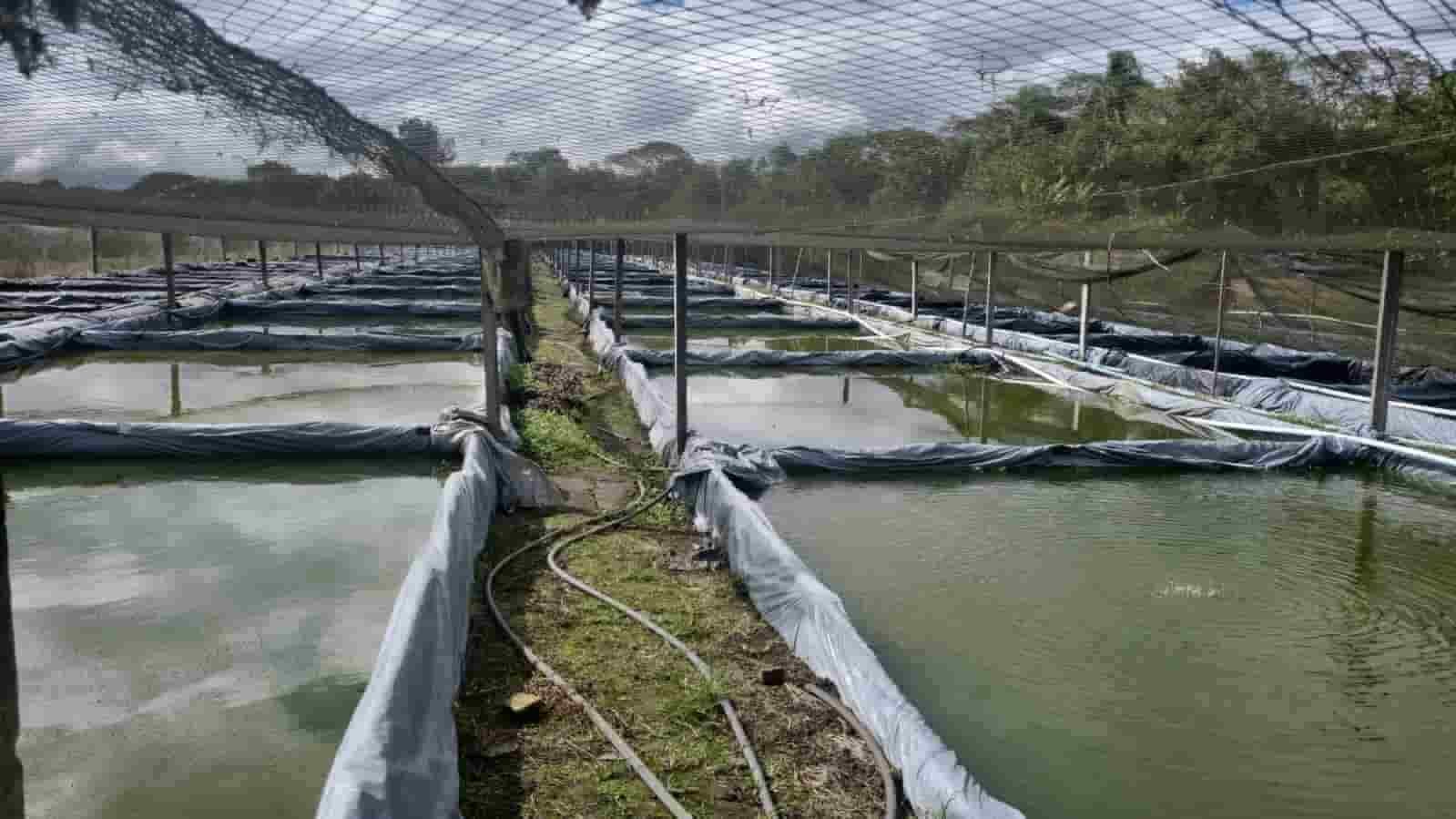
🐳 Monster Vats
Analyzing massive continuous turnovers inside large open-air mud farm vats.
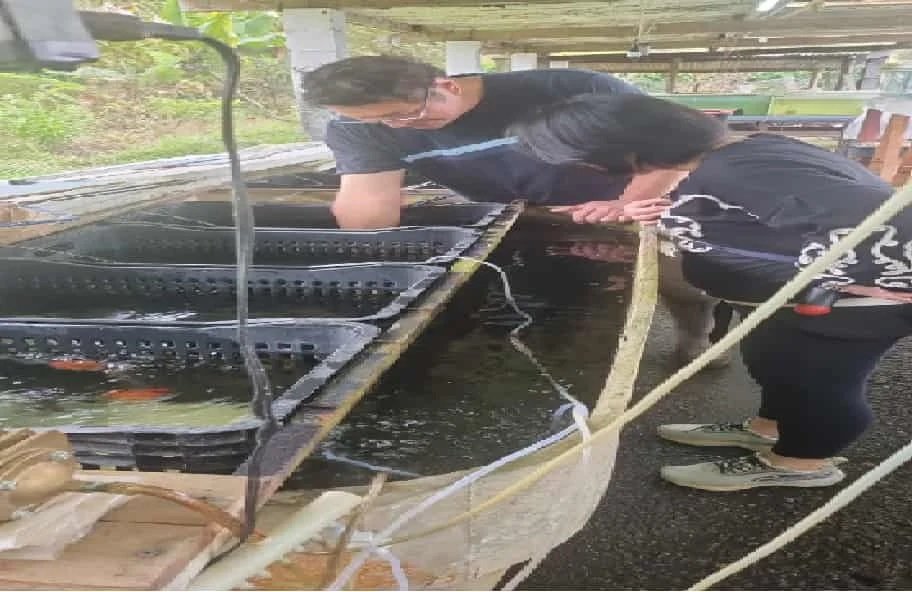
🤝 True Alliances
Working hand-in-hand with regional facility operations to target elite fancy bloodlines.
✨ Read also: Quiet Overflow Box Setups for Tanks: Hardware Engineer’s Fluid Mechanics Blueprint
> A deeply technical piece of content that perfectly complements this post — absolutely worth the read.