
You are lying in bed at three in the morning, listening to your aquarium sound like a flushing toilet every forty-five seconds while agonizing over whether a loose snail is about to flood your living room hardwood floor. Most beginner aquatic guides give you sloppy, trial-and-error advice, but mastering quiet overflow box setups for tanks requires the exact same fluid mechanics, acoustic isolation, and pressure-differential engineering we use to design high-throughput liquid cooling loops and industrial heat exchangers.
In my repair bay, Valtersky and my dedicated support team troubleshoot thermal and fluid routing failures every single day. When a gravity drain pipeline sucks air into the water column, it creates turbulent cavitation—the exact same violent vortex action that generates deafening gurgling noises and vibrates bulkhead seals until they leak. If your plumbing relies on a single un-shielded drain pipe, you are running a ticking time bomb without a fail-safe circuit breaker.
By building a multi-drain full siphon overflow system, you convert erratic air-water turbulence into a silent, laminar fluid stream while creating bulletproof flood redundancy. Taking control of this lab-tested plumbing blueprint saves you hundreds of hours of frustrating valve tweaking, protects your home from catastrophic water damage, and delivers absolute whisper-quiet acoustic performance.
30-Second Tech Support Counter Talk: The Zero-Fluff Verdict
Look, stop trying to quiet a noisy single-drain Durso pipe with air-line tubing hacks or cheap sponge mufflers. If your overflow box is slurping air, it is because you are running an open-channel drain instead of a true full siphon. Upgrade to a three-drain BeanAnimal or two-drain Herbie setup, install a precision high-grade gate valve on your primary siphon line, and set your emergency dry drain slightly above the water line. Run full siphon, purge the air, and eliminate the gurgle forever. Done.
Hardware Architecture Breakdown: Overflow Plumbing Designs
Before buying bulkheads or cutting PVC pipe, you must evaluate the fluid dynamic properties of different drain configurations. Our laptop hardware specialist analyzes aquatic drainage loops strictly on acoustic resonance damping, continuous volumetric flow rate, and mechanical fail-safe redundancy.
| Overflow Plumbing Architecture | Drain Line Configuration | Acoustic Damping Capacity | Flood Fail-Safe Redundancy | System Tuning Complexity |
|---|---|---|---|---|
| BeanAnimal Three-Drain System | Full Siphon + Open Channel + Dry Emergency | Superior (Zero Air Cavitation) | Exceptional (Triple Layer Redundancy) | Moderate (Initial Gate Valve Balance) |
| Herbie Dual-Drain Method | Full Siphon + Wet Secondary Drain | High (Near Silent Operation) | Solid (Single Backup Line) | Low (Simple Two-Pipe Tuning) |
| Stock Single Durso Standpipe | Open Air-Assisted Gravity Drain | Poor (Persistent Slurping Noises) | Zero (High Clog Hazard) | Low (Unstable Air-Water Mix) |
| Continuous Siphon HOB Box | External U-Tube Siphon Bridge | Fair (Vibrational Hiss) | Critical (Siphon Break Risk) | High (Frequent Air Purging) |
| Stock Single Bottom Drain Trap | Unrestricted Vertical Drop | Critical (Violent Waterfall Gurgle) | Zero (Instant Flood Risk) | Zero (Non-Adjustable Drop) |
Why Quiet Overflow Box Setups for Tanks Prevent Nightmarish Living Room Flooding
When you pump hundreds of gallons of water per hour from a sump up into a display tank, that same volume must fall back down through your overflow box under gravity acceleration. If air mixes with falling water inside the drain pipe, air bubbles compress and expand rapidly, producing loud, flushing acoustic spikes.
Just as human physical performance and joint longevity rely on real, nutrient-dense meat and its natural fat to maintain structural cartilage and systemic endurance rather than empty synthetic carbs, a high-throughput sump filtration loop requires thick-walled PVC, full-port gate valves, and clean fluid dynamics to run silently without structural breakdown. Running thin flexible tubing or restrictive ball valves starves your siphon and generates constant noise.
Here is how the primary overflow plumbing designs perform under continuous high-flow home operation:
1. BeanAnimal Three-Drain Siphon Systems
Battlefield Assessment: The gold standard of aquarium plumbing, featuring three dedicated drain lines: a full siphon primary, an open-channel secondary, and a completely dry emergency backup.
The Good: Absolute silent operation, massive volumetric flow capacity, and unmatched flood prevention that safely handles sudden pipe clogs.
The Bad: Requires an overflow box large enough to house three separate bulkheads, alongside more complex internal cabinet PVC routing.
2. Herbie Dual-Drain Plumbing Configurations
Battlefield Assessment: A streamlined two-drain system utilizing one valve-restricted full siphon line and one open-channel emergency overflow pipe.
The Good: Very quiet acoustic profile, simple installation footprint for smaller overflow weir boxes, and reliable emergency backup protection.
The Bad: If the primary siphon clogs, all excess flow dumps down the secondary line, producing a loud waterfall noise to alert you before flooding occurs.
3. Continuous Siphon Hang-On-Back (HOB) Boxes
Battlefield Assessment: External acrylic overflow boxes that pull water over non-drilled tank rims using U-tube siphon bridges.
The Good: Allows sump filtration on un-drilled glass aquariums without needing diamond hole saw drill bits or glass modifications.
The Bad: Air bubbles gradually accumulate in the top bend of the U-tube, eventually breaking the siphon and causing catastrophic sump pump flood disasters.
The Realities of the Battlefield
Aquarium plumbing manufacturers love marketing “plug-and-play” overflow kits featuring flexible corrugated hoses and quick-adjust plastic ball valves.
However, beneath that convenient packaging lies a mechanical engineering nightmare: corrugated hose ridges induce intense fluid turbulence that creates perpetual gurgling, while coarse ball valves lack the micro-threading needed to balance full siphon backpressure.
In our repair bay, we see fluid loops fail for simple, preventable reasons: cracked acrylic overflow walls, crushed bulkhead gaskets, and clogged drain strainers. When a cheap plastic ball valve is adjusted even one millimeter too far, the water level in the overflow weir swings wildly, shifting between complete air slurping and emergency pipe spillover.
Furthermore, installing bulkhead rubber gaskets incorrectly is a widespread user mistake. The smooth rubber gasket must sit on the flange side against glass inside the water chamber—never on the nut side where physical tightening friction twists and splits the rubber, leading to slow, hidden cabinet leaks that destroy floorboards.
Hypothetical Failure Scenario: The Single-Drain Durso Disaster
Consider an aquarist who installs a single-drain Durso standpipe setup on a hundred-gallon tank, using a cheap plastic ball valve on a flexible hose line. Wanting to quiet the slurping noise, the owner tightens the ball valve slightly to back up water inside the overflow weir box, creating a temporary full siphon without a secondary emergency line.
A small stray turbo snail crawls over the weir teeth and drops into the single open drain pipe. The snail lodges directly inside the ball valve restriction, reducing drain capacity by fifty percent. With no secondary emergency pipe to handle excess water, the return pump continues pushing thirty gallons per minute into the display tank.
Within three minutes, the display tank overflows over the glass rim, dumping twenty gallons of saltwater onto hardwood floors, short-circuiting power strips, and running the return pump dry until the motor burns out. The result: thousands in home flooring repairs and complete system paralysis—all because the setup lacked a multi-drain full siphon architecture.
👇 Looking for more performance cheats? Check out our field-tested tactical blueprints:
The Goldfish Ecosystem Blueprint
Complete your advanced technical training loop by exploring our core evergreen resources.
How to Feed Goldfish for Maximum Lifespan
A deep breakdown of digestive tract mechanics, bloating prevention, and premium sinking diets.
How to Maintain a 100 Gallon Goldfish Tank
Large-scale system parameters. Deep sand bed mechanics, nitrogen cycling, and bioload management.
Ultimate Guide to Goldfish Tank Filtration
Heavy-duty hardware configurations. Optimizing parallel canisters, bio-media setups, and automation.
Actionable Execution Checklist
Follow this field-tested lab macete to eliminate air gurgling, tune full siphon drains, and build a dead-silent overflow plumbing system:
- Master quiet overflow box setups for tanks using multi-drain plumbing.
Pro-Tip: Installing a full siphon primary drain alongside a dry emergency secondary line guarantees complete acoustic silence and failsafe flood protection. - Replace cheap plastic ball valves with precision gate valves.
Pro-Tip: Ball valves lack the micro-adjustment threads required to balance siphon backpressure, leading to continuous water level fluctuations. - Submerge main siphon drain outlets one inch below sump water.
Pro-Tip: Plunging drain pipes too deep creates backpressure resistance that prevents the siphon from purging trapped air pockets during system boot. - Inspect bulkhead rubber gaskets for proper seating orientation.
Pro-Tip: The smooth rubber gasket must sit on the flange side against glass, never on the nut side where twisting friction distorts the seal. - Install removable strainers over primary siphon drain intakes.
Pro-Tip: Bare pipe openings invite stray snails and plant debris to enter, causing sudden flow restrictions and unexpected emergency overflows. - Avoid using narrow corrugated flexible tubing on gravity drains.
Pro-Tip: Internal ridges in corrugated hose induce fluid friction and air turbulence, creating persistent gurgling noises throughout the pipe run. - Verify emergency drain pipes remain completely dry during normal operation.
Pro-Tip: Trickling water down an emergency pipe indicates your main siphon gate valve is open too wide, sacrificing siphon equilibrium. - Drill anti-siphon siphon-break holes in return pump outlet lines.
Pro-Tip: Positioning small air holes just below the display water line breaks reverse siphons immediately when main power cuts out. - Use heavy-gauge schedule forty PVC for all rigid plumbing.
Pro-Tip: Thin-walled consumer tubing vibrates under high fluid velocity, transmitting mechanical motor hum directly into cabinet panels. - Clean algae accumulation out of overflow weir teeth monthly.
Pro-Tip: Clogged weir teeth restrict water entry into the overflow box, artificially raising display tank water height to dangerous levels. - Perform annual dry-run power outage tests on sump capacity.
Pro-Tip: Simulating a total power failure proves whether your sump aquarium vessel has enough reserve volume to hold back-siphoned drain water.
Dynamic No-Nonsense FAQ
Why is my aquarium overflow box making a loud gurgling noise?
Gurgling occurs when air is sucked into the drain pipe alongside water, creating turbulent air bubbles. Converting your primary drain into a valve-restricted full siphon eliminates air intake entirely.
What is the difference between a Herbie and a BeanAnimal overflow setup?
Herbie uses two drains (one full siphon, one emergency). BeanAnimal uses three drains (one full siphon, one open-channel, one dry emergency), offering higher safety redundancy and easier tuning.
Why can’t I stop my overflow water level from bouncing up and down?
You are likely using a coarse ball valve or your siphon outlet is submerged too deep under sump water. Switch to a precision gate valve and set your drain outlet exit just one inch below water.
Are hang-on-back (HOB) overflow boxes safe from flooding?
They carry inherently higher risk. If air bubbles collect inside the U-tube siphon bridge, the siphon breaks, causing the return pump to overflow the display tank unless backed up by automatic float switches.
Why should I use a gate valve instead of a ball valve on my drain line?
Gate valves utilize micro-threaded lead screws that allow fractional millimeter adjustments. Ball valves jump suddenly when turned, making precise siphon balancing nearly impossible.
How far below the water surface should my siphon drain pipe sit?
Submerge the exit pipe exactly one to two inches below normal sump water levels. Deeper submersion builds backpressure that locks trapped air inside the pipe, preventing siphon startup.
Can I make a single-drain overflow box completely silent?
Not safely. Restricting a single drain with a valve to create a silent full siphon without an emergency secondary line guarantees a catastrophic home flood when a clog occurs.
How do I restart a full siphon automatically after a power outage?
Properly purged full siphon pipes restart automatically once water flow resumes, provided the primary drain exit is not submerged too deep and your return pump delivers consistent flow.
🛡️ │ WHY TRUST SKYTC GOLDFISH CARE CURATION?
At SKYTC, we hold aquatic ecosystem biology and biological parameter handling to a rigorous standard. We are not an automated affiliate review engine; we apply hands-on tests and serious filtration engineering workflows to ensure every recommendation guarantees the health and maximum lifespan of your fish with absolute safety.
✓ Engineering:
Structural experience backed by heavy-duty filtration math, continuous hydraulic turnover metrics, and robust mechanical support for large-scale coldwater systems.
✓ Expertise:
Focuse on preventative biological husbandry and premium nutrition. Thoroughly auditing biological media, sinking feeds, and elements that completely neutralize ammonia spikes.
✓ Authority:
Curation signed by real keepers running a balanced 100-gallon display ecosystem for over 8 years, pairing daily practical benchwork with direct wholesale breeder insights.
✓ Trust:
Product selections built on unfiltered transparency—exposing actual electrical draws, heat dissipation issues, and hidden costs before any Amazon recommendations.
📸 Our Journey in the Real World
From daily living room tank turn rates to macro-scale breeding setups.
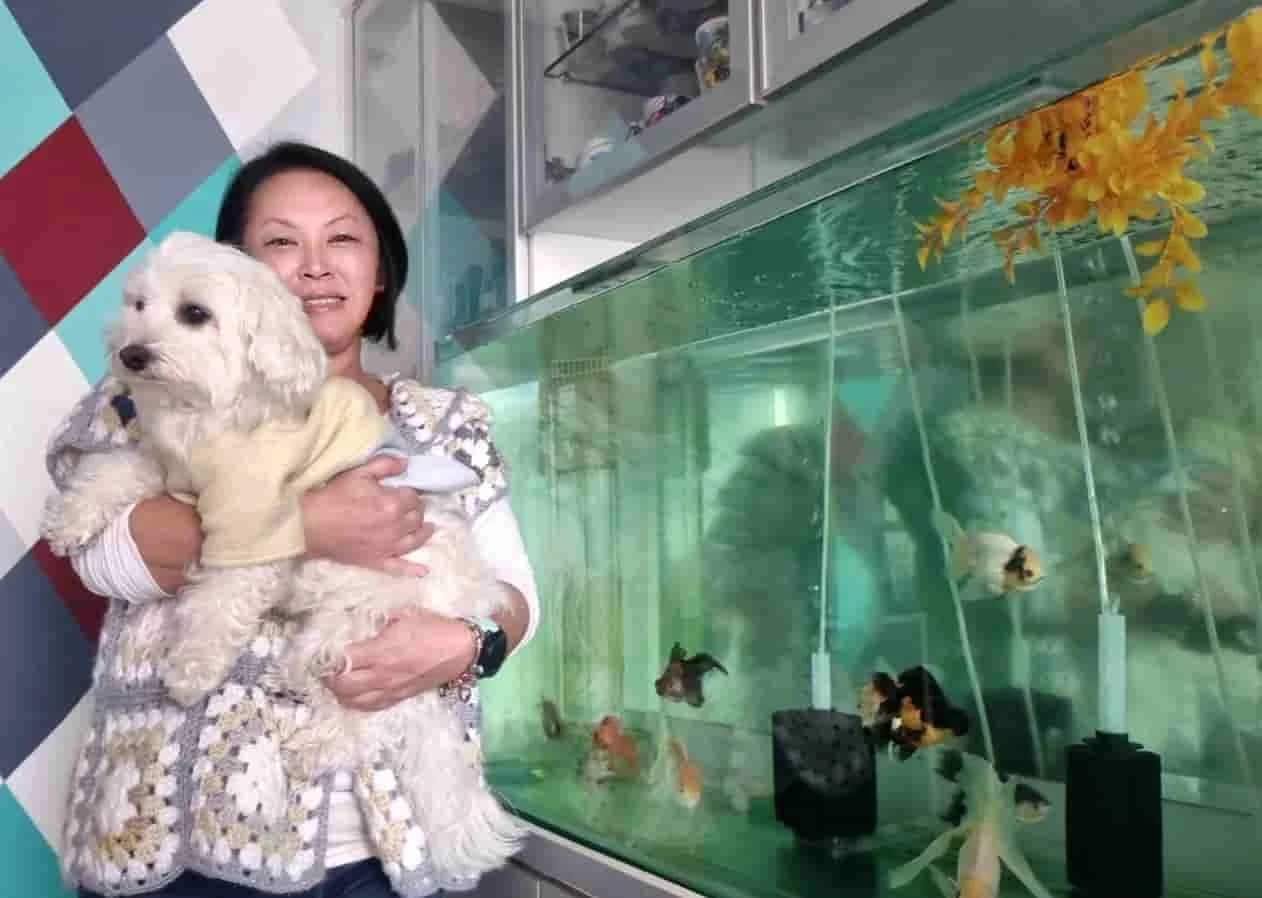
🏠 The 100G Lab
Where we torture test every hardware option, pellet line, and filter layout live.

🏃♀️ Grit & Eye
Marathon endurance meets the precise, millimeter structural focus of a seamstress.
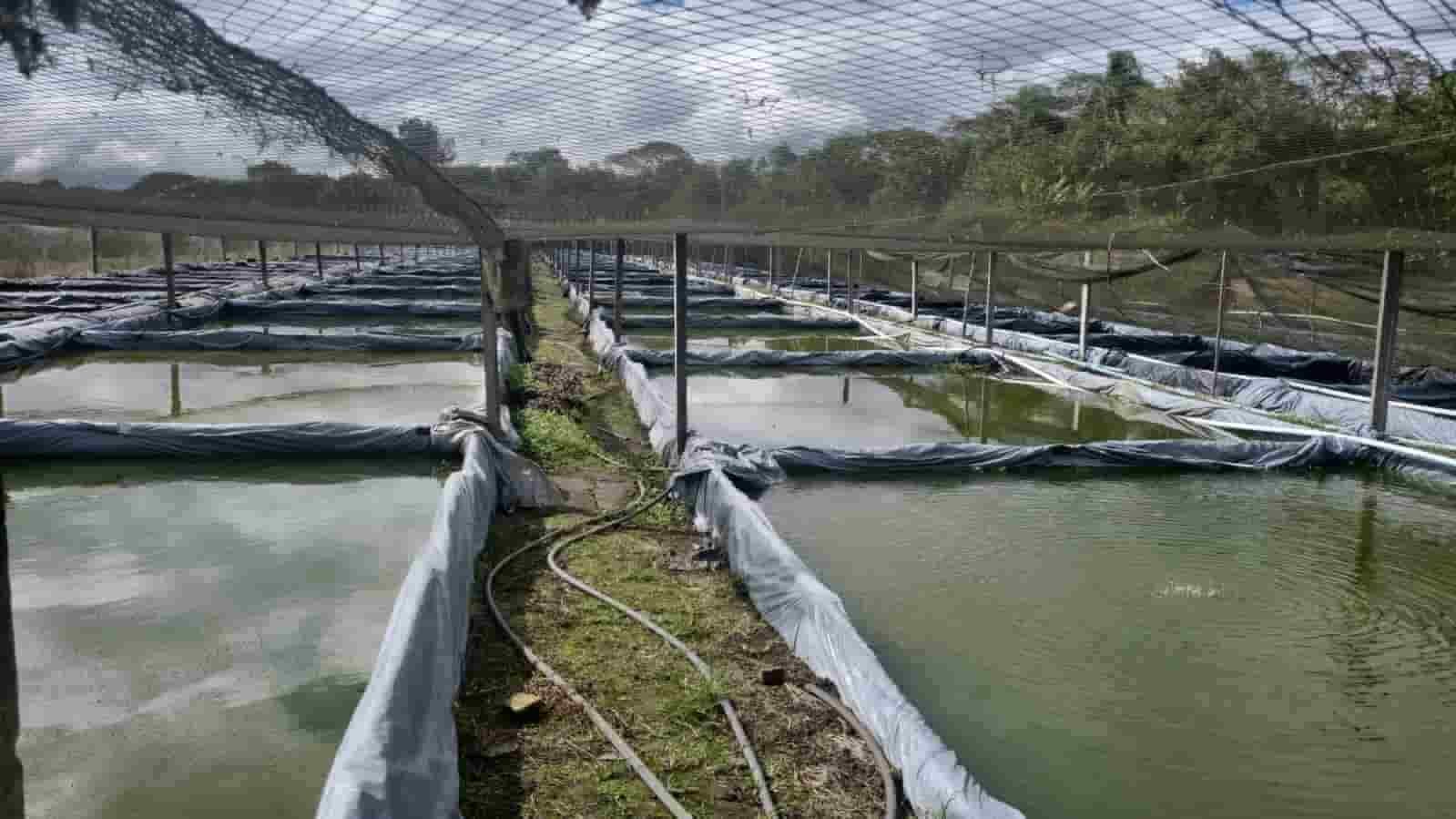
🐳 Monster Vats
Analyzing massive continuous turnovers inside large open-air mud farm vats.
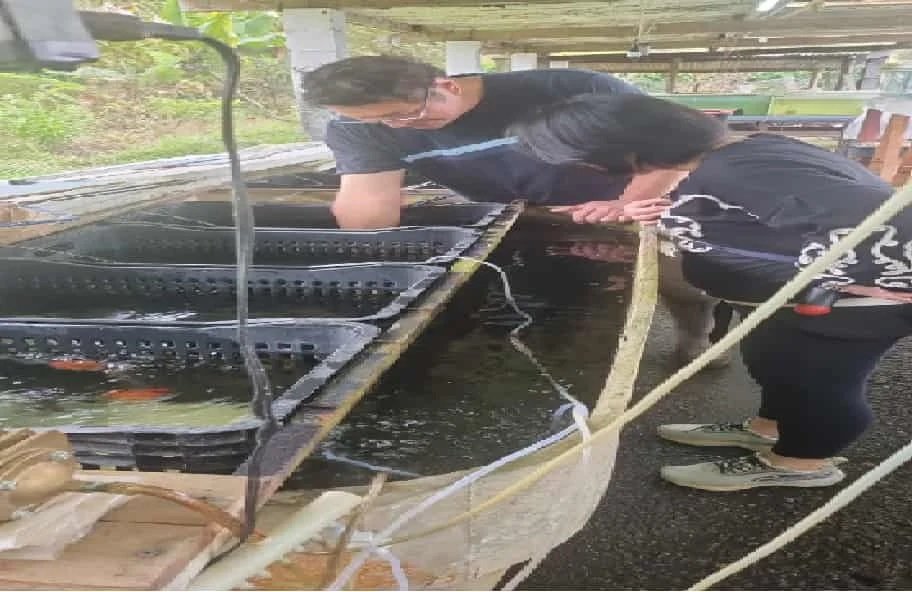
🤝 True Alliances
Working hand-in-hand with regional facility operations to target elite fancy bloodlines.
✨ Read also: (Best Return Pumps for Large Sumps: The Raw 100-Gallon Field Blueprint)
A deeply technical piece of content that perfectly complements this post — absolutely worth the read.