
You spent weeks building a massive sump filtration system, plumbed your drain lines, packed your chambers with bio-media, and now you are sitting on the floor listening to a bargain-bin pump vibrate your entire living room wall. Searching for the best return pumps for large sumps is where most hobbyists get scammed by flashy flow rate stickers that collapse the second water has to travel four feet upward against gravity.
I have spent eight continuous years managing high-bioload freshwater setups, including my main 100-gallon display tank stocked with heavy-waste fancy goldfish. By day, I stitch heavy industrial fabrics as a professional seamstress; in my spare time, I train for long-distance marathons. When you are running 20 miles or sewing high-stress seams, low-grade components mean catastrophic failure. Your sump return pump is no different—it is the beating mechanical heart of your entire biological loop.
Stop trusting cheap pet-shop gimmicks that burn out their impellers in six months or leak electric stray current into your display water column. Choosing the right heavy-duty return pump gives you silent operation, rock-solid biological turnover, and complete peace of mind knowing your floor won’t turn into a 400-liter indoor pool while you sleep.
30-Second Summary: The Zero-Fluff Verdict
Here is the raw diagnostic truth: Stop buying cheap fixed-AC utility pumps for a large sump system. You need a high-flow, variable-speed DC pump with sine-wave control or a heavy-duty external pressure-rated unit. Pick a pump rated for at least double your target turnover to compensate for head pressure friction loss. Install a true union ball valve immediately above the pump, soft-plumb the first two feet with heavy-walled silicone tubing to kill vibration, and never run the impeller dry. End of story.
Technical Breakdown: Sump Return Pump Classes Evaluated
When moving massive water volume through a multi-chamber sump, pump mechanics determine whether your biological filter succeeds or starves.
| Pump Type | Head Loss Resistance | Energy & Heat Efficiency | Noise Profile | Battlefield Assessment |
|---|---|---|---|---|
| Variable-Speed DC (Sine-Wave) | High | High (Low Heat Transfer) | Silent to Ultra-Quiet | The Good: Fully adjustable flow with soft-start functionality. The Bad: External controller power bricks can overheat if unventilated. |
| External Pressure-Rated AC | Extreme | Moderate (Air-Cooled) | Moderate Fan Hum | The Good: Destroys vertical head pressure without losing flow. The Bad: Requires drilling sump glass for bulkhead suction feed. |
| Heavy-Duty Submersible AC | Moderate | Low (Warms Water) | Low Motor Vibration | The Good: Simple plug-and-play design with no external controllers. The Bad: Fixed flow rate forces you to restrict output using valves. |
| Bargain-Bin Submersible Utility | Poor | Very Low (High Heat) | Harsh Rattling Hum | The Good: Low upfront cost for emergency backup use. The Bad: Flow rate drops off a cliff at 4 feet of elevation. |
Return Pump Gear Analysis: The Real Options
Selecting the wrong pump category creates endless noise, electrical waste, and biological starvation in heavy-bioload systems.
1. Variable-Speed DC Sine-Wave Submersibles
The Good: Modern sine-wave electronic controllers allow you to fine-tune your flow rate down to the exact percentage, offering feed-mode pauses and whisper-quiet operation.
The Bad: If the external power supply brick is tucked into a humid cabinet without airflow, the internal capacitors will fry within two years.
2. Commercial External Pressure-Rated AC Pumps
The Good: Industrial-grade motors equipped with heavy-duty impellers handle complex manifold plumbing, UV sterilizers, and long vertical runs without losing output.
The Bad: External fan shrouds emit a constant low-frequency hum, and you must drill a bulkhead through your sump glass to supply flooded suction.
3. Standard Fixed-Flow AC Submersible Pumps
The Good: Bulletproof simplicity with zero delicate circuit boards or external digital screens to fail during voltage surges.
The Bad: Transfers all motor heat directly into your aquarium water and consumes maximum wattage continuous, regardless of actual flow needs.
The Realities of the Battlefield
High-end return pump marketing boasts massive gallons-per-hour ratings right on the box to convince you of superior performance. However, standard factory flow charts calculate those inflated figures at zero head height with zero plumbing friction. The second you connect a 4-foot vertical rise, two 90-degree PVC elbows, and a check valve, a bargain-bin pump loses more than 60 percent of its push.
Modern variable-speed DC pumps promise decades of maintenance-free digital control inside tight sump cabinets. But real-world sump environments destroy unsealed electronic controllers. Atmospheric salt creep, extreme humidity, and accidental water splashes corrode internal control boards, locking your pump at zero RPM without warning.
Flexible vinyl tubing is often sold as the easiest way to connect your return pump to main tank plumbing. Horizontal to this claim, the hard reality is that cheap clear vinyl tubing hardens into brittle plastic under constant water exposure, kinking at sharp bends and blowing off smooth hose barbs under back-pressure.
The “Hard-Plumbed Flow Collapse” Disaster
Let’s map out a classic user failure that destroys water clarity and burns out expensive hardware. Meet Dave. Dave builds a massive 100-gallon display with a 30-gallon sump. To save money, he buys a budget-friendly fixed AC utility pump. He hard-plumbs rigid PVC pipe directly from the pump output straight into his tank overflow bulkheads.
To make matters worse, Dave shrinks his pipe diameter from the pump’s native 1-inch outlet down to 1/2-inch tubing to fit cheap return nozzles. The extreme back-pressure strains the motor impeller. Within 48 hours, the rigid PVC plumbing acts as a tuning fork, transmitting heavy motor vibration straight into the wooden stand and reverberating through his living room floor.
Because of extreme head loss from small pipes and elbow friction, Dave’s actual water turnover drops from 800 GPH down to a pitiful 150 GPH. Waste accumulates in his display tank, water turns murky, and the back-pressured motor overheats, triggering its internal thermal shutoff. Dave ends up with a stalled sump, overheating water, and a deafening rattle because he ignored fluid dynamics.
Best Return Pumps for Large Sumps: Fluid Dynamics & Selection Strategy
To choose the right return pump for a 400-liter system, you must calculate total dynamic head pressure before opening your wallet. Head pressure isn’t just vertical distance; every pipe fitting, check valve, and reducer adds friction equivalent to extra feet of vertical lift.
Always size your return plumbing to match or exceed the pump’s native output diameter. If your pump features a 1.25-inch outlet, running 1.25-inch plumbing all the way to the display glass prevents back-pressure strain and maximizes actual water volume.
When you maintain heavy waste producers like large goldfish, cichlids, or predatory carnivores, their diet—often packed with high-protein natural raw meat and rich animal fats—demands aggressive water turnover to flush metabolic waste through your sump baffles. But if your return pump chokes on head pressure, that rich organic waste settles in your display substrate, turning into toxic ammonia pockets.
Always install a true union ball valve directly above your return pump. This lab macete allows you to disconnect the pump for routine maintenance within 30 seconds without cutting PVC pipes or draining your entire display tank down to the bulkheads.
Actionable Master Checklist: Sump Pump Installation & Maintenance
- Best return pumps for large sumps must be sized for actual head pressure loss; buy a unit rated for at least double your target turnover to offset plumbing friction.
- Soft-plumb the first two feet of return line; use heavy-walled silicone tubing between the pump outlet and rigid PVC to isolate motor vibration.
- Match pipe diameter to the pump outlet size; never downsize return plumbing fittings because narrow pipes dramatically restrict flow volume.
- Mount external DC controllers outside the sump stand; keep electronic control modules away from high-humidity zones and salt creep exposure.
- Install a true union ball valve above the pump; ensure rapid disconnection for cleaning without cutting hard-plumbed PVC lines.
- Place a thick silicone damping pad beneath submersible pumps; absorb low-frequency motor hum before it resonates through your stand walls.
- Soak the impeller assembly in pure white vinegar quarterly; dissolve mineral crust and detritus buildup before it scores the ceramic shaft.
- Avoid installing swing check valves as flood protection; check valves collect algae and detritus, failing right when power goes out.
- Ensure your sump return chamber holds adequate water volume; prevent your pump from running dry due to natural daily evaporation.
- Use smooth-sweep 90-degree elbows instead of hard tees; minimize fluid friction loss throughout your return plumbing run.
- Install a mechanical intake guard over submersible pumps; prevent stray snails or coarse filter media from jamming the spinning impeller blades.
- Plug all return pumps into a dedicated GFCI outlet; protect your household from electrical short-circuits and stray water voltage.
- Perform a simulated power outage test after installation; verify your sump volume can handle return line back-siphon without overflowing.
👇 Looking for more performance cheats? Check out our field-tested tactical blueprints:
The Goldfish Ecosystem Blueprint
Complete your advanced technical training loop by exploring our core evergreen resources.
How to Feed Goldfish for Maximum Lifespan
A deep breakdown of digestive tract mechanics, bloating prevention, and premium sinking diets.
How to Maintain a 100 Gallon Goldfish Tank
Large-scale system parameters. Deep sand bed mechanics, nitrogen cycling, and bioload management.
Ultimate Guide to Goldfish Tank Filtration
Heavy-duty hardware configurations. Optimizing parallel canisters, bio-media setups, and automation.
Dynamic No-Nonsense FAQ
1. Should I pick an internal submersible or external return pump for my sump?
Submersible DC pumps are quiet, easy to install, and leak-proof inside the sump tank. External pressure pumps are better for massive multi-tank setups or extreme vertical head runs, but require drilled bulkheads.
2. Why is my return pump pushing way less water than the box rating says?
Box ratings display flow at zero head height. Once water travels four feet upward through narrow fittings and elbows, friction loss cuts actual flow by up to 60 percent.
3. Are variable-speed DC return pumps really worth the premium tier investment?
Yes. Fine-tuning flow with a digital controller eliminates the need to choke down motors with mechanical valves, saving electricity and extending pump lifespan.
4. How often do I actually need to disassemble and clean the pump impeller?
Clean it every three to four months. Calcium deposits, snail shells, and bacterial slime build up on the magnetic rotor, causing heat buildup and catastrophic seizure.
5. Will a check valve on the return line completely prevent sump floods?
No. Check valves are notorious failure points. Debris gets caught in the flapper, leaving it propped open when power cuts out. Drill siphon-break holes near the display water line instead.
6. What pipe diameter should I run from my return pump into the main display?
Never drop below the pump’s native output diameter. If your pump output is 1 inch, run 1-inch or 1.25-inch plumbing all the way up to minimize head loss.
7. Why is my return pump vibrating and making a loud rattling hum?
It is either resting directly against hard glass without a rubber pad, hard-plumbed with rigid PVC directly to the motor, or the impeller shaft is broken or encrusted with calcified waste.
8. Can I run two smaller return pumps instead of one large single pump?
Dual pumps provide redundant life support. If one pump seizes while you are away, the second pump keeps your biological filter alive and circulating.
🛡️ │ WHY TRUST SKYTC GOLDFISH CARE CURATION?
At SKYTC, we hold aquatic ecosystem biology and biological parameter handling to a rigorous standard. We are not an automated affiliate review engine; we apply hands-on tests and serious filtration engineering workflows to ensure every recommendation guarantees the health and maximum lifespan of your fish with absolute safety.
✓ Engineering:
Structural experience backed by heavy-duty filtration math, continuous hydraulic turnover metrics, and robust mechanical support for large-scale coldwater systems.
✓ Expertise:
Focuse on preventative biological husbandry and premium nutrition. Thoroughly auditing biological media, sinking feeds, and elements that completely neutralize ammonia spikes.
✓ Authority:
Curation signed by real keepers running a balanced 100-gallon display ecosystem for over 8 years, pairing daily practical benchwork with direct wholesale breeder insights.
✓ Trust:
Product selections built on unfiltered transparency—exposing actual electrical draws, heat dissipation issues, and hidden costs before any Amazon recommendations.
📸 Our Journey in the Real World
From daily living room tank turn rates to macro-scale breeding setups.

🏠 The 100G Lab
Where we torture test every hardware option, pellet line, and filter layout live.

🏃♀️ Grit & Eye
Marathon endurance meets the precise, millimeter structural focus of a seamstress.
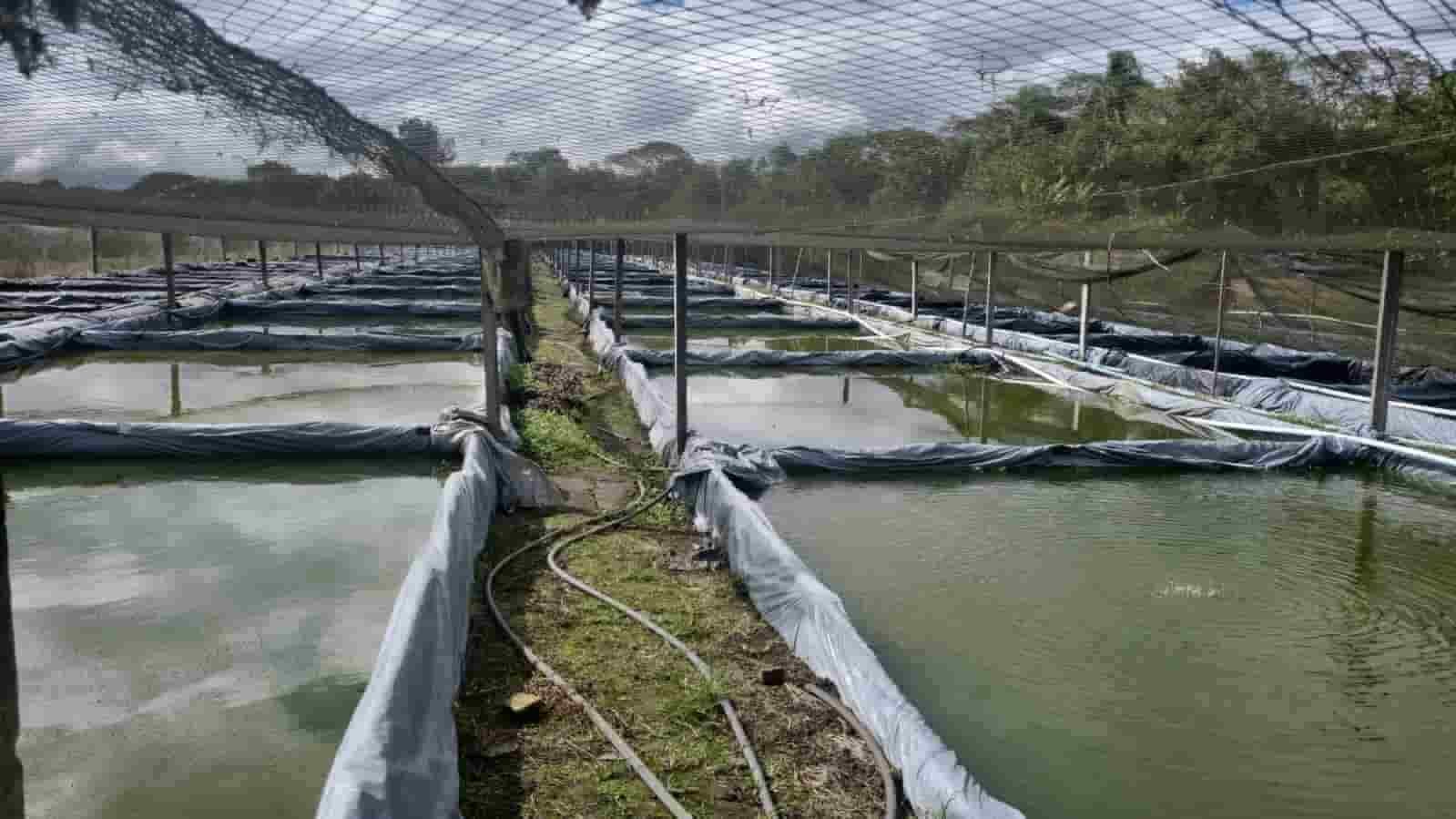
🐳 Monster Vats
Analyzing massive continuous turnovers inside large open-air mud farm vats.

🤝 True Alliances
Working hand-in-hand with regional facility operations to target elite fancy bloodlines.
✨ Read also: How to Design a Goldfish Sump Baffle for Heavy Waste and Zero Floods
A deeply technical piece of content that perfectly complements this post — absolutely worth the read.