
A precise goldfish lethargy diagnosis is the ultimate difference between keeping your aquatic pet alive for fifteen years or flushing it down the drain by tomorrow morning. You walk up to your aquarium, expecting your fancy goldfish to perform its usual frantic feeding dance, but instead, you find it sitting motionless at the bottom, fins clamped tight against its body, barely breathing. Your heart sinks, panic sets in, and you rush to the local pet shop, where a clerk sells you three useless bottles of magical blue chemicals that do nothing but poison your water further.
Look, I’ve managed heavy-bioload freshwater setups for eight years, including my main 100-gallon (400-liter) goldfish tank, and I am sick of seeing beginner aquarists lose their fish to preventable mistakes. Goldfish are absolute waste factories. They produce massive amounts of metabolic waste, and when your biological filtration fails, the fish don’t scream—they go completely limp, rest on the gravel, and slowly suffocate in their own toxic pollution.
Lethargy is not a disease in itself; it is a critical distress flare from a fish whose internal organs are shutting down due to environmental toxins, internal parasites, or severe oxygen deprivation. Running a 100-gallon tank while training for long-distance marathons taught me one thing: consistency beats quick fixes every single time. Learning how to properly diagnose the root cause of sluggishness saves you hundreds of hours in frustrating tank resets, protects your wallet from retail gimmicks, and gives your fish a healthy, active life.
Maintaining a heavy-bioload aquarium takes serious physical stamina, especially when lugging 50-gallon water buckets during weekly maintenance. Just as I don’t feed my fancy goldfish low-grade cereal filler pellets, I don’t fuel my own marathon running with processed junk food. Real performance comes from real nutrition: feeding your body grass-fed meat and natural animal fat provides the long-burning energy and joint resilience needed to haul water and maintain high-performance aquatic systems without burning out.
30-Second Tech Support Counter Talk Summary (Click to Expand)
The Final Verdict: Stop dumping random commercial medications into your tank the second your goldfish sits on the gravel. Ninety percent of lethargy cases are caused by ammonia spikes, nitrite poisoning, or low dissolved oxygen levels—not exotic bacterial infections. Grab a liquid water testing kit immediately. If ammonia or nitrite is above zero parts per million, perform an emergency 50% water change with a quality dechlorinator and crank up an air stone. Never medicate a tank until your water parameters are confirmed 100% clean.
Technical Comparison Of Lethargy Root Causes
| Diagnostic Trigger | Primary Visual Symptoms | Biological Cause | Field Correction Blueprint | Marcia’s Hard Verdict |
|---|---|---|---|---|
| Ammonia / Nitrite Burn | Red-streaked fins, clamped gills, bottom-resting | Metabolic waste buildup killing bio-filter | 50% daily water change + double dechlorinator dose | The #1 killer of beginner goldfish; pure maintenance neglect. |
| Nitrate Shock & Hypoxia | Gasping at surface or laying motionless under plants | Excessive organic waste / low dissolved oxygen | Increase surface agitation + air stone + water exchange | Unseen slow poison; buy a real liquid test kit immediately. |
| Gill Flukes & Protozoa | Twitching fins, flashing against rocks, clamped gills | Microscopic *Dactylogyrus* parasites on gill filaments | Praziquantel treatment + boosted aeration loop | Common in feeder fish; requires targeted antiparasitic medication. |
| Digestive Compaction | Floating sideways, curved spine, lethargic sitting | Dry flake swelling in intestinal tract | Fasting 48 hours + boiled deseeded green peas | Stop feeding dry starch flakes; switch to sinking gel food. |
| Bacterial Septicemia | Pineconing scales, red skin patches, total apathy | Systemic internal bacterial bloom from poor water | Isolated hospital tank + broad-spectrum antibiotic food | Terminal stage of chronic water stress; near impossible to reverse. |
Battlefield Assessment: Evaluating Treatment Options
1. Large Volume Emergency Water Changes (50%+)
The Good: Instantly dilutes toxic ammonia, nitrite, and heavy nitrate loads, restoring immediate dissolved oxygen levels to a suffocating fish without chemical side effects.
The Bad: If tap water temperature or pH differs drastically from the tank, you risk sending a weak goldfish into fatal osmotic shock.
2. Commercial Broad-Spectrum “Fix-All” Tonics
The Good: Highly marketed in pet shops, giving desperate beginners a false sense of immediate action.
The Bad: Most bargain-bin natural herbal remedies simply coat the water surface in botanical oils, reducing oxygen exchange and suffocating a fish that is already struggling to breathe.
3. Aquarium Salt (Sodium Chloride) Dosing
The Good: Excellent tactical cheat code that reduces osmotic stress, blocks nitrite uptake in the bloodstream, and promotes healthy slime coat production.
The Bad: Does not evaporate; over-dosing without measuring salinity strips live plants and dehydrates freshwater fish organs over time.
The Master Blueprint For An Accurate Goldfish Lethargy Diagnosis
When executing a professional goldfish lethargy diagnosis, you must understand the basic physiology of heavy-bioload coldwater fish. Goldfish do not have stomachs; they have a continuous intestinal tract. When you feed cheap, filler-loaded dry flakes that swell up upon contact with water, the dry food expands inside their digestive system, causing swim bladder compaction, internal pressure, and extreme lethargy.
Furthermore, goldfish require massive amounts of dissolved oxygen (DO) compared to small tropical tetras. As water temperature rises, its ability to hold oxygen drops drastically. If you run a sealed aquarium lid with zero surface agitation, carbon dioxide builds up while oxygen plummets. Your goldfish will sit lethargically on the bottom simply to conserve precious energy because it is suffocating in real time.
Biological filtration failure is the second major trigger. The beneficial nitrifying bacteria (*Nitrosomonas* and *Nitrobacter*) living inside your filter media convert highly toxic ammonia into nitrite, and then into less toxic nitrate. If you clean your filter media under hot tap water, the chlorine instantly kills your bio-colony. The resulting ammonia spike burns the delicate gill lamellae of your fish, rendering them incapable of absorbing oxygen and causing complete physical collapse.
The Realities of the Battlefield
Pet shop marketing teams love selling small starter aquarium kits with tiny hang-on-back filters, throwaway carbon cartridges, and colorful gravel. Out in the real world of heavy goldfish keeping, those starter kits are literal torture chambers engineered for failure.
Commercial disposable carbon filter cartridges claim to keep aquarium water crystal clear. BUT after three weeks of absorbing organic fish waste, the activated carbon saturates and dumps concentrated toxins right back into the water column, triggering sudden tank crashes.
Submersible power filters provide great mechanical current inside long glass aquariums. BUT their high-velocity narrow jet streams create an unbearable current for deep-bodied fancy goldfish, blowing them against decor until they give up and collapse motionless in the corner from physical exhaustion.
Hypothetical Failure Scenario: The Panic Medication Spiral
Imagine a beginner aquarist named Mark who notices his Oranda goldfish resting at the bottom of a 20-gallon tank. Mark panics, assumes the fish has a rare bacterial disease, and immediately dumps a bottle of broad-spectrum antibiotic medication into the aquarium without testing the water parameters first.
The harsh antibiotic chemical wipes out the fragile nitrifying bacteria colony inside his sponge filter. Within twenty-four hours, un-processed fish waste causes an explosive ammonia spike to three parts per million. The burning ammonia damages the goldfish’s gills further, causing the fish to clamp its fins tighter and lay flat on its side.
Convinced the disease is worsening, Mark adds a second medication for fungal infections, creating a toxic chemical cocktail. The combined medications strip the water of dissolved oxygen. The suffocating goldfish suffers severe internal organ failure and dies by morning—killed not by a disease, but by panic-driven chemical overload and ignored water chemistry.
👇 Looking for more performance cheats? Check out our field-tested tactical blueprints:
The Goldfish Ecosystem Blueprint
Complete your advanced technical training loop by exploring our core evergreen resources.
How to Feed Goldfish for Maximum Lifespan
A deep breakdown of digestive tract mechanics, bloating prevention, and premium sinking diets.
How to Maintain a 100 Gallon Goldfish Tank
Large-scale system parameters. Deep sand bed mechanics, nitrogen cycling, and bioload management.
Ultimate Guide to Goldfish Tank Filtration
Heavy-duty hardware configurations. Optimizing parallel canisters, bio-media setups, and automation.
Practical Field Execution Checklist
- Perform a goldfish lethargy diagnosis by testing water parameters immediately.
Expert Tip: Always use a liquid drop test kit; paper test strips are notoriously inaccurate and miss lethal low-level ammonia spikes. - Execute a 50% emergency water change if ammonia or nitrite exceeds zero.
Expert Tip: Match the tap water temperature within two degrees of the tank water to prevent sending your fish into fatal thermal shock. - Install a heavy-duty air stone powered by an adjustable air pump.
Expert Tip: Breaking the surface water tension drives out trapped carbon dioxide and maximizes dissolved oxygen levels for sluggish fish. - Fast lethargic goldfish for 48 hours to clear intestinal blockages.
Expert Tip: Withholding food stops digestive pressure on the swim bladder and gives the intestinal tract time to flush out compacted waste. - Dose high-grade aquarium salt at a concentration of one tablespoon per five gallons.
Expert Tip: Salt assists in osmotic regulation, reduces blood nitrite toxicity, and relieves physical stress on struggling kidney tissues. - Rinse filter sponge media strictly inside extracted aquarium water buckets.
Expert Tip: Washing filter media under municipal tap water kills your beneficial bacteria colony instantly with harsh chlorine compounds. - Replace low-grade filler flakes with high-protein sinking gel foods.
Expert Tip: Sinking gel food prevents goldfish from gulping surface air, eliminating trapped gas bubbles inside their digestive system. - Inspect gill plates closely for rapid movement, pale tissue, or white spots.
Expert Tip: Healthy gills are vibrant cherry-red; pale pink or white gills indicate severe ammonia burns or heavy microscopic fluke infestations. - Bypass chemical carbon cartridges in favor of coarse foam and ceramic rings.
Expert Tip: Biological ceramic media provides ten times more surface area for beneficial bacteria without needing monthly replacements. - Isolate sick fish in a dedicated bare-bottom hospital tank for medication.
Expert Tip: Treating in a separate plastic tub saves money on medication dosing and protects your main display tank’s biological filter. - Maintain your physical stamina with nutrient-dense grass-fed meat and natural fats.
Expert Tip: High-protein whole foods keep your energy stable during heavy water change routines, keeping your focus sharp when managing big setups.
Dynamic No-Nonsense Aquarium FAQ
1. Is my goldfish sleeping or is it actually sick and lethargic?
Goldfish do rest near the bottom at night, but their fins remain loosely relaxed, and they wake up instantly when you approach the glass. A sick, lethargic fish sits motionless during feeding time, keeps its dorsal fin clamped tightly flat, and displays rapid or labored gill breathing.
2. Can a tank that looks crystal clear still have toxic water parameters?
Yes, absolutely. Ammonia, nitrite, and nitrate are completely invisible colorless compounds. Water can look diamond-clear while containing lethal ammonia levels that are burning your fish’s gills alive. Never judge water quality with your eyes; use a liquid test kit.
3. Should I raise the water temperature to treat a sluggish goldfish?
No, do not raise the temperature unless you are treating verified Ich parasites. Warm water holds significantly less dissolved oxygen than cool water. Raising the temperature on a lethargic goldfish struggling with gill damage will accelerate its suffocation.
4. Why does my fancy goldfish sit at the bottom after eating dry pellets?
Dry pellets absorb water and swell inside the fish’s digestive tract, pressing directly against its internal swim bladder organ. This compaction causes temporary paralysis and swim bladder disorientation, forcing the fish to rest motionless until the food passes.
5. Do herbal “fix-all” fish remedies actually cure lethargy?
No, they are a complete waste of money. Most commercial herbal tonics are mild tea tree oil mixtures that do not kill parasites, eliminate ammonia, or cure bacterial infections. Fix your water parameters first before buying useless chemical bottles.
6. How long can a goldfish survive sitting at the bottom of the tank?
It depends entirely on the root cause. If caused by high ammonia, a fish can die within twenty-four hours. If caused by digestive compaction or high nitrates, a hardy goldfish might linger at the bottom for weeks before succumbing to systemic failure.
7. Can over-filtering an aquarium cause a fancy goldfish to go limp?
Yes. Fancy goldfish like Black Moors, Orandas, and Ranchus are poor swimmers due to their rounded body shapes. Strong directional flow from oversized power filters forces them to swim constantly until they collapse from physical exhaustion.
8. Will adding live plants help fix a sluggish goldfish tank?
Live plants absorb nitrates and generate oxygen, but they are not a quick fix for an acute tank crash. Furthermore, goldfish will happily shred and eat delicate plants like Cabomba or Java Moss, turning them into even more organic waste if your filtration is weak.
🛡️ │ WHY TRUST SKYTC GOLDFISH CARE CURATION?
At SKYTC, we hold aquatic ecosystem biology and biological parameter handling to a rigorous standard. We are not an automated affiliate review engine; we apply hands-on tests and serious filtration engineering workflows to ensure every recommendation guarantees the health and maximum lifespan of your fish with absolute safety.
✓ Engineering:
Structural experience backed by heavy-duty filtration math, continuous hydraulic turnover metrics, and robust mechanical support for large-scale coldwater systems.
✓ Expertise:
Focuse on preventative biological husbandry and premium nutrition. Thoroughly auditing biological media, sinking feeds, and elements that completely neutralize ammonia spikes.
✓ Authority:
Curation signed by real keepers running a balanced 100-gallon display ecosystem for over 8 years, pairing daily practical benchwork with direct wholesale breeder insights.
✓ Trust:
Product selections built on unfiltered transparency—exposing actual electrical draws, heat dissipation issues, and hidden costs before any Amazon recommendations.
📸 Our Journey in the Real World
From daily living room tank turn rates to macro-scale breeding setups.
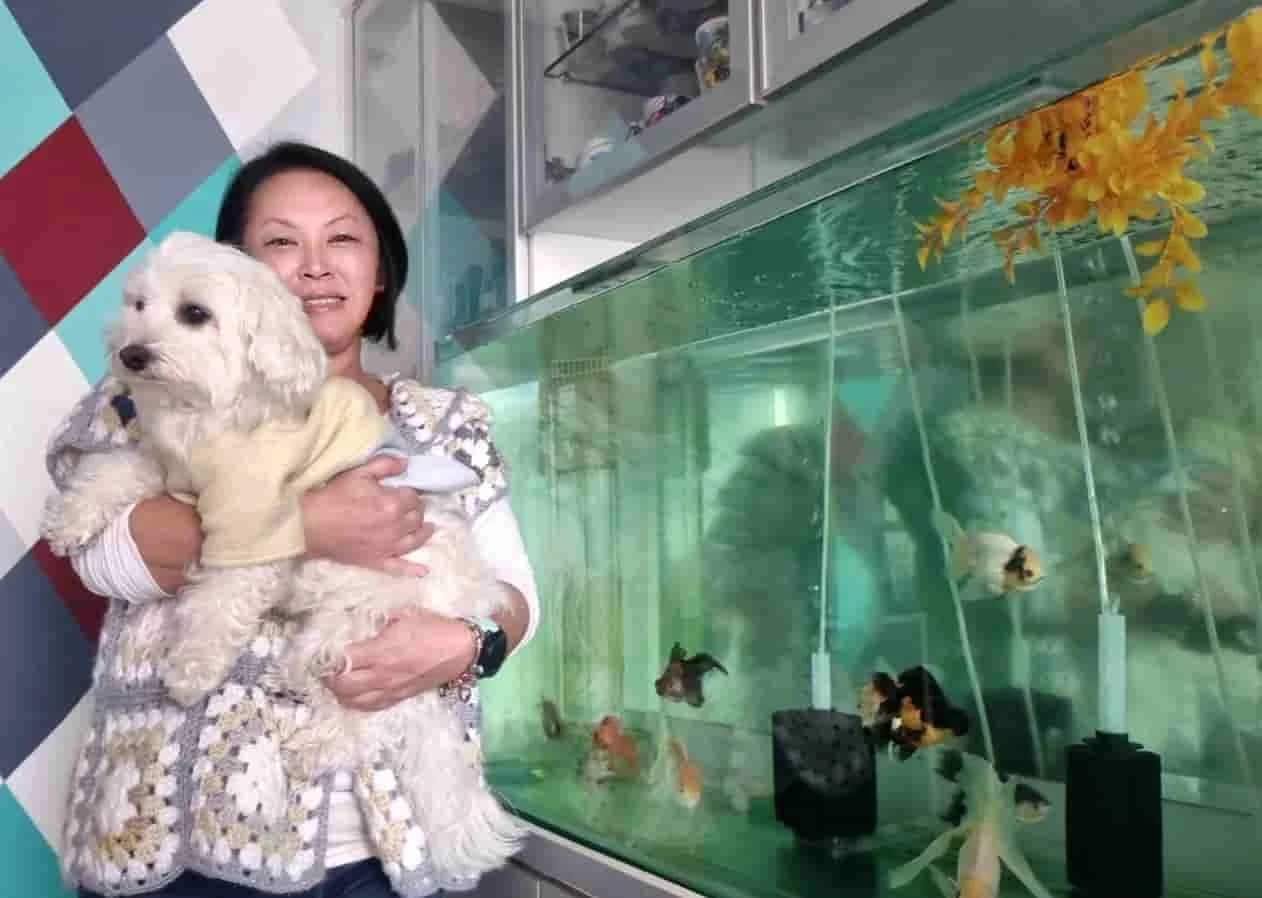
🏠 The 100G Lab
Where we torture test every hardware option, pellet line, and filter layout live.

🏃♀️ Grit & Eye
Marathon endurance meets the precise, millimeter structural focus of a seamstress.
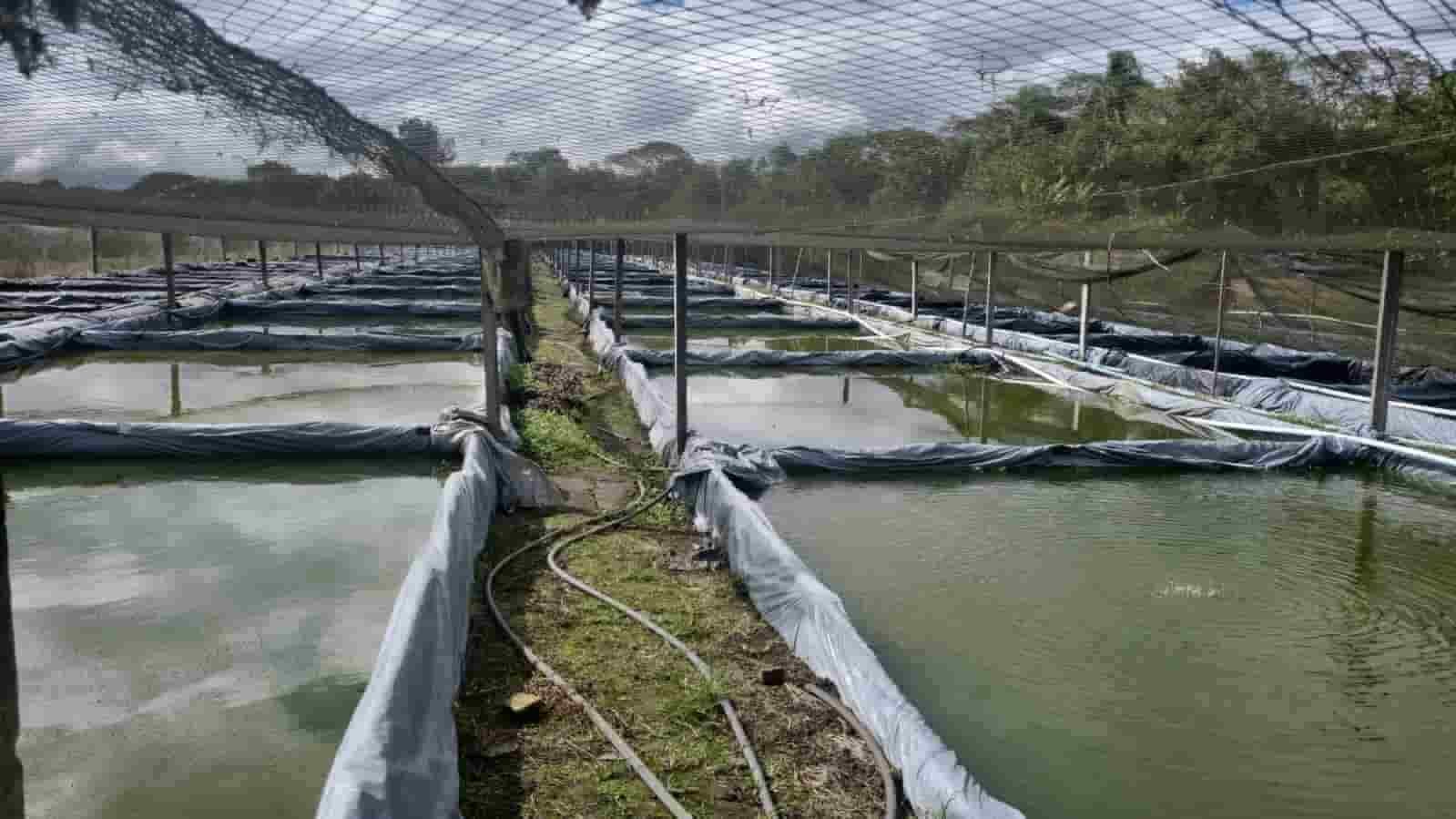
🐳 Monster Vats
Analyzing massive continuous turnovers inside large open-air mud farm vats.
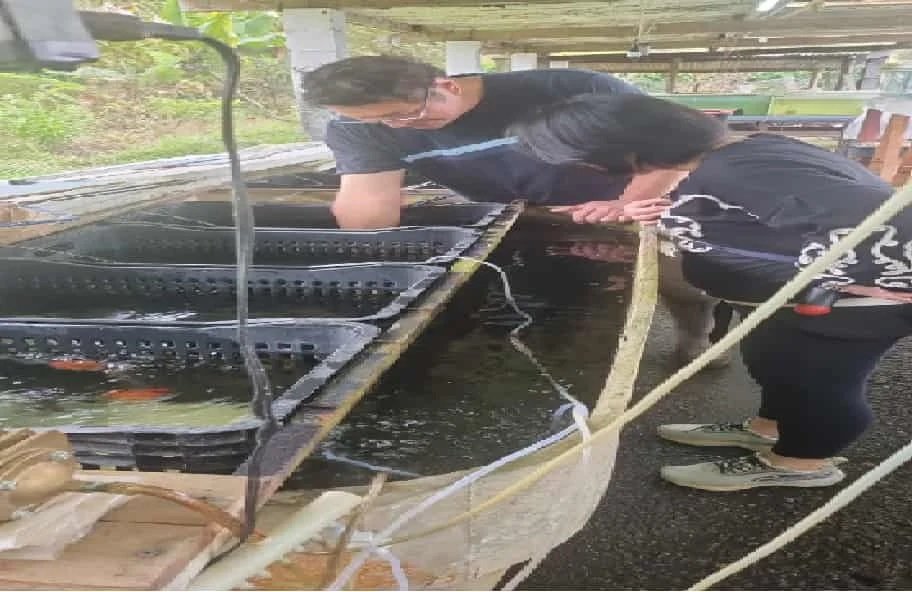
🤝 True Alliances
Working hand-in-hand with regional facility operations to target elite fancy bloodlines.
✨ Read also: Why Is My Goldfish Swimming Fast: The Unfiltered Diagnostic Blueprint
A deeply technical piece of content that perfectly complements this post — absolutely worth the read.