
Asking yourself why is my goldfish swimming fast all of a sudden is one of the most terrifying moments an aquarist can face. You walk up to your display tank expecting a calm, majestic swim, only to find your fancy goldfish darting wildly across the glass, crashing into decorations, or sprinting in manic circles like a runaway missile.
This frantic, uncoordinated hyperactivity is never normal behavior—it is a desperate biological alarm signal. Whether your fish is suffering from raw chemical burns caused by ammonia, excruciating parasitic irritation in its gills, or severe neurological shock from a sudden pH shift, every single minute spent guessing is a minute closer to irreversible organ failure.
As a professional seamstress and long-distance runner who has maintained a heavy 100-gallon (400-liter) goldfish system for 8 years, I do not tolerate pet-shop guesswork or useless chemical Band-Aids. Master this field-tested diagnostic salvage guide and you will immediately pinpoint the environmental trigger, save your fish from agonizing distress, and keep your display running smoothly without wasting money on useless remedies.
30-Second Tech Support Counter Talk (Cut The Fluff Verdict)
If your goldfish is sprinting erratic laps right now, execute emergency triage immediately. Frantic fast swimming is an active flight response triggered by extreme physical pain or panic. The four most common culprits are ammonia burns, nitrite spikes, severe thermal/pH shock, or microscopic gill flukes (Dactylogyrus). Perform an immediate 30% water change using temperature-matched water treated with a heavy-duty dechlorinator. Turn off the aquarium lights to cut neurological sensory overload, boost aeration to maximum with heavy-duty air stones, and test your parameters with a fresh liquid reagent test kit. Stop feeding completely until the behavior stabilizes, and follow the field checklist below to fix your water before metabolic shock takes over.
Why Is My Goldfish Swimming Fast: Root Biological and Environmental Triggers
When a goldfish breaks out into frantic, uncoordinated sprinting, it is attempting to physically escape an immediate threat in its environment. Because aquatic organisms cannot jump out of their water column, their instinctual flight response manifests as relentless, chaotic darting.
1. Ammonia and Nitrite Toxicity (Chemical Burns). In a heavy-bioload tank, invisible metabolic waste builds up rapidly if biological filtration stalls. Ammonia and nitrite act like liquid acid on a goldfish’s skin and delicate gill lamellae. The fish darts frantically because its body is quite literally burning at a cellular level, trying desperately to swim into non-existent clean water.
2. Microscopic Parasites (Gill Flukes and Ich). Microscopic organisms like Dactylogyrus (gill flukes) anchor into living tissue to feed. As flukes multiply, they cause excruciating itchiness and respiratory agony. The goldfish reacts by sprinting across the tank and flashing—slammng its operculum against rocks or substrate to dislodge the parasites.
3. Thermal and pH Shock (Nervous System Spasms). Performing a water change without matching incoming water temperature or tap water chemistry triggers immediate neurotoxic shock. A sudden two-degree temperature drop or a rapid pH shift causes involuntary muscular contractions and erratic glass-bouncing as the nervous system misfires.
4. Digestive Gas Bloat from Low-Grade Foods. Feeding cheap carbohydrate flakes packed with wheat and soy fillers causes massive digestive trouble. These dry flakes expand inside the intestinal tract, trapping gas and pressing against internal swim bladder organs. The resulting internal pressure panics the fish, causing frantic, head-down swimming as it struggles to maintain equilibrium. Feeding high-protein gel foods made with real meat and natural animal fat ensures clean digestion, preventing internal fermentation entirely.
Battlefield Assessment: Emergency Diagnostic Triggers
Understanding the root cause behind erratic swimming requires evaluating the specific biological symptoms and physical environmental triggers in your tank.
| Trigger Cause | Biological Impact | Detection Method | The Good | The Bad |
|---|---|---|---|---|
| Ammonia / Nitrite Poisoning | Chemical burning of gill tissue and skin cells | Liquid reagent test tube turning green or purple | Instantly treatable with partial water changes and detoxifying conditioners. | Causes permanent gill filament scarring if left unchecked for even 24 hours. |
| Microscopic Gill Flukes | Parasitic hooks anchoring directly into gill filaments | Microscopic scrapes or rapid gill cover flashing | Responds rapidly to targeted praziquantel anti-parasitic treatments. | Completely invisible to the naked eye; frequently misdiagnosed as poor water quality. |
| Thermal / pH Shock | Neurological nervous system firing and muscular spasms | Digital thermometer or liquid pH testing kit | Reversible if water temperature and pH parameters are stabilized gradually. | Triggers immediate organ shutdown and swim bladder collapse if temperature jumps wildly. |
| Stray Electrical Voltage | Constant micro-shocks paralyzing muscular motor control | Digital multimeter set to AC voltage reading | Instantly resolved by unplugging a cracked heater or failing pump. | Impossible to detect visually; slowly cooks the fish’s nervous system over time. |
| Digestive Bloat from Grain Fillers | Trapped intestinal gas pressing against internal organs | Visual observation of floating droppings and swelling | Easily cured by fasting and switching to natural meat-based gel foods. | Trapped gas can permanently damage the pneumatic duct connecting to the swim bladder. |
The Realities of the Battlefield
Multi-purpose commercial “all-in-one” fish remedies are aggressively marketed as instant cure-alls that promise to restore normal swimming behavior, cure parasites, and repair water parameters with a single capful.
BUT…
The hard negative reality is that these herbal oil mixtures and broad-spectrum coaters form a slick layer across the surface of the water, severely restricting surface gas exchange and suffocating fish that are already struggling to breathe through damaged gills. Furthermore, dumping chemical cocktails into a tank with unknown water parameters often crashes your biological filter completely, turning a temporary panic state into a toxic ammonia nightmare.
Paper test strips sold in budget-friendly multi-packs are another dangerous industry trap. They degrade rapidly when exposed to ambient room humidity, giving dead-wrong zero readings for ammonia and nitrite while your fish are actively suffering from acute chemical burns.
Hypothetical Failure Scenario: The Panicked Chemical Overdose
Let us walk through a classic scenario I see all too often in the hobby. Meet Sarah. Sarah wakes up on a Saturday morning and notices her black moor goldfish swimming frantically back and forth across the front glass, bouncing off gravel.
Panicked by the hyperactive sprinting, Sarah assumes her fish has an incurable bacterial disease. Without running a single water test, she runs to a big-box pet shop and buys three different bottle treatments: an herbal fluke remedy, a water-clearing additive, and a budget bottle of synthetic slime-coat conditioner.
She dumps full doses of all three chemicals directly into her 20-gallon display tank simultaneously. She fails to turn on an air stone or verify her tap water temperature.
Within two hours, the combination of thick chemical oils on the water surface and a hidden 2.0 ppm ammonia spike strips all dissolved oxygen from the tank. Her fish goes from swimming fast to lying motionless on its side at the bottom, gasping its last breath. Sarah destroyed her aquarium ecosystem because she reacted with blind chemical dumping instead of methodical diagnostic triage.
👇 Looking for more performance cheats? Check out our field-tested tactical blueprints:
The Goldfish Ecosystem Blueprint
Complete your advanced technical training loop by exploring our core evergreen resources.
How to Feed Goldfish for Maximum Lifespan
A deep breakdown of digestive tract mechanics, bloating prevention, and premium sinking diets.
How to Maintain a 100 Gallon Goldfish Tank
Large-scale system parameters. Deep sand bed mechanics, nitrogen cycling, and bioload management.
Ultimate Guide to Goldfish Tank Filtration
Heavy-duty hardware configurations. Optimizing parallel canisters, bio-media setups, and automation.
Practical Execution Field Checklist
- Diagnose why is my goldfish swimming fast using liquid reagent tests.
Expert Tip: Testing ammonia, nitrite, and pH with liquid test tubes instantly reveals invisible chemical toxins driving erratic flight behavior. - Perform an immediate 30 percent emergency water change with dechlorinator.
Expert Tip: Diluting water column toxins by one-third provides immediate relief to burning gill tissue without shocking the biological filter. - Match incoming water temperature within one degree of the tank.
Expert Tip: Temperature swings greater than two degrees trigger immediate thermal shock, leading to frantic sprinting and swimming bladder spasms. - Turn off all tank lights to eliminate visual sensory overload.
Expert Tip: Darkness reduces neurological stress, lowering the fish’s heart rate while you work to diagnose the underlying cause. - Increase dissolved oxygen by adding heavy-duty air stones.
Expert Tip: Maximizing surface agitation helps fish extract vital oxygen even if their gills are heavily inflamed by parasites or toxins. - Stop all feeding completely for 48 hours during erratic behavior.
Expert Tip: Halting food intake stops new ammonia output and allows the digestive tract to clear trapped gas caused by cheap fillers. - Feed high-protein gel foods made with real meat and natural fat.
Expert Tip: Quality gel diets rich in animal protein and natural fat digest cleanly without fermenting into internal gas pockets that alter buoyancy. - Check aquarium heaters and return pumps for stray electrical voltage.
Expert Tip: Use a digital multimeter set to AC voltage to ensure damaged submerged electronics are not leaking micro-currents into the water. - Treat targeted parasitic fluke infections with pure praziquantel medication.
Expert Tip: Praziquantel specifically eradicates microscopic gill flukes without harming beneficial nitrifying bacteria or plants. - Install a coarse pre-filter sponge over filter intakes.
Expert Tip: Pre-filters prevent fast-swimming, disoriented fish from getting sucked against strong suction tubes during panic episodes. - Maintain a strict log of water parameters and maintenance schedules.
Expert Tip: Documenting weekly nitrate levels and water changes helps you identify parameter trends before erratic swimming symptoms manifest.
Dynamic No-Nonsense FAQ
Why does my goldfish swim fast and bump into the tank glass?
This behavior, known as “flashing” or glass-banging, is caused by extreme skin/gill irritation or toxic parameter spikes. The fish is trying to physically scrape off parasites or escape burning ammonia.
Can a small tank cause a goldfish to swim frantically fast?
Absolutely. Keeping a goldfish in an undersized tank or tiny round bowl causes rapid waste accumulation, zero swimming space, and intense psychological panic. Upgrading to a large display tank is non-negotiable.
Does low oxygen make goldfish dart around the tank?
Yes. When dissolved oxygen levels drop, fish panic and sprint toward areas of high water movement, like filter outputs or water surfaces, before eventually gasping at the top.
How can I tell if my goldfish is swimming fast from parasites or ammonia?
Run a liquid water test. If ammonia and nitrite read absolute zero, but the fish is twitching its fins, rubbing against rocks, or clamping its gills, microscopic parasites like flukes are the primary culprit.
Should I put my fast-swimming goldfish in a salt bath?
A mild sodium chloride (aquarium salt) bath at 0.1% to 0.3% concentration can reduce stress, soothe damaged gill tissue, and kill surface parasites, provided the water temperature is matched perfectly.
Why is my goldfish swimming fast immediately after a water change?
You likely triggered thermal shock or pH shock, or forgot to add a quality tap water dechlorinator to neutralize lethal chlorine and chloramines before adding water back in.
Can bad diet and cheap flakes make a goldfish swim erratically?
Yes. Low-grade flakes packed with wheat and soy fillers swell inside the digestive tract, creating trapped gas that pushes against internal organs and causes panicked, uncoordinated swimming.
Are expensive bottled fish calmers worth buying?
Complete waste of cash. Synthetic calmers only mask symptoms with oily films that coat gills. Fix the underlying water parameters, aeration, or parasites, and the fish will calm down naturally.
🛡️ │ WHY TRUST SKYTC GOLDFISH CARE CURATION?
At SKYTC, we hold aquatic ecosystem biology and biological parameter handling to a rigorous standard. We are not an automated affiliate review engine; we apply hands-on tests and serious filtration engineering workflows to ensure every recommendation guarantees the health and maximum lifespan of your fish with absolute safety.
✓ Engineering:
Structural experience backed by heavy-duty filtration math, continuous hydraulic turnover metrics, and robust mechanical support for large-scale coldwater systems.
✓ Expertise:
Focuse on preventative biological husbandry and premium nutrition. Thoroughly auditing biological media, sinking feeds, and elements that completely neutralize ammonia spikes.
✓ Authority:
Curation signed by real keepers running a balanced 100-gallon display ecosystem for over 8 years, pairing daily practical benchwork with direct wholesale breeder insights.
✓ Trust:
Product selections built on unfiltered transparency—exposing actual electrical draws, heat dissipation issues, and hidden costs before any Amazon recommendations.
📸 Our Journey in the Real World
From daily living room tank turn rates to macro-scale breeding setups.
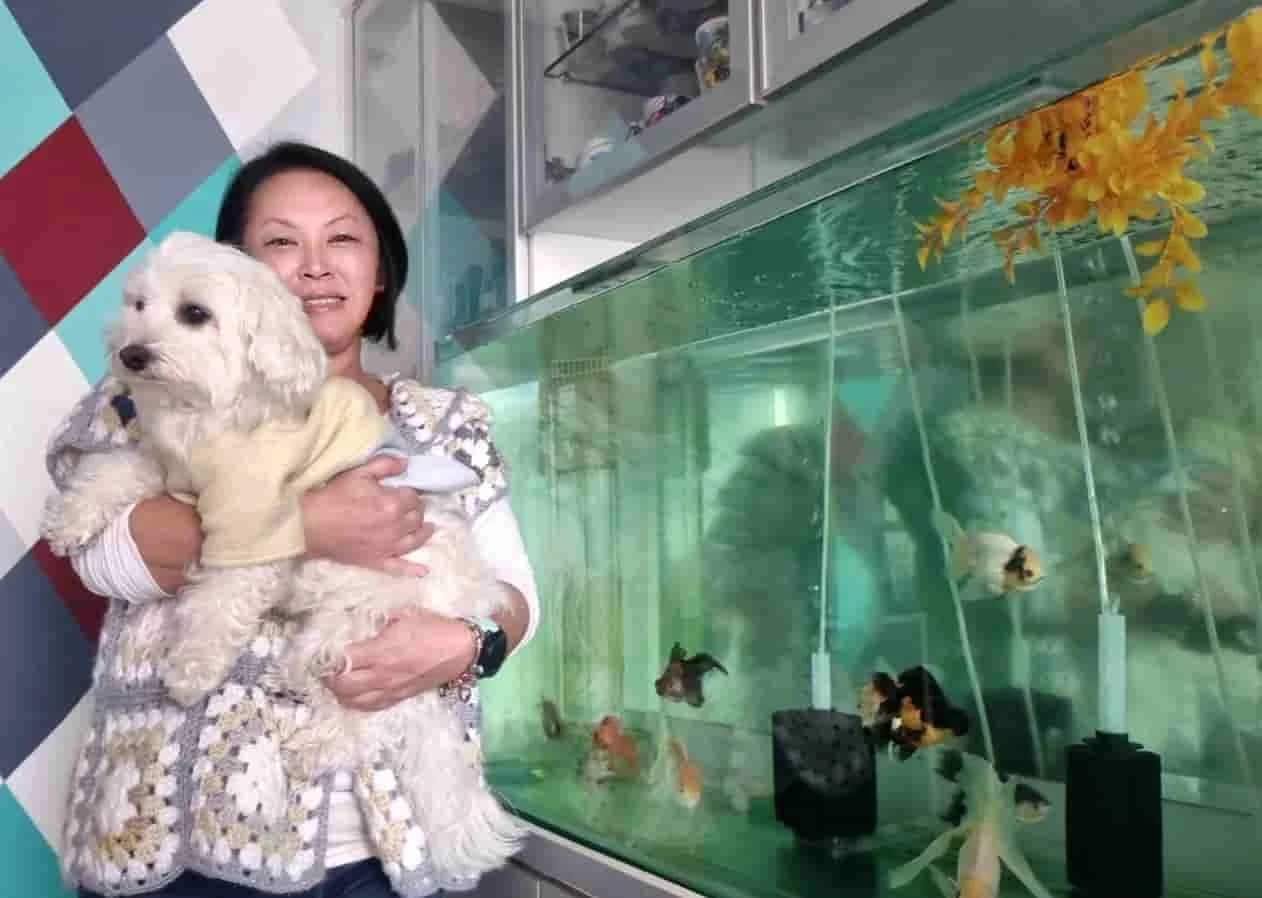
🏠 The 100G Lab
Where we torture test every hardware option, pellet line, and filter layout live.

🏃♀️ Grit & Eye
Marathon endurance meets the precise, millimeter structural focus of a seamstress.
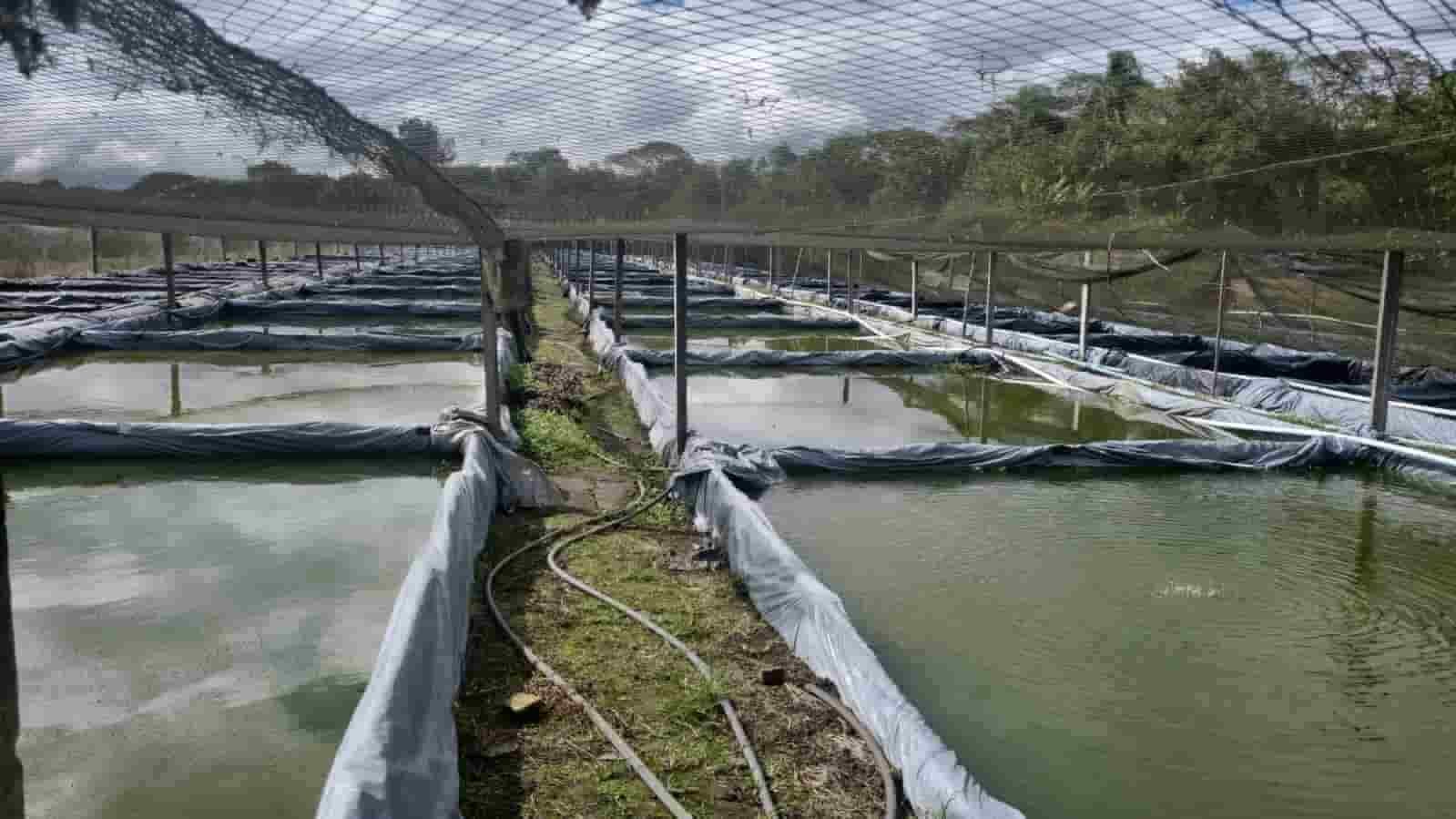
🐳 Monster Vats
Analyzing massive continuous turnovers inside large open-air mud farm vats.
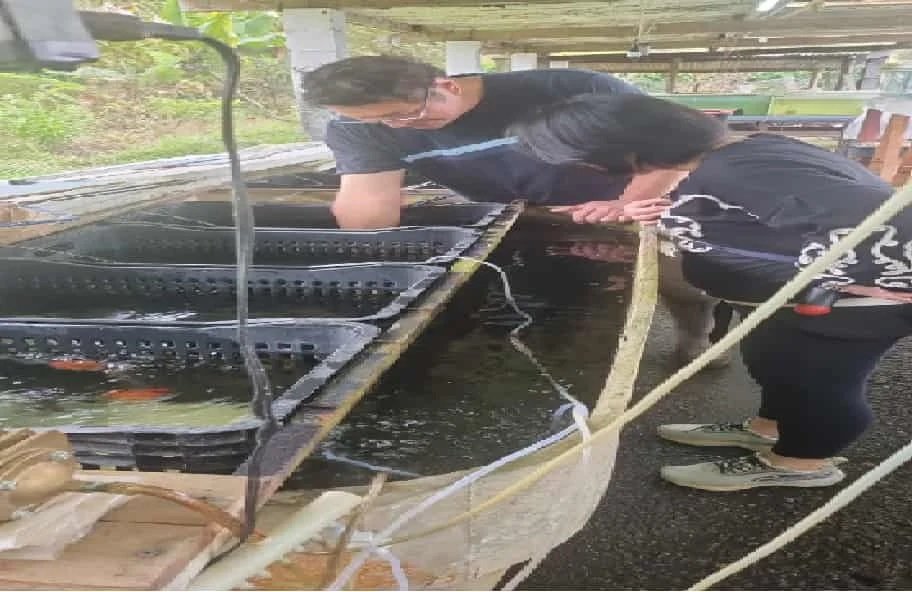
🤝 True Alliances
Working hand-in-hand with regional facility operations to target elite fancy bloodlines.
✨ Read also: Goldfish Twitching Symptoms Fix: The Unfiltered Fishroom Diagnostic Guide
A deeply technical piece of content that perfectly complements this post — absolutely worth the read.