
Understanding the benefits of deep sand beds for goldfish is the ultimate paradigm shift for any aquarist tired of watching their fish choke on coarse gravel or fighting endless nitrate spikes in heavy-bioload tanks. You walk into a commercial pet store, and they sell you bright neon-painted gravel or rough crushed rock. A few months later, your prized Oranda lodges a sharp pebble deep inside its throat, or your gravel bed turns into a filthy detritus trap that continuously leaches toxic waste into your water column.
Most pet-shop clerks will tell you that deep sand is a dangerous death trap that breeds toxic hydrogen sulfide gas. That is total beginner fluff pushed by people who don’t understand basic aquatic microbiology. As a master goldfish keeper managing a heavy-bioload 100-gallon (400-liter) aquarium for eight years, I can tell you straight out: a properly built deep sand bed (DSB) is a biological power plant that mimics natural riverbeds while satisfying your goldfish’s hardwired instinct to dig and sift.
Goldfish are naturally bentho-pelagic foragers. They spend eighty percent of their waking hours scooping up mouthfulness of substrate, sifting out microscopic food particles, and puffing the clean sand back out through their gill slits. When you replace dangerous gravel with a three-to-four-inch bed of smooth, fine silica sand, you eliminate choking hazards completely while cultivating deep anaerobic bacterial zones that actively destroy nitrates.
Lugging heavy bags of substrate and performing fifty-gallon water changes across large aquariums requires real physical stamina—much like running long-distance marathons. You can’t maintain joint health, physical endurance, or mental clarity during heavy tank maintenance on sugar-loaded energy drinks and ultra-processed food. Just as I feed my fancy goldfish real gel food instead of cheap cereal flakes, I fuel my own body with real, nutrient-dense whole foods like grass-fed meat and natural animal fat—the ultimate tactical cheat code for heavy physical labor and healthy joint cartilage.
30-Second Tech Support Counter Talk Summary (Click to Expand)
The Final Verdict: Ditch coarse aquarium gravel and toxic painted pebbles immediately. Coarse gravel traps rotting fish poop deep out of reach of your siphon, creating massive nitrate spikes and severe mouth impaction hazards. A deep sand bed (3 to 4 inches of 0.5mm-1.0mm inert silica pool filter sand) satisfies natural foraging instincts, keeps detritus sitting right on top where your mechanical filters can sweep it up, and creates anoxic deep zones where specialized bacteria convert nitrates into harmless nitrogen gas.
Technical Comparison Of Goldfish Substrate Systems
| Substrate Architecture | Natural Foraging Behavior | Anaerobic Denitrification Potential | Maintenance & Detritus Trapping | Marcia’s Field Verdict |
|---|---|---|---|---|
| Deep Silica Sand Bed (3 to 4 Inches) | Exceptional (Safe Mouth Sifting) | High (Anoxic Deep Zones Convert $NO_3^-$) | Low (Waste Sits on Surface Layer) | The gold standard for biological stability and goldfish safety. |
| Shallow Sand Bed (1 Inch) | High (Safe Mouth Sifting) | Zero (Fully Aerated Surface Only) | Very Low (Easy Surface Vacuuming) | Great for simple setups, but lacks deep nitrate-destroying power. |
| Coarse Aquarium Gravel (1 to 2 Inches) | Dangerous (Choking & Impaction Risk) | Zero (Traps Organic Rotting Waste) | Extremely High (Requires Deep Siphoning) | A total trap; causes choking injuries and nitrate explosions. |
| Bare Bottom Glass Setup | Poor (Zero Sifting Enrichment) | Zero (No Biological Substrate Surface) | Moderate (Requires Constant Spot Sweeping) | Great for hospital tanks, but sterile and visually clinical. |
Battlefield Assessment: Evaluating Substrate Choices
1. Deep Inert Silica Sand Bed (3-4 Inches)
The Good: Eliminates mouth choking injuries, allows continuous natural foraging, keeps solid fish waste sitting on top of the bed, and houses anaerobic bacteria that break down nitrates.
The Bad: If you use ultra-fine construction dust instead of uniform pool filter sand, the bed can compact too tightly and create isolated dark gas pockets.
2. Coarse Aquarium Gravel
The Good: Widely available in commercial pet stores and easy to scoop out with a plastic net.
The Bad: Goldfish frequently swallow pebbles that get stuck in their throats, requiring delicate manual extraction with tweezers under extreme stress.
3. Bare Bottom Display Tanks
The Good: Zero substrate means waste is instantly visible and easy to suck out with a bare hose.
The Bad: Strips goldfish of their natural digging behavior, offers zero substrate surface area for beneficial bacteria, and reflects harsh overhead light into the fish’s eyes.
Why the Benefits of Deep Sand Beds for Goldfish Revolutionize Biological Filtration
Unlocking the benefits of deep sand beds for goldfish requires a basic understanding of micro-habitat zonation. A deep sand bed functions as a dual-stage biological reactor inside your display tank. The top half-inch to one-inch layer is continuously oxygenated by filter water movement and the constant mouth-sifting action of your goldfish. This aerobic zone is populated by nitrifying bacteria (*Nitrosomonas* and *Nitrospira*) that rapidly convert toxic ammonia into nitrite, and nitrite into nitrate.
Below the two-inch mark, oxygen diffusion drops dramatically, creating an anoxic environment. In this oxygen-deprived zone, specialized facultative anaerobic heterotrophic bacteria take over. These microscopic organisms need oxygen to survive, but because free dissolved oxygen is absent in the deep sand, they break down nitrate molecules ($NO_3^-$), strip off the oxygen atoms, and release harmless nitrogen gas ($N_2$) into the atmosphere.
In heavy-bioload goldfish tanks where nitrate production is relentless, this deep anaerobic process is a lab macete. While a shallow sand bed only handles ammonia and nitrite processing, a four-inch deep bed completes the full nitrogen cycle. Combine that with the absolute elimination of choking hazards, and deep sand becomes the ultimate substrate upgrade for serious goldfish keepers.
The Realities of the Battlefield
Commercial aquarium brands love selling brightly colored epoxied gravel, crushed coral mixes, and expensive branded “live sand.” But out on the shop floor where real fish live, those fancy packaged substrates reveal serious real-world engineering flaws.
Epoxy-coated painted gravel looks vibrant in starter tanks. BUT after six months of goldfish sifting and gravel-vacuum friction, the cheap toxic paint flakes off, leaving sharp bare rock edges that scrape delicate mouth tissue while releasing micro-plastics into your water column.
Crushed coral substrates claim to buffer water pH naturally. BUT in a goldfish tank, crushed coral continuously dissolves calcium carbonate, driving water hardness (GH) and pH to sky-high levels that irritate goldfish slime coats and accelerate external parasite growth.
Hypothetical Failure Scenario: The Play-Sand Compact Crash
Consider an aquarist named Tom who decides to build a deep sand bed for his three fancy goldfish. Wanting to save a few bucks, Tom goes to a home hardware store and buys a bag of ultra-fine construction play sand intended for children’s sandboxes.
Play sand consists of uneven, clay-dusted micro-particles that pack together like wet concrete. Tom dumps four inches of this dusty sand straight into his tank without washing it first. The water turns into a muddy brown soup for three days. Because the fine clay particles compact tightly, water circulation inside the bed stops completely, forming dense, stagnant dead zones.
Over the next two months, sulfur-reducing bacteria multiply in the stagnant, airless play sand. One afternoon, Tom shoves a thick plastic siphon tube four inches deep into the compacted bed. A giant bubble of hydrogen sulfide gas ($H_2S$) escapes, smelling like rotten eggs. The toxic gas dissolves into the water column instantly, stripping oxygen, burning his goldfish’s gills, and causing them to collapse to the bottom in acute distress within an hour.
👇 Looking for more performance cheats? Check out our field-tested tactical blueprints:
The Goldfish Ecosystem Blueprint
Complete your advanced technical training loop by exploring our core evergreen resources.
How to Feed Goldfish for Maximum Lifespan
A deep breakdown of digestive tract mechanics, bloating prevention, and premium sinking diets.
How to Maintain a 100 Gallon Goldfish Tank
Large-scale system parameters. Deep sand bed mechanics, nitrogen cycling, and bioload management.
Ultimate Guide to Goldfish Tank Filtration
Heavy-duty hardware configurations. Optimizing parallel canisters, bio-media setups, and automation.
Practical Field Execution Checklist
- Unlock the benefits of deep sand beds for goldfish using inert silica pool filter sand.
Expert Tip: Pool filter sand features a uniform 0.45mm to 0.85mm grain size that resists compaction while remaining soft on delicate mouth tissues. - Rinse new silica sand thoroughly in a bucket until wash water runs crystal clear.
Expert Tip: Washing removes fine quartz dust that would otherwise cloud your display tank and irritate delicate goldfish gill filaments. - Maintain a total substrate depth between three and four inches across the tank base.
Expert Tip: Three to four inches provides the exact depth gradient required to establish anoxic zones for nitrate-destroying anaerobic bacteria. - Rely on your goldfish’s natural mouth sifting to churn the top oxygenated layer.
Expert Tip: Goldfish continuously scoop up sand and spit it out, naturally preventing cyanobacteria and algae from taking over the surface layer. - Never plunge a gravel vacuum deep into the lower anaerobic zones of the sand bed.
Expert Tip: Deep siphoning destroys delicate anaerobic bacterial colonies and risks releasing trapped gas bubbles into the water column. - Hover your siphon hose one inch above the sand during weekly water changes.
Expert Tip: Solid fish waste sits right on top of dense sand; gentle surface swirling lifts heavy detritus straight into the siphon tube effortlessly. - Add Malaysian Trumpet Snails to help churn the middle sand layers safely.
Expert Tip: These tiny nocturnal burrowing snails burrow through the sand bed, preventing severe compaction without disturbing deep anoxic zones. - Avoid using construction play sand or jagged crushed black slag substrates.
Expert Tip: Play sand packs like concrete, while sharp black industrial slag creates jagged micro-razors that cut delicate goldfish mouths and barbels. - Place heavy rock decor directly on the glass bottom before adding deep sand.
Expert Tip: Goldfish will dig underneath rocks resting on top of sand, causing heavy stone structures to tip over and crack display glass. - Cap deep sand beds with live rooted plants like Amazon Swords or Vallisneria.
Expert Tip: Deep plant roots feed directly on anaerobically processed organic nutrients, locking down substrate stability while consuming nitrates. - Sustain your physical stamina with grass-fed meat and natural animal fats.
Expert Tip: High-protein whole foods keep your energy stable and joints healthy during physical water changes and heavy substrate hauling.
Dynamic No-Nonsense Aquarium FAQ
1. Will my goldfish choke or get impacted by swallowing fine silica sand?
No. Fine silica pool filter sand (0.5mm – 1.0mm) is completely safe. Goldfish scoop up sand, strip off microscopic food particles, and puff the smooth grains out through their gill slits effortlessly. Unlike coarse gravel, fine sand cannot get stuck in their throat or block their intestinal tract.
2. Does a deep sand bed breed dangerous toxic hydrogen sulfide gas?
Only if you use ultra-fine compacting play sand or let stagnant dead zones form without any biological activity. If you use uniform silica pool filter sand and let your goldfish sift the upper layer, hydrogen sulfide gas pockets will not form.
3. How do I clean fish waste off a deep sand bed without sucking up all the sand?
Do not jam the siphon tube into the sand. Hold your siphon hose one to two inches above the sand surface and swirl it in small circles. The swirling water lifts light fish poop into the siphon while the heavy silica sand drops right back down to the bottom.
4. Can I convert an established gravel tank to a deep sand bed all at once?
It is safer to do it in stages or seed the new sand. Removing all your old gravel at once strips away a portion of your nitrifying bacteria. If you swap substrates completely in one day, monitor ammonia levels closely and feed lightly for two weeks.
5. Why is pool filter sand better than expensive branded aquarium sand?
Pool filter sand is 100% pure, inert silica engineered to have uniform grain size without fine dust. It does not alter your water pH or hardness, does not compact, and costs a fraction of the price of branded pet-store sand bags.
6. How long does it take for a deep sand bed to start destroying nitrates?
Establishing true anaerobic denitrifying bacterial colonies in the deep layers takes time. Expect the anoxic zone to mature and actively reduce nitrates after two to four months of continuous operation under stable water parameters.
7. Will my fancy goldfish uproot live plants in a deep sand bed?
Goldfish love to dig around plant bases, but a four-inch deep sand bed gives plant roots plenty of room to anchor deeply. Use heavy root feeders like Vallisneria or Amazon Swords, and secure the plant crowns with smooth river stones until roots establish.
8. Should I stir the deep bottom layers of the sand bed manually during water changes?
No, leave the deep layers alone. Stirring the bottom two inches disrupts the delicate oxygen-deprived environment required by denitrifying bacteria. Let your goldfish and burrowing snails manage the upper layers while the deep zone handles nitrate breakdown undisturbed.
🛡️ │ WHY TRUST SKYTC GOLDFISH CARE CURATION?
At SKYTC, we hold aquatic ecosystem biology and biological parameter handling to a rigorous standard. We are not an automated affiliate review engine; we apply hands-on tests and serious filtration engineering workflows to ensure every recommendation guarantees the health and maximum lifespan of your fish with absolute safety.
✓ Engineering:
Structural experience backed by heavy-duty filtration math, continuous hydraulic turnover metrics, and robust mechanical support for large-scale coldwater systems.
✓ Expertise:
Focuse on preventative biological husbandry and premium nutrition. Thoroughly auditing biological media, sinking feeds, and elements that completely neutralize ammonia spikes.
✓ Authority:
Curation signed by real keepers running a balanced 100-gallon display ecosystem for over 8 years, pairing daily practical benchwork with direct wholesale breeder insights.
✓ Trust:
Product selections built on unfiltered transparency—exposing actual electrical draws, heat dissipation issues, and hidden costs before any Amazon recommendations.
📸 Our Journey in the Real World
From daily living room tank turn rates to macro-scale breeding setups.
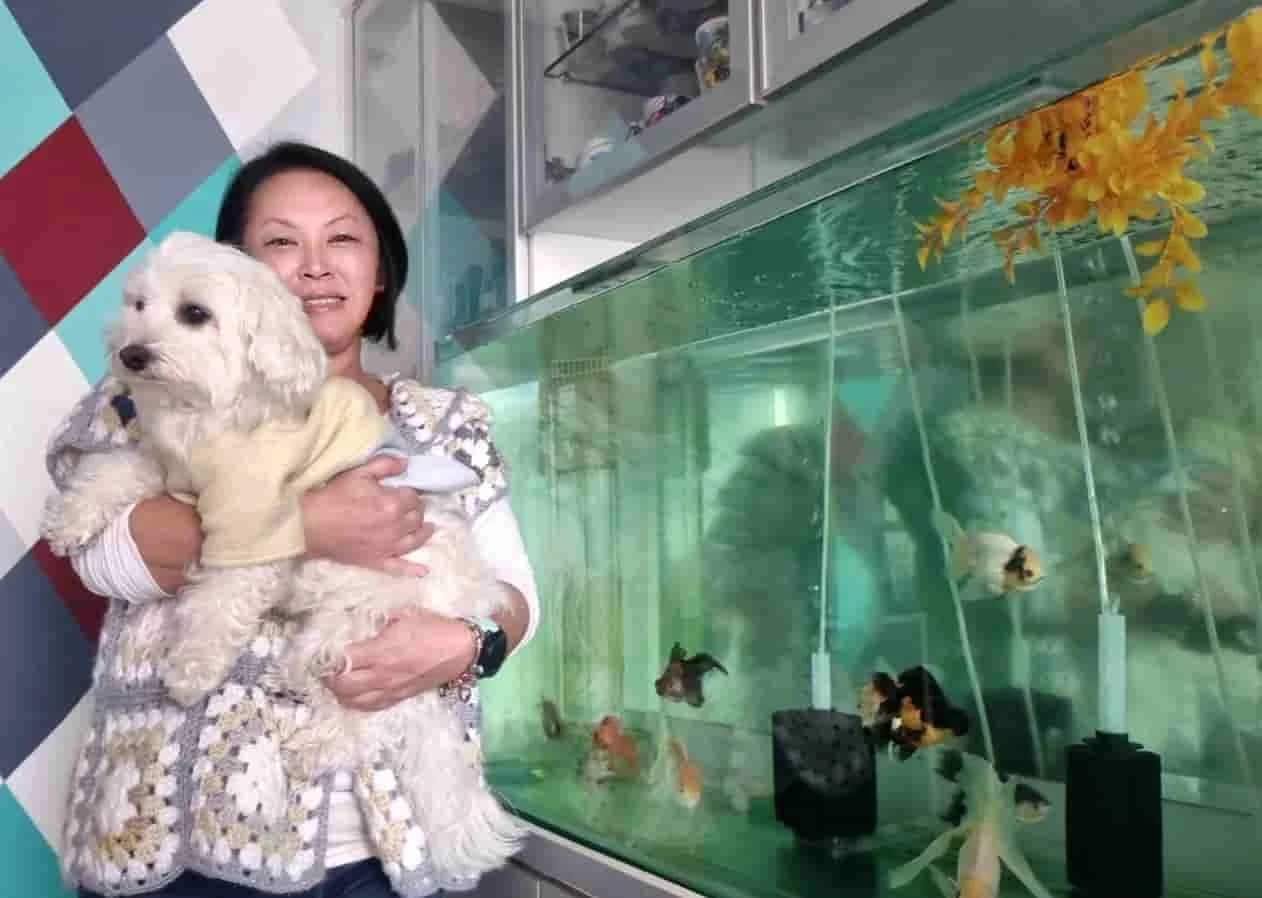
🏠 The 100G Lab
Where we torture test every hardware option, pellet line, and filter layout live.

🏃♀️ Grit & Eye
Marathon endurance meets the precise, millimeter structural focus of a seamstress.
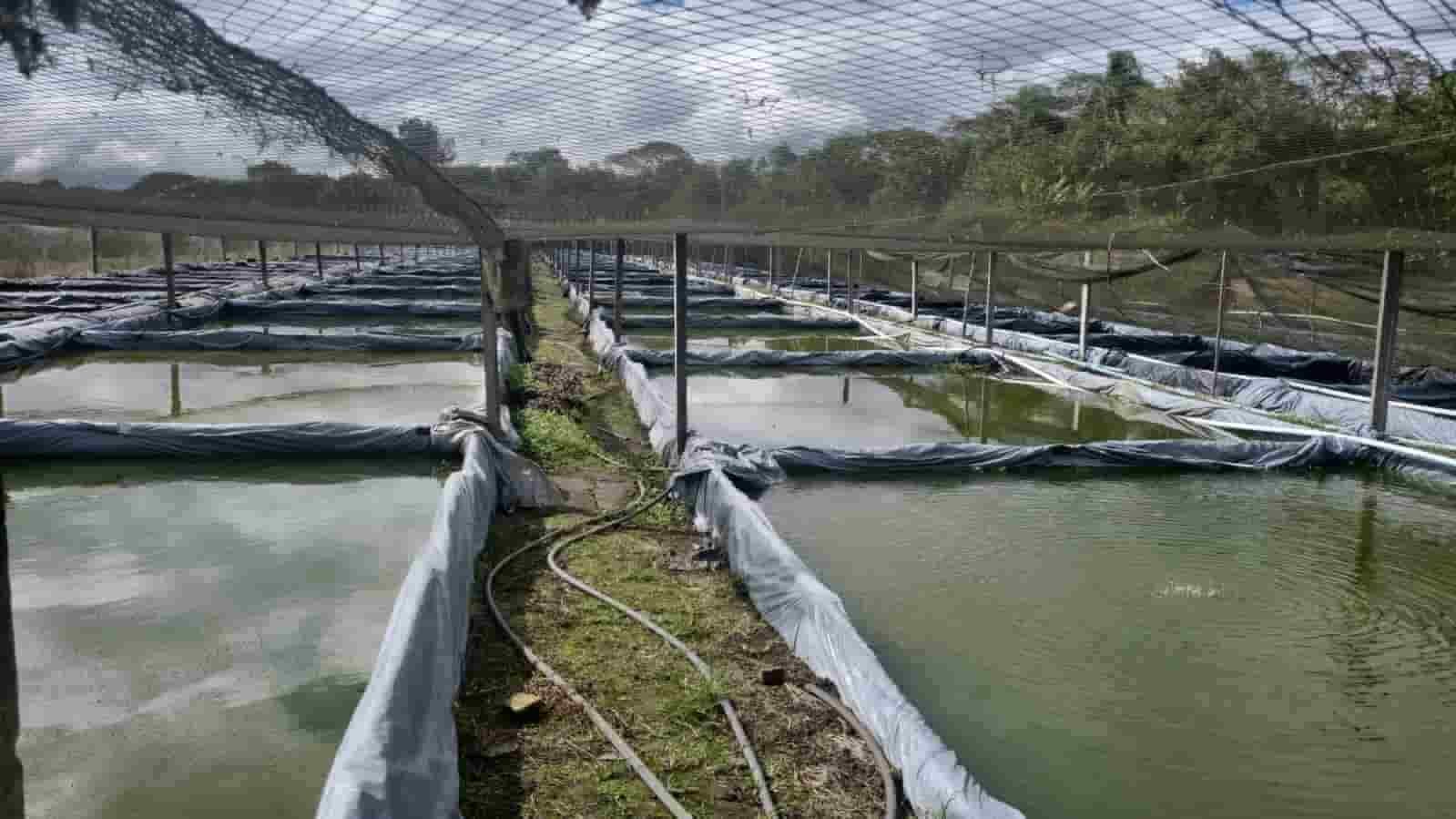
🐳 Monster Vats
Analyzing massive continuous turnovers inside large open-air mud farm vats.
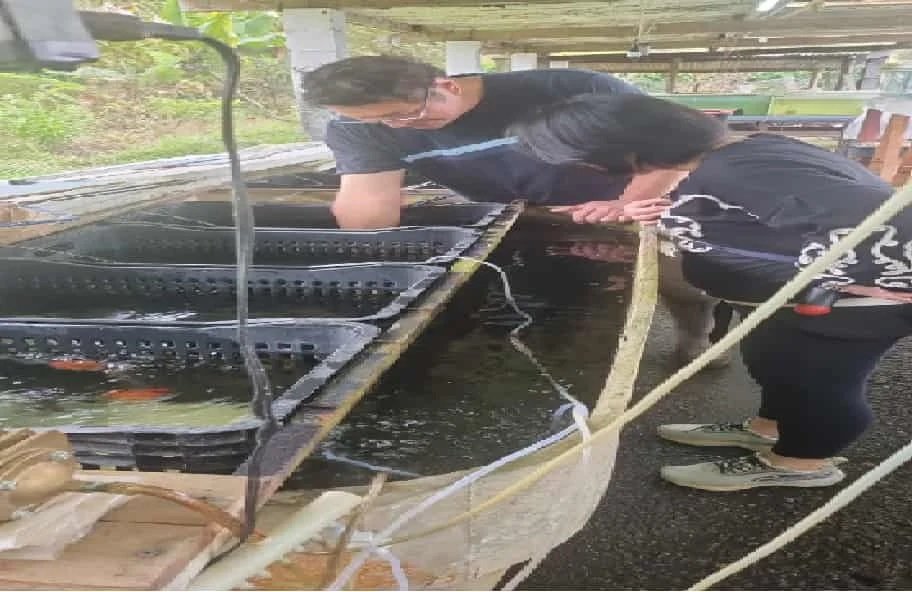
🤝 True Alliances
Working hand-in-hand with regional facility operations to target elite fancy bloodlines.
✨ Read also: Managing New Tank Syndrome in Big Setups: The Unfiltered Salvage Blueprint
A deeply technical piece of content that perfectly complements this post — absolutely worth the read.