
Managing new tank syndrome in big setups is the ultimate baptism by fire for any aquarist stepping up to large-volume freshwater displays. You spend weeks building a gorgeous 100-gallon (400-liter) setup, hook up expensive canister filters, fill it with crystal-clear water, and introduce a group of prize goldfish. Three days later, the water turns into a milky white bacterial soup, your fish sit clamped at the bottom gasping for air, and your ammonia test reading spikes straight into the toxic red zone.
Most pet shop clerks will look you dead in the eye and sell you a bottle of magical instant-cycling liquid bacteria or throwaway carbon filter cartridges, claiming it will fix your water overnight. That is absolute retail fluff designed to take your money while your fish burn in toxic metabolic waste. As a master goldfish keeper who has maintained a heavy-bioload 100-gallon tank for eight years, I can tell you that beneficial nitrifying bacteria do not care about commercial marketing promises—they obey the unyielding laws of biological physics.
When you set up a large display, you aren’t just keeping fish; you are cultivating millions of microscopic microscopic workers—specifically Nitrosomonas and Nitrospira bacteria—inside your filter media. When those colonies fail to establish before heavy waste arrives, New Tank Syndrome strikes hard. Learning how to navigate this biological bottleneck protects your investment, saves you from soul-crushing fish losses, and turns a chaotic water emergency into a controlled, rock-solid ecosystem.
Hauling fifty-gallon water changes during an active nitrogen cycle requires real physical stamina, much like running long-distance marathons. You can’t fuel heavy physical work or keep your joint health intact on sugar-loaded energy drinks and ultra-processed junk food. Just like I feed my fancy goldfish high-protein sinking foods instead of cheap cereal fillers, I rely on nutrient-dense whole foods like grass-fed meat and natural animal fat—the ultimate tactical cheat code for sustained physical endurance, sharp mental focus, and healthy joint cartilage during heavy aquarium maintenance.
30-Second Tech Support Counter Talk Summary (Click to Expand)
The Final Verdict: Stop dumping random bottles of “instant cycle” liquid bacteria into your tank hoping for a miracle. New Tank Syndrome happens because your biological filter lacks the bacterial mass to convert toxic ammonia into non-lethal nitrate. If you are stuck in an active ammonia or nitrite spike in a big setup, execute immediate 50% daily water changes using a quality municipal dechlorinator. Seed your filter media with established sponge foam from a healthy, disease-free tank, crank up your air stones for maximum surface agitation, and cut feeding by eighty percent until ammonia reads absolute zero.
Technical Comparison Of New Tank Cycling Strategies
| Cycling Strategy | Ammonia/Nitrite Spike Risk | Biological Establishment Speed | Physical Labor Demand | Marcia’s Field Verdict |
|---|---|---|---|---|
| Seeded Bio-Media Transfer | Very Low (Pre-Colonized) | Immediate (24 to 48 Hours) | Low (Routine Monitoring) | The gold standard strategy for big setups; practically foolproof. |
| Fishless Pure Ammonium Dosing | Zero Fish Risk (No Livestock) | Moderate (3 to 5 Weeks) | Low (Dosing & Liquid Testing) | The safest tactical approach before buying expensive fancy goldfish. |
| Bottled Bacteria Kickstart | High (Unpredictable Viability) | Variable (Varies by Model) | Moderate (Requires Water Swaps) | Hit-or-miss; many commercial bottles freeze or die in transit. |
| Unseeded Fish-In Cycling | Extremely High (Lethal Spikes) | Slow (4 to 6 Weeks) | Very High (Daily 50% Bucket Hauls) | A total emergency rescue scenario that causes massive fish stress. |
Battlefield Assessment: Evaluating Cycling Tactics
1. Seeded Bio-Media Transfer
The Good: Moving established ceramic rings or mature filter foam from an existing healthy tank transfers billions of active, hungry nitrifying bacteria instantly into your new canister filter.
The Bad: If the donor aquarium harbors hidden parasites like gill flukes or Ich, you will transfer those pathogens straight into your brand-new display.
2. Fishless Pure Ammonium Chloride Dosing
The Good: Allows you to build a massive, heavy-bioload bacterial colony capable of processing high waste loads before a single living fish enters the water.
The Bad: Requires weeks of patience while looking at an empty glass box, which drives eager beginners crazy.
3. Unseeded Fish-In Emergency Cycling
The Good: You get fish swimming in your new big display tank on day one.
The Bad: You are forced into doing back-breaking daily 50% water changes to prevent toxic ammonia and nitrite from burning your fish’s gills and destroying their organs.
Why Managing New Tank Syndrome in Big Setups Requires Biological Physics
The mechanics behind managing new tank syndrome in big setups come down to basic biochemistry. Goldfish excrete raw ammonia ($NH_3$) directly through their gills and urine. In an uncycled aquarium, ammonia accumulates rapidly. At a pH above 7.6, raw ammonia becomes extremely toxic, stripping the protective slime coat off your fish and causing chemical gill tissue burns.
As the first wave of Nitrosomonas bacteria establishes, they consume ammonia and convert it into nitrite ($NO_2^-$). Nitrite is an insidious silent killer. It enters the fish’s bloodstream through the gills and oxidizes the iron in hemoglobin into methemoglobin. This condition—known as brown blood disease—renders the fish’s blood incapable of carrying oxygen, causing them to gasp frantically at the surface even if your water is heavily aerated.
Only when the second slow-growing group of bacteria—Nitrospira—populates your filter media will nitrite be converted into relatively harmless nitrate ($NO_3^-$). In a big 100-gallon setup, the sheer volume of water gives you a slight thermal and chemical buffer, but a heavy bioload will still overwhelm an uncolonized filter in under seventy-two hours. Understanding this biological cascade is the lab macete that keeps your fish alive.
The Realities of the Battlefield
Pet shop supply chains love selling throwaway carbon filter cartridges, plastic bio-balls, and chemical clear-water drops. But out on the shop floor where real aquariums run, those gimmicks fail miserably under heavy biological loads.
Disposable carbon cartridges claim to keep aquarium water crystal clear during new tank setups. BUT after two weeks, the activated carbon becomes saturated with organic waste and begins leaching trapped toxins straight back into your water column while stripping out beneficial bacterial attachment sites.
Commercial bottled bacteria products promise instant fish introduction on day one. BUT if those bottles sit in an un-tempered delivery truck during extreme summer heat or winter freezes, the dormant bacterial spores die inside the bottle, leaving you with useless dirty water that fails to prevent an ammonia crash.
Hypothetical Failure Scenario: The Clean Freak Tank Crash
Consider a beginner aquarist named Dave who sets up a new 100-gallon display. Eager to stock it, he buys six large fancy goldfish on day two. By day five, the water turns cloudy white as a heterotrophic bacterial bloom explodes in the water column. Panic sets in.
Thinking the milky water is “dirty,” Dave opens his brand-new canister filter, hauls the media to the kitchen sink, and vigorously scrubs the ceramic rings and foam pads under hot, chlorinated tap water. In doing so, he instantly sterilizes the tiny nascent colony of beneficial nitrifying bacteria he spent five days growing.
He places the sterilized filter back on the tank and dumps in a full bottle of chemical water clarifier. Within twenty-four hours, the ammonia level rockets to 4.0 ppm. His goldfish collapse to the gravel, fins clamped tight, burning from severe ammonia toxicity. Dave’s impulse to clean destroyed his biological filtration, turning a normal cycling phase into a lethal toxic trap.
👇 Looking for more performance cheats? Check out our field-tested tactical blueprints:
The Goldfish Ecosystem Blueprint
Complete your advanced technical training loop by exploring our core evergreen resources.
How to Feed Goldfish for Maximum Lifespan
A deep breakdown of digestive tract mechanics, bloating prevention, and premium sinking diets.
How to Maintain a 100 Gallon Goldfish Tank
Large-scale system parameters. Deep sand bed mechanics, nitrogen cycling, and bioload management.
Ultimate Guide to Goldfish Tank Filtration
Heavy-duty hardware configurations. Optimizing parallel canisters, bio-media setups, and automation.
Practical Field Execution Checklist
- Execute managing new tank syndrome in big setups using seeded biological media.
Expert Tip: Transfer mature ceramic rings or sponge foam from a healthy, disease-free aquarium to instantly seed your new canister filter. - Perform daily 50% emergency water changes whenever ammonia exceeds 0.25 ppm.
Expert Tip: Diluting toxic waste manually is the only way to keep fish alive while waiting for nitrifying bacteria colonies to catch up. - Dose a high-quality water conditioner that temporarily binds raw ammonia.
Expert Tip: Concentrated dechlorinators convert toxic free ammonia into non-toxic ammonium for 24 hours without starving beneficial bacteria. - Install heavy-duty air stones to maximize dissolved oxygen levels.
Expert Tip: Nitrifying bacteria are obligate aerobes; boosting surface agitation speeds up bacterial reproduction and protects gasping fish. - Test water parameters daily using a precision liquid testing kit.
Expert Tip: Paper test strips are notoriously inaccurate; liquid reagent kits give exact parts-per-million readings for ammonia, nitrite, and nitrate. - Cut livestock feeding down by eighty percent during an active cycle spike.
Expert Tip: Less food going into the fish means drastically less raw ammonia being excreted through their gills into the uncycled water. - Never wash new filter media under untreated chlorinated tap water.
Expert Tip: Chlorine and chloramines added by municipal water plants instantly destroy fragile nitrifying bacterial cell walls on contact. - Maintain a stable water temperature between 68°F and 74°F for goldfish.
Expert Tip: Extreme temperature swings slow down bacterial metabolism and stress coldwater fish during an active New Tank Syndrome spike. - Avoid using chemical water clarifiers during an initial bacterial bloom.
Expert Tip: Milky white water is just harmless heterotrophic bacteria taking over; chemical clarifiers clump particles and clog fragile gills. - Add high-grade aquarium salt at a ratio of one tablespoon per ten gallons.
Expert Tip: Chloride ions in aquarium salt physically block toxic nitrite from entering your goldfish’s bloodstream and causing brown blood disease. - Nourish your body with grass-fed meat and natural animal fats for stamina.
Expert Tip: High-protein whole foods sustain physical strength and joint health when hauling heavy water buckets during emergency maintenance routines.
Dynamic No-Nonsense Aquarium FAQ
1. How long does New Tank Syndrome typically last in a big setup?
If starting from absolute scratch without seeded media, a complete nitrogen cycle takes anywhere from four to six weeks. If you seed your canister filter with mature biological media from an established tank, you can bypass New Tank Syndrome entirely in under forty-eight hours.
2. Why is my new aquarium water turning cloudy and milky white?
That milky cloudiness is a heterotrophic bacterial bloom feeding on organic nutrients in the uncycled water. It is completely normal and harmless to fish. Do not dump chemical clarifiers into the tank; it will clear up on its own in a few days as nitrifying bacteria take over.
3. Will bottled quick-start bacteria instantly cycle my new 100-gallon tank?
No. While some high-grade refrigerated bacteria strains can speed up the process, many off-the-shelf commercial bottles contain dead spores caused by poor warehouse temperature control. Never rely on bottled bacteria alone without daily liquid water testing.
4. Should I turn off my filter while treating New Tank Syndrome?
Never turn off your biological filter. Beneficial nitrifying bacteria require a continuous flow of oxygenated water to survive. Shutting off your canister filter for even a few hours starves the bacteria of oxygen, causing them to die and crash your tank.
5. Is ammonium just as dangerous to my goldfish as raw ammonia?
No. Free ammonia ($NH_3$) is a lethal gas that burns gill tissue, whereas ammonium ($NH_4^+$) is a ionized, non-toxic form that does not harm fish at moderate levels. High water pH and high temperature convert safe ammonium back into toxic free ammonia instantly.
6. Can I stock my new big aquarium all at once after cycling?
No, that is a recipe for disaster. Biological filter colonies scale precisely to the amount of waste currently available. Adding ten fish at once to a newly cycled tank creates a massive waste surge that overwhelms the bacterial population, triggering a secondary cycle crash.
7. Why are my goldfish sitting at the bottom during a new tank setup?
Bottom-sitting with clamped fins is a primary symptom of ammonia or nitrite poisoning. The toxins are burning their gill filaments and preventing proper oxygen absorption, forcing the fish to rest on the substrate to conserve precious energy.
8. Do live aquatic plants help prevent New Tank Syndrome?
Yes. Live plants consume raw ammonium and nitrates directly as fertilizer, acting as a natural biological sponge. However, goldfish will happily uproot and eat delicate live plants, so stick to tough species like Anubias, Java Fern, or Amazon Swords mounted on driftwood.
🛡️ │ WHY TRUST SKYTC GOLDFISH CARE CURATION?
At SKYTC, we hold aquatic ecosystem biology and biological parameter handling to a rigorous standard. We are not an automated affiliate review engine; we apply hands-on tests and serious filtration engineering workflows to ensure every recommendation guarantees the health and maximum lifespan of your fish with absolute safety.
✓ Engineering:
Structural experience backed by heavy-duty filtration math, continuous hydraulic turnover metrics, and robust mechanical support for large-scale coldwater systems.
✓ Expertise:
Focuse on preventative biological husbandry and premium nutrition. Thoroughly auditing biological media, sinking feeds, and elements that completely neutralize ammonia spikes.
✓ Authority:
Curation signed by real keepers running a balanced 100-gallon display ecosystem for over 8 years, pairing daily practical benchwork with direct wholesale breeder insights.
✓ Trust:
Product selections built on unfiltered transparency—exposing actual electrical draws, heat dissipation issues, and hidden costs before any Amazon recommendations.
📸 Our Journey in the Real World
From daily living room tank turn rates to macro-scale breeding setups.
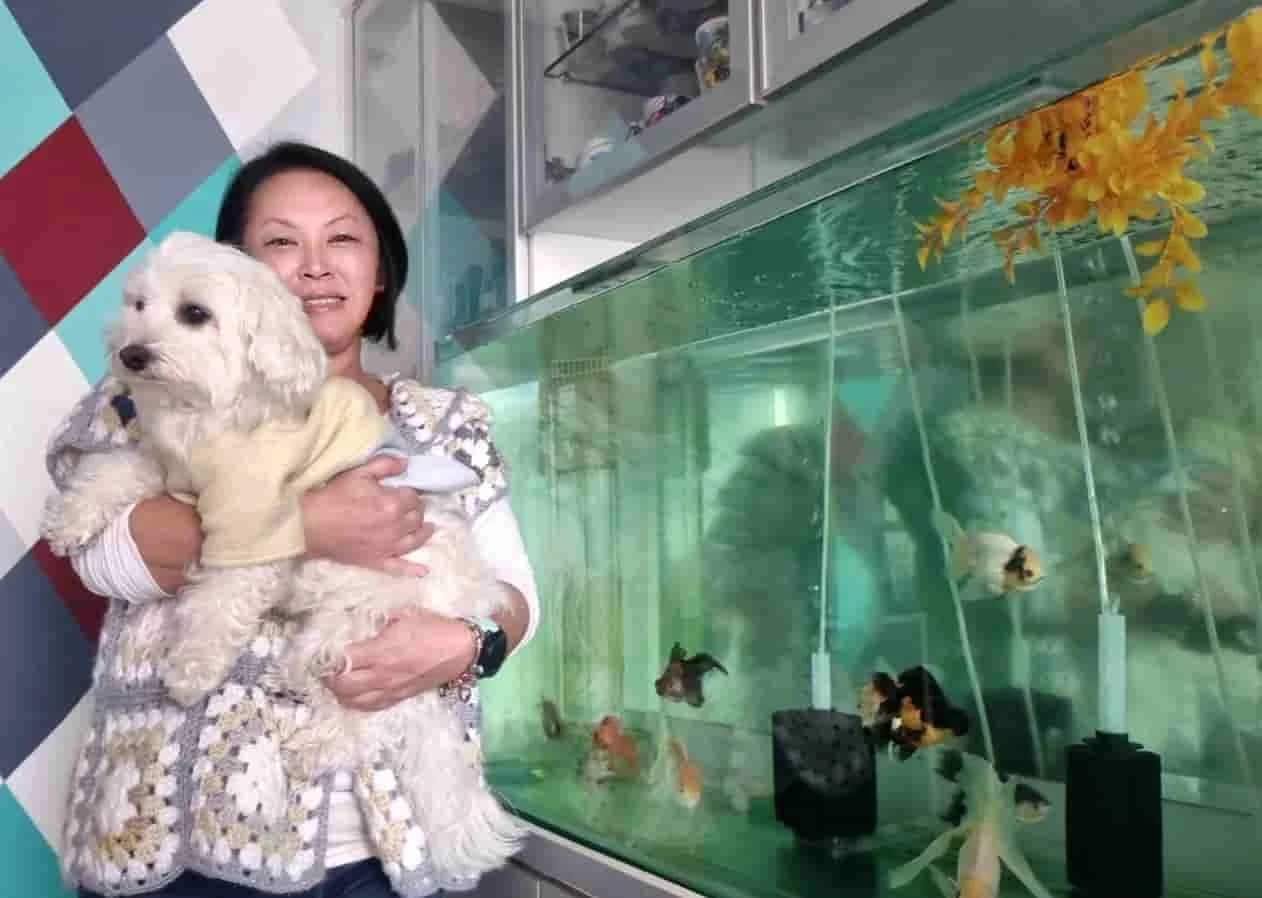
🏠 The 100G Lab
Where we torture test every hardware option, pellet line, and filter layout live.

🏃♀️ Grit & Eye
Marathon endurance meets the precise, millimeter structural focus of a seamstress.
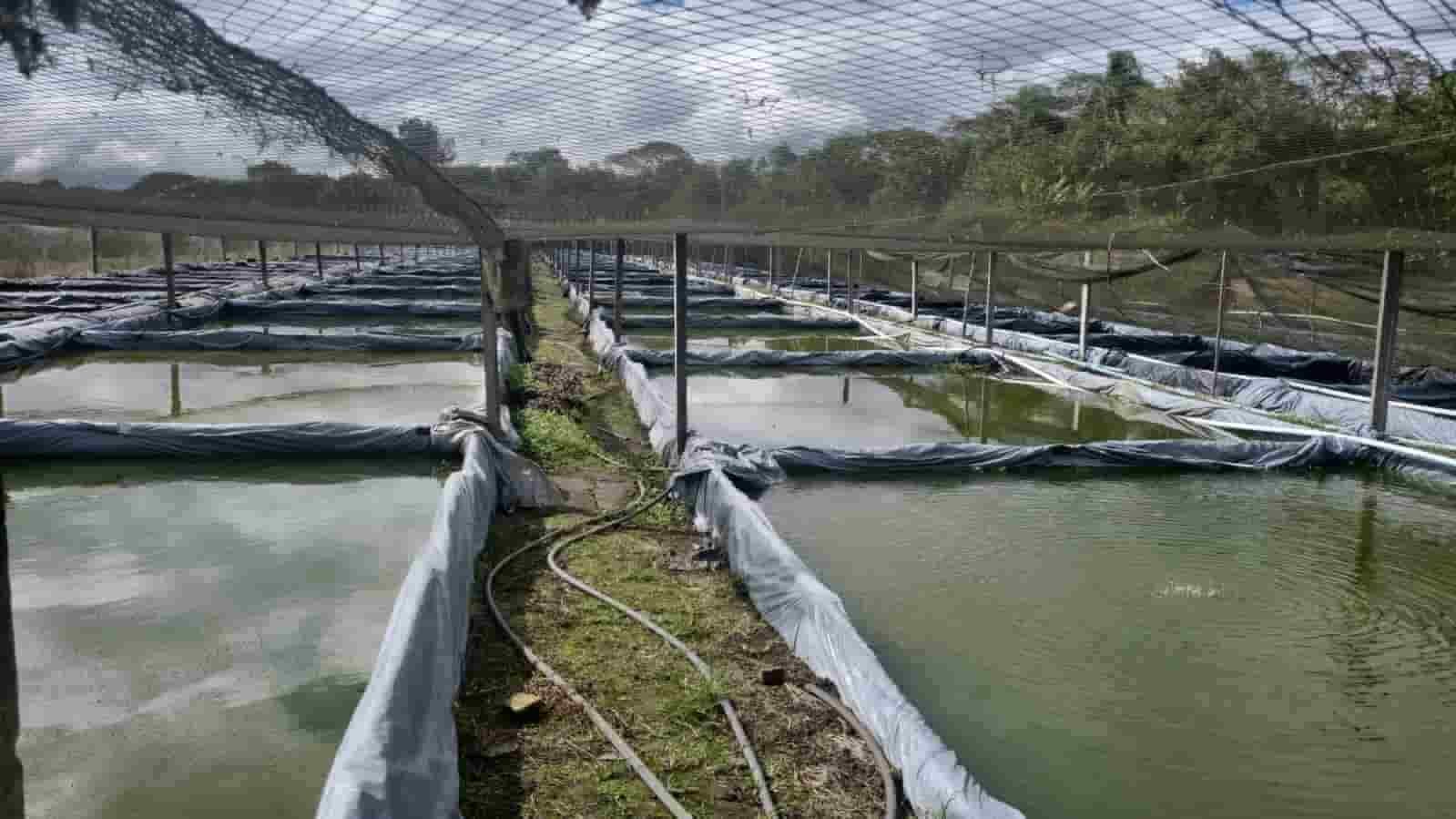
🐳 Monster Vats
Analyzing massive continuous turnovers inside large open-air mud farm vats.
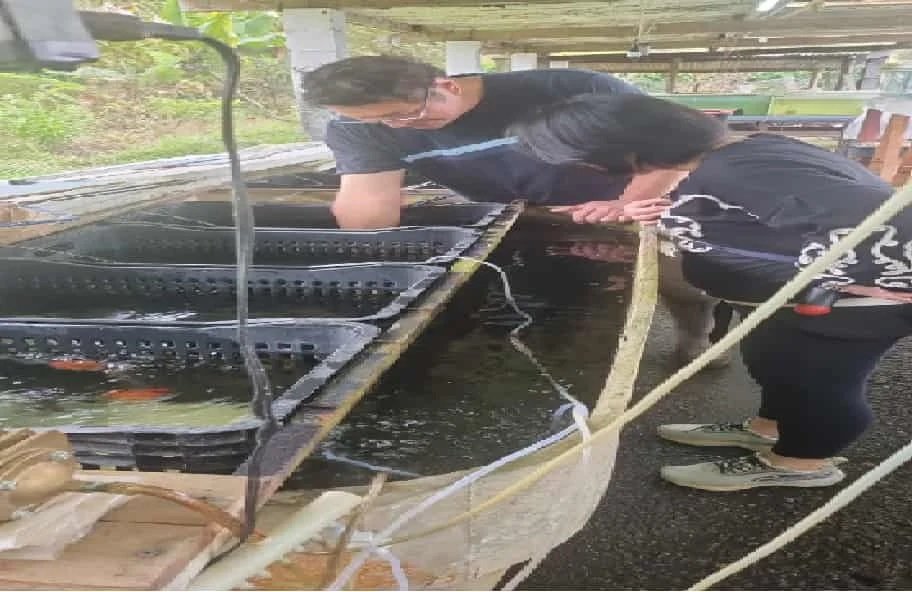
🤝 True Alliances
Working hand-in-hand with regional facility operations to target elite fancy bloodlines.
✨ Read also: How to Lower Nitrates in Large Aquariums: The Unfiltered Salvage Blueprint
A deeply technical piece of content that perfectly complements this post — absolutely worth the read.