
Mastering how to lower nitrates in large aquariums is the ultimate hurdle for anyone keeping heavy-bioload fish in big tanks. You sit down in front of your 100-gallon (400-liter) display, expecting a pristine aquatic oasis, only to see your test tube turn an alarming, persistent dark red month after month.
Chronically high nitrate levels are a silent killer. While ammonia and nitrite get all the dramatic pet-shop warnings, long-term nitrate accumulation slowly compromises your fish’s immune system, causing bent spines, organ failure, relentless swim bladder issues, and premature death in fish that should live for decades.
As a professional seamstress and long-distance runner who has maintained a heavy 100-gallon goldfish display for 8 continuous years, I have zero tolerance for snake-oil products, useless chemical resins, or lazy advice. Master this field-tested, practical guide to lower your nitrates effectively, cut your weekly labor in half, and build a bulletproof bio-system that keeps your fish thriving for years to come.
30-Second Tech Support Counter Talk (Cut The Fluff Verdict)
Stop wasting money on bottled “nitrate remover” liquids and cheap chemical sponges—they are useless Band-Aids on a heavy-bioload tank. The only way to crush high nitrates in a 100-gallon display is a three-pronged biological attack: high-volume dilution water changes (50% weekly with a siphon system), aggressive mechanical waste extraction before it breaks down (rinsing pre-filter socks twice weekly), and out-of-tank vegetation export (emergent plants like Pothos or Monstera roots dipped directly into the water column). Stop overfeeding cheap carbohydrate-heavy grain flakes that rot in the substrate, switch to dense gel food made with real meat and natural fat, and follow the field checklist below to reclaim control of your water parameters instantly.
How to Lower Nitrates in Large Aquariums: Root Causes and Water Chemistry
To defeat nitrate accumulation, you must understand where it comes from. The nitrogen cycle converts highly toxic ammonia into toxic nitrite via nitrifying bacteria, and then converts nitrite into nitrate via slow-growing Nitrospira bacteria.
Unlike ammonia and nitrite, which are continuously processed by aerobic biological filtration, nitrate is the end product of the cycle. In a closed aquarium system, nitrate simply builds up endlessly unless it is physically diluted through water changes or converted into gas by anaerobic bacteria or consumed by fast-growing plants.
Feeding cheap flake food packed with wheat and soy fillers is the single biggest accelerator of nitrate spikes. Goldfish cannot digest raw grain fillers efficiently, resulting in massive amounts of undigested, rotting waste in your tank substrate.
When you switch to high-protein gel food made with real meat and natural animal fat, the fish digest nutrients completely. Their waste becomes compact and solid, allowing mechanical filter socks to trap it before it breaks down into liquid nitrate.
Battlefield Assessment: Nitrate Reduction Strategies
Managing high nitrate levels requires evaluating the specific mechanical, chemical, and biological tools available for large display aquariums.
| Reduction Strategy | Mechanical / Bio Mechanism | Labor Requirement | The Good | The Bad |
|---|---|---|---|---|
| High-Volume Water Changes (50%+) | Direct dilution via fresh water replacement | Moderate to High | Instantly drops nitrate concentrations proportionally without complex gear. | Requires reliable water siphon gear and high municipal tap water quality. |
| Emergent Riparian Vegetation (Pothos) | Nitrogen export via plant root nutrient uptake | Ultra Low | Continuously pulls nitrates out of the water column without clogging filters. | Requires dedicated above-tank lighting and takes weeks to establish extensive roots. |
| Anoxic Bio-Media Reactors | Anaerobic bacterial conversion to nitrogen gas | Low | Permanently processes nitrate into harmless gas in zero-oxygen zones. | Delicate to configure; slow water flow can produce toxic hydrogen sulfide if mismanaged. |
| Ion-Exchange Chemical Resins | Chemical binding of nitrate molecules | Low | Temporarily strips nitrate during sudden emergency parameter spikes. | Exhausts rapidly in hard water; high recurring costs for continuous replacement. |
| Deep Sand Beds (3+ Inches) | Anaerobic micro-zones at substrate base | Ultra Low | Creates natural micro-zones for anaerobic denitrification without external gear. | Risk of dangerous gas pockets if accidentally disturbed during heavy gravel vacuuming. |
The Realities of the Battlefield
Chemical nitrate-absorbing resins and liquid “nitrate eliminators” are aggressively marketed as effortless solutions, promising to keep your water crystal clear and free of toxins without you ever needing to haul a water bucket again.
BUT…
The hard negative reality is that these chemical resins deplete within 48 to 72 hours in a heavy-bioload goldfish aquarium due to competing ions like sulfate and chloride. Liquid additives simply bind nitrate temporarily into non-testable molecules without removing the organic waste fuel source, leading to sudden mass toxicity crashes when the chemical bond inevitably breaks down.
Paper test strips sold in budget-friendly multi-packs are another major failure point in field conditions. They degrade rapidly when exposed to atmospheric moisture, giving false low readings that make you believe your nitrates are safe while your fish suffer from chronic toxicity.
Hypothetical Failure Scenario: Dave’s Chemical Band-Aid Disaster
Let us walk through a classic scenario I see all too often in the hobby. Meet Dave. Dave maintains a 100-gallon tank with six large fancy goldfish. Over time, Dave notices his nitrate reading is perpetually pegged at 80+ ppm, turning his test tube dark crimson.
Instead of rolling up his sleeves to perform regular water changes and clean out his filthy canister filter, Dave buys a bottle of “instant nitrate remover” and a pouch of chemical resin from a local pet shop. He dumps the chemical liquid into the tank and slips the resin pouch into his clogged filter.
Two days later, his test tube reads 20 ppm. Thrilled with his quick fix, Dave stops performing weekly water changes entirely and continues dumping heavy portions of cheap grain flake food into the tank.
Three weeks later, the chemical resin saturates completely and stops binding nitrate. Simultaneously, the organic detritus rotting inside his unwashed filter releases a massive flood of accumulated nitrates into the water column.
Dave wakes up to find his entire stock of fancy goldfish floating near the top, suffering from acute nitrate shock and systemic swim bladder failure. Dave ruined his aquarium balance because he trusted chemical gimmicks instead of fixing the root waste input.
👇 Looking for more performance cheats? Check out our field-tested tactical blueprints:
The Goldfish Ecosystem Blueprint
Complete your advanced technical training loop by exploring our core evergreen resources.
How to Feed Goldfish for Maximum Lifespan
A deep breakdown of digestive tract mechanics, bloating prevention, and premium sinking diets.
How to Maintain a 100 Gallon Goldfish Tank
Large-scale system parameters. Deep sand bed mechanics, nitrogen cycling, and bioload management.
Ultimate Guide to Goldfish Tank Filtration
Heavy-duty hardware configurations. Optimizing parallel canisters, bio-media setups, and automation.
Practical Execution Field Checklist
- Lower nitrates in large aquariums using consistent weekly water changes.
Expert Tip: Replacing 50 percent of tank volume weekly keeps nitrate accumulation math steady and prevents dangerous parameter creeping. - Test municipal tap water source for baseline nitrate levels.
Expert Tip: Municipal water supplies often contain baseline nitrates; knowing your source parameters prevents chasing impossible target numbers. - Install emergent Pothos plants with roots directly in water.
Expert Tip: Terrestrial plants exposed to open air pull vast amounts of nitrate out of the water column much faster than submerged aquatic plants. - Clean mechanical filter socks or pads twice every week.
Expert Tip: Removing solid waste before it decays prevents it from converting into liquid ammonia, nitrite, and ultimate nitrate load. - Feed high-protein gel food made with real meat and natural fat.
Expert Tip: Quality gel food made from real animal meat and natural fat digests cleanly, producing solid waste that drops into filter socks instantly. - Vacuum substrate thoroughly during every routine water change.
Expert Tip: Trapped detritus sitting beneath substrate acts as a continuous nitrate factory if left undisturbed to rot. - Use a continuous siphon system for effortless drainage.
Expert Tip: Eliminating heavy bucket hauling makes large water changes effortless, ensuring you never skip scheduled maintenance. - Avoid overstocking heavy-bioload fish in undersized water volumes.
Expert Tip: Overstocking accelerates waste production beyond what any realistic biological filtration can process efficiently. - Maintain steady biological filter flow to prevent stagnant zones.
Expert Tip: High water velocity through aerobic bio-media maximizes nitrifying efficiency, preventing organic waste buildup. - Incorporate deep sintered glass media blocks in sump chambers.
Expert Tip: Thick porous blocks create oxygen-deprived inner cores where anaerobic bacteria can convert nitrate into harmless nitrogen gas. - Keep a dedicated water parameter log to spot trends early.
Expert Tip: Tracking weekly nitrate readings reveals biological trends long before fish display physical symptoms of nitrate stress.
Dynamic No-Nonsense FAQ
What is an acceptable nitrate level for a large goldfish aquarium?
Keep nitrates below 20 ppm for optimal long-term health. While goldfish can survive short spikes up to 40 ppm, long-term exposure above 20 ppm causes severe immune suppression and organ stress.
Why do my nitrates remain high even after performing water changes?
Either your municipal tap water contains high baseline nitrates, your substrate is clogged with rotting detritus, or your water change volume is too small to outpace daily waste production.
Do live plants really lower nitrates in a heavy goldfish tank?
Submerged plants usually get eaten or uprooted by goldfish. However, emergent plants like Pothos, Monstera, or Peace Lilies grown with roots in the water and leaves in the air extract massive amounts of nitrate without being eaten.
Are chemical nitrate-remover liquids safe for long-term use?
No. They are temporary chemical crutches that bind nitrate temporarily without removing organic waste. Relying on them instead of water changes is a recipe for catastrophic filter crashes.
Can an anoxic deep sand bed reduce nitrates naturally?
Yes, but deep sand beds require careful setup to establish zero-oxygen zones for denitrifying bacteria. If disturbed accidentally during cleaning, they can release toxic hydrogen sulfide gas into the tank.
Why is my tap water testing positive for nitrates out of the faucet?
Agricultural runoff and municipal water treatment standards allow small amounts of nitrates in tap water. If your tap reads above 10 ppm, consider using reverse osmosis (RO) water blended with remineralized tap.
Does overfeeding cheap flake food cause high nitrate levels?
Absolutely. Cheap flakes contain low-grade wheat fillers that goldfish cannot digest. The unabsorbed grain waste rots in substrate, releasing massive amounts of organic waste that turns directly into nitrate.
Is a 50 percent water change too drastic for a 100-gallon tank?
Not if the replacement water is temperature-matched and properly dechlorinated. Large water changes are the single most effective tool for resetting parameter drift in heavy-bioload displays.
🛡️ │ WHY TRUST SKYTC GOLDFISH CARE CURATION?
At SKYTC, we hold aquatic ecosystem biology and biological parameter handling to a rigorous standard. We are not an automated affiliate review engine; we apply hands-on tests and serious filtration engineering workflows to ensure every recommendation guarantees the health and maximum lifespan of your fish with absolute safety.
✓ Engineering:
Structural experience backed by heavy-duty filtration math, continuous hydraulic turnover metrics, and robust mechanical support for large-scale coldwater systems.
✓ Expertise:
Focuse on preventative biological husbandry and premium nutrition. Thoroughly auditing biological media, sinking feeds, and elements that completely neutralize ammonia spikes.
✓ Authority:
Curation signed by real keepers running a balanced 100-gallon display ecosystem for over 8 years, pairing daily practical benchwork with direct wholesale breeder insights.
✓ Trust:
Product selections built on unfiltered transparency—exposing actual electrical draws, heat dissipation issues, and hidden costs before any Amazon recommendations.
📸 Our Journey in the Real World
From daily living room tank turn rates to macro-scale breeding setups.
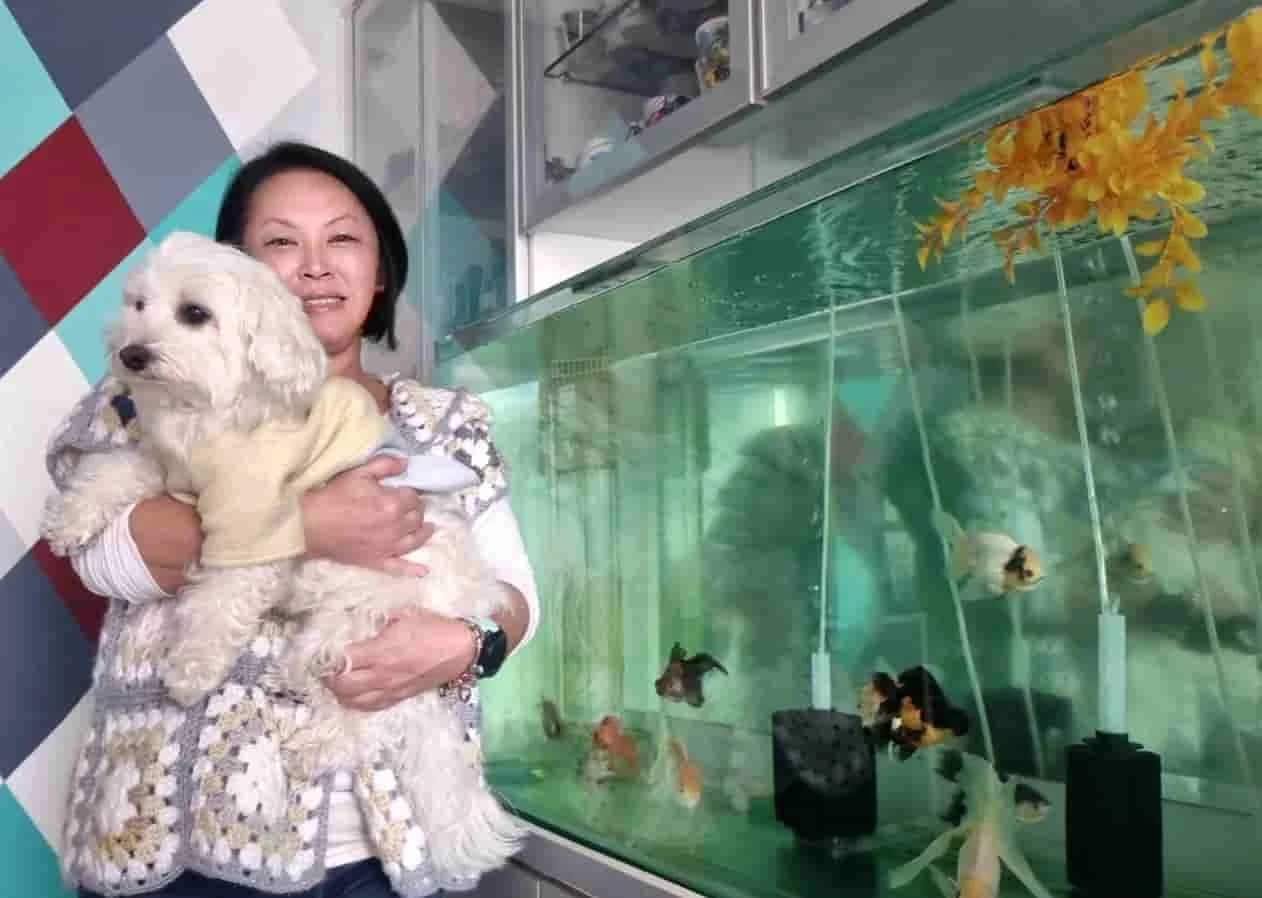
🏠 The 100G Lab
Where we torture test every hardware option, pellet line, and filter layout live.

🏃♀️ Grit & Eye
Marathon endurance meets the precise, millimeter structural focus of a seamstress.
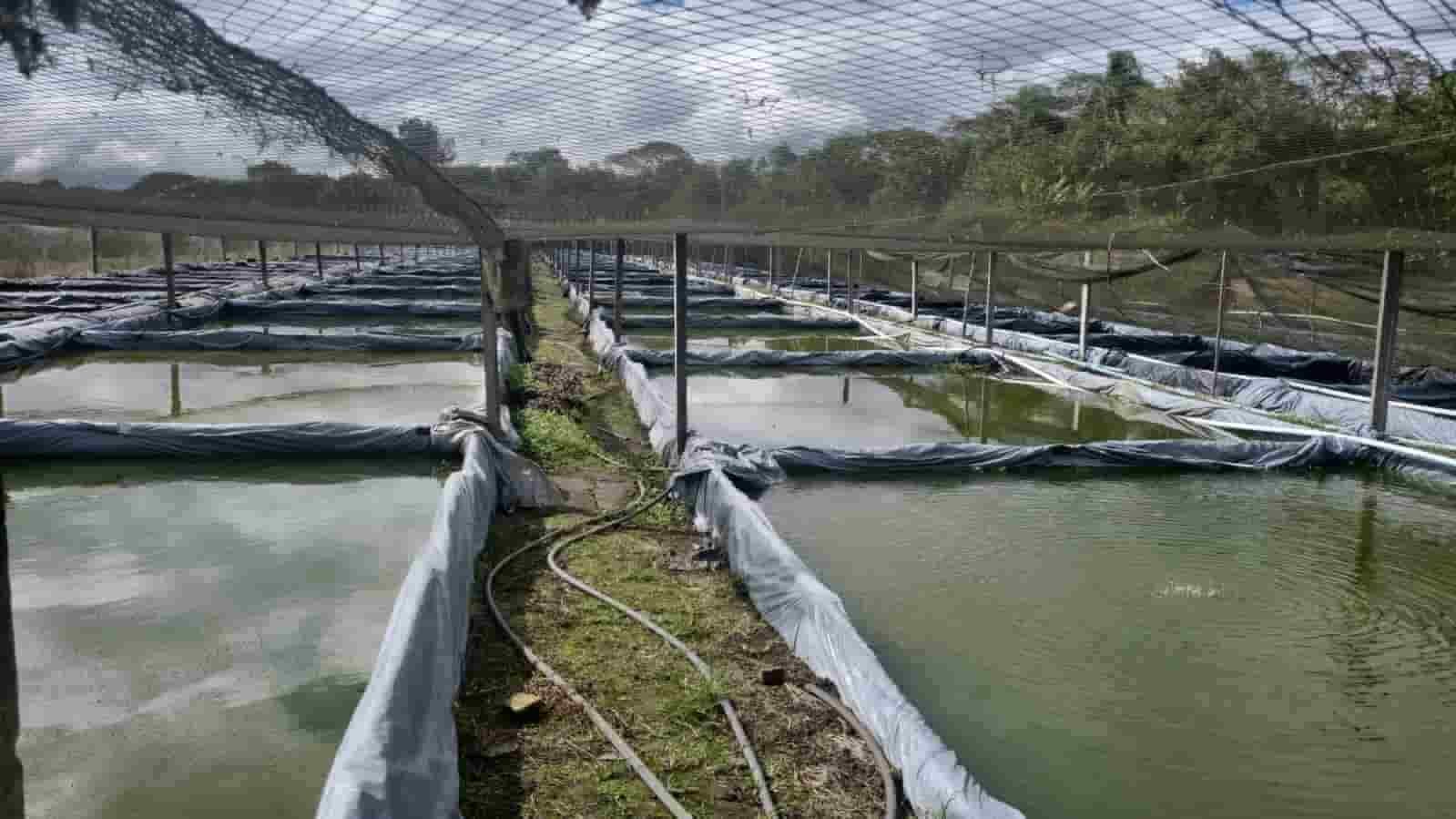
🐳 Monster Vats
Analyzing massive continuous turnovers inside large open-air mud farm vats.
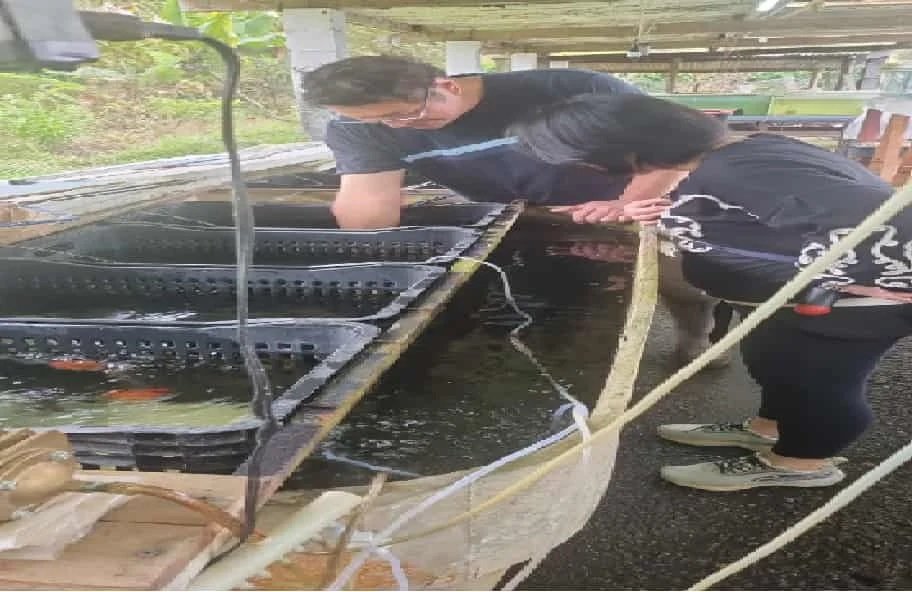
🤝 True Alliances
Working hand-in-hand with regional facility operations to target elite fancy bloodlines.
✨ Read also: Nitrite Spikes in Large Goldfish Tanks: The Raw, Unfiltered Salvage Manual
A deeply technical piece of content that perfectly complements this post — absolutely worth the read.