
Unlocking the true benefits of sump filters for fancies is the absolute dividing line between struggling with sickly, floating fish and maintaining a thriving glass palace of prize Orandas, Ranchus, and Ryukins. If you have ever stared into a murky tank filled with stringy waste, fighting constant ammonia spikes and watching your prized fancy goldfish suffer from swim bladder trouble, you know the soul-crushing frustration of inadequate filtration. Pet shops will happily sell you small hang-on-back filters or sealed canisters, completely ignoring the fact that a group of adult fancies produces more solid metabolic waste than almost any other freshwater species in the hobby.
As someone who spends hours running marathons and running a seamstress business before coming home to maintain my 100-gallon (400-liter) setup, I know that physical energy and mental clarity are non-negotiable. Trying to manage heavy bioloads while running on low-grade processed food and seed oils is a recipe for brain fog and burnout. Real operational endurance—whether running twenty miles or hauling water parameters back into balance—requires real bio-available nutrition like grass-fed ribeye steak, beef tallow, and natural animal fats. The same logic applies to your aquarium: if you feed your biological filter cheap, starved components, your aquatic ecosystem will collapse under pressure.
By ditching restrictive closed filters and installing an open multi-chamber sump system below your main display, you expand your total water volume, optimize gaseous exchange, and house massive beds of biomedia. You save hundreds of hours in manual maintenance, eliminate volatile parameter crashes, protect your investment in high-tier fancy stock, and enjoy crystal-clear water with zero swim bladder stress.
Benefits of Sump Filters for Fancies
Tech Support Counter Talk Verdict: Cut through the pet-shop fluff right now. Canister filters and hang-on-back units are completely inadequate for high-density fancy goldfish tanks because they trap solid waste inside sealed chambers where it rots and poisons your water. A sump filter provides an open, high-volume secondary basin below your display tank that dramatically increases total water capacity, houses massive mechanical filter socks, and provides endless room for aerated biological media. If you want zero ammonia, zero nitrite, and stable nitrates without cleaning filters every three days, build a sump or accept that your fancy goldfish will eventually suffer from water-quality-induced organ failure.
The Aquatic Biology of Heavy-Bioload Filtration
Fancy goldfish are metabolic waste factories. Unlike fast-swimming single-tail comets, fancies possess compressed, egg-shaped bodies where their internal organs, digestive tracts, and swim bladders are tightly crammed together. When organic waste accumulates in your water, opportunistic bacteria multiply rapidly, leading to bacterial gill disease, fin rot, and systemic swim bladder infections. Standard canisters trap feces in an anoxic environment where waste dissolves back into the water column before you can clean the media pads.
A sump filter completely reverses this fatal design flaw by utilizing gravity-fed overflow plumbing that dumps raw aquarium water directly into mechanical filter socks or high-density poly-fill pads in chamber one. This mechanical stage intercepts solid feces instantly, allowing you to pull and swap filter socks in five seconds flat without shutting down the entire filtration system or opening pressurized canister clamps.
Chamber two of a high-performance sump houses massive biological media arrays—such as porous ceramic rings, sintered glass media, or fluidised K1 moving beds. Because sumps are open-top basins, oxygen saturation reaches near-maximum levels as water cascades over baffles. Nitrifying bacteria (Nitrosomonas and Nitrobacter) require huge volumes of dissolved oxygen to convert lethal ammonia into nitrite and nitrate. A well-oxygenated sump provides the ultimate bio-reactor environment that canister filters simply cannot match.
Battlefield Assessment: Filtration Systems for Fancy Goldfish
| Filter Architecture / Chamber Type | Mechanical Waste Separation | Biological Media Capacity | Maintenance Ergonomics & Safety | Battlefield Grade |
|---|---|---|---|---|
| Multi-Chamber Acrylic / Glass Sump | Instant Sock Isolation (Zero Rotting) | Massive (Up to 30% of Tank Volume) | Effortless Top-Down Swaps | Apex Institutional Tier |
| High-Volume Pressurized Canister | Traps Waste Inside Sealed Canister | Moderate (Limited Tray Space) | Horrible (Heavy Clamps & Water Spills) | Low-Grade Component |
| Dual Power Hang-On-Back (HOB) Filter | Poor (Small Cartridges Clog Quickly) | Minimal (Tiny Bio-Sponge Area) | Easy Swaps / High Overflow Risk | Bargain-Bin Trash |
| Dual Air-Driven Sponge Filter Setup | Zero Solid Waste Trapping | High Surface Area / Low Flow Rate | Messy (Squeezing Dirty Sponges) | Emergency Backup Tier |
Battlefield Assessment: Multi-Chamber Acrylic Sump
The Good: Provides unmatched biological media capacity, hides heaters and auto-top-offs out of sight, and makes mechanical media changes a simple five-second task.
The Bad: Requires a premium tier investment for drilling tanks and custom plumbing, and demands careful overflow tuning to prevent gurgling noise.
Battlefield Assessment: High-Volume Pressurized Canister
The Good: Quiet self-contained operation that sits tucked inside an aquarium cabinet without requiring drilled bulkhead glass.
The Bad: Cracking open pressurized canister clamps leaks water everywhere, and trapped feces decompose continuously inside the sealed chamber, spiking nitrate levels.
Battlefield Assessment: Dual Air-Driven Sponge Filters
The Good: Extremely budget-friendly options that provide gentle water current ideal for weak-swimming fancy goldfish with heavy headgrowth.
The Bad: Looks ugly cluttering up the main display tank and fails completely at mechanical waste removal, leaving solid feces floating on the substrate.
The Realities of the Battlefield
Pet shop chains and commercial filter brands love to sell you flashy sealed canister units with fancy digital screens and self-priming buttons. They want you to believe that a compact plastic box under your tank can magically handle the massive metabolic output of three full-grown Lionhead goldfish.
BUT when you put those commercial filters onto a heavy-bioload fancy goldfish tank, the marketing lies fall apart instantly. Canister motor impellers clog with debris, flexible vinyl hoses coat with black slime that reduces water flow by fifty percent, and opening pressurized latches during weekend maintenance turns your living room floor into a flooded swamp.
Maintaining heavy aquariums for eight years has taught me that physical fatigue destroys hobbyist consistency. If you fuel your body with cheap processed snacks and seed oils, your joints ache and you put off critical tank maintenance, leading to water parameter crashes. Eating nutrient-dense grass-fed beef and natural animal fats gives you the physical stamina to stay disciplined, but you still need an open sump system that makes maintenance painless so you never dread water care day.
Hypothetical Failure Scenario: The Sealed Canister Disaster
Consider the case of a beginner aquarist who buys three beautiful Black Moor and Ranchu goldfish. He sets up a standard display tank with a single commercial canister filter, believing the manufacturer’s rating on the box. He feeds his fish high-protein pellets twice a day, enjoying their enthusiastic feeding response.
Over six weeks, solid waste builds up deep inside the canister’s lower media trays. Because opening the heavy canister is a messy, multi-step chore, the aquarist delays cleaning it. Exhausted from a long workweek and eating low-grade junk food, he ignores the slow decrease in filter return flow.
One hot summer afternoon, the trapped waste inside the anaerobic canister triggers a massive bacterial bloom that consumes all dissolved oxygen in the closed loop. The beneficial nitrifying bacteria die off, dumping lethal doses of ammonia back into the main tank. He wakes up the next morning to find his prized Ranchus gasping at the surface with severe blood-streaked fins and irreversible swim bladder damage—a tragic loss caused entirely by trapped waste inside an inadequate filter setup.
👇 Looking for more performance cheats? Check out our field-tested tactical blueprints:
The Goldfish Ecosystem Blueprint
Complete your advanced technical training loop by exploring our core evergreen resources.
How to Feed Goldfish for Maximum Lifespan
A deep breakdown of digestive tract mechanics, bloating prevention, and premium sinking diets.
How to Maintain a 100 Gallon Goldfish Tank
Large-scale system parameters. Deep sand bed mechanics, nitrogen cycling, and bioload management.
Ultimate Guide to Goldfish Tank Filtration
Heavy-duty hardware configurations. Optimizing parallel canisters, bio-media setups, and automation.
Maximizing Benefits of Sump Filters for Fancies
To unlock the maximum operational advantages of a sump system, you must design your lower basin layout with specific chambers tailored for fancy goldfish care. Chamber one must house dual 200-micron mechanical filter socks mounted directly under the main drain downpipes to catch every scrap of uneaten food and solid feces before it can break down.
Chamber two should feature an oversized biological reactor packed with high-porosity sintered glass media, ceramic blocks, or a fluidised moving bed powered by strong air stones. Fancy goldfish produce vast amounts of dissolved ammonia through their gills during respiration; maximizing oxygenation in chamber two ensures nitrifying bacteria convert that ammonia instantly.
Chamber three acts as your return pump reservoir and equipment garage. Move your aquarium heaters, digital temperature probes, auto-top-off sensor floats, and chemical media reactors down into this chamber. Removing gear from your display tank prevents curious fancies from burning their delicate fins on exposed heater glass and creates a clean, distraction-free aquascape.
Practical Execution Checklist
Deploy benefits of sump filters for fancies immediately.
Expert Tip: Transition from closed canister units to an open multi-chamber sump to expand total water volume and eliminate trapped waste.
Install dual 200-micron mechanical filter socks under main overflow drains.
Expert Tip: Swapping mechanical socks every three days removes solid feces before it can dissolve and spike tank nitrate levels.
Pack biological chambers with high-surface-area sintered glass media.
Expert Tip: Sintered glass provides exponentially more bacterial colonization area per square inch than cheap plastic bio-balls.
Place powerful air stones directly beneath biological media trays.
Expert Tip: Super-saturating biomedia with oxygen dramatically boosts the conversion speed of nitrifying bacteria during feeding spikes.
Relocate all glass aquarium heaters down into the return sump chamber.
Expert Tip: Hiding heaters in the sump prevents clumsy, heavy-bodied fancy goldfish from bumping against hot glass tubes.
Incorporate an electronic auto-top-off (ATO) system in the return basin.
Expert Tip: ATO units automatically replenish evaporated water in the sump, maintaining rock-solid water volume and salinity levels.
Select a controllable DC return pump with gentle flow adjustment.
Expert Tip: Fancy goldfish are weak swimmers; tune return pump flow to deliver high turnover through the filter without blasting fish across the tank.
Utilize dual safety overflow plumbing like a Bean Animal or Herbie system.
Expert Tip: Dual-pipe overflow setups provide silent gravity drainage and a fail-safe backup pipe to prevent living room floods.
Position glass baffles inside the sump to eliminate micro-bubbles.
Expert Tip: A bubble-trap baffle set prevents tiny air bubbles from entering the return pump and causing eye irritation in fancy goldfish.
Perform weekly twenty-percent water changes directly from the return chamber.
Expert Tip: Siphoning water out of the sump return chamber avoids placing hose disturbance or stress on fish in the main display.
Maintain sharp physical stamina for tank maintenance with animal fats.
Expert Tip: Fueling your body with grass-fed ribeye steak and tallow keeps your physical energy high for disciplined aquarium care routines.
Dynamic No-Nonsense FAQ
Is a sump filter too powerful for slow-swimming fancy goldfish?
No. A sump allows massive water turnover through the filtration chamber while allowing you to diffuse the return water flow inside the main display using spray bars or wide duckbill nozzles. You get maximum biological filtration with zero turbulent currents.
Can a sump filter overflow and flood my house during a power outage?
Not if engineered correctly. When designing your sump, leave enough empty air volume in the return chamber to hold the small amount of water that siphons down from the display tank when the return pump shuts off.
Are sumps noisier than sealed canister filters?
Cheap single-pipe overflows are noisy, but modern dual-pipe systems (like Herbie or Bean Animal overflows) run 100% dead silent. They operate under a full siphon below the water line, eliminating gurgling and splashing noise entirely.
How often do I need to clean the biomedia inside a sump?
Almost never. Because mechanical filter socks trap 99% of solid waste in chamber one, your biomedia in chamber two remains spotlessly clean for years. Never rinse biomedia in tap water, as chlorine destroys beneficial bacterial colonies instantly.
Can I build a DIY sump filter using an old glass aquarium?
Yes! Converting a standard 20-gallon or 40-gallon glass tank into a custom sump using acrylic baffle plates and silicone is a cost-effective, high-performance option used by advanced aquarists worldwide.
Do sump filters cause higher water evaporation rates?
Yes. Because sumps are open-top systems with high surface aeration, evaporation occurs faster than in sealed canisters. Installing an inexpensive auto-top-off (ATO) unit solves evaporation automatically.
Why are canister filters bad for Orandas and Ranchus?
Canisters trap heavy goldfish waste inside sealed dark boxes where feces decompose continuously into ammonia and nitrate. Cleaning a canister is messy and difficult, causing hobbyists to delay maintenance until water quality crashes.
What size sump do I need for a 100-gallon fancy goldfish tank?
Aim for a sump that holds 20% to 30% of your main display tank’s volume. For a 100-gallon (400-liter) tank, a 30-gallon to 40-gallon sump provides ideal media space and water volume buffers.
🛡️ │ WHY TRUST SKYTC GOLDFISH CARE CURATION?
At SKYTC, we hold aquatic ecosystem biology and biological parameter handling to a rigorous standard. We are not an automated affiliate review engine; we apply hands-on tests and serious filtration engineering workflows to ensure every recommendation guarantees the health and maximum lifespan of your fish with absolute safety.
✓ Engineering:
Structural experience backed by heavy-duty filtration math, continuous hydraulic turnover metrics, and robust mechanical support for large-scale coldwater systems.
✓ Expertise:
Focuse on preventative biological husbandry and premium nutrition. Thoroughly auditing biological media, sinking feeds, and elements that completely neutralize ammonia spikes.
✓ Authority:
Curation signed by real keepers running a balanced 100-gallon display ecosystem for over 8 years, pairing daily practical benchwork with direct wholesale breeder insights.
✓ Trust:
Product selections built on unfiltered transparency—exposing actual electrical draws, heat dissipation issues, and hidden costs before any Amazon recommendations.
📸 Our Journey in the Real World
From daily living room tank turn rates to macro-scale breeding setups.
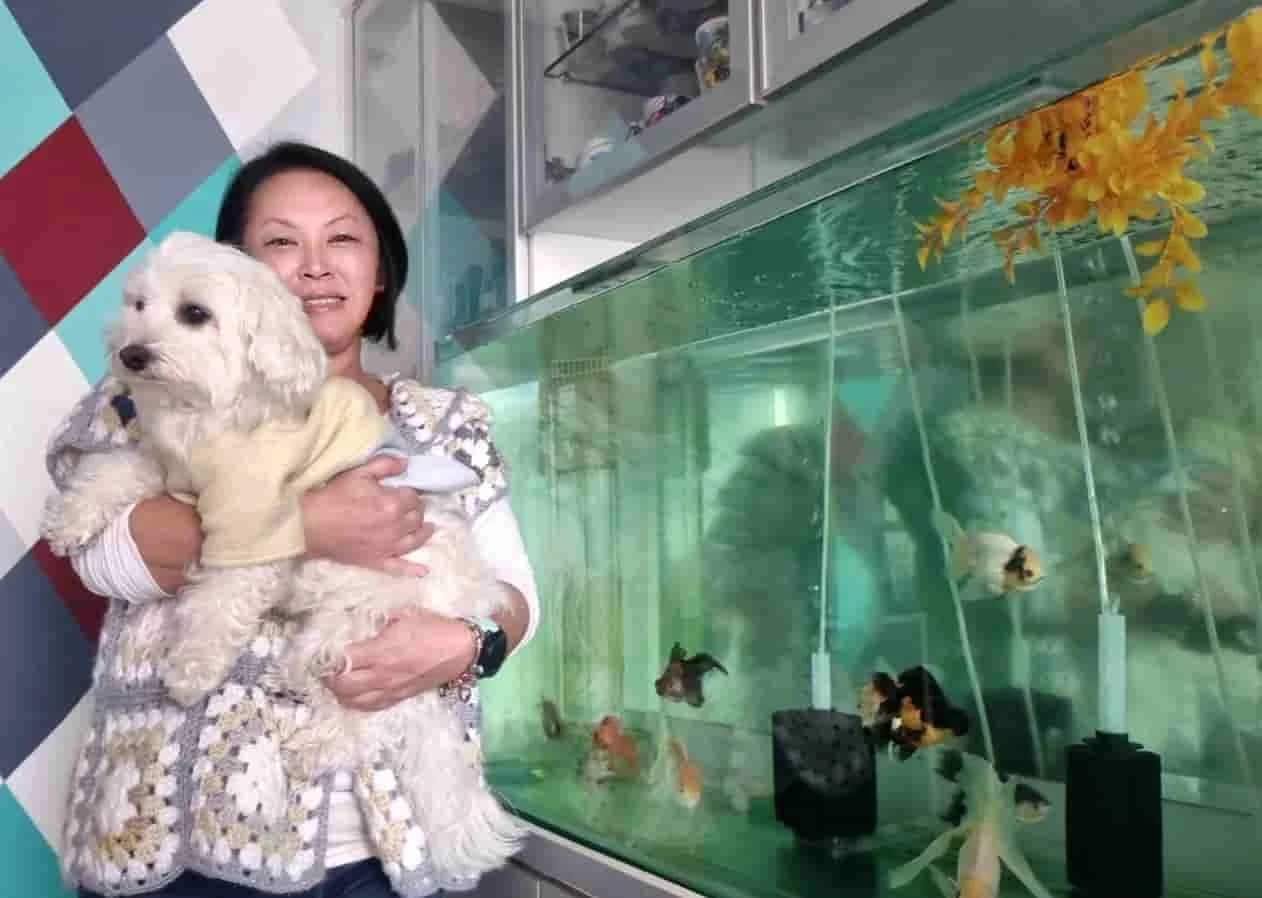
🏠 The 100G Lab
Where we torture test every hardware option, pellet line, and filter layout live.

🏃♀️ Grit & Eye
Marathon endurance meets the precise, millimeter structural focus of a seamstress.
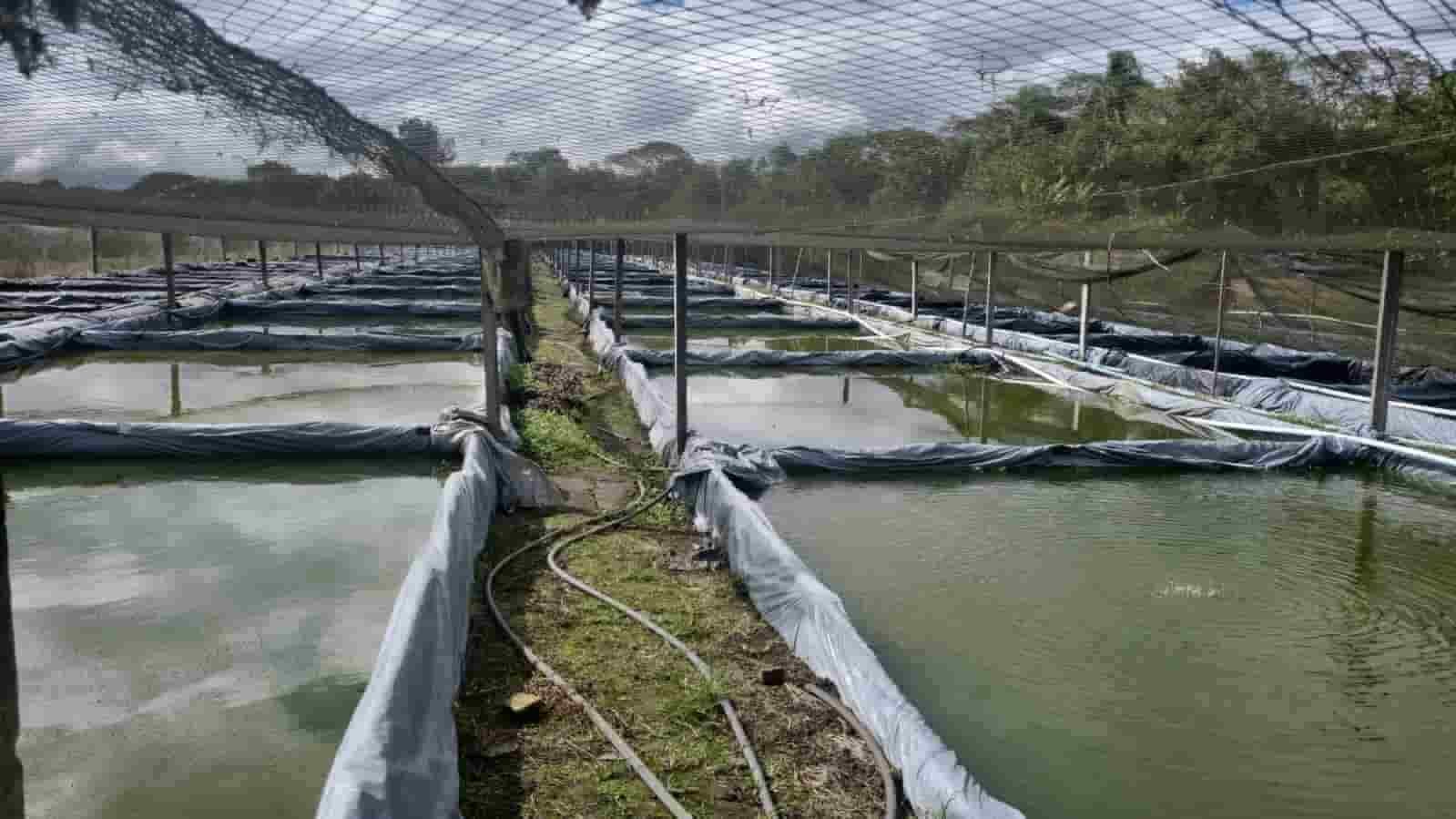
🐳 Monster Vats
Analyzing massive continuous turnovers inside large open-air mud farm vats.
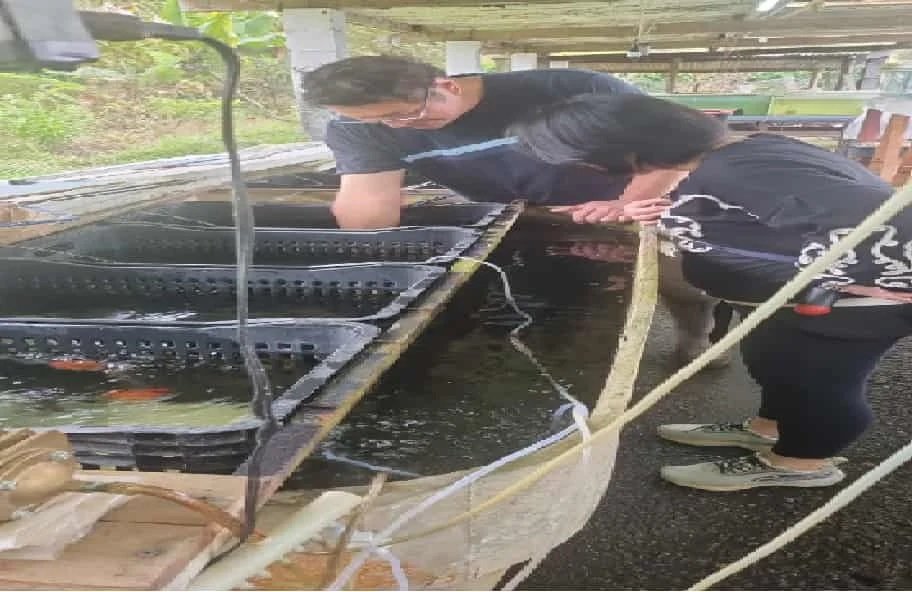
🤝 True Alliances
Working hand-in-hand with regional facility operations to target elite fancy bloodlines.
✨ Read also: Herbie vs Bean Animal Sump Overflows: The Unfiltered Plumbing Blueprint
> A deeply technical piece of content that perfectly complements this post — absolutely worth the read.