
Understanding herbie vs bean animal sump overflows is the absolute boundary line between enjoying a dead-silent, high-performance display tank or waking up at 3:00 AM to fifty gallons of filthy water ruining your hardwood floor. There is nothing more soul-crushing for an aquarist than dealing with a gurgling overflow box that sounds like a flushing toilet in your living room, or living in constant terror that a stray snail will block your drain line and flood your home.
Most commercial aquarium kits ship with cheap, outdated single-pipe Durso standpipes that belong in a landfill. As someone who manages a heavy-bioload 100-gallon (400-liter) goldfish system where massive water turnover is mandatory, I can tell you straight out: single-pipe drains are a toxic trap waiting to fail. If you want high turnover without acoustic torture or flood anxiety, you must run a full-siphon multi-pipe overflow system.
Both the Herbie and Bean Animal systems leverage fluid dynamics to pull airless, dead-silent full siphons down to your sump. However, their plumbing mechanics, hole requirements, and fail-safe redundancy levels differ significantly. Mastering these two plumbing architectures saves you thousands in potential property damage, eliminates micro-bubble foam in your display, and guarantees rock-solid peace of mind.
Plumbing heavy-duty Schedule 80 PVC pipes and managing heavy 100-gallon sumps requires physical stamina and mental focus—much like running long-distance marathons or stitching complex garments. Just like I feed my prized fancy goldfish real protein instead of cheap wheat-germ filler, I keep my own joint health, mental clarity, and physical endurance high by eating nutrient-dense grass-fed meat and natural animal fat—the ultimate tactical cheat code for heavy aquarium labor.
30-Second Tech Support Counter Talk Summary (Click to Expand)
The Final Verdict: Stop relying on noisy Durso standpipes. If your tank only has two drilled holes in the overflow box, run a Herbie Overflow—one full-siphon pipe dialed in with a precision gate valve, and one dry emergency drain. If you are drilling a new tank or have three or more holes available, build a Bean Animal System—one full-siphon, one open-channel trickle pipe, and one dry emergency. The Bean Animal is the absolute gold standard of aquarium plumbing: dead silent, self-purging, and 100% fail-safe against catastrophic snail blockages.
Technical Comparison Of Sump Overflow Architectures
| Plumbing Architecture | Fail-Safe Redundancy | Acoustic Level (Noise) | Tuning & Flow Capacity | Marcia’s Field Verdict |
|---|---|---|---|---|
| Bean Animal System (3-Pipe) | Triple Fail-Safe (Dry Emergency + Open Channel) | Dead Silent (0 dB Air Entrainment) | High Capacity / Extremely Stable | The undisputed gold standard for large high-bioload displays. |
| Herbie System (2-Pipe) | Dual Fail-Safe (Main Siphon + Dry Emergency) | Dead Silent (When Correctly Tuned) | High Capacity / Requires Periodic Micro-Adjustments | The best tactical upgrade for dual-drilled tanks. |
| Durso / Stock Standpipe (1-Pipe) | Zero Fail-Safe (Single Point of Failure) | Loud (Continuous Slurping & Gurgling) | Low Capacity / Heavy Micro-Bubbles | A cheap gimmick included in kit tanks; replace immediately. |
| Tuned Stock Dual Corner Drain | Low (Shared Air Line) | Moderate (Intermittent Gurgling) | Moderate / Prone to Surge Fluctuation | Unreported in commercial rating; unviable for heavy flow. |
Battlefield Assessment: Evaluating Sump Drain Systems
1. Bean Animal Three-Pipe Overflow System
The Good: Uses three dedicated pipes (Full Siphon, Open Channel, Dry Emergency) to handle massive water turnover with zero noise and absolute, foolproof flood protection.
The Bad: Requires three drilled holes inside the overflow weir plus a fourth hole for the return line, consuming valuable real estate inside smaller display tanks.
2. Herbie Two-Pipe Overflow System
The Good: Delivers dead-silent full siphon performance using only two pipes, making it ideal for standard dual-drilled reef-ready aquariums.
The Bad: If a stray snail clogs the main siphon line, the single emergency pipe must handle 100% of the return pump volume, leaving zero secondary backup if debris hits the emergency line.
3. Single Durso Air-Aspirated Standpipe
The Good: Very cheap upfront, simple single-pipe design shipped inside bargain-bin aquarium starter kits.
The Bad: Air constantly mixes with water inside the pipe, creating intolerable flushing noises, spitting micro-bubbles into the sump, and risking catastrophic room flooding if blocked.
Herbie vs Bean Animal Sump Overflows: Demystifying Fluid Dynamics
When evaluating herbie vs bean animal sump overflows, you must understand the basic physics of water flow under atmospheric pressure. A standard open pipe allows air and water to mix inside the drain line. This mixture creates air pockets that violently expand and collapse, causing the infamous toilet-flushing sound known as air entrainment. To eliminate noise, you must eliminate air completely by establishing a full siphon.
The Herbie Overflow accomplishes this by placing a high-precision gate valve on the primary drain pipe located beneath the tank. By restricting the flow slightly, water backs up inside the overflow box until the primary pipe’s intake is completely submerged. Because no air enters the pipe, water flows smoothly under pure hydraulic head pressure. A second pipe—set higher in the overflow box—remains dry as a dedicated emergency drain if the main siphon becomes restricted.
The Bean Animal System takes full siphon mechanics to the next level by adding a third pipe called the Open Channel. The primary pipe operates as a full siphon tuned by a gate valve. The secondary pipe operates as an open-channel drain that carries a tiny trickle of excess water, using an airline tube attached to its top cap as an air-purge mechanism. The third pipe stays completely dry above the water line. If the main siphon clogs, the open channel converts into a full siphon automatically, and if that fails, the dry emergency takes over. It is physically impossible to flood your room with a properly plumbed Bean Animal setup.
The Realities of the Battlefield
Aquarium shop sales clerks love selling cheap plastic plumbing kits with press-fit barb fittings, flexible accordion tubing, and cheap red-handled PVC ball valves. But down on the workshop floor, those bargain-bin components are an absolute disaster waiting to destroy your flooring.
Flexible corrugated drain tubing offers easy installation without gluing hard PVC joints. BUT the internal ridges create heavy water turbulence, trap detritus and slime, and generate continuous humming vibrations that echo through your aquarium cabinet.
Standard PVC ball valves cost very little at hardware stores. BUT their internal nylon seats stick under water pressure, making micro-adjustments impossible; when you try to fine-tune a siphon, the valve jumps from too open to completely shut, throwing your sump water level out of balance.
Hypothetical Failure Scenario: The Cheap Ball Valve Snail Disaster
Consider an aquarist named Dave who decides to run a Herbie overflow on his new display tank. To save money, Dave installs a cheap red-handled hardware store ball valve on his main siphon line instead of a precision spear-gate valve. He turns on his high-output return pump and tries to tune the siphon.
Because the cheap ball valve sticks, Dave forces the handle, accidentally over-restricting the main siphon. Water rises in his overflow weir and begins trickling down the emergency pipe. It seems silent, so Dave walks away. Two weeks later, a stray nerite snail crawls down the main siphon pipe and lodges directly against the partially closed ball valve, dropping main siphon capacity by fifty percent.
The emergency drain tries to absorb the extra water volume, but because Dave neglected to clear floating duckweed out of his overflow weir, the duckweed coats the emergency pipe strainer. Water backs up over the top edge of the glass display tank. The return pump continues pumping thirty gallons of water out of the sump onto Dave’s living room rug, warping his floorboards and ruining his electrical power strips.
👇 Looking for more performance cheats? Check out our field-tested tactical blueprints:
The Goldfish Ecosystem Blueprint
Complete your advanced technical training loop by exploring our core evergreen resources.
How to Feed Goldfish for Maximum Lifespan
A deep breakdown of digestive tract mechanics, bloating prevention, and premium sinking diets.
How to Maintain a 100 Gallon Goldfish Tank
Large-scale system parameters. Deep sand bed mechanics, nitrogen cycling, and bioload management.
Ultimate Guide to Goldfish Tank Filtration
Heavy-duty hardware configurations. Optimizing parallel canisters, bio-media setups, and automation.
Practical Field Execution Checklist
- Evaluate herbie vs bean animal sump overflows based on your available drilled holes.
Expert Tip: Never drill fewer than three holes if building a new custom tank; three holes allow a true fail-safe Bean Animal configuration. - Install a heavy-duty PVC gate valve on the primary siphon drain line.
Expert Tip: Gate valves feature fine-threaded spindles that allow micro-millimeter flow adjustments impossible to achieve with ball valves. - Use Schedule 80 PVC thick-wall pipe and fittings for structural durability.
Expert Tip: Thick-wall Schedule 80 dampens water movement acoustics far better than thin Schedule 40 or flexible vinyl tubing. - Ensure the primary siphon pipe discharges two inches below sump water level.
Expert Tip: Submerging the discharge tip prevents air back-drafting into the pipe, allowing the siphon to purge air pockets rapidly upon startup. - Keep the dry emergency pipe discharge hovering completely above the sump water line.
Expert Tip: If water begins splashing out of the emergency line, the loud splashing sound instantly alerts you that the main siphon is restricted. - Install removable slip-strainers over every drain intake inside the overflow box.
Expert Tip: Slotted strainers prevent snails, plant leaves, and small fish from entering the siphon plumbing without restricting water intake. - Place high-quality silicone gaskets strictly on the dry flange side of bulkheads.
Expert Tip: Putting silicone grease or gaskets on the wet side inside the tank causes bulkhead slippage and leads to persistent slow leaks. - Maintain your physical stamina with grass-fed meat and natural animal fats.
Expert Tip: Sustained physical endurance and healthy joint cartilage are essential when hauling heavy sump tanks and wrenching large PVC fittings. - Incorporate unions directly above and below all gate valves for easy maintenance.
Expert Tip: True-union fittings let you unscrew and remove gate valves for cleaning without cutting into your permanent PVC pipe runs. - Test the emergency fail-safe plumbing by intentionally blocking the main siphon.
Expert Tip: Manually shut your primary gate valve while the return pump is running to verify that the emergency line handles full pump flow without overflowing. - Clean detritus buildup out of your sump filter socks on a strict weekly schedule.
Expert Tip: Clogged filter socks cause back-pressure in the drain lines, altering water levels inside your overflow box and disrupting siphon equilibrium.
Dynamic No-Nonsense Aquarium FAQ
1. Can I run a Herbie or Bean Animal overflow without an overflow box weir?
No. You need an overflow box weir to skim the surface oil film off the display water and establish a consistent water height. Running bare pipes inside the display tank without a weir leads to violent water level fluctuations, floating fish hazards, and impossible siphon tuning.
2. Why does my full siphon keep losing its prime and gurgling?
Your return pump flow rate is likely fluctuating, or your primary siphon pipe discharge is submerged too deep in the sump. If the discharge is buried deep, trapped air cannot escape upon startup. Ensure the primary pipe sits no more than one to two inches below the sump water surface.
3. Do I need to glue all PVC plumbing joints inside the overflow box?
No. Plumbing connections *inside* the overflow weir should remain press-fit without PVC cement. This allows you to remove standpipes for cleaning or height adjustments. All plumbing *outside* and *below* the glass tank must be permanently primed and solvent-welded.
4. What diameter PVC pipe should I use for a 100-gallon display overflow?
Use 1-inch inside diameter (ID) PVC pipe for your main siphon and emergency lines, paired with a 3/4-inch return line. A 1-inch full siphon line under standard gravity head pressure easily handles over 1,000 gallons per hour of silent flow.
5. Is a Bean Animal system really necessary for a freshwater goldfish setup?
Yes. Heavy-bioload fish like goldfish produce massive solid waste, shed slime, and uproot plants. These debris particles easily clog single-pipe drains. A Bean Animal system gives you the flow capacity required for heavy filtration alongside foolproof flood protection.
6. Can I convert a standard single-pipe corner overflow into a Herbie system?
Yes, if the overflow box has two drilled holes. Convert the larger hole into your main full-siphon drain with a gate valve, and convert the smaller hole into your dry emergency drain. Route your return line over the back rim of the glass tank using black vinyl tubing.
7. Why shouldn’t I use cheap ball valves to tune my Herbie siphon?
Ball valves use a rotating sphere with a thick rubber seal that sticks under pressure. They lack fine thread control, making it virtually impossible to dial in the precise millimeter water height required for a stable, silent full siphon.
8. Will a full-siphon overflow restart automatically after a power outage?
Yes, if plumbed correctly. When power drops, water drains to the pipe intake level and stops. When power returns, the rising water column purges air out of the submerged discharge pipe within thirty seconds, instantly re-establishing the quiet full siphon.
🛡️ │ WHY TRUST SKYTC GOLDFISH CARE CURATION?
At SKYTC, we hold aquatic ecosystem biology and biological parameter handling to a rigorous standard. We are not an automated affiliate review engine; we apply hands-on tests and serious filtration engineering workflows to ensure every recommendation guarantees the health and maximum lifespan of your fish with absolute safety.
✓ Engineering:
Structural experience backed by heavy-duty filtration math, continuous hydraulic turnover metrics, and robust mechanical support for large-scale coldwater systems.
✓ Expertise:
Focuse on preventative biological husbandry and premium nutrition. Thoroughly auditing biological media, sinking feeds, and elements that completely neutralize ammonia spikes.
✓ Authority:
Curation signed by real keepers running a balanced 100-gallon display ecosystem for over 8 years, pairing daily practical benchwork with direct wholesale breeder insights.
✓ Trust:
Product selections built on unfiltered transparency—exposing actual electrical draws, heat dissipation issues, and hidden costs before any Amazon recommendations.
📸 Our Journey in the Real World
From daily living room tank turn rates to macro-scale breeding setups.
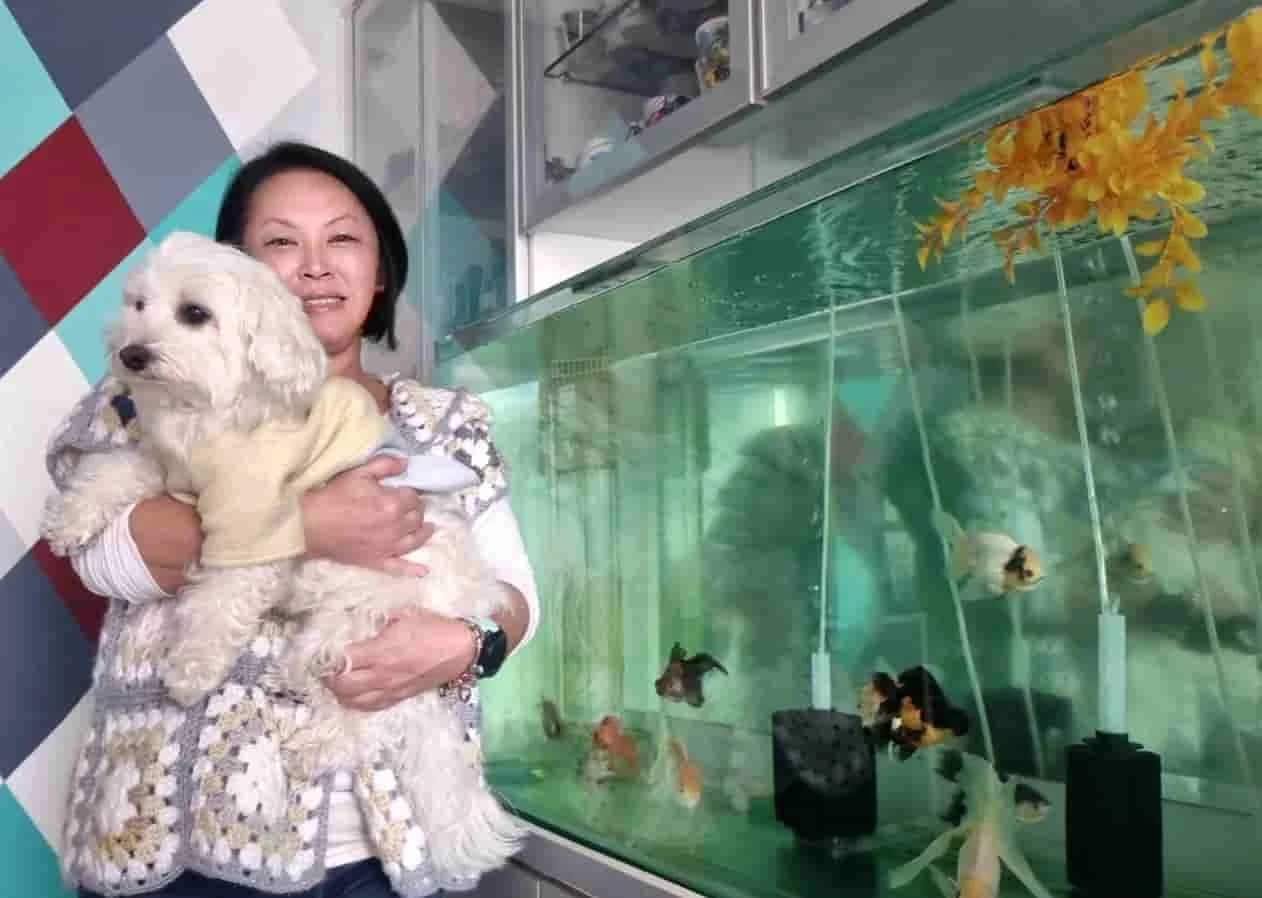
🏠 The 100G Lab
Where we torture test every hardware option, pellet line, and filter layout live.

🏃♀️ Grit & Eye
Marathon endurance meets the precise, millimeter structural focus of a seamstress.
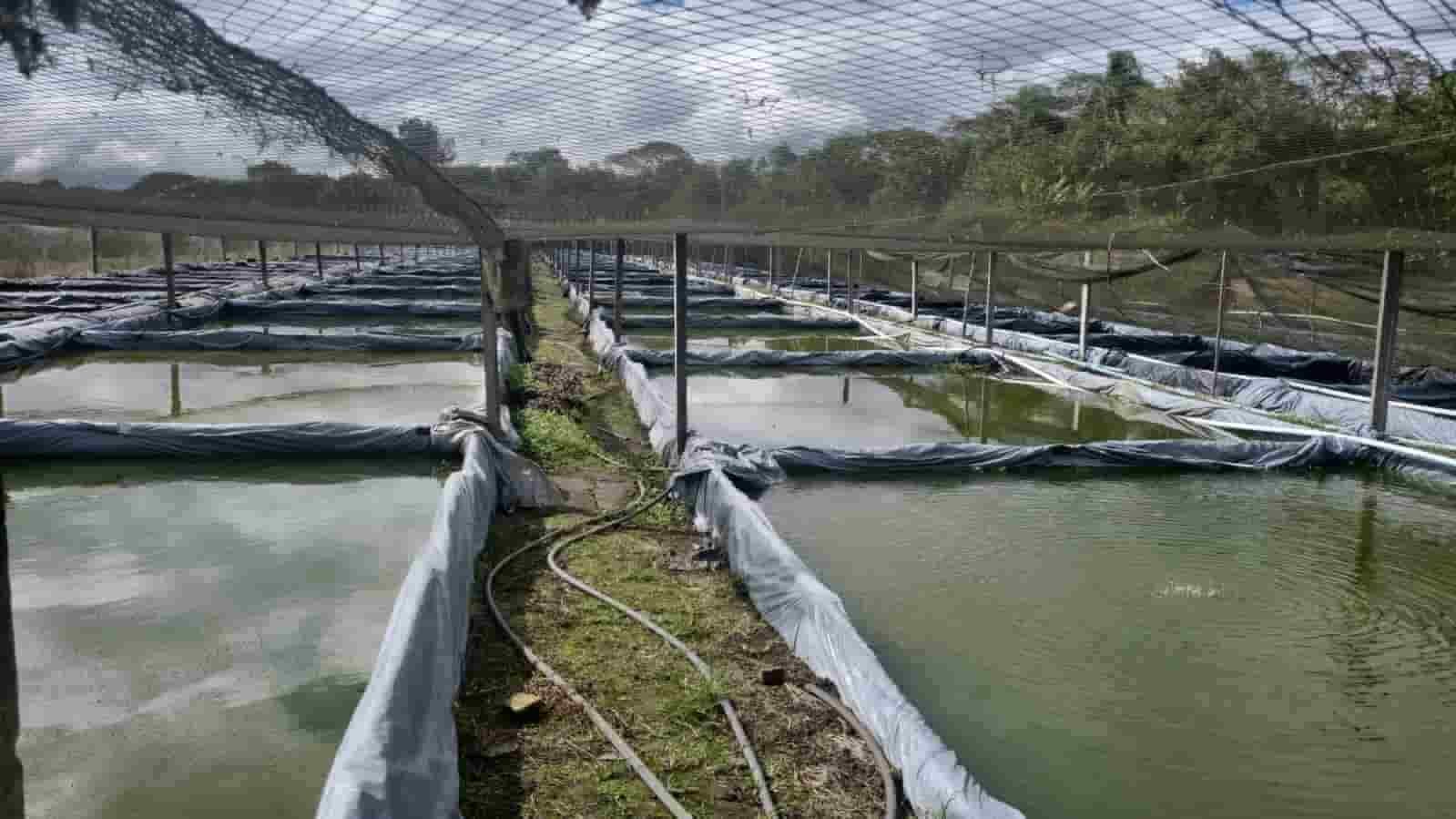
🐳 Monster Vats
Analyzing massive continuous turnovers inside large open-air mud farm vats.
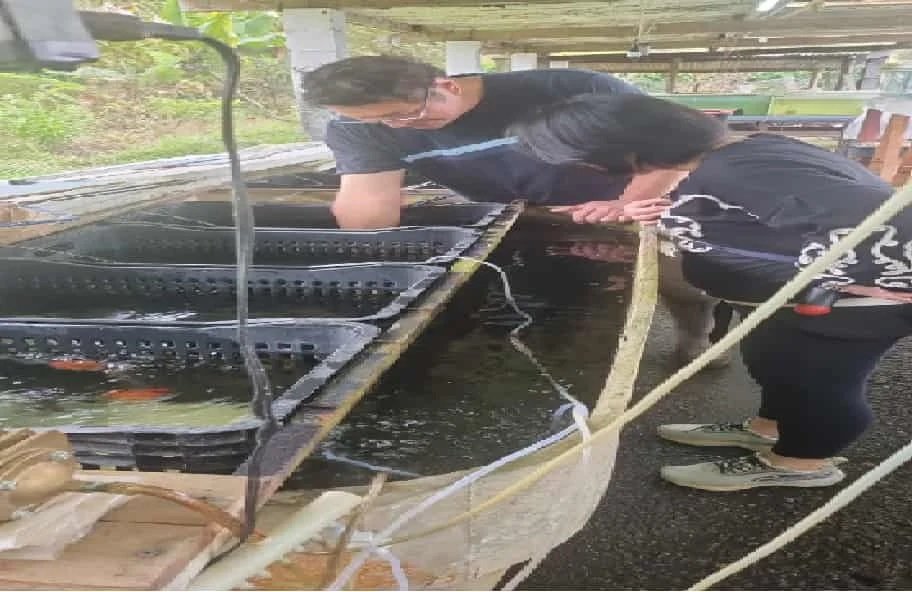
🤝 True Alliances
Working hand-in-hand with regional facility operations to target elite fancy bloodlines.
✨ Read also: How to Clean Sump Filter Socks Fast: The Unfiltered Salvage Manual
A deeply technical piece of content that perfectly complements this post — absolutely worth the read.