
Learning how to cure goldfish fungus is the difference between saving a beloved fancy goldfish and watching a fuzzy, cotton-like growth destroy its skin, fins, and internal organs. Beginners panic when they see white tufts appearing on their Oranda’s wen or along a Ranchu’s tail, rushing out to buy cheap retail tea-tree oil remedies that do nothing to stop aggressive fungal spores. True aquatic fungus—most commonly Saprolegnia or Achlya—is an opportunistic killer that attacks fish already weakened by physical injury, low water quality, or bacterial burns.
As a long-distance runner and professional seamstress who maintains a massive 100-gallon (400-liter) goldfish setup at home, I know that handling high-stress crises requires zero-slop execution. When training for marathons, my physical endurance and mental clarity rely on real bio-available fuel—eating grass-fed ribeye steak, beef marrow, and natural animal fats—rather than seed-oil heavy slop that causes systemic inflammation and brain fog. The exact same biological logic applies to aquatic medicine: if you dose your fish with low-grade chemical gimmicks while ignoring core water chemistry, your fish’s immune system will collapse under the strain.
By ditching pet-shop sales fluff and executing a strict, hospital-tank quarantine protocol using pure aquarium salt, antifungal dips, and pristine water quality, you eradicate fungal hyphae at the root. You will save your fish from excruciating tissue decay, avoid wasting money on fake retail fixes, protect your biological filter, and restore your goldfish to full, vibrant health.
How to Cure Goldfish Fungus
Tech Support Counter Talk Verdict: Cut through the pet-store sales fluff right now. Retail herbal remedies like Pimafix or Melafix are useless against real fungal infections and coat the water surface with oxygen-blocking oils. First, confirm you are dealing with true Saprolegnia fungus (fuzzy, cotton-like tufts) and not Columnaris (flat, slimy, gray-white bacterial patches). Second, isolate the sick fish in a bare-bottom hospital tank with a dedicated sponge filter. Third, administer concentrated salt dips (un-iodized sodium chloride) paired with targeted antifungal treatments like Methylene Blue or Malachite Green. Keep the hospital tank water spotlessly clean with daily water changes, or the fungus will return with a vengeance.
The Aquatic Biology of Saprolegnia and Fungal Hyphae
True freshwater fungus consists of water molds belonging to the oomycete class, with Saprolegnia being the primary culprit in goldfish aquariums. Saprolegnia spores exist constantly in almost every aquarium water column, living harmlessly on dead organic matter like uneaten food or decaying plant leaves. They cannot penetrate the healthy, intact slime coat or epidermal layer of a strong goldfish.
Infection occurs when a goldfish suffers a secondary physical breach. Ammonia burns from un-cycled water, fin nips from aggressive tankmates, sharp gravel scratches, or bacterial ulcers strip away the protective mucosal barrier. Saprolegnia spores land on the exposed, damaged tissue, germinate instantly, and send out microscopic root-like filaments called hyphae. These hyphae secrete digestive enzymes that dissolve fish muscle tissue, creating the characteristic fuzzy “cotton ball” tufts on the skin.
If left untreated, fungal hyphae penetrate deep into the fish’s circulatory system and internal organs, causing systemic tissue necrosis and osmotic failure. Because Saprolegnia thrives in cool, dirty water, lowering water quality or letting organic detritus build up accelerates fungal growth rapidly. Eradicating fungus requires killing the active hyphae while simultaneously fixing the underlying water toxicity that allowed the spores to strike in the first place.
Battlefield Assessment: Anti-Fungal Treatment Performance Matrix
| Treatment Protocol / Active Compound | Fungal Hyphae Eradication Speed | Biological Filter Safety | Fish Stress & Toxicity Risk | Battlefield Grade |
|---|---|---|---|---|
| Concentrated Salt Dips + Methylene Blue | Rapid (Destroys Spore Cells via Osmosis) | High (When Administered in Hospital Tank) | Low (Safe for Fancy Goldfish) | Apex Institutional Tier |
| Formalin / Malachite Green Dosing | Maximum (Broad-Spectrum Chemical Kill) | Zero (Kills Nitrifying Bacteria) | High (Carcinogenic / Requires Precise Dosing) | Tactical Standard |
| Direct Topical Povidone-Iodine Swab | Instant (On Surface Patches) | Absolute (Local Application Only) | Moderate (Requires Out-of-Water Handling) | High-Precision Strike |
| Commercial Herbal Oil Remedies | Zero (Fails to Kill Fungal Hyphae) | Moderate (Forms Surface Oil Slick) | Moderate (Gills Coated in Oil) | Bargain-Bin Trash |
Battlefield Assessment: Concentrated Salt Dips + Methylene Blue
The Good: Osmotic salt pressure dehydrates fungal cell walls instantly, while Methylene Blue stops fungal spore respiration without damaging fish tissue.
The Bad: Methylene Blue permanently stains silicone seals, nets, and tubings blue if accidentally spilled in your main display tank.
Battlefield Assessment: Direct Topical Povidone-Iodine Swab
The Good: Directly sanitizes massive fungal tufts on large Orandas without dosing chemicals into the water column.
The Bad: Requires physically lifting the fish out of water and handling it with damp cotton swabs, which can cause severe stress if done clumsily.
Battlefield Assessment: Commercial Herbal Oil Remedies
The Good: Readily available in budget-friendly options at chain pet stores.
The Bad: Tea-tree oil remedies fail to kill deep fungal hyphae and form an oily slick on the water surface that reduces dissolved oxygen levels.
The Realities of the Battlefield
Pet shops and commercial brand reps love to tell you that treating fish illness is as simple as pouring a bottle of herbal remedy directly into your main display tank. They promise a stress-free fix that lets you avoid setting up a separate hospital tank or performing messy water changes.
BUT when you put those commercial shortcuts to work on a real fungal outbreak, the marketing lies fall apart immediately. Herbal oil remedies fail to penetrate dense Saprolegnia hyphae, leaving the fungus to eat deeper into your goldfish’s flesh. Furthermore, dosing harsh broad-spectrum anti-fungals directly into your main display tank destroys your beneficial nitrifying bacterial colonies, triggering an ammonia spike that kills your fish faster than the fungus itself.
Maintaining heavy aquariums for eight years has taught me that physical fatigue destroys hobbyist discipline. If you fuel your body with cheap processed snacks and seed oils, your physical energy drops and you make lazy decisions, like skipping daily hospital tank water changes. Eating nutrient-dense grass-fed beef and natural animal fats gives you the physical stamina to stay disciplined, ensuring you execute every step of the anti-fungal protocol with razor-sharp precision.
Hypothetical Failure Scenario: The Main Tank Dosing Disaster
Consider the case of a beginner aquarist who notices a small fuzzy white patch on his Ranchu’s flank. Wanting a quick fix, he buys a bottle of commercial herbal oil medication and pours it directly into his 40-gallon display tank, leaving his activated carbon filter pads in place.
Over three days, the activated carbon absorbs the medication before it can touch the fish, while the tea-tree oil coats the water surface, cutting off oxygen exchange. Unaware that the underlying cause was a sharp gravel scratch combined with low-level ammonia burns, the aquarist ignores water testing.
The fungal hyphae invade deep into the Ranchu’s muscle tissue, while the lack of oxygen and rising ammonia stress the rest of his fish. Within a week, the Ranchu dies of osmotic shock and tissue rot, and two other goldfish develop bacterial fin rot—a catastrophic failure caused by treating the main tank with useless gimmicks instead of using a clean hospital tank.
Mastering How to Cure Goldfish Fungus in Hospital Tanks
To guarantee complete recovery, you must isolate the infected goldfish in a bare-bottom hospital tank (typically 10 to 20 gallons) equipped with an air-driven sponge filter and a preset heater. Bare-bottom tanks allow you to monitor feces, wipe down slime buildup, and perform daily fifty-percent water changes effortlessly.
Step one is the short-term concentrated salt bath. Prepare a separate container filled with siphoned hospital water and add non-iodized aquarium salt at a concentration of one tablespoon per gallon. Submerge the infected goldfish in this salt dip for ten to fifteen minutes, observing closely for signs of severe distress. The intense osmotic pressure dehydrates and kills external fungal cells while stimulating the fish to shed its damaged slime coat.
Step two is the targeted antifungal bath inside the main hospital tank. Treat the hospital water with Methylene Blue or Malachite Green according to package dosing instructions, keeping the tank lights off because these chemical compounds decompose rapidly under intense light. Maintain a constant water temperature between 72°F and 75°F (22°C to 24°C) to support the fish’s immune response without accelerating fungal spore replication.
👇 Looking for more performance cheats? Check out our field-tested tactical blueprints:
The Goldfish Ecosystem Blueprint
Complete your advanced technical training loop by exploring our core evergreen resources.
How to Feed Goldfish for Maximum Lifespan
A deep breakdown of digestive tract mechanics, bloating prevention, and premium sinking diets.
How to Maintain a 100 Gallon Goldfish Tank
Large-scale system parameters. Deep sand bed mechanics, nitrogen cycling, and bioload management.
Ultimate Guide to Goldfish Tank Filtration
Heavy-duty hardware configurations. Optimizing parallel canisters, bio-media setups, and automation.
Practical Execution Checklist
Master how to cure goldfish fungus immediately.
Expert Tip: Isolate infected fish in a bare-bottom hospital tank to execute precise medication dosing without destroying your main filter.
Distinguish true Saprolegnia fungus from bacterial Columnaris.
Expert Tip: Saprolegnia appears as raised, 3D cottony tufts, whereas Columnaris presents as flat, slimy, gray-white mouth patches.
Administer concentrated non-iodized aquarium salt dips daily.
Expert Tip: High-salinity dips create osmotic pressure that dehydrates external fungal hyphae while triggering fresh slime coat growth.
Remove activated carbon from hospital filters prior to medicating.
Expert Tip: Activated carbon adsorbs chemical medications out of the water column, rendering anti-fungal treatments completely useless.
Perform daily fifty-percent water changes in the hospital tank.
Expert Tip: Daily water changes remove shed fungal spores and prevent ammonia buildup in un-cycled recovery containers.
Dose Methylene Blue or Malachite Green in total darkness.
Expert Tip: Anti-fungal chemical dyes break down rapidly when exposed to aquarium lighting; turn off lights during treatment.
Apply topical Povidone-Iodine directly to large fungal tufts.
Expert Tip: Use a damp cotton swab to apply iodine directly to fungal patches out of water, taking care to avoid eyes and gills.
Increase aeration using heavy-duty air stones during treatment.
Expert Tip: Chemical medications and salt reduce dissolved oxygen capacity; high aeration keeps recovering fish swimming strong.
Test main display water parameters to find root cause triggers.
Expert Tip: Fungus is an opportunistic secondary invader; check for ammonia spikes or sharp substrate hazards in your main tank.
Avoid commercial herbal tea-tree oil remedies completely.
Expert Tip: Herbal oil fixes fail to destroy deep fungal roots and create an oily surface slick that suffocates gasping fish.
Sustain your physical stamina during crisis care with animal fats.
Expert Tip: Fueling your body with grass-fed steak and natural tallow keeps your energy high for disciplined daily hospital tank changes.
Dynamic No-Nonsense FAQ
How do I tell the difference between goldfish fungus and Columnaris?
True fungus (Saprolegnia) looks like fluffy, 3D cotton balls or white threads sprouting out of a wound. Columnaris is a deadly bacterial infection that looks like flat, slimy, saddle-like gray-white patches, often around the mouth or back. Bacterial Columnaris kills much faster and requires antibiotics rather than antifungals.
Will aquarium salt kill my beneficial biological filter bacteria?
Low concentrations of aquarium salt (1 to 2 tablespoons per 5 gallons) will not kill established nitrifying bacteria. However, concentrated salt dips (1 tablespoon per gallon) should always be done in a separate bucket or bare-bottom hospital tank to protect your main display filter.
How long does it take to completely cure goldfish fungus?
With proper hospital tank salt dips and Methylene Blue treatments, visible fuzzy tufts usually fall off within three to five days. However, you must continue clean water hospital quarantine for at least ten to fourteen days until the underlying skin wound heals completely.
Can goldfish fungus spread to other healthy fish in the main tank?
Fungal spores exist in every aquarium, but they cannot infect healthy fish with intact slime coats and undamaged skin. Fungus only spreads if other fish have physical wounds, slime coat damage from ammonia burns, or severe stress from low water quality.
Why did the fungus come back right after I finished medicating?
Fungus returns if you return the fish to a main tank with poor water quality, or if the underlying wound (bacterial ulcer or physical scrape) hasn’t healed. You must fix your main tank’s ammonia levels and water quality before moving the fish back.
Is Methylene Blue safe to pour directly into my main display tank?
Never pour Methylene Blue into your main display tank. It will instantly kill your nitrifying filter bacteria, crash your nitrogen cycle, and permanently stain your tank silicone, gravel, and plastic decor a deep blue color. Use a hospital tank only.
Should I raise the water temperature to cure goldfish fungus?
No. Raising the temperature accelerates fungal spore replication and reduces dissolved oxygen levels. Keep your hospital tank at a moderate, stable temperature between 72°F and 75°F (22°C to 24°C) to support the fish’s immune system without feeding the fungus.
Can I use human antifungal creams on my goldfish?
No. Human antifungal creams contain petroleum bases and chemicals that will coat the fish’s skin, clog its gills, and poison the water column. Stick to proven aquatic treatments like aquarium salt dips, Methylene Blue, or topical Povidone-Iodine swabs.
🛡️ │ WHY TRUST SKYTC GOLDFISH CARE CURATION?
At SKYTC, we hold aquatic ecosystem biology and biological parameter handling to a rigorous standard. We are not an automated affiliate review engine; we apply hands-on tests and serious filtration engineering workflows to ensure every recommendation guarantees the health and maximum lifespan of your fish with absolute safety.
✓ Engineering:
Structural experience backed by heavy-duty filtration math, continuous hydraulic turnover metrics, and robust mechanical support for large-scale coldwater systems.
✓ Expertise:
Focuse on preventative biological husbandry and premium nutrition. Thoroughly auditing biological media, sinking feeds, and elements that completely neutralize ammonia spikes.
✓ Authority:
Curation signed by real keepers running a balanced 100-gallon display ecosystem for over 8 years, pairing daily practical benchwork with direct wholesale breeder insights.
✓ Trust:
Product selections built on unfiltered transparency—exposing actual electrical draws, heat dissipation issues, and hidden costs before any Amazon recommendations.
📸 Our Journey in the Real World
From daily living room tank turn rates to macro-scale breeding setups.
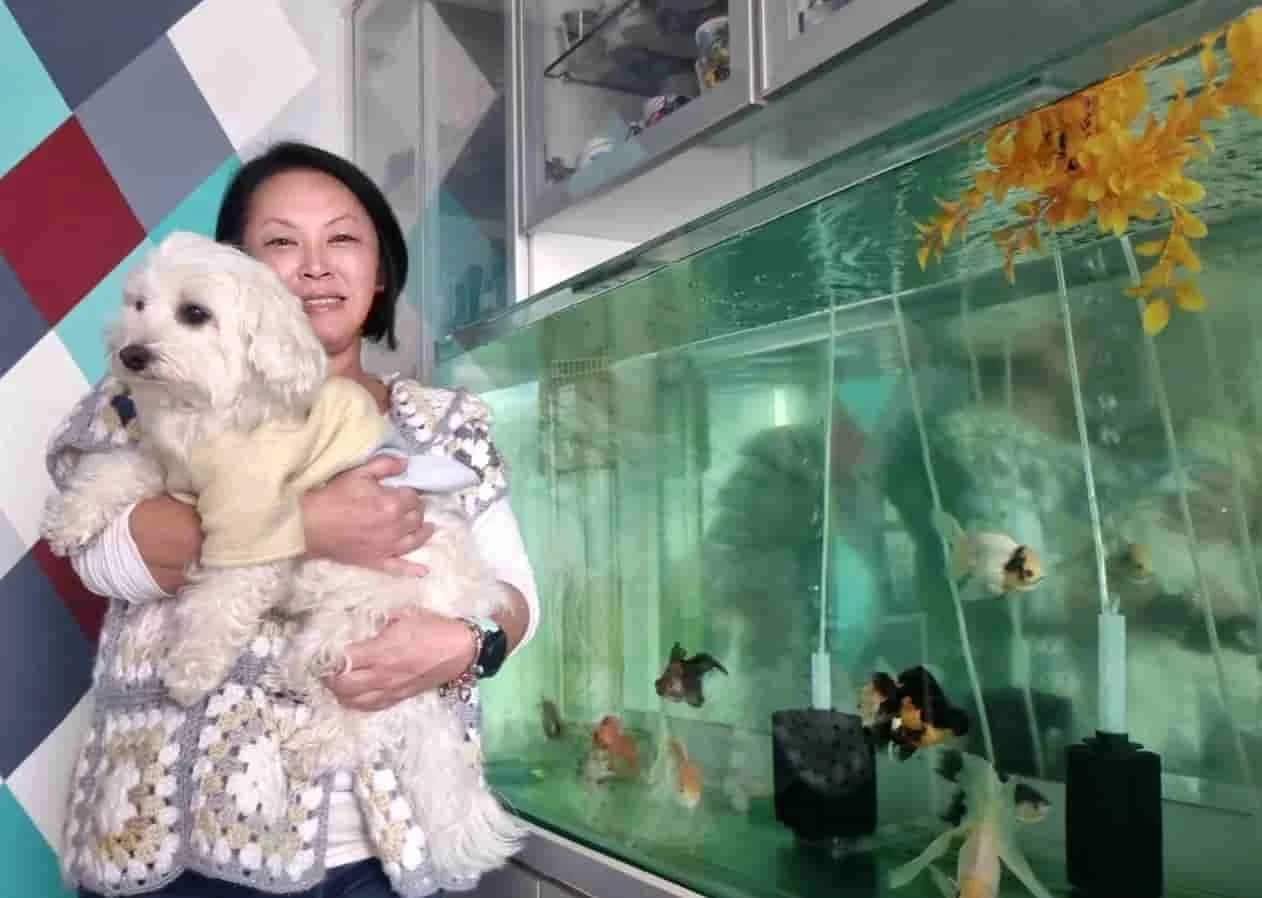
🏠 The 100G Lab
Where we torture test every hardware option, pellet line, and filter layout live.

🏃♀️ Grit & Eye
Marathon endurance meets the precise, millimeter structural focus of a seamstress.
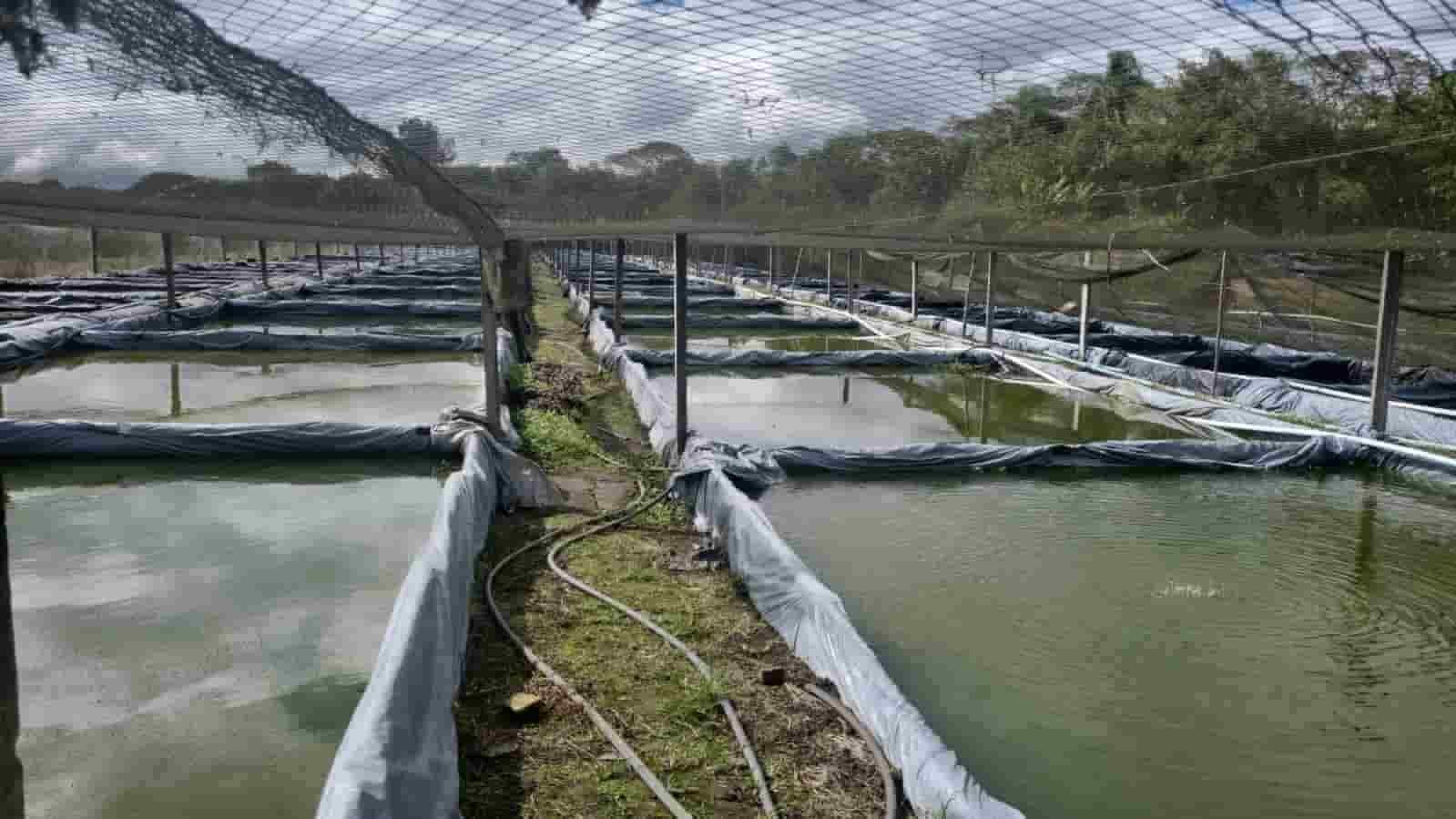
🐳 Monster Vats
Analyzing massive continuous turnovers inside large open-air mud farm vats.
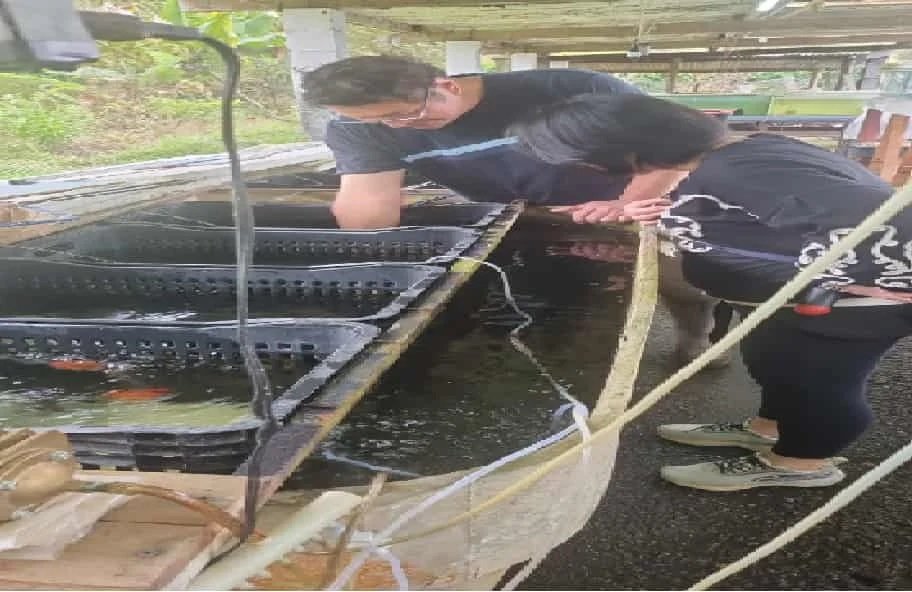
🤝 True Alliances
Working hand-in-hand with regional facility operations to target elite fancy bloodlines.
✨ Read also: How to Prevent Goldfish Diseases: The Zero-Tolerance Field Blueprint
> A deeply technical piece of content that perfectly complements this post — absolutely worth the read.