
Learning how to prevent goldfish diseases is the single most important skill standing between you and the heartbreak of watching your prized Orandas, Ranchus, or Ryukins rot away in a toxic water column. Beginners routinely get sucked into the cycle of buying sick fish from chain pet stores, dumping them into uncycled tanks, and then panicking when red streaks appear on their fins or when swim bladder dropsy sets in. You do not need a cabinet full of expensive chemical cure-alls; you need a hardened, field-tested biological protocol that stops pathogens before they ever take root.
Most fish illnesses are not random bad luck—they are the direct physical result of poor water management and chronic environmental stress. As a long-distance runner and professional seamstress who maintains a massive 100-gallon (400-liter) aquarium setup at home, I know firsthand that real physical endurance requires zero compromises. When training for marathons, my physical stamina relies on real bio-available nutrition like grass-fed beef, ribeye steaks, and saturated animal fats rather than seed-oil slop that causes systemic inflammation and brain fog. The exact same biological rule applies to your aquarium: if you feed your fish cheap, filler-loaded flakes and let metabolic waste build up, their immune systems will shatter under the strain.
By tearing down pet-shop marketing myths and implementing a strict zero-tolerance quarantine and water chemistry strategy, you stop disease outbreaks before they start. You will save countless hours of desperate middle-of-the-night tank scrubbing, avoid wasting hard-earned cash on useless retail medications, and enjoy pristine, crystal-clear water where your goldfish can live healthy, vibrant lives for over fifteen years.
How to Prevent Goldfish Diseases
Tech Support Counter Talk Verdict: Cut the corporate fluff and stop treating your aquarium like a medical trial lab. Nine out of ten goldfish diseases—including Ich, Columnaris, Flukes, and Fin Rot—are caused directly by ammonia burns, nitrite spikes, and organic sludge rotting in your substrate. You cannot medicate your way out of filthy water. The absolute final verdict is simple: build a massive biological filtration array, quarantine every single new plant or fish for four weeks minimum, perform aggressive weekly water changes, and feed high-protein sinking pellets. Fix your water quality today or accept that your fish are operating on borrowed time.
The Aquatic Biology of Goldfish Pathogens
Goldfish are heavy-bioload metabolic engines that produce vast amounts of solid feces and liquid ammonia through their gills. In a closed aquarium loop, ammonia is pure poison that strips away the protective slime coat shielding a goldfish’s skin from environmental bacteria. Once that protective mucosal layer is stripped by ammonia burns or volatile pH swings, opportunistic parasites like Ichthyophthirius multifiliis (Ich) and bacterial pathogens like Flavobacterium columnare invade the underlying tissue instantly.
Pet-shop sales clerks love pushing “magic” multi-cure bottles that promise to fix sick fish overnight while keeping your water clear. These products are nothing more than low-grade accessories that coat the surface of your water, destroy your beneficial nitrifying bacterial colonies, and starve your water column of dissolved oxygen. Real disease prevention happens at the microscopic level inside your biological media, where nitrifying bacteria convert lethal ammonia into nitrite and then into manageable nitrates.
Furthermore, fancy goldfish variants—such as compressed-body Ranchus, Pearlscales, and Veiltails—possess contorted internal organs that make them exceptionally vulnerable to swim bladder dysfunction when stressed. When water quality degrades, bacterial infections migrate into their digestive tracts and swim bladders, causing them to float upside down or sink like rocks. Maintaining rock-solid water parameters is the tactical cheat code that keeps their internal organs functioning without medical intervention.
Battlefield Assessment: Disease Prevention Strategies
| Prevention Strategy / Equipment Setup | Pathogen Suppression Rate | Nitrogen Cycle Stability | Maintenance Ergonomics & Labor | Battlefield Grade |
|---|---|---|---|---|
| Oversized Sump / Canister + 4-Week Quarantine | Near-Absolute (Zero-Toxin Environment) | Unshakeable (High Biomedia Surface) | Effortless (Modular Maintenance) | Apex Institutional Tier |
| UV Sterilizer + Oversized Hang-On-Back | High (Suppresses Waterborne Parasites) | Moderate (Requires Frequent Swaps) | Moderate (Frequent Pad Rinsing) | Tactical Standard |
| Chemical “Cure-All” Dosing + Standard Filter | Extremely Low (Suppresses Biomedia) | Volatile (Kills Beneficial Bacteria) | High (Constant Dosing & Water Swaps) | Low-Grade Component |
| Unfiltered Glass Bowl / Nano Tank Setup | Zero (Guaranteed Disease Factory) | Non-Existent (Ammonia Spike Trap) | Horrible (Daily Emergency Bucket Hauling) | Bargain-Bin Trash |
Battlefield Assessment: Oversized Sump / Canister + 4-Week Quarantine
The Good: Completely isolates new pathogens before they touch your main display tank, while massive biological media volume buffers against sudden feeding spikes.
The Bad: Requires a premium tier investment in space and dedicated quarantine equipment, demanding patience during the four-week observation window.
Battlefield Assessment: Chemical “Cure-All” Dosing + Standard Filter
The Good: Gives desperate beginners a false sense of immediate action without requiring an understanding of water chemistry.
The Bad: Destroys beneficial nitrifying bacterial colonies, stains aquarium seals, and leaves underlying ammonia toxicity issues completely unaddressed.
Battlefield Assessment: Unfiltered Glass Bowl / Nano Tank Setup
The Good: Cheap, budget-friendly options sold by unscrupulous pet shops to unsuspecting families.
The Bad: Literal torture chambers that trap metabolic waste in small water volumes, causing guaranteed gill burns, systemic organ failure, and premature death.
The Realities of the Battlefield
Aquarium product manufacturers love to market shiny plastic kits featuring tiny cartridge filters, colorful artificial gravel, and bottles of “water clearers.” They sell a fantasy world where you can drop three fancy goldfish into a small tabletop tank and never worry about biological load or pathogen cycles.
BUT when you put those bargain-bin accessories to work in the real world, the marketing lies crumble immediately. Cheap filter cartridges clog with solid waste in forty-eight hours, causing dirty water to bypass the media entirely. Plastic plants scratch delicate Oranda wens and tear long fins, creating open physical wounds where fungal spores and Columnaris bacteria take hold.
The real world is brutal: if you introduce a single un-quarantined fish from a commercial farm into your main display, you are likely introducing Gill Flukes (Gyrodactylus) or resistant bacterial strains that will wipe out your entire tank within a week. No bottle of retail medication will save a tank where water parameters are out of control and pathogens have established a stronghold.
Hypothetical Failure Scenario: The Un-Quarantined Impulsive Purchase
Consider the case of an enthusiastic hobbyist who manages a clean 55-gallon tank housing two healthy Orandas. While visiting a local pet shop, he spots a beautiful, vibrant Ranchu in a crowded retail tank. Impressed by its color, he buys the fish on impulse, skips a dedicated quarantine tank, and floats the bag directly in his main display before releasing it.
Unbeknownst to the hobbyist, the retail tank was infected with microscopic Gill Flukes and latent Columnaris bacteria suppressed by low-tier shop copper treatments. Within four days of entering the new environment, the stress of transport causes the new Ranchu’s immune system to collapse, triggering a massive parasite explosion inside the main display tank.
Panic sets in as all three fish begin flashing against the substrate, gasping for air at the surface, and developing white cotton-like patches along their spines. Exhausted from late-night bucket hauling and relying on low-grade retail advice, the hobbyist dumps multi-cure chemicals into the main tank, stripping the bio-filter and causing a massive ammonia spike. Within forty-eight hours, all three fish die of systemic organ failure—a total loss of life and capital caused entirely by skipping quarantine protocols.
Mastering How to Prevent Goldfish Diseases Through Water Chemistry
To establish an impenetrable defense against pathogens, you must make your water environment inhospitable to disease while optimizing your fish’s natural immune response. The baseline rule is non-negotiable: zero ammonia, zero nitrite, and nitrates kept strictly below twenty parts per million (PPM) through consistent water changes and heavy biological media arrays.
First, invest in high-capacity biological filtration. For my 100-gallon (400-liter) setup, I rely on massive biological media volume—such as sintered glass rings or porous pumice stone—that provides thousands of square feet of surface area for nitrifying bacteria. Oversizing your filter by at least two times the manufacturer’s tank rating provides a tactical cushion when fish grow or when feeding schedules increase.
Second, establish a permanent, fully equipped quarantine tank (QT setup). A bare-bottom twenty-gallon tank equipped with a cycled sponge filter, a reliable heater, and a simple PVC elbow pipe for cover is all you need. Every new fish, snail, or live plant must sit in this isolation vault for four to six weeks. Observing new stock in a bare-bottom environment allows you to detect flashing, abnormal feces, or early fin rot long before it touches your primary display tank.
👇 Looking for more performance cheats? Check out our field-tested tactical blueprints:
The Goldfish Ecosystem Blueprint
Complete your advanced technical training loop by exploring our core evergreen resources.
How to Feed Goldfish for Maximum Lifespan
A deep breakdown of digestive tract mechanics, bloating prevention, and premium sinking diets.
How to Maintain a 100 Gallon Goldfish Tank
Large-scale system parameters. Deep sand bed mechanics, nitrogen cycling, and bioload management.
Ultimate Guide to Goldfish Tank Filtration
Heavy-duty hardware configurations. Optimizing parallel canisters, bio-media setups, and automation.
Practical Execution Checklist
Master how to prevent goldfish diseases immediately.
Expert Tip: Maintain zero ammonia and zero nitrites at all times; clean water is the ultimate immune booster for fancy goldfish.
Establish a dedicated four-week quarantine tank for all new additions.
Expert Tip: Never introduce new fish, snails, or live plants directly into your main display without a strict isolation protocol.
Oversize your biological filtration by at least double your tank volume.
Expert Tip: Use high-porosity sintered glass media in canisters or sumps to maximize nitrifying bacterial colonization surface area.
Execute weekly fifty-percent water changes using a gravel siphon.
Expert Tip: Deep-vacuuming solid organic waste from the substrate removes the primary breeding ground for heterotrophic bacteria.
Ditch sharp plastic decorations and rough substrate materials.
Expert Tip: Smooth river stones and live plants prevent physical body scrapes where fungal spores and Columnaris take root.
Feed high-protein, sinking pelleted diets instead of cheap floating flakes.
Expert Tip: Floating flakes cause goldfish to gulp surface air, leading to intestinal gas, impaction, and severe swim bladder issues.
Test water parameters weekly using liquid API test kits.
Expert Tip: Liquid test reagents provide accurate chemical readings, whereas bargain-bin paper test strips yield dangerously inaccurate data.
Install an inline UV sterilizer on your primary filter return line.
Expert Tip: UV radiation destroys free-floating waterborne parasites, bacterial spores, and green algae cells on contact.
Maintain a steady temperature using a heavy-duty digital heater controller.
Expert Tip: Temperature fluctuations weaken a goldfish’s immune system; external digital controllers prevent thermal shock and cooked tanks.
Keep a dedicated emergency fish first-aid kit stocked at all times.
Expert Tip: Stock pure aquarium salt, praziquantel, and broad-spectrum antibiotics in advance so you never waste time waiting for shipping.
Fuel your own physical stamina during maintenance days with animal fats.
Expert Tip: Eating grass-fed ribeye steak and tallow keeps your physical energy high for disciplined bucket hauling and tank care routines.
Dynamic No-Nonsense FAQ
Can I cure goldfish diseases just by adding aquarium salt to the tank?
Aquarium salt is a powerful tool for boosting slime coat production and reducing osmoregulatory stress, but it is not a magical cure-all. Salt helps mild physical injuries and protozoan infections, but serious bacterial diseases like Columnaris or advanced internal dropsy require targeted antibiotic interventions alongside pristine water changes.
How long should I quarantine new goldfish before adding them to my main tank?
Four weeks minimum, but six weeks is safer. Many commercial fish farms suppress parasites using low-dose chemicals that mask symptoms during transit. A full month in an un-medicated quarantine tank gives latent infections like Gill Flukes or Ich enough time to manifest where you can treat them safely.
Why do my fancy goldfish keep developing swim bladder and floating problems?
Floating problems are almost always caused by feeding cheap floating flakes that force fish to gulp air, paired with chronic high nitrates or low water temperatures. Switch to high-quality sinking pellets, soak dry foods before feeding, keep water temperatures stable, and maintain nitrates below twenty PPM.
Are UV sterilizers worth the premium tier investment for goldfish tanks?
Yes. Goldfish produce high organic bioloads that fuel rapid bacterial multiplication in the water column. A properly sized inline UV sterilizer kills free-floating waterborne pathogens and parasite tomonts before they can infect your fish, acting as a powerful secondary insurance policy.
How do I know if my goldfish has a bacterial infection versus a parasite?
Parasites typically cause physical scratching (flashing) against decor, clamped fins, excess slime coat production, or visible white spots (Ich). Bacterial infections manifest as red blood streaks on fins, open skin ulcers, cottony mouth growths, or rotting fin tissue. Liquid test your water parameters immediately whenever symptoms appear.
Is it safe to use Melafix or Pimafix to treat sick goldfish?
No. These tea-tree oil products are useless gimmicks that form an oily film on the water surface, restricting dissolved oxygen exchange for fish that are already in respiratory distress. They do not kill serious bacterial or parasitic pathogens. Save your money and focus on water changes, salt, and proven pharmaceuticals.
Why are my goldfish getting red streaks in their tails and fins?
Red streaks in fins are a red-alert indicator of toxic ammonia burns, nitrite poisoning, or high nitrate stress. The blood vessels in the thin fin tissue dilate and rupture under chemical irritation. Perform an immediate fifty-percent water change with a quality tap water conditioner and test your nitrogen parameters.
Can I treat my entire display tank with medication if one fish gets sick?
Never treat the main display tank unless you are dealing with a contagious parasite like Ich that has spread to all inhabitants. Dosing antibiotics directly into your main display tank will kill your biological filter media, triggering an ammonia spike that kills your fish faster than the disease itself. Always use a dedicated hospital tank.
🛡️ │ WHY TRUST SKYTC GOLDFISH CARE CURATION?
At SKYTC, we hold aquatic ecosystem biology and biological parameter handling to a rigorous standard. We are not an automated affiliate review engine; we apply hands-on tests and serious filtration engineering workflows to ensure every recommendation guarantees the health and maximum lifespan of your fish with absolute safety.
✓ Engineering:
Structural experience backed by heavy-duty filtration math, continuous hydraulic turnover metrics, and robust mechanical support for large-scale coldwater systems.
✓ Expertise:
Focuse on preventative biological husbandry and premium nutrition. Thoroughly auditing biological media, sinking feeds, and elements that completely neutralize ammonia spikes.
✓ Authority:
Curation signed by real keepers running a balanced 100-gallon display ecosystem for over 8 years, pairing daily practical benchwork with direct wholesale breeder insights.
✓ Trust:
Product selections built on unfiltered transparency—exposing actual electrical draws, heat dissipation issues, and hidden costs before any Amazon recommendations.
📸 Our Journey in the Real World
From daily living room tank turn rates to macro-scale breeding setups.
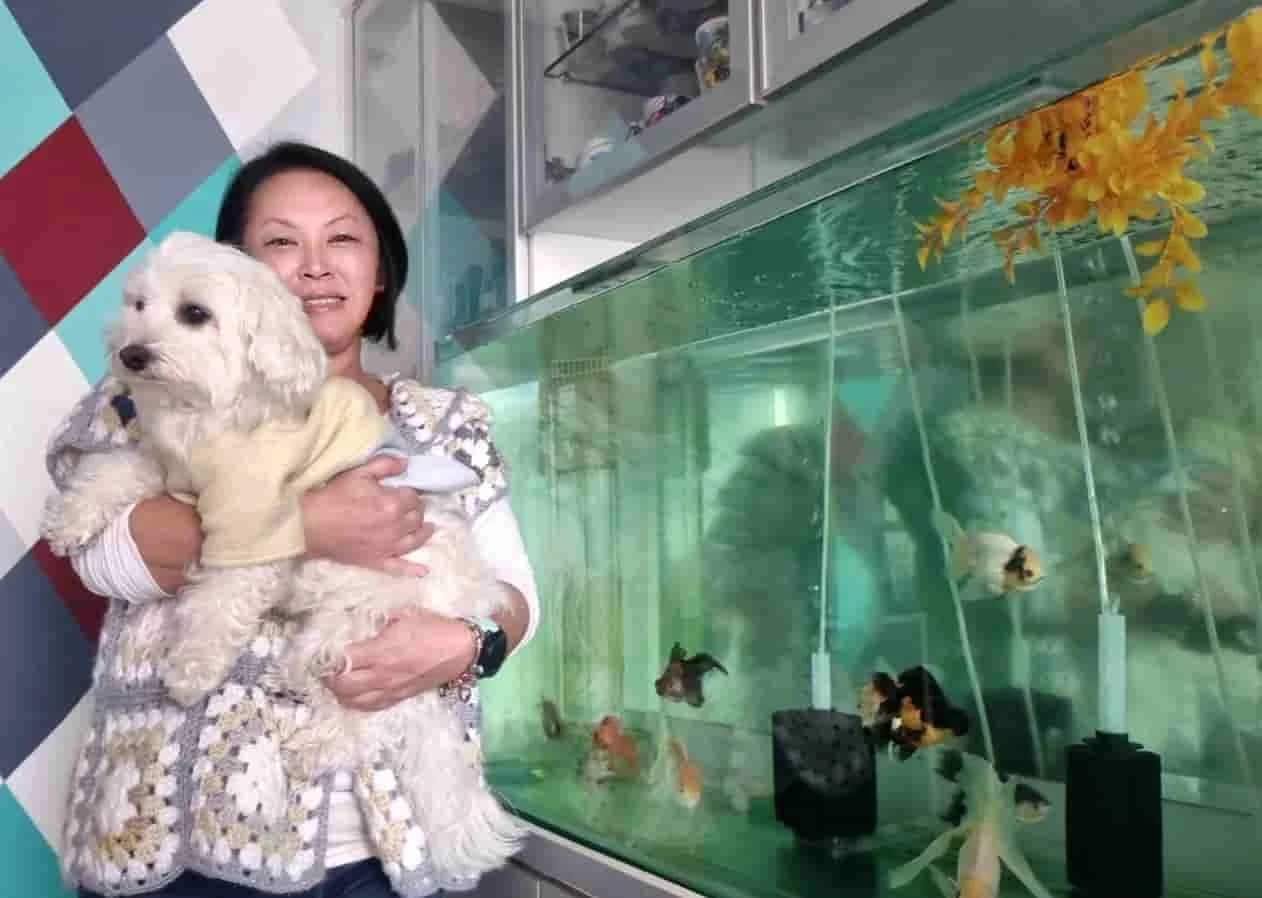
🏠 The 100G Lab
Where we torture test every hardware option, pellet line, and filter layout live.

🏃♀️ Grit & Eye
Marathon endurance meets the precise, millimeter structural focus of a seamstress.
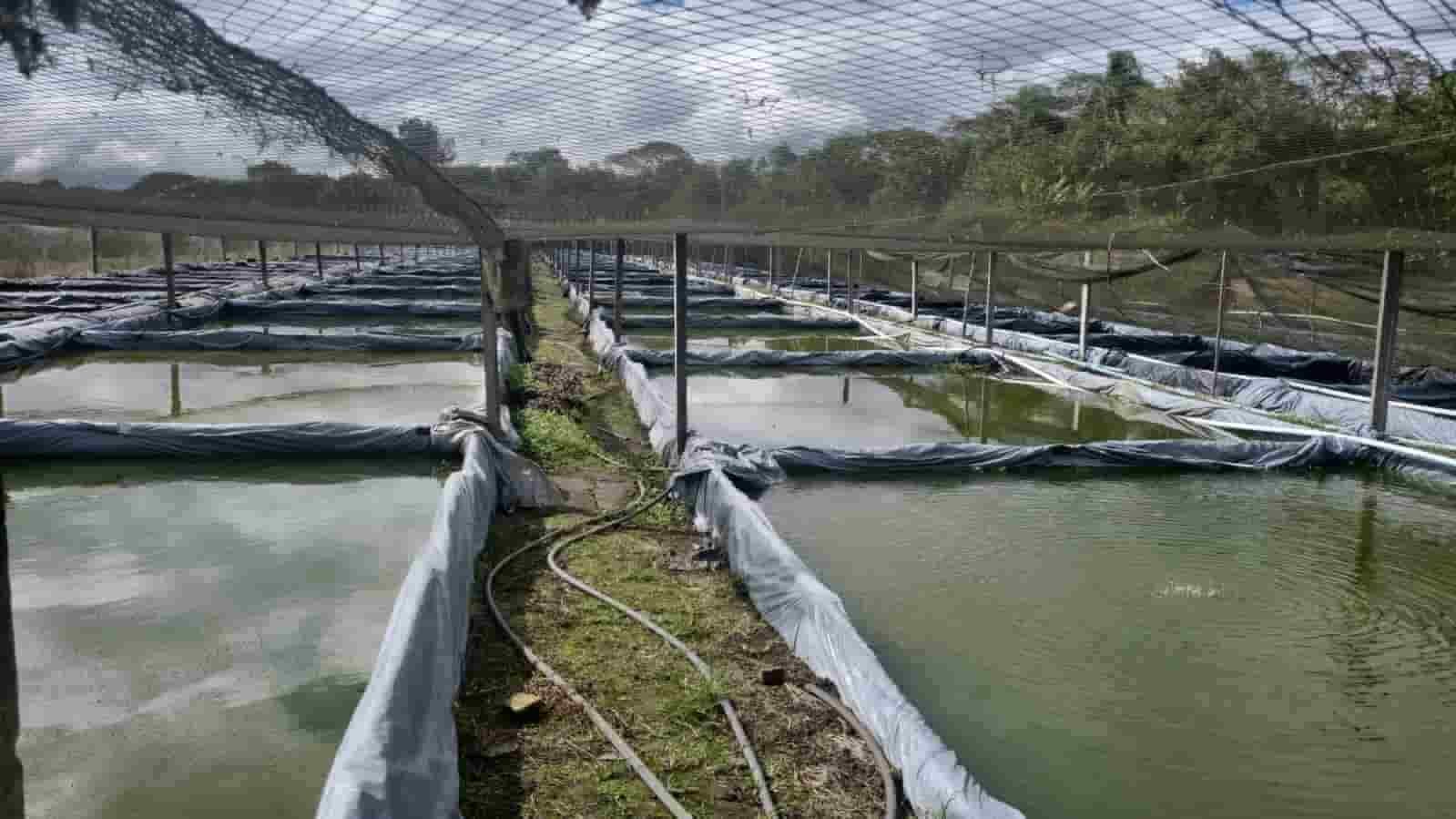
🐳 Monster Vats
Analyzing massive continuous turnovers inside large open-air mud farm vats.
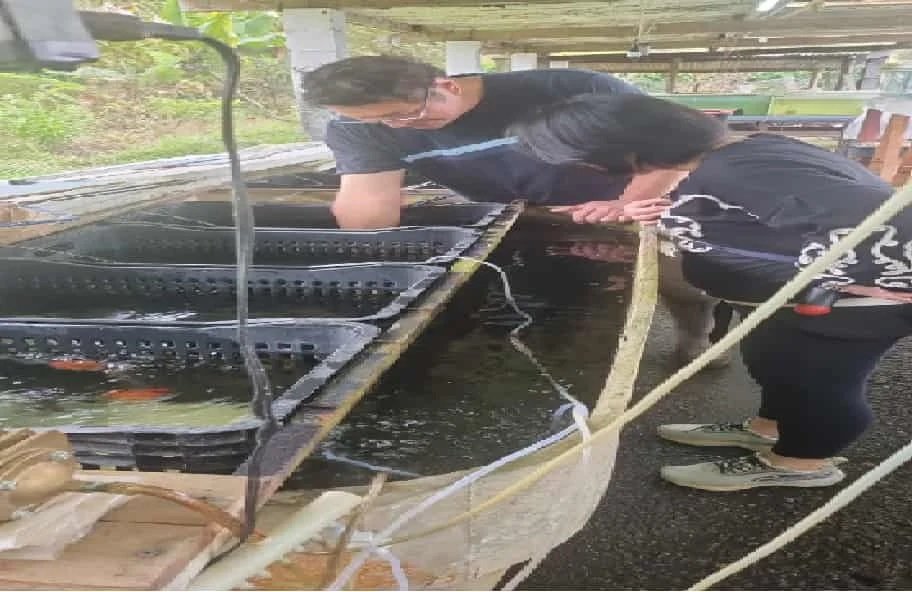
🤝 True Alliances
Working hand-in-hand with regional facility operations to target elite fancy bloodlines.
✨ Read also: Best Goldfish Ich Treatment Steps: The Unfiltered Field Blueprint
> A deeply technical piece of content that perfectly complements this post — absolutely worth the read.