
You sit down at your desk after an early trail session or an intense board meeting, open a complex strategy document, and your brain feels like wet cement. Most high-pressure executives and endurance athletes attempt to force their way through severe cognitive slumps by pouring caffeine down their throats, chasing expensive wearable metrics, or buying overhyped biohacking gadgets. You need to learn how to track your daily cognitive peaks easily before chronic nervous system fatigue destroys your output and compromises your long-term health.
Most active professionals mistake mental endurance for simple willpower. That is a critical tactical failure. Your brain runs on distinct metabolic waves dictated by central nervous system (CNS) readiness, core body temperature shifts, and cellular energy availability.
During my 6 years of competitive kickboxing in the ring and years logging brutal 42km+ mountain ultramarathons, I learned that timing your physical and cognitive strikes is everything. Later, working 5 years as a clinical X-Ray technician and 2 years specialized in Computed Tomography (CT scans), I visually diagnosed how chronic physical stress and systemic exhaustion physically alter biological structures on high-resolution screens.
Stop relying on complex subscription-based neuro-trackers that corrode when exposed to heavy sweat. Mastering simple, biological baseline tracking will reclaim lost productive hours, prevent severe executive burnout, and protect your financial resources from showroom gadget hype. Let us cut through the greenwashed fluff and lock in your peak mental execution window.
30-Second Field Summary: How to Track Your Daily Cognitive Peaks Easily
Stop buying low-grade subscription wearables to tell you if your brain is ready for deep work. Your central nervous system gives you raw, honest signals every single day: waking body temperature minimums, grip strength output, pupil light reactivity, and post-meal focus retention. Track your baseline focus with a simple two-minute psychomotor vigilance test paired with an analog notebook for 7 consecutive days. Eliminate refined sugars and industrial seed oils that spike and crash your blood glucose. Fuel your brain’s neural lipid membranes with clean red meat and natural animal fats to stabilize cell membrane fluid dynamics. Final verdict: Log your basic biological markers, abandon subscription gadget traps, and schedule your hardest mental output precisely when your core body temperature naturally peaks.
Cognitive Metrics & Tracking Systems Engineering Breakdown
To evaluate how to measure your mental clarity, we must analyze current tracking protocols. The table below outlines tracking methods, contrasting low-tech biological markers with high-end gadget trends.
| Tracking Methodology | Primary Mechanism | Data Reliability | Biological Overhead | Real-World Utility |
|---|---|---|---|---|
| Analog Circadian & Temp Logging | Waking temp minimum & alertness scale | High (Unfiltered biological signal) | Zero hardware friction | Tactical cheat code for daily planning |
| Psychomotor Vigilance Test (PVT) | Millisecond visual reaction speed | High (Direct CNS speed metric) | 2 minutes per test run | Laboratory-grade focus benchmark |
| Subscription Smart Rings / Bands | Photoplethysmography & HRV algorithms | Medium (Subject to motion artifacts) | Requires daily battery charging | Varies by model (Often behind paywalls) |
| Synthetic Nootropic Stacks | Forced neurotransmitter stimulation | Low (Creates artificial spikes) | High adrenal stress load | Bargain-bin shortcut with heavy crashes |
| Consumer EEG Brain Wave Caps | Surface scalp electrical conductivity | Unreported (Varies by sensor contact) | High setup time & skin contact hassle | Overengineered showroom novelty |
Battlefield Assessment of Cognitive Tracking Methods
Before spending money on your next biohacking setup, examine how popular performance-tracking methods hold up under real-world pressure.
Setup 1: Subscription Smart Rings & Biometric Bands
The Good: Provides continuous passive monitoring of sleep stages and overnight heart rate variability trends.
The Bad: High rate of hardware failure under trail sweat. Hardware makers hide your raw data behind monthly subscription paywalls, and inaccurate software recovery scores can cause psychological slumps when the screen falsely claims you are tired.
Setup 2: High-Stimulant Energy Drinks & Synthetic Nootropics
The Good: Forces a rapid temporary spike in central nervous system alertness and blood flow.
The Bad: Depletes adrenal reserves, triggers severe post-peak cognitive crashes, and masks deep neurological fatigue until complete system exhaustion strikes.
Setup 3: Clean Red Meat & Natural Animal Fat Metabolic Protocol
The Good: Delivers dense, long-lasting fatty acids and amino acids essential for neural myelin sheath repair, stabilizing cell membranes and preventing afternoon mental fogs.
The Bad: Requires actual cooking discipline, turning your back on cheap convenience foods, and ignoring low-fat nutritional dogma.
The Realities of the Battlefield
In executive boardrooms and high-altitude trail networks, wellness brands pitch slick accessories as essential tools. They promise instant clarity through shiny headbands, smart rings, and lab-synthesized energy shots. High-end wearable setups look impressive on a bedside dock. BUT
Plastic bands snap under sweat, optical sensors misread data when dirty, and software updates routinely lock basic metrics behind expensive tier structures. Relying on an app to tell you if you are focused is a fundamental error.
During my years operating CT scanners, I evaluated patients suffering from acute stress, sleep disruption, and systemic burnout. Diagnostic images do not lie: severe fatigue alters metabolic vascular markers long before consumer gadgets register a drop in your daily score. High-tech sensors often create a placebo loop—if your band tells you that you slept poorly, your mind manufactures mental fog.
Furthermore, relying on high-glycemic snack bars or caffeine-loaded gels to maintain cognitive energy backfires. High sugar intake causes rapid insulin spikes, followed by an immediate brain fog slump. True neurological stamina requires dense, stable fuel that keeps your central nervous system calm under heavy workloads.
How to Track Your Daily Cognitive Peaks Easily Using Biological Signals
Mastering neural optimization does not require an engineering degree or thousands tied up in wearable hardware. Understanding how to track your daily cognitive peaks easily boils down to identifying three biological markers: your waking temperature minimum, your central nervous system reaction velocity, and your post-prandial clarity.
Your brain’s peak processing window naturally occurs roughly 2 to 4 hours after your core body temperature minimum (the lowest point of body temp, typically reached 2 hours before waking). At this juncture, cortisol levels rise naturally, neural conduction velocity hits optimal speeds, and executive function operates at its highest capacity.
To pinpoint this peak without expensive gear, run a free two-minute Psychomotor Vigilance Test (PVT) on your phone or laptop at four key intervals: immediately upon waking, mid-morning, 2 PM, and early evening. PVT measures simple reaction speed down to the millisecond. When your nervous system is primed, reaction times drop to their lowest numbers. Log these scores alongside an analog rating of your mental focus for 7 straight days.
To support this high-level neurological processing, your cell membranes require saturated fatty acids and bio-available cholesterol. Your brain tissue is largely composed of fat; the myelin sheaths insulating your neurons rely directly on lipids for rapid electrical signal transmission. Consuming clean red meat, rich bone broth, and natural animal fats supplies essential nutrients like choline, B12, iron, and saturated fats that stabilize cell membrane fluidity, ensuring clear cognitive performance when your workload ramps up.
The Burned-Out Executive Trail Runner: A Failure Scenario
Consider the case of a 45-year-old corporate director training for a 50km mountain ultramarathon. He wakes at 4:30 AM, downs a low-fat vegan protein shake with a massive dose of synthetic caffeine, and immediately straps on two biometric tracking devices. He checks his smartwatch screen: it displays a low recovery score, instant anxiety hits, but he pushes through an intense 15km mountain trail run anyway.
At the office by 8:30 AM, he relies on high-carb snacks to stay awake. By 1:30 PM, his central nervous system collapses into deep brain fog. Frustrated, he downs another high-caffeine energy drink, forcing his adrenal glands into overdrive. His wearable device registers elevated stress, but he ignores his body’s actual signals to hit his daily metric goals.
Within six weeks, chronic CNS fatigue catches up with him. On a technical rocky trail descent, his slowed neural processing misses a foot placement by two inches. He suffers a severe ankle sprain alongside total executive burnout—a classic failure caused by relying on synthetic stimulants and digital gadgets while ignoring simple, biological signs of system fatigue.
👇 Looking for more performance cheats? Check out our field-tested tactical guides:
SkyTC Master Hub & Pillar Guides
Field Checklist for Tracking Daily Cognitive Peaks
- How to track your daily cognitive peaks easily starts with simple analog logging.
Expert Tip: Record your subjective focus score on a scale from one to ten alongside a two-minute reaction test four times daily to map your natural mental energy baseline. - Measure your waking core body temperature minimum consistently.
Expert Tip: Identify your lowest daily temp point upon waking to calculate your primary cognitive window, which hits roughly two to four hours later. - Fuel neural cell membranes with clean red meat and natural fats.
Expert Tip: Avoid low-fat diets; your myelin sheaths require dense animal lipids and saturated fats for rapid electrical signaling across brain pathways. - Eliminate industrial seed oils and refined carbohydrates from your morning meal.
Expert Tip: High-glycemic breakfasts trigger steep insulin spikes that lead directly to mid-day brain fog and central nervous system slumps. - Perform a daily psychomotor reaction test before high-stakes deep work.
Expert Tip: If your reaction time drops by more than fifteen percent compared to your baseline, defer high-risk tactical decisions to avoid cognitive errors. - Ditch monthly subscription smart rings that lock raw data behind paywalls.
Expert Tip: Save your capital; basic morning biological checks offer more accurate biological feedback than proprietary software scores. - Schedule high-priority deep work blocks during your confirmed biological peak.
Expert Tip: Protect a ninety-minute uninterrupted focus window during your cognitive high, deferring email and routine tasks to low-energy periods. - Leverage morning sunlight exposure to set your master circadian clock.
Expert Tip: Step outside within thirty minutes of waking to trigger natural cortisol release, solidifying your circadian rhythm for consistent peak timing. - Avoid reliance on high-dose synthetic caffeine and chemical energy shots.
Expert Tip: Stimulants mask CNS exhaustion without repairing energy deficits, leading to catastrophic cognitive slumps when the chemical effect wears off. - Incorporate short non-sleep deep rest protocols during mid-day slumps.
Expert Tip: A twenty-minute rest protocol resets dopamine levels in the basal ganglia, restoring mental processing speed without disrupting night-time sleep. - Adjust high-intensity training volume when cognitive readiness scores drop.
Expert Tip: Central nervous system strain from heavy ultra training shares the same neural bandwidth as executive decision-making; reduce workout stress when mental fog strikes.
Dynamic No-Nonsense FAQ
Are expensive smart headbands necessary to measure daily focus levels?
No. They are an overengineered waste of money. Most consumer brainwave headbands suffer from electrode contact issues and produce unreliable raw data. A simple free two-minute reaction speed app paired with an analog journal gives you far more actionable data without software paywalls or battery hassle.
Why does eating clean red meat help prevent afternoon brain fog?
Clean red meat provides stable amino acids, iron, B vitamins, and natural animal fats without triggering an insulin spike. Unlike high-carb meals that crash your blood glucose, meat and natural fats supply a steady stream of substrate fuel, preserving baseline focus through your demanding afternoon hours.
Can I rely entirely on smartwatch sleep scores to plan my workday?
No. Smartwatch algorithms estimate sleep stages using simple heart rate and motion proxies. They frequently misinterpret quiet wakefulness as deep sleep. Trust your physical waking symptoms, morning reaction speed, and body temperature minimum over an app score.
How does central nervous system fatigue differ from simple muscle soreness?
Muscle soreness is localized tissue damage, while CNS fatigue is an overall reduction in neural drive from the brain to your body. When your CNS is fried, your reaction times slow down, mood drops, motivation disappears, and high-level decision-making deteriorates across the board.
What is the biggest biological mistake executives make in their morning routine?
Consuming high-glycemic carbohydrates combined with heavy caffeine immediately upon waking. This combination spikes blood glucose and artificial cortisol simultaneously, leading to an inevitable mental crash by late morning that forces you to rely on more stimulants to survive the day.
How often should I reassess my daily cognitive peak window?
Re-evaluate your peak window every season or whenever your training volume, work shifts, or sleep schedules change significantly. Run a 7-day reaction time and temperature log to map shifts in your circadian rhythm and update your work schedule accordingly.
Are synthetic nootropic supplements safe for long-term mental performance?
Most synthetic nootropics on the market are low-grade components packed with filler ingredients. They force artificial neurotransmitter release, borrowing energy from tomorrow to use today. Long-term cognitive resilience requires real nutrition, proper sleep architecture, and clean metabolic fuel.
How does high-volume ultramarathon training impact executive mental focus?
Brutal ultra training drains the same central nervous system resources required for complex cognitive work. If you push high physical volume while handling intense work projects without adequate nutrition and rest, your brain will experience severe cognitive fatigue, increasing error rates in both training and business.
Why Trust SkyTC Biohacking Curation?
At SkyTC, we treat the human body as your most valuable technology. We are not just a recommendation site; we apply a rigorous clinical and practical screening process to ensure that each recommendation optimizes your biology with safety and real-world results.
✓ Technical Expertise:
Clinical experience in Radiology and Tomography (CT scans). We analyze methods through the lens of bone health and structural integrity.
✓ Specialization:
Focus on real-world biohacking. We test every wearable and supplement at the absolute limit of effort during marathons and on the mats.
✓ Authority:
Curation based on absolute transparency, always highlighting both the positive advantages and the real drawbacks of every technology.
✓ Trust:
A curation process built directly on the professional experience of a field practitioner, speaker, and high-performance leader coach.

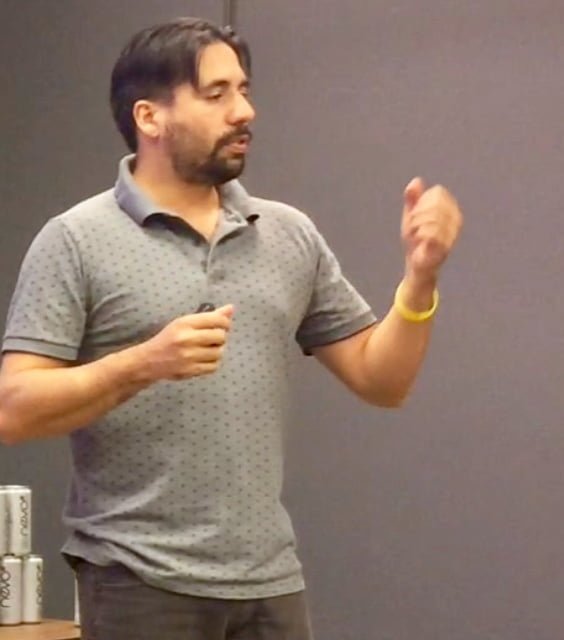


Optimizing the body demands the clinical precision of someone who operated in Radiology (Brazilian Board Certified, CRTR-SP 23595T) for years, combined with the unyielding resilience of someone who conquered multiple 42km+ mountain marathons. As an active professional, multi-pet handler, and tech benchmark researcher, at SkyTC, we bridge advanced technical science with extreme practical environments to help you biohack your active performance, optimize smart pet-tech ecosystems, and protect your structural longevit
Discover my full professional trajectory →✨ Read also: Clear Mental Blocks Without Using Stimulants
> A deeply technical piece of content that perfectly complements this post — absolutely worth the read.