
You hit a mountain trail or step off a long flight into a heavy workout, and your patellar tendon screams. You feel that sickening grinding sensation under your kneecap every time you descend a rocky slope or drop into a deep squat. Most athletes resort to slapping on expensive neoprene knee sleeves or taking anti-inflammatory pills to numb the signal. You must apply natural movement rules to wipe out knee tension before joint cartilage wear forces you off the mountain permanently.
Modern narrow footwear and sedentary desk work lock your ankles and hips into rigid cages. When your ankle cannot flex properly and your hip cannot rotate freely, your knee joint is forced to absorb violent rotational shear for which it was never designed.
As a former competitive kickboxer with 6 years of ring fighting experience and a mountain ultra runner completing multiple 42km+ ultramarathons, I have pushed knee joints to their absolute physical limits under violent impact. During 5 years as a clinical X-Ray technician and 2 years operating Computed Tomography (CT scans), I visually diagnosed thousands of skeletal scans—seeing joint space narrowing, bone spurs, and patellofemoral tracking failures up close every single day.
Rebuilding your leg mechanics through natural movement will save you thousands on unnecessary orthopedic interventions, eliminate recurring tendon inflammation, and preserve your joint cartilage into your sixties and seventies. Let us tear down the greenwashed footwear fluff and fix your structural kinetic chain from the ground up.
30-Second Field Summary: Natural Movement Rules to Wipe Out Knee Tension
Stop treating the knee like an isolated hinge that needs a mechanical bandage. Knee tension is almost always a structural symptom of locked ankles, weak foot arches, and inhibited glutes. Throw out thick maximalist shoe stack traps that blind foot proprioception and force heavy, braking heel strikes on downhill trails. Transition to zero-drop natural foot positioning, restore ankle dorsiflexion, and drive gluteal engagement. Support your connective tissue repair by consuming clean red meat and natural animal fats rich in collagen precursors and joint-lubricating lipids. Bottom line: Fix your movement upstream at the hip and downstream at the foot, or your knee joint will continue taking the beating. Period.
Biomechanical Knee Relief Interventions Compared
To understand how to eliminate joint friction, we must evaluate popular mechanical interventions and gear setups against real-world biological demands. The table below outlines how common strategies affect knee mechanics.
| Interventional Setup | Primary Biomechanical Effect | Knee Shear Impact | Soft Tissue Reliance | Real-World Durability |
|---|---|---|---|---|
| Barefoot Zero-Drop Mechanics | Restores full foot splay & heel-to-toe alignment | Dramatically reduced (Forces midfoot strike) | High (Rebuilds foot muscles) | Permanent structural adaptation |
| Maximalist Cushioned Shoes | Absorbs surface impact with thick foam stacks | High (Increases braking force torque) | Low (Atrophies foot intrinsic muscles) | Foam breaks down rapidly |
| Neoprene Compression Sleeves | Increases localized warmth & proprioception | Neutral (Zero mechanical structural correction) | Zero (External crutch) | Elastic degrades with sweat |
| Rigid Orthotic Arch Wedges | Locks foot arch into artificial position | Transfers shear to patellar tendon | Zero (Promotes muscular laziness) | Varies by model (Often cracks under stress) |
| Targeted Ankle/Hip Decompression | Restores dorsiflexion & hip rotation mobility | Eliminated at the root origin | High (Restores full kinetic chain) | Lifetime mechanical resilience |
Battlefield Assessment of Knee Management Strategies
Before buying into expensive knee braces or maximalist shoe trends, examine how popular management strategies perform under real-world training loads.
Setup 1: Thick Maximalist Cushioned Running Shoes
The Good: Dampens initial vertical heel strike impact on smooth asphalt surfaces.
The Bad: Blinds foot proprioception, destabilizes ankle ground contact, and shifts massive braking forces directly into the patellofemoral joint on steep downhill trail runs.
Setup 2: Rigid Orthotic Arch Support Inserts
The Good: Temporarily stops foot pronation to relieve acute plantar arch strain.
The Bad: Atrophies intrinsic foot muscles, creates structural orthotic dependency, and transfers unchecked lateral torque into the knee joint during lateral movement.
Setup 3: Whole-Food Collagen & Fat Protocol (Clean Red Meat & Animal Fats)
The Good: Delivers vital amino acids (glycine, proline) and fat-soluble vitamins (K2, D3) to repair synovial fluid membranes and strengthen patellar tendon cross-linking.
The Bad: Requires total elimination of convenient, highly processed junk foods and dedicated home meal preparation.
The Realities of the Battlefield
In the running world and executive fitness space, shoe manufacturers and accessory brands push plush foam stacks and tight compression sleeves as ultimate joint savers. High-cushion shoes look soft and inviting on a showroom floor. BUT
Soft foam degrades within a few hundred miles of trail use, collapsing unevenly under your stride and creating unstable ground contact that twists the knee joint on every footstrike.
In the clinical diagnostic bay, I analyzed thousands of CT scans of runners who wore thick maximalist shoes to protect their joints. Their diagnostic images repeatedly showed accelerated cartilage wear behind the kneecap and severe patellar tendon thickening. The elevated heel stack alters your center of mass, shortening your stride and forcing a long heel strike that acts as a mechanical brake, sending violent shockwaves directly through the knee joint.
Furthermore, relying on neoprene knee sleeves provides a false sense of security. Compression sleeves raise skin temperature and offer mild feedback, but they do absolutely nothing to fix poor ankle dorsiflexion or weak hip abductors. When you run down a steep mountain trail, no sleeve will stop an unstable ankle from transferring harmful shear forces straight into your knee joint.
Applying Natural Movement Rules to Wipe Out Knee Tension from the Ground Up
To eliminate chronic patellar tension permanently, you must treat your knee as a passive joint stuck between two primary mobility drivers: your ankle and your hip. Implementing natural movement rules to wipe out knee tension requires restoring the natural function of these two primary engine blocks.
First, address ankle dorsiflexion. When your ankle cannot flex deeply forward over your toes, your body compensates during downhill running or squatting by collapsing the foot inward (over-pronation) and rotating the tibia internally. This biomechanical collapse pulls the patella out of its smooth femoral groove, causing painful grinding and tendon inflammation.
Second, unlock your hips. If your gluteus medius and hip rotators are dormant from sitting in executive chairs all day, your femur rotates inward during dynamic foot contact. This forces the knee joint into a valgus position (knocking inward under load). Restoring natural movement means mobilizing ankle dorsiflexion daily and firing your glutes before hitting the trail, ensuring your knee stays perfectly aligned over your foot.
Third, rebuild the soft tissue matrix from the inside out. Connective tissues, patellar tendons, and articular cartilage require dense amino acid building blocks and healthy lipids for synovial fluid production. Consuming clean red meat, bone broths, and natural animal fats delivers bio-available collagen precursors, glycine, and saturated fats that nourish the joint capsule and keep connective tissue elastic under high shock loads.
The Cushioned Executive Ultramarathoner: A Failure Scenario
Consider the case of a 46-year-old high-pressure executive preparing for a 50km mountain ultramarathon. He develops sharp pain under his kneecap during training. To solve the issue, he purchases ultra-thick maximalist running shoes, rigid orthotic inserts, and heavy compression knee sleeves.
He continues training heavily while eating a low-fat diet dominated by processed carb bars and synthetic energy gels. On race day, he tackles a steep 4,000-foot mountain descent. The thick foam soles mask ground feel, forcing him to land heavily on his heels with a straight knee to maintain control.
By mile 20, his maximalist foam soles have compressed unevenly over the rocky terrain. His stiff ankles cannot compensate, and his dormant glutes fail to stabilize his hips. His knee collapses inward repeatedly under immense downhill impact. CT scans later reveal acute patellar tendinopathy, severe cartilage erosion, and bone marrow edema—a classic failure caused by masking mechanical problems with gear instead of fixing natural movement.
👇 Looking for more performance cheats? Check out our field-tested tactical guides:
SkyTC Master Hub & Pillar Guides
Field Checklist for Wiping Out Knee Tension
- Natural movement rules to wipe out knee tension require zero-drop foot positioning.
Expert Tip: Transition gradually to low-stack or zero-drop shoes to allow your heel to sit level with your forefoot, naturally restoring ankle dorsiflexion and reducing knee stress. - Mobilize your ankle dorsiflexion daily before taking a single running stride.
Expert Tip: Spend two minutes per side doing knee-over-toes wall stretches to clear tight calf restrictions that force the knee into valgus collapse. - Activate your gluteus medius with lateral band walks prior to workouts.
Expert Tip: Firing your hip abductors ensures your femur remains externally rotated, keeping your kneecap tracking cleanly over your second toe. - Nourish joint cartilage with clean red meat and natural animal fats.
Expert Tip: Animal lipids carry vital fat-soluble vitamins (D3, K2) while glycine and proline from red meat rebuild damaged patellar tendon fibers. - Ditch rigid arch orthotics that paralyze intrinsic foot muscle action.
Expert Tip: Wean off stiff arch supports by performing short barefoot walks on grass to build a natural, dynamic shock-absorbing arch. - Shorten your running stride cadence to land with your foot under your hips.
Expert Tip: Increasing your cadence to 170-180 steps per minute eliminates over-striding, preventing long braking forces that slam into the patella. - Incorporate backward walking protocols to build tibialis anterior strength.
Expert Tip: Walking backward on an incline or pulling a sled builds knee-stabilizing quadriceps strength without placing compressive shear on the patellar tendon. - Eliminate industrial seed oils that trigger chronic systemic joint inflammation.
Expert Tip: Replace inflammatory vegetable oils with natural animal fats like beef tallow and butter to lower systemic inflammatory cytokines inside joint capsules. - Perform deep squat mobility holds barefoot to decompress the knee joint.
Expert Tip: Spending three minutes daily in a full resting squat hydrates hip and knee cartilage while lengthening tight posterior chain structures. - Replace worn-out running footwear long before midsole foam collapses unevenly.
Expert Tip: Inspect outsoles for uneven wear patterns weekly; uneven sole breakdown introduces asymmetrical knee rotation on every footstrike. - Use dynamic recovery days to flush metabolic waste from connective tissues.
Expert Tip: Light movement, soft tissue massage, and heat exposure increase blood flow to avascular tendons, accelerating structural collagen repair.
Dynamic No-Nonsense FAQ
Are thick maximalist running shoes good for preventing knee pain?
No. They are an overengineered market trap. High foam stacks blind your foot’s natural proprioception, encourage heavy heel-striking, and shift high braking torque straight up into your kneecaps on downhill trails. True joint safety comes from natural foot function, not thick foam.
Can wearing neoprene knee sleeves cure chronic patellar tendinopathy?
No. Sleeves provide localized warmth and mild skin feedback, but they offer zero mechanical structural correction. Relying on a sleeve to fix knee pain while ignoring locked ankles and weak glutes is a waste of cash. Address the root cause in your kinetic chain.
Why does eating clean red meat help repair damaged knee tendons?
Clean red meat is packed with complete amino acids—specifically glycine, proline, and hydroxyproline—that your body uses to rebuild Type I collagen in tendons. Combined with natural animal fats, it provides stable energy and building blocks that synthetic plant proteins simply cannot match.
How do locked ankles cause severe grinding under the kneecap?
When your ankle lacks forward dorsiflexion, your foot collapses inward to compensate during a stride or squat. This forces your shin bone to rotate internally, pulling your kneecap out of its natural tracking groove and causing painful patellofemoral friction.
Are expensive custom orthotics worth the high investment for runners?
In most cases, no. Rigid custom orthotics act like a cast, weakening your foot’s intrinsic muscles and creating a permanent dependency. Unless you have severe structural deformities, restoring natural foot mechanics yields far better long-term joint health.
How long does it take to eliminate knee tension using natural movement rules?
Most athletes notice a significant reduction in joint friction within two to four weeks of restoring ankle mobility, activating glutes, and fixing stride cadence. Full structural tendon remodeling requires three to six months of consistent biomechanical discipline.
What is the fastest exercise to relieve patellar tendon pain safely?
Isometric wall sits or backward sled pulls. Isometric loading reduces pain signals in the patellar tendon instantly while building tendon load tolerance without exposing the joint to violent impact forces.
Does running downhill inevitably destroy your knee cartilage over time?
No. Downhill running only destroys knee cartilage if you over-stride, land on your heels with a straight knee, and lack hip stability. Landing midfoot with a bent knee, short stride cadence, and strong glutes allows your muscles to absorb impact safely.
Why Trust SkyTC Biohacking Curation?
At SkyTC, we treat the human body as your most valuable technology. We are not just a recommendation site; we apply a rigorous clinical and practical screening process to ensure that each recommendation optimizes your biology with safety and real-world results.
✓ Technical Expertise:
Clinical experience in Radiology and Tomography (CT scans). We analyze methods through the lens of bone health and structural integrity.
✓ Specialization:
Focus on real-world biohacking. We test every wearable and supplement at the absolute limit of effort during marathons and on the mats.
✓ Authority:
Curation based on absolute transparency, always highlighting both the positive advantages and the real drawbacks of every technology.
✓ Trust:
A curation process built directly on the professional experience of a field practitioner, speaker, and high-performance leader coach.
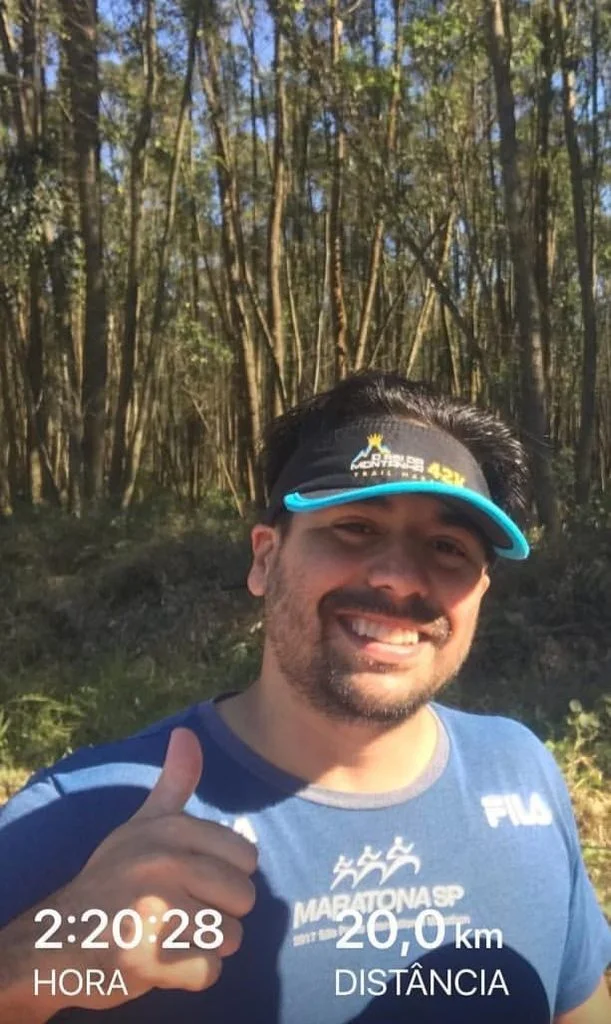
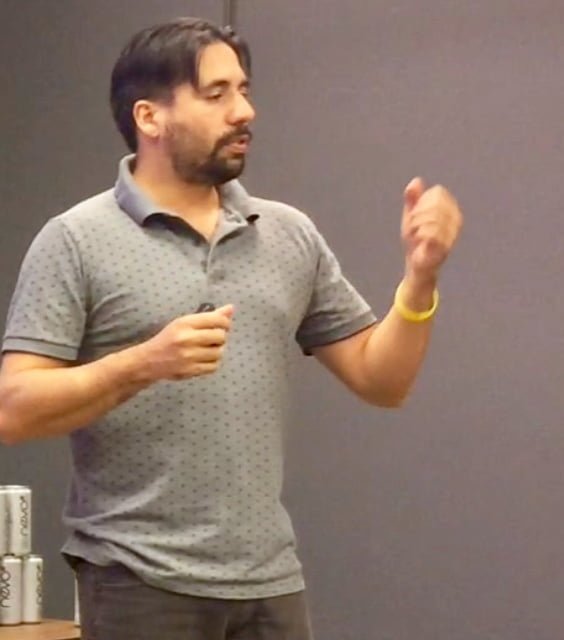
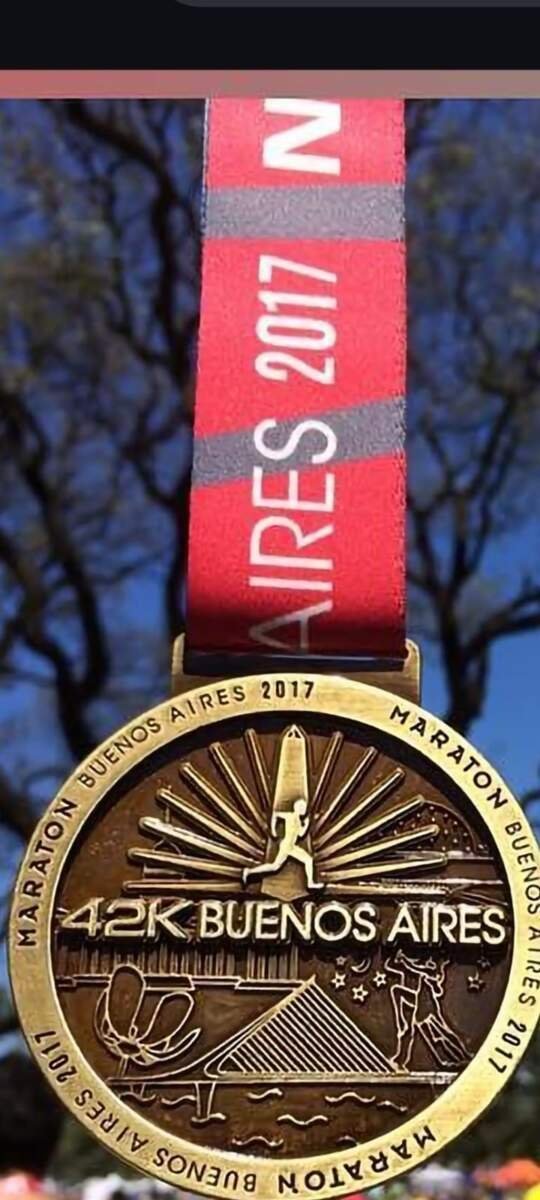
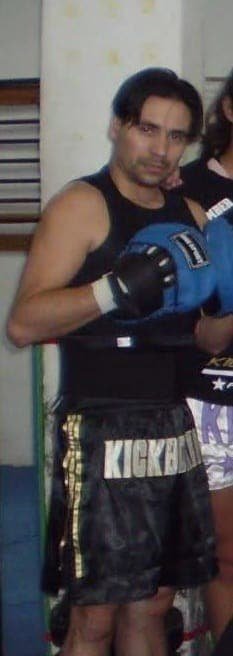
Optimizing the body demands the clinical precision of someone who operated in Radiology (Brazilian Board Certified, CRTR-SP 23595T) for years, combined with the unyielding resilience of someone who conquered multiple 42km+ mountain marathons. As an active professional, multi-pet handler, and tech benchmark researcher, at SkyTC, we bridge advanced technical science with extreme practical environments to help you biohack your active performance, optimize smart pet-tech ecosystems, and protect your structural longevit
Discover my full professional trajectory →✨ Read also: How Poor Shoe Grip Limits Downhill Knee Safety
> A deeply technical piece of content that perfectly complements this post — absolutely worth the read.