
You walk up to your glass box with your morning coffee, take a close look at your prized ranchu or oranda, and feel your stomach hit the floor. Your fish looks like it took a direct hit from a powdered sugar shaker, covered in vicious white specks while frantically flashing against the gravel. When faced with this nightmare, treating Ich with aquarium salt is the ultimate lab macete and the safest, battle-tested weapon in your arsenal.
I have spent 8 years elbow-deep in water maintenance across massive multi-tank rigs and heavy-bioload setups. When an outbreak of Ichthyophthirius multifiliis strikes, the frantic urge is to run down to the local pet barn and blow a premium tier investment on flashy blue chemical tonics. Stop right there. Those harsh commercial cocktails will stain your silicone blue, wreck your live plants, and burn the delicate slime coat off your stock.
There is a raw, mechanical reality to aquatic parasites that marketing labels never tell you. You do not need toxic dyes to purge your system; you need raw osmotic pressure combined with calibrated thermal acceleration. Executing this salt protocol correctly keeps your biofilter completely intact, eliminates parasite reinfection loops, and saves your hard-earned cash while preserving the long-term respiratory health of your fish.
The Water Parameter: The Nitrate Cycle
Here is the tech-support counter breakdown for those who want the raw facts without the sales fluff. Ich is a multi-stage ciliated protozoan parasite, and the white salt-grain cysts on your fish (trophonts) are biologically bulletproof under a protective mucous capsule. Liquid meds cannot touch them on the fish, and they cannot touch the encysted tomonts resting on your tank floor.
The tactical cheat code is targeting the free-swimming theronts before they latch onto new host tissue. Sodium chloride disrupts their microscopic cellular membranes through rapid osmotic lysis—literally blowing them apart at a cellular level. Elevating water temperature accelerates the parasite life cycle from weeks down to days, while maintaining high dissolved oxygen levels prevents gill hypoxia under heavy bioload loads.
Treating Ich with Aquarium Salt: The Comparative Field Matrix
Before dumping any compound into a closed aquatic system, you need to understand how different eradication methods impact water chemistry, mechanical impellers, and biological colonies. Here is the field-tested breakdown:
| Eradication Method | Parasite Clearance Rate | Biofilter Safety Margin | Epithelial Stress Index | Mechanical Wear Factor |
|---|---|---|---|---|
| Pure Sodium Chloride (NaCl) + Heat | 98% within 10–14 days | Zero impact below 5 ppt salinity | Low (aids osmoregulation) | Negligible on ceramic shafts |
| Formalin & Malachite Green | 95% within 7–10 days | Severe (decimates autotrophic nitrifiers) | High (caustic to branchial tissue) | Stains impeller housings permanently |
| Chelated Copper Solutions | 90% within 14 days | Moderate to severe risk | Extreme (narrow therapeutic index) | Binds to silicone seams |
| Bargain-Bin Herbal Tonics | Unreported / Inconsistent | Safe (ineffective) | Low | Fouls fine mechanical filter pads |
| Thermal Elevation Alone | 45% (strain dependent) | Safe (decreases DO saturation) | Moderate (thermal shock potential) | Accelerates magnetic motor heat |
The Bare-Metal Trial: Pros, Cons, and Real-World Wear
Let us strip down the actual performance of using pure sodium chloride against synthetic commercial chemicals in real-world, high-waste aquatic systems. No promotional garbage—just raw bench results.
The Good: Pure sodium chloride provides absolute biological safety for your nitrifying bacteria when dosed between 0.3% and 0.5% (3 to 5 grams per liter). It reduces the osmoregulatory burden on stressed goldfish, helping their kidneys maintain fluid balance while their slime coat sheds the encysted parasite. It costs a fraction of premium commercial additives and never expires on the shelf.
The Bad: Salt does not evaporate. If you top off evaporated water with saline solution instead of clean freshwater, you will skyrocket your specific gravity and cause severe osmotic shock. Furthermore, high salinity strips the life out of soft-leaf live plants like Java Fern or Anubias, turning your scape into mush within five days.
The Wet-Bench Trial: Real Pump and Media Degradation
High-performance filtration systems handle pure freshwater with predictable fluid dynamics, but introducing long-term salinity combined with elevated thermal loads changes mechanical wear profiles drastically.
Ceramic magnetic shafts and heavy-duty sintered glass media demonstrate exceptional chemical resilience during a high-salinity purge, maintaining optimal biological colony surface area without structural collapse. However, sustained salinity accelerates corrosion across low-grade stainless steel impeller pins found in budget-tier hang-on-back filters, degrading magnetic flux alignment and inducing micro-vibrations that shear cheap rubber bushings within weeks.
Simultaneously, increasing your water temperature to accelerate the protozoan cycle reduces oxygen solubility significantly. If your canister output fails to maintain aggressive surface agitation, the dynamic head pressure drop across clogged mechanical sponges will starve nitrifying bacteria of necessary dissolved oxygen, causing a sudden ammonia spike right in the middle of your parasite treatment.
The Hypostatical Failure Scenario
Imagine this classic mistake: an aquarist spots five white cysts on their fancy goldfish, dumps three tablespoons of salt directly into the display tank without pre-dissolving it, and jacks the heater straight up. The undissolved salt granules sit on the bottom glass, creating hyper-saline chemical burn zones that singe the fish’s pelvic fins when it rests on the floor.
Four days later, the white spots drop off into the substrate to form reproductive tomonts. The hobbyist assumes the battle is won, shuts off the extra aeration, and performs a massive 70% freshwater change without replacing the salt. Within forty-eight hours, millions of hungry theronts hatch from the floor, swarm the defenseless fish, and clog its gill lamellae, resulting in rapid asphyxiation and total livestock loss. That is how impatience destroys a tank.
👇 Looking for more performance cheats? Check out our field-tested tactical blueprints:
The Goldfish Ecosystem Blueprint
Complete your advanced technical training loop by exploring our core evergreen resources.
How to Feed Goldfish for Maximum Lifespan
A deep breakdown of digestive tract mechanics, bloating prevention, and premium sinking diets.
How to Maintain a 100 Gallon Goldfish Tank
Large-scale system parameters. Deep sand bed mechanics, nitrogen cycling, and bioload management.
Ultimate Guide to Goldfish Tank Filtration
Heavy-duty hardware configurations. Optimizing parallel canisters, bio-media setups, and automation.
The Filter Cycle: Parametric Water Management Checklist
- Treating Ich with aquarium salt requires exact volumetric salinity calculation. Expert Tip: Target a strict 0.3% salinity concentration (3 grams of non-iodized NaCl per liter) for standard strains, escalating to 0.5% only for stubborn infestations.
- Pre-dissolve all salt crystals in clean tank water completely. Expert Tip: Never pour raw crystals directly into the aquarium; undissolved salt pockets cause severe chemical burns on benthic fish tissues.
- Elevate water temperature gradually over twenty-four continuous hours. Expert Tip: Increase heat by no more than one degree per hour to avoid inducing acute thermal shock and metabolic stress in your goldfish.
- Install heavy-duty air stones to maximize surface gas exchange. Expert Tip: Warmer, saline water holds significantly less dissolved oxygen; high-output diaphragm pumps are mandatory to prevent branchial distress.
- Remove all activated carbon and chemical resins from canisters. Expert Tip: While carbon does not absorb NaCl, it rapidly traps dead protozoan organic waste and chokes flow rates, destroying canister head pressure.
- Vacuum substrate thoroughly every forty-eight hours during treatment. Expert Tip: Deep mechanical gravel siphoning physically removes encysted tomonts before they rupture and release thousands of infectious free-swimming theronts.
- Replenish exact salt ratios during every single water change. Expert Tip: Calculate replacement salt strictly for the volume of water removed, ensuring total tank salinity remains locked at target therapeutic levels.
- Monitor total dissolved solids with a calibrated digital refractometer. Expert Tip: Relying on rough spoon measurements leads to dosing drift; use an optical refractometer or digital salinity pen for surgical accuracy.
- Maintain therapeutic salinity for seven days past the last visible spot. Expert Tip: Invisible theronts remain active in the water column; terminating salt treatment prematurely guarantees a catastrophic secondary outbreak.
- Inspect mechanical filter pads for heavy organic waste accumulation. Expert Tip: Decaying parasite debris and increased fish mucus loads will quickly foul fine filter floss, triggering dangerous biological heterotrophic blooms.
- Dilute salinity slowly through scheduled freshwater changes post-treatment. Expert Tip: Drop salinity by no more than 0.1% per day to allow fish kidneys and biological filter bacteria to adapt without osmotic shock.
The Goldfish Ecology: Straight Answers to Filtration Queries
Can I use regular grocery store table salt instead of aquarium salt?
Yes, provided it is 100% pure sodium chloride with zero anti-caking agents (like yellow prussiate of soda) or added iodine. Plain canning, pickling, or kosher salt works identically to overpriced pet shop boxes. If the ingredient list shows anything other than sodium chloride, keep it out of your tank.
Will aquarium salt kill the nitrifying bacteria in my biological filter?
Not at therapeutic levels below 0.5% (5 ppt). Nitrosomonas and Nitrospira bacteria handle mild salinity shifts without breaking a sweat. Your biological cycle will only crash if you dump massive unmeasured loads or combine salt with harsh commercial antimicrobial chemicals.
How high should I push the water temperature for goldfish during Ich treatment?
Cap the temperature at 80°F to 82°F (26.5°C to 28°C) for fancy goldfish. Going higher risks severe gill hypoxia and organ failure in heavy-bodied breeds. This temperature is fully sufficient to accelerate the parasite life cycle without boiling your stock.
Why are my fish flashing against rocks if the white spots are already gone?
The spots you see are the exit wounds left by mature trophonts breaking through the skin. Microscopic tissue irritation and secondary slime coat regeneration cause itchiness for several days after the actual parasite is dead. Keep your water pristine.
Should I turn off my UV sterilizer and canister filter during salt treatment?
Leave both running at full capacity. Unlike chemical dyes that degrade under ultraviolet light, sodium chloride is completely unaffected by UV radiation. A running UV sterilizer actively nukes free-swimming theronts, serving as an outstanding mechanical ally alongside the salt.
How do I safely remove the salt once the parasite is eradicated?
Perform 20% to 25% water changes every two to three days using clean, dechlorinated freshwater. Do not add any new salt. Over the course of ten days, your specific gravity will smoothly return to baseline without shocking the aquarium ecology.
Will treating with salt melt my live aquatic plants?
Delicate plants like Hornwort, Cryptocoryne, and Amazon Swords will suffer severe cell dehydration and melt at 0.3% salinity. Hardy varieties like Anubias or Java Fern can survive short exposures, but the safest tactical move is pulling delicate plants into a holding tub during treatment.
Can I dose liquid Ich medication and aquarium salt at the same time?
Do not do it. Stacking formalin, copper, or malachite green on top of high salinity and elevated water temperature drastically depletes dissolved oxygen levels and strips the protective mucous layer clean off your goldfish. Pick one solid protocol and run it with precision.
🛡️ │ WHY TRUST SKYTC GOLDFISH CARE CURATION?
At SKYTC, we hold aquatic ecosystem biology and biological parameter handling to a rigorous standard. We are not an automated affiliate review engine; we apply hands-on tests and serious filtration engineering workflows to ensure every recommendation guarantees the health and maximum lifespan of your fish with absolute safety.
✓ Engineering:
Structural experience backed by heavy-duty filtration math, continuous hydraulic turnover metrics, and robust mechanical support for large-scale coldwater systems.
✓ Expertise:
Focuse on preventative biological husbandry and premium nutrition. Thoroughly auditing biological media, sinking feeds, and elements that completely neutralize ammonia spikes.
✓ Authority:
Curation signed by real keepers running a balanced 100-gallon display ecosystem for over 8 years, pairing daily practical benchwork with direct wholesale breeder insights.
✓ Trust:
Product selections built on unfiltered transparency—exposing actual electrical draws, heat dissipation issues, and hidden costs before any Amazon recommendations.
📸 Our Journey in the Real World
From daily living room tank turn rates to macro-scale breeding setups.
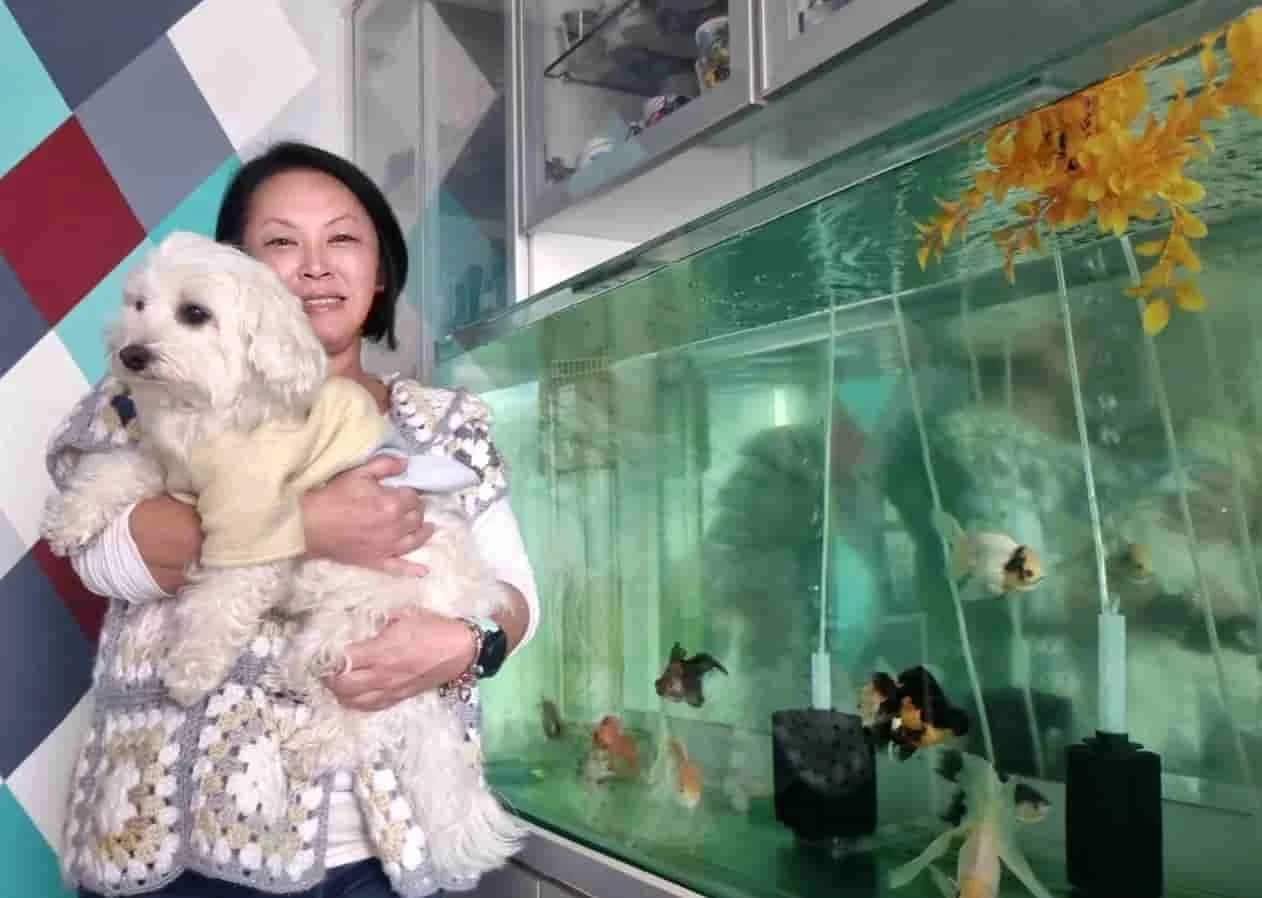
🏠 The 100G Lab
Where we torture test every hardware option, pellet line, and filter layout live.

🏃♀️ Grit & Eye
Marathon endurance meets the precise, millimeter structural focus of a seamstress.
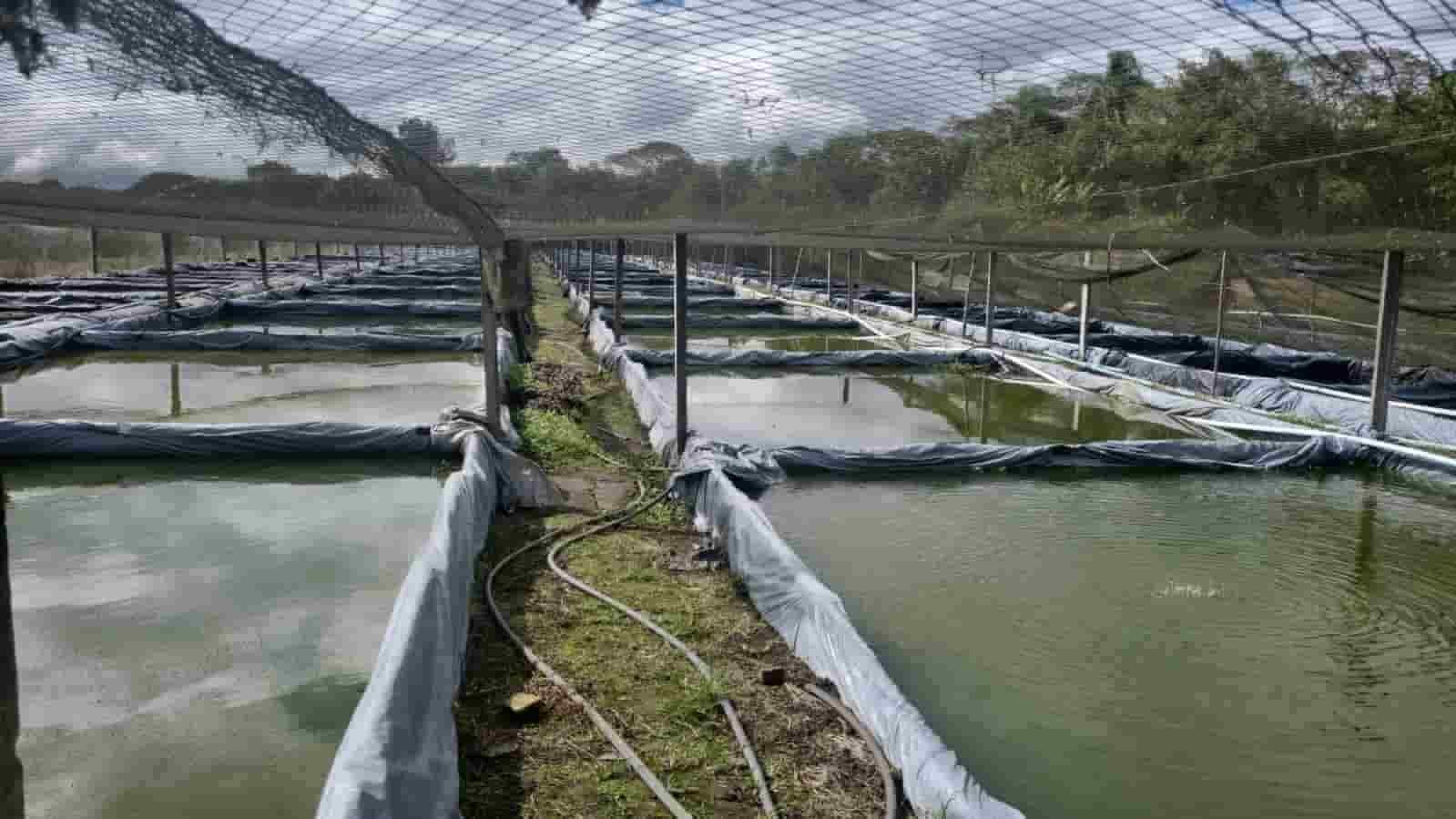
🐳 Monster Vats
Analyzing massive continuous turnovers inside large open-air mud farm vats.
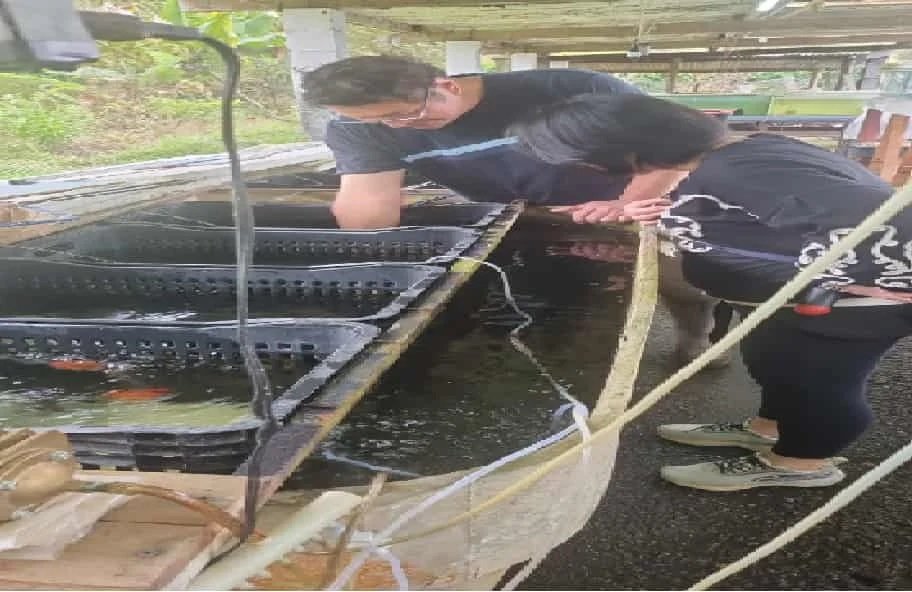
🤝 True Alliances
Working hand-in-hand with regional facility operations to target elite fancy bloodlines.
Heavy-Bioload Filtration Dynamics: Field Reference Link
Read also: Goldfish White Spot Cure Tips: The Heavy-Bioload Eradication Protocol
CRITICAL BENCH WARNING: Elevated thermal loads combined with ionic salt density induce micro-cavitation and dynamic head pressure loss across high-flow canister impellers, accelerating ceramic magnetic shaft friction shearing and triggering immediate biological filtration degradation if dissolved oxygen collapses below 5.5 mg/L.