
Waking up to find your prized fancy goldfish covered in microscopic white specks like sprinkled table salt is an absolute nightmare. Knowing reliable goldfish white spot cure tips is the single line of defense between swift biological recovery and a catastrophic tank wipeout. Pet store clerks will routinely hand you cheap retail bottles of dye-heavy chemical liquids, tell you to dump them straight into your display tank, and ignore the underlying parasite lifecycle that kills your fish within days.
I have spent eight years managing a heavy-bioload 100-gallon system stocked with large fancy goldfish, balancing high-performance aquatic filtration with long-distance running discipline and seamstress-level precision. When Ichthyophthirius multifiliis (Ich or White Spot Disease) strikes a high-bioload setup, improper treatment choices strip dissolved oxygen, destroy beneficial nitrifying bacteria, and trigger fatal ammonia spikes long before the parasite itself kills the host.
By executing a field-tested combination of osmoregulatory salt therapy, controlled thermal acceleration, and strategic water management, you eliminate free-swimming parasites permanently. You save immense stress, avoid wasted funds on useless bargain-bin remedies, and protect your biological filter for years of crystal-clear stability.
Goldfish White Spot Cure Tips: The 30-Second Field Verdict
Cut the fluff: White Spot Disease (Ich) cannot be killed while embedded in the goldfish’s skin as white spots (trophonts). You MUST target the free-swimming theront stage. Raise water temperature gradually to 78°F–80°F to accelerate the parasite life cycle, crank up aeration with heavy air stones to offset thermal oxygen loss, and introduce plain non-iodized aquarium salt at 0.3% concentration (roughly 3 grams per liter). Remove active carbon from your filter if using commercial formalin/malachite green dyes, and maintain aggressive gravel vacuuming to pull fallen parasite cysts out of the substrate daily.
| Treatment Modality | Target Parasite Life Stage | Dissolved Oxygen Impact | Bio-Filter Safety | Battlefield Drawback |
|---|---|---|---|---|
| Aquarium Salt (NaCl) | Free-swimming Theront | Zero direct reduction | 100% safe at 0.3% salinity | Kills delicate live aquatic plants |
| Thermal Acceleration | Encysted Tomont (Accelerates development) | High oxygen drop | 100% safe | Stresses cold-water goldfish if over 82°F |
| Formalin & Malachite Green | Free-swimming Theront | Moderate oxygen reduction | Risky for young bio-filters | Stains silicone sealant blue; toxic to fry |
| Copper Sulfate | Free-swimming Theront | Minimal impact | Varies by water hardness | Highly toxic in soft water; kills snails |
| Herbal / Botanical Tonics | Repellant only | Minimal impact | 100% safe | Unreported efficacy against heavy outbreaks |
Aquarium Salt Therapy: The Osmoregulatory Destroyer
Non-iodized aquarium salt (Sodium Chloride) is the ultimate weapon against Ich in goldfish tanks. It disrupts the delicate osmotic balance of single-celled free-swimming parasites, causing them to dehydrate and collapse while enhancing the natural slime coat production of your goldfish.
The Good: Salt does not degrade over time, does not evaporate, and will not crash your beneficial nitrifying bacteria colonies even at a 0.3% solution (roughly 3 grams of salt per liter of water).
The Bad: High salt concentrations destroy sensitive aquatic live plants like Vallisneria or Cabomba, requiring dedicated hospital tank quarantine if you maintain a heavily planted aquascape.
To execute salt dosing properly, never dump raw salt crystals directly into the aquarium display where they can burn delicate goldfish barbels or outer skin layers. Always dissolve the calculated dose in a bucket of warm tank water first before slow pouring.
The Good: Pre-dissolving guarantees uniform salinity throughout the water column, preventing lethal osmotic shock to weakened fancy goldfish.
The Bad: Water evaporation increases salt concentration over time. You must offset evaporation with pure fresh water, adding replacement salt only during actual water changes.
Thermal Acceleration: Speeding Up Parasite Destruction
The single biggest mistake hobbyists make is treating Ich at low cold-water temperatures. At 60°F, the parasite lifecycle takes nearly four weeks to complete, leaving your fish exposed to prolonged feeding stages. Raising the temperature accelerates their biological clock.
The Good: Increasing water temperature to 78°F–80°F forces encysted parasites to mature, drop off the fish, and hatch into vulnerable free-swimming swarmer cells within 24 to 48 hours.
The Bad: Warm water holds drastically less dissolved oxygen. Double-tailed fancy goldfish with compromised gill membranes can easily suffocate if thermal changes are applied without heavy mechanical aeration.
Chemical Dyes: Formalin and Malachite Green Protocols
Commercial dye combinations containing formalin and malachite green represent the industrial chemical approach to severe protozoan infestations. They act as potent cell poisons that destroy free-swimming parasites upon contact.
The Good: Chemical dyes knock down massive parasite populations rapidly when thermal or salt methods are insufficient for hyper-virulent strains.
The Bad: These chemicals permanently stain white aquarium silicone, destroy bio-filter micro-fauna if overdosed, and are extremely toxic to scaleless bottom dwellers, invertebrates, and delicate fancy fry.
Field-Tested Goldfish White Spot Cure Tips by Parasite Life Stage
To cure Ich permanently, you must understand that Ichthyophthirius multifiliis moves through three distinct life cycle phases. Treating the wrong stage with chemical sprays or salt is a complete waste of effort.
Stage 1: The Trophont (Feeding Stage). The visible white spots on your goldfish’s fins and body are parasites feeding beneath the epithelial skin layer. No medication or salt on the market can kill the parasite while protected under the fish’s slime coat. Do not double-dose chemical dyes trying to burn these spots off.
Stage 2: The Tomont (Substrate Cyst Stage). Once fully fed, the parasite drops off the goldfish, falls to the substrate, and secretes a sticky protective cyst. Inside this cyst, a single parasite divides into up to 1,000 daughter cells. Vacuuming your gravel daily during treatment physically removes thousands of these cysts before they hatch.
Stage 3: The Theront (Free-Swimming Stage). The cyst bursts, releasing microscopic theronts that swim frantically searching for a goldfish host. THIS IS THE ONLY WINDOW WHERE SALTS AND MEDICATIONS CAN KILL THE PARASITE. If no host is found within 48 hours at warm temperatures, the theront dies.
The Realities of the Battlefield
Pet industry marketing pushes off-the-shelf liquid remedies with promises of instant cures in 48 hours. But real-world aquariums with heavy bioloads, organic detritus, and thick substrate beds present severe operational challenges that simple bottles cannot overcome.
Commercial Ich medications promise rapid parasitic clearance without water changes. BUT organic sludge and un-vacuumed detritus instantly absorb active chemical compounds, reducing medication potency while leaving bottom substrate crawling with hatching parasite cysts.
Submersible heaters allow rapid thermal elevation to accelerate parasite life cycles. BUT budget-friendly heater thermostats frequently drift or fail locked on, driving water temperatures past 84°F and cooking oxygen-deprived fancy goldfish overnight.
Hypothetical Failure Scenario: The Suffocation Trap
Imagine a beginner who spots tiny white granules on their Ranchu goldfish. Desperate for a solution, they buy a bargain-bin chemical Ich remedy, dump it straight into the display tank, and crank their aquarium heater up to 84°F without doing research.
They leave their canister filter running with old activated carbon still inside the media baskets. The activated carbon immediately absorbs 90% of the active chemical medication, leaving the free-swimming parasites completely unharmed in the water column.
Meanwhile, the high 84°F heat causes dissolved oxygen levels to plummet. Because the keeper added no extra air stones or surface agitation, the deep-bodied Ranchu begins gasping frantically at the surface. By morning, the combination of thermal oxygen loss, chemical gill irritation, and unchecked parasite reproduction results in total mortality—a classic suffocation trap caused by mismanaging treatment variables.
👇 Looking for more performance cheats? Check out our field-tested tactical blueprints:
The Goldfish Ecosystem Blueprint
Complete your advanced technical training loop by exploring our core evergreen resources.
How to Feed Goldfish for Maximum Lifespan
A deep breakdown of digestive tract mechanics, bloating prevention, and premium sinking diets.
How to Maintain a 100 Gallon Goldfish Tank
Large-scale system parameters. Deep sand bed mechanics, nitrogen cycling, and bioload management.
Ultimate Guide to Goldfish Tank Filtration
Heavy-duty hardware configurations. Optimizing parallel canisters, bio-media setups, and automation.
Practical Field Execution Checklist
- Deploy goldfish white spot cure tips by identifying symptoms early.
Expert Tip: Look for physical flashing against decorations, clamped fins, and tiny raised white granules on pectoral fins before full body coverage occurs. - Dose non-iodized aquarium salt to a 0.3% concentration.
Expert Tip: Dissolve plain rock salt or sodium chloride in warm tank water beforehand to prevent burning your goldfish’s delicate slime coat. - Raise water temperature slowly by one degree per hour.
Expert Tip: Target a maximum thermal ceiling of 78°F to 80°F to accelerate the parasite life cycle without thermal shocking cold-water goldfish. - Install heavy air stones to maximize dissolved oxygen levels.
Expert Tip: Warm water holds drastically less dissolved oxygen, making secondary aeration vital for double-finned fancy goldfish under respiratory stress. - Remove all activated carbon from your filter media baskets.
Expert Tip: Chemical carbon media pulls active chemical molecules directly out of solution, rendering commercial treatments completely useless. - Vacuum the substrate aggressively during daily water changes.
Expert Tip: Siphoning gravel physically removes encysted tomonts resting on the substrate before they hatch into thousands of swarming theronts. - Maintain treatment for five full days after spots disappear.
Expert Tip: Stopping treatment early allows surviving microscopic theronts to re-infect host fish, triggering a secondary outbreak. - Avoid copper-based medications in soft freshwater aquariums.
Expert Tip: Copper becomes highly toxic in soft water with low carbonate hardness, threatening goldfish liver function and invertebrate tankmates. - Isolate newly purchased fish in a dedicated quarantine tank.
Expert Tip: Quarantining all new stock for four weeks prevents introducing virulent external parasites into your main established display system. - Test ammonia and nitrite daily during chemical treatment cycles.
Expert Tip: Harsh commercial dyes can damage nitrifying bacteria, requiring immediate water changes to prevent toxic metabolic spikes. - Re-introduce active carbon only after final water changes.
Expert Tip: Perform a 50% water change before adding fresh carbon to strip remaining chemical dyes safely out of the water column.
Dynamic No-Nonsense FAQ
Can goldfish recover from white spot disease without heat?
Yes, but it takes vastly longer. At cold temperatures (60°F), the parasite life cycle stretches to nearly a month, requiring prolonged salt or chemical exposure. Raising heat to 78°F speeds up parasite development, allowing salt to wipe out the infestation in under ten days.
Will aquarium salt kill my nitrifying filter bacteria?
No. Nitrifying bacteria (Nitrosomonas and Nitrospira) easily tolerate salt concentrations up to 0.5%. A standard 0.3% treatment salinity will not harm your bio-filter, though live aquarium plants will suffer.
Why are white spots still visible after starting treatment?
Because visible spots (trophonts) are embedded under the fish’s skin and cannot be killed by medications in the water. They must complete their feeding cycle, fall off the fish, and hatch into free-swimming theronts before salt or chemical dyes can destroy them.
Can I treat Ich in a tank with live plants?
If you have sensitive plants, avoid heavy salt or chemical dyes in the display tank. Instead, move your infected goldfish to a bare-bottom hospital tank for salt therapy, or rely on heat and daily substrate siphoning in the display aquarium.
How high can I safely raise the temperature for fancy goldfish?
Cap your maximum temperature at 80°F (26.5°C). While tropical fish can handle 86°F to burn off Ich, fancy goldfish suffer severe thermal stress and respiratory failure above 82°F. Always add high-output air stones when raising heat.
Is chemical dye safe for scaleless bottom dwellers or snails?
No. Formalin, malachite green, and copper are lethal to aquarium snails, shrimp, and scaleless fish if used at full strength. Always halve the chemical dose or use safe aquarium salt protocols instead when housing invertebrates.
Why did my goldfish die right after I added Ich medication?
Your fish likely died from oxygen deprivation or chemical toxicity. Dyes reduce dissolved oxygen rapidly. If you didn’t add secondary aeration or failed to remove chemical carbon that created a erratic concentration shock, respiratory failure occurs quickly.
Can Ich survive in a tank without fish hosts?
No. Free-swimming Ich theronts must find an aquatic host within 48 to 72 hours at warm temperatures. If an aquarium remains completely fishless for 7 to 10 days at 78°F, the parasite population starves and dies out completely.
🛡️ │ WHY TRUST SKYTC GOLDFISH CARE CURATION?
At SKYTC, we hold aquatic ecosystem biology and biological parameter handling to a rigorous standard. We are not an automated affiliate review engine; we apply hands-on tests and serious filtration engineering workflows to ensure every recommendation guarantees the health and maximum lifespan of your fish with absolute safety.
✓ Engineering:
Structural experience backed by heavy-duty filtration math, continuous hydraulic turnover metrics, and robust mechanical support for large-scale coldwater systems.
✓ Expertise:
Focuse on preventative biological husbandry and premium nutrition. Thoroughly auditing biological media, sinking feeds, and elements that completely neutralize ammonia spikes.
✓ Authority:
Curation signed by real keepers running a balanced 100-gallon display ecosystem for over 8 years, pairing daily practical benchwork with direct wholesale breeder insights.
✓ Trust:
Product selections built on unfiltered transparency—exposing actual electrical draws, heat dissipation issues, and hidden costs before any Amazon recommendations.
📸 Our Journey in the Real World
From daily living room tank turn rates to macro-scale breeding setups.
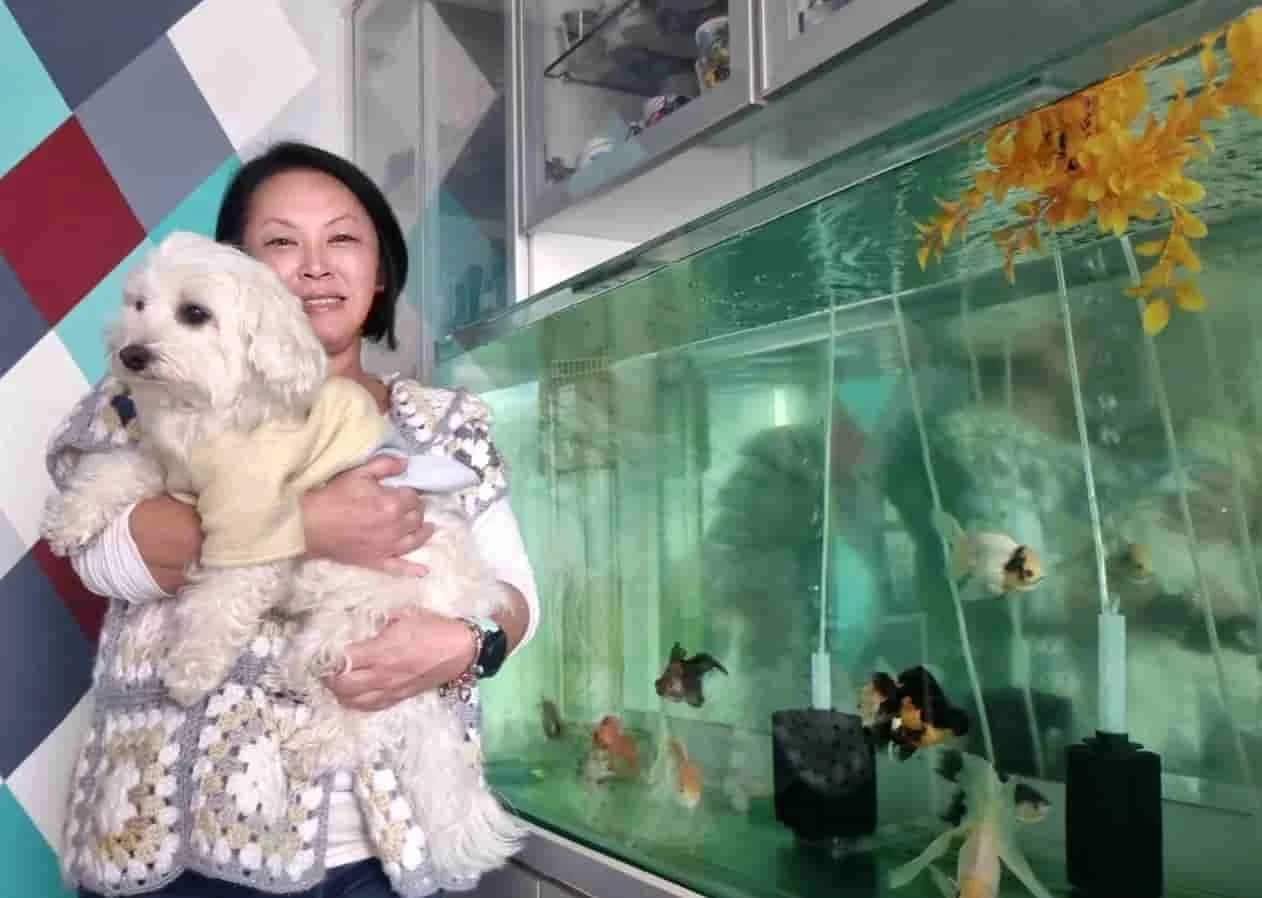
🏠 The 100G Lab
Where we torture test every hardware option, pellet line, and filter layout live.

🏃♀️ Grit & Eye
Marathon endurance meets the precise, millimeter structural focus of a seamstress.
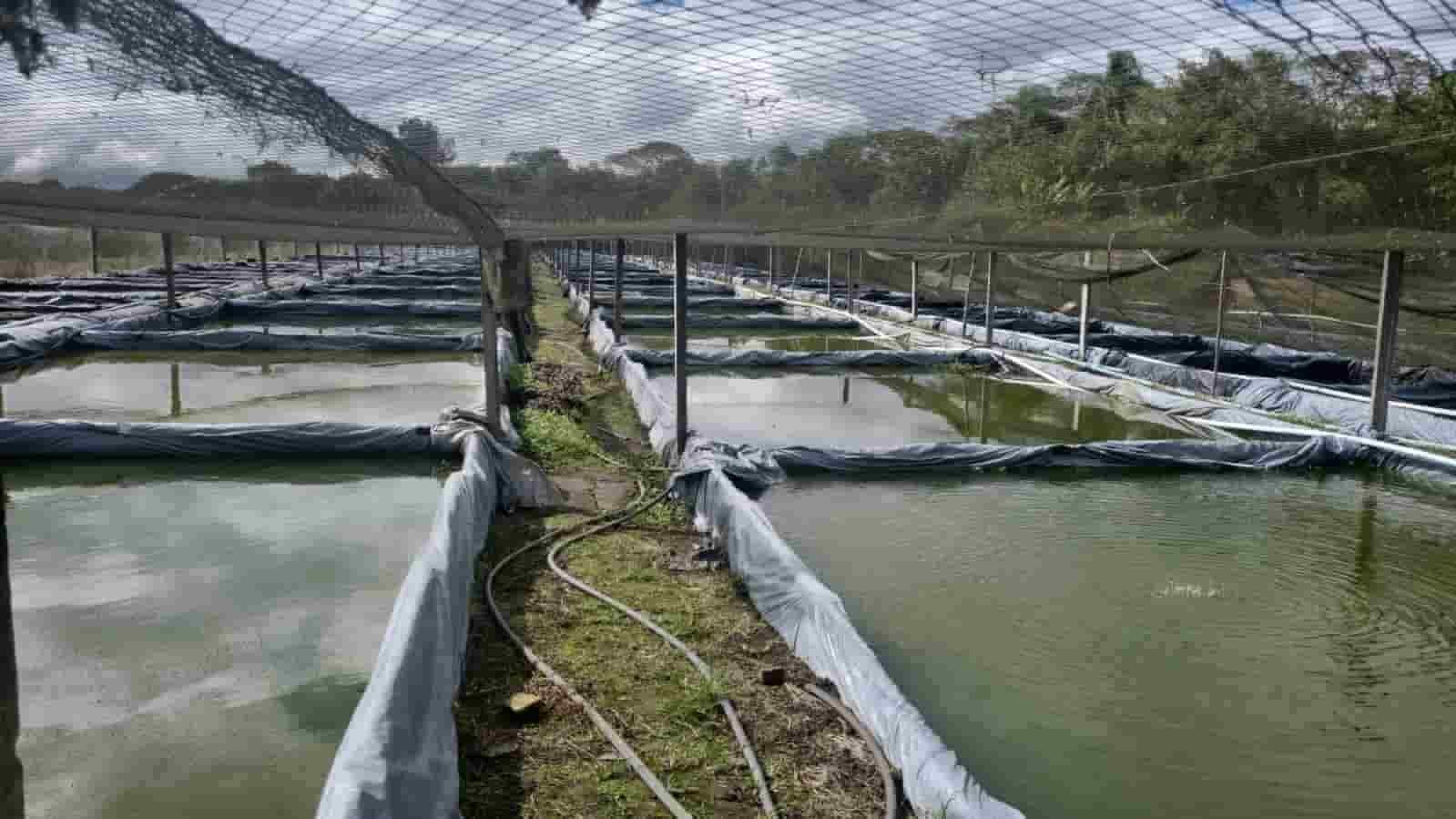
🐳 Monster Vats
Analyzing massive continuous turnovers inside large open-air mud farm vats.
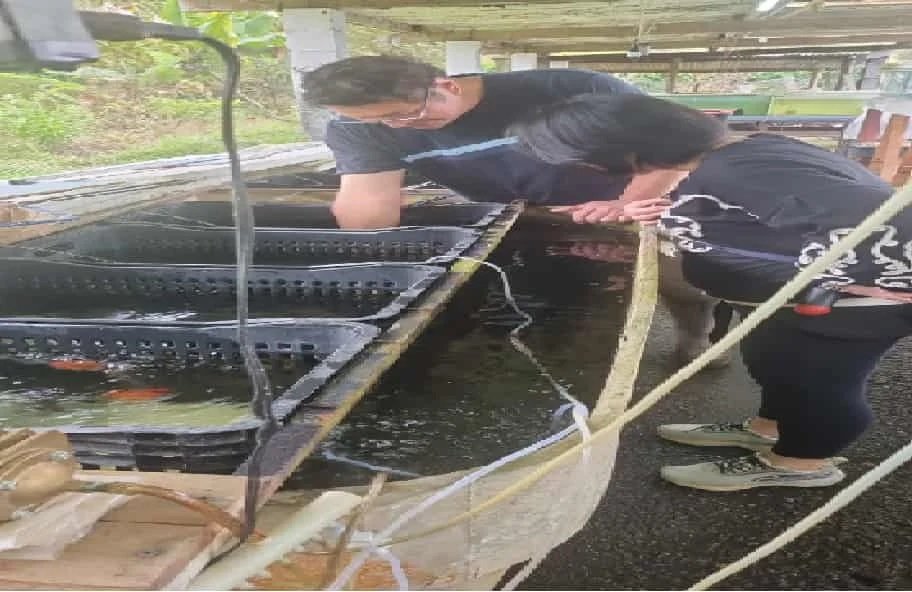
🤝 True Alliances
Working hand-in-hand with regional facility operations to target elite fancy bloodlines.
✨ Read also: How to Cure Goldfish Fungus: The Unfiltered Anti-Fungal Protocol
A deeply technical piece of content that perfectly complements this post — absolutely worth the read.