
You sit down at your high-end work-from-home setup, look at your beautiful solid cherry desktop, and feel a deep pit in your stomach. Knowing how to drill wire access holes in solid cherry desks without splintering expensive hardwood or scorching dense grain is the single biggest hurdle standing between you and a clean, cable-free workspace.
Cherry is a dense, tight-grained hardwood that looks unbelievable when finished, but it is notoriously unforgiving. If you attack it with a cheap drill bit or wrong RPM speed, it will scorch pitch black, tear out long surface fibers, or blow a massive crater out of the underside of your desk.
I spent 25 years in master woodworking building custom furniture, 2 years in dental prosthetics working under micro-tolerances, and spent a ton of time working seated at desk setups. At skytc, our team physically tests tools, smart desk setups, and cable management gear under real-world workshop conditions.
Mastering this drill protocol will save you thousands on ruined custom wood tops, stop cable clutter frustration, and give your remote workspace a flawless factory-grade grommet pass-through. Let us drop the DIY influencer fluff and drill cherry like a master craftsman.
30-Second Field Summary: How to Drill Wire Access Holes in Solid Cherry Desks
Cut straight to the counter-talk verdict: do not buy bargain-bin spade bits or high-speed bi-metal hole saws for solid cherry. Spade bits tear dense cherry grain to shreds, and bi-metal hole saws burn pitch-black rings into hardwood. Use a high-quality Forstner bit for holes under two inches, or a carbide-tipped hole saw for larger two-and-a-half inch grommets. Clamp a solid hardwood sacrificial backing block tightly underneath your desk before drilling. Drill halfway from the top until the pilot pin pokes through, then finish the cut from the bottom up to guarantee zero underside blowout. Final verdict: Clamp a backing board, use carbide or Forstner bits, drill from both sides, and ban spade bits. Period.
Hardwood Hole Drilling Tool Specs Compared
To evaluate how different cutting tools handle dense solid cherry, we must test cutting geometries against wood grain tear-out. The table below outlines how common drill bits perform under heavy hardwood load.
| Drill Tool Category | Primary Cutting Action | Cherry Grain Scorching Risk | Underside Tear-Out Risk | Workshop Field Grade |
|---|---|---|---|---|
| Premium HSS Forstner Bits | Shears outer rim before lifting center core | Low (Requires periodic chip clearing) | Zero (Leaves razor-clean entry rim) | Tactical cheat code for holes under 2 inches |
| Carbide-Tipped Hole Saws | Carbide teeth slice outer perimeter wall | Low (Handles high heat effortlessly) | Low (With sacrificial backing board) | Essential for 2.5-inch grommet holes |
| Bi-Metal Hole Saws | High-speed steel fine tooth scraping | Extreme (Friction burns cherry resins) | High (Snags long wood fibers) | Avoid; burns black rings into wood |
| Cheap Flat Spade Bits | Scrapes and gouges wood fibers violently | High (Creates friction burn marks) | Severe (Blows out huge bottom craters) | Bargain-bin trash; ban from hardwood |
| Step Drill Bits | Conical metal-stepping cutter | Extreme (Friction builds rapidly) | Extreme (Improper depth for thick wood) | Unsuited for solid wood desks |
Battlefield Assessment of Hardwood Drilling Setups
Before taking a power tool to your custom solid cherry desktop, examine how different cutting tools perform under real-world workshop strain.
Setup 1: Premium High-Speed Steel Forstner Bits
The Good: Shears wood fibers along the outer rim before lifting the center core, leaving a razor-smooth top edge that looks factory-milled.
The Bad: Generates high friction heat if run at high drill RPMs without clearing wood chips, requiring frequent drill retracts.
Setup 2: Carbide-Tipped Hole Saws
The Good: Slices through dense solid cherry like butter without dulling or scorching the wood grain.
The Bad: Leaves a central solid wood plug trapped inside the saw cup that must be manually popped out after completing the pass.
Setup 3: Cheap Flat Spade / Paddle Bits
The Good: Low-cost initial purchase and readily available in basic homeowner toolboxes.
The Bad: Destroys dense cherry grain, tears out jagged surface splinters, and blows out massive craters on the exit side.
The Realities of the Battlefield
In the home office and gaming community, influencers post quick video clips drilling desk grommet holes using basic cordless drills and cheap hardware store bit sets. High-speed drilling videos look quick and easy on camera. BUT
Solid American cherry (Prunus serotina) is packed with natural resins and tight grain structures that react brutally to poor drilling technique.
Through our physical testing network at skytc, our master craftsmen documented severe furniture damage caused by incorrect drill bits. Dull bi-metal hole saws generate friction temperatures exceeding 400 degrees Fahrenheit within seconds. In solid cherry, this heat cooks the natural sap and resins, scorching dark black burn marks deep into the wood grain that cannot be sanded out without dishing the desktop.
Underside blowout is another major structural failure. As a drill bit breaks through the bottom face of a 1.5-inch thick cherry desk, the un-supported wood fibers yield to the downward pressure. Without a tightly clamped sacrificial backing block, the exiting bit will rip out a three-inch jagged splinter right through your expensive desk finish.
How to Drill Wire Access Holes in Solid Cherry Desks Without Damage
Mastering how to drill wire access holes in solid cherry desks requires treating your furniture like a fine cabinetry commission: you must use proper cutter geometry, control drill RPMs, and anchor sacrificial backing wood.
First, select the right cutter. For standard two-inch or two-and-a-half-inch desk grommets, use a carbide-tipped hole saw or a high-grade Forstner bit. Forstner bits use a sharp outer rim spur that slices surface wood fibers before the main chisel lifting blades touch the grain. This guarantees a razor-sharp entry ring without grain lifting.
Second, prepare a sacrificial backing block. Take a 2×4 scrap of dense hardwood or solid Baltic birch plywood, and clamp it tightly underneath your desk directly below your marked hole location using heavy-duty C-clamps or F-clamps. The backing block supports the bottom wood fibers, preventing the drill bit from blowing out splinters as it exits.
Third, control your drill mechanics. Set your drill motor to low speed (roughly 400 to 600 RPM) and high torque mode. Start drilling from the top face, applying moderate downward pressure. Every quarter-inch of depth, retract the bit while running to clear wood chips out of the hole—this stops friction heat from burning the cherry. Once the center brad pilot pin pokes through into the backing block, stop. Unclamp the backing block, insert the pilot bit from the underside hole, and finish the cut from the bottom up for a double-clean finish.
The Scorched Cherry Crater: A Failure Scenario
Consider the case of a work-from-home professional who decides to route monitor cords through his expensive solid cherry standing desk. He grabs a cheap 1-inch spade bit from a bargain tool set, attaches it to his cordless drill, and sets the motor to maximum RPM.
He places the bit on the polished top surface without masking tape and pulls the trigger. The flat spade bit dances across the polished finish, scratching a two-inch arc across the desktop before digging in. As he forces the drill down, smoke rises as friction cooks the cherry resins, scorching a black ring deep into the grain.
When the bit punches through the bottom face, the unsupported wood fibers give way, tearing out a massive four-inch jagged crater on the underside of the desk. The user tries to hide the disaster with a cheap plastic grommet, but the torn grain extends past the lip—a classic nightmare caused by cheap tools and skipping basic woodworking steps.
👇 Looking for more performance cheats? Check out our field-tested tactical blueprints:
Essential DIY Troubleshooting Guides
How to Fix Smart Lock Jammed Wooden Door Jamb Error
Stop your deadbolt motor from straining when wooden frames shift with climate changes.
How to Hide Smart TV Wires Inside Wood Wall Panels
Learn clean woodworking methods to route, mask, and clean up complex home theater clutter.
How to Fix Smart Home Device Unresponsive Wi-Fi Bug
Fix network drops, device timeouts, and broken automation routines inside your home local system.
Field Checklist for Hardwood Wire Access Drilling
- How to drill wire access holes in solid cherry desks requires sacrificial backing.
Expert Tip: Clamp a dense scrap hardwood block tightly underneath your desktop location to prevent bottom fiber blowout when the bit exits. - Select Forstner or carbide-tipped hole saws over bi-metal bits.
Expert Tip: Forstner bits shear the outer rim clean, while carbide teeth handle dense cherry resins without friction scorching. - Apply painter’s tape over the marked hole location on top.
Expert Tip: Laying blue painter’s tape over the entry mark prevents the drill bit center spur from scratching polished top finishes. - Run your power drill at low RPM speeds with high torque.
Expert Tip: Keep drill speeds between 400 and 600 RPM; high speeds create heat that bakes cherry sap into black burn marks. - Retract the drill bit frequently during the pass to clear chips.
Expert Tip: Pull the bit out every quarter-inch to blow out trapped sawdust, preventing heat buildup deep inside the cut. - Drill halfway from top, then finish from the bottom side up.
Expert Tip: Stop as soon as the center pilot pin breaks through the bottom, then flip your position to drill up for a clean edge. - Ban flat spade bits completely from hardwood furniture projects.
Expert Tip: Flat paddle bits gouge wood fibers violently; save them for rough framing lumber, never solid cherry furniture. - Verify exact metal or plastic grommet outer dimensions first.
Expert Tip: Measure your cable grommet with calipers before drilling; two-inch grommets often require a 50mm or 51mm precise bit. - Seal raw chiseled end-grain inside the drilled hole with finish.
Expert Tip: Wipe a coat of oil finish or polyurethane inside the raw hole walls to seal end-grain against humidity expansion. - Use a drill guide block if a drill press is unavailable.
Expert Tip: Drill a guide hole through a thick 2×4 block on a drill press first, then clamp it to your desk to hold your hand drill square. - Chamfer the top hole edge lightly with fine sandpaper.
Expert Tip: Ease the top rim with 220-grit sandpaper to remove sharp wood corners before dropping in your cable grommet.
Dynamic No-Nonsense FAQ
Why does solid cherry wood smoke and turn black when I drill into it?
Cherry contains high levels of natural sap and resins. Running a dull drill bit at high RPMs creates extreme friction heat (over 400 degrees Fahrenheit), cooking the resins and scorching dark black burn marks into the tight wood grain. Lower your drill RPM speed and clear chips frequently.
Can I use a regular cheap spade bit to drill a wire hole in a cherry desk?
No. Spade bits are rough framing tools. They gouge wood fibers violently, tear out jagged top surface edges, and blow out massive craters on the underside face. Using spade bits on solid cherry furniture is a guaranteed way to ruin your desk.
What is the best bit size for standard desk wire grommets?
Standard desktop cable grommets typically require a 2-inch (50mm) or 2.5-inch (63.5mm) hole. Always measure the body barrel of your specific metal or plastic grommet with calipers before purchasing your hole saw or Forstner bit.
How do I prevent the drill bit from wandering and scratching my desk finish?
Place a square of blue painter’s tape over the drill mark, measure your center point carefully, and press an awl or center punch into the wood to create a small pilot dimple. This dimple traps the center brad point of your bit, stopping it from wandering.
Is a Forstner bit better than a hole saw for thick solid cherry tops?
For holes under two inches, a Forstner bit is superior because it leaves a perfectly smooth flat-bottom hole. For holes two inches or larger, a carbide-tipped hole saw is better because it cuts only the outer perimeter, reducing drill motor strain and heat buildup.
How do I stop the underside of my cherry desk from splintering when drilling through?
Clamp a dense scrap hardwood block tightly underneath your desk directly below the drill mark. The backing block supports the bottom wood fibers as the bit cuts through. Alternatively, stop when the pilot pin pokes through, and finish drilling from the bottom up.
Should I finish the raw inside edge of the drilled hole?
Yes. Drilling exposes raw wood end-grain, which absorbs atmospheric humidity rapidly. Wipe a thin coat of wipe-on poly, tung oil, or Danish oil inside the hole walls to seal the end-grain and prevent seasonal wood movement around the grommet.
Can I drill wire holes into a solid cherry desk without taking it apart?
Yes, provided you have clear access underneath to clamp a sacrificial backing block. Ensure your drill body clears monitor arms and wall boundaries, and vacuum up wood chips immediately to keep your workstation clean.
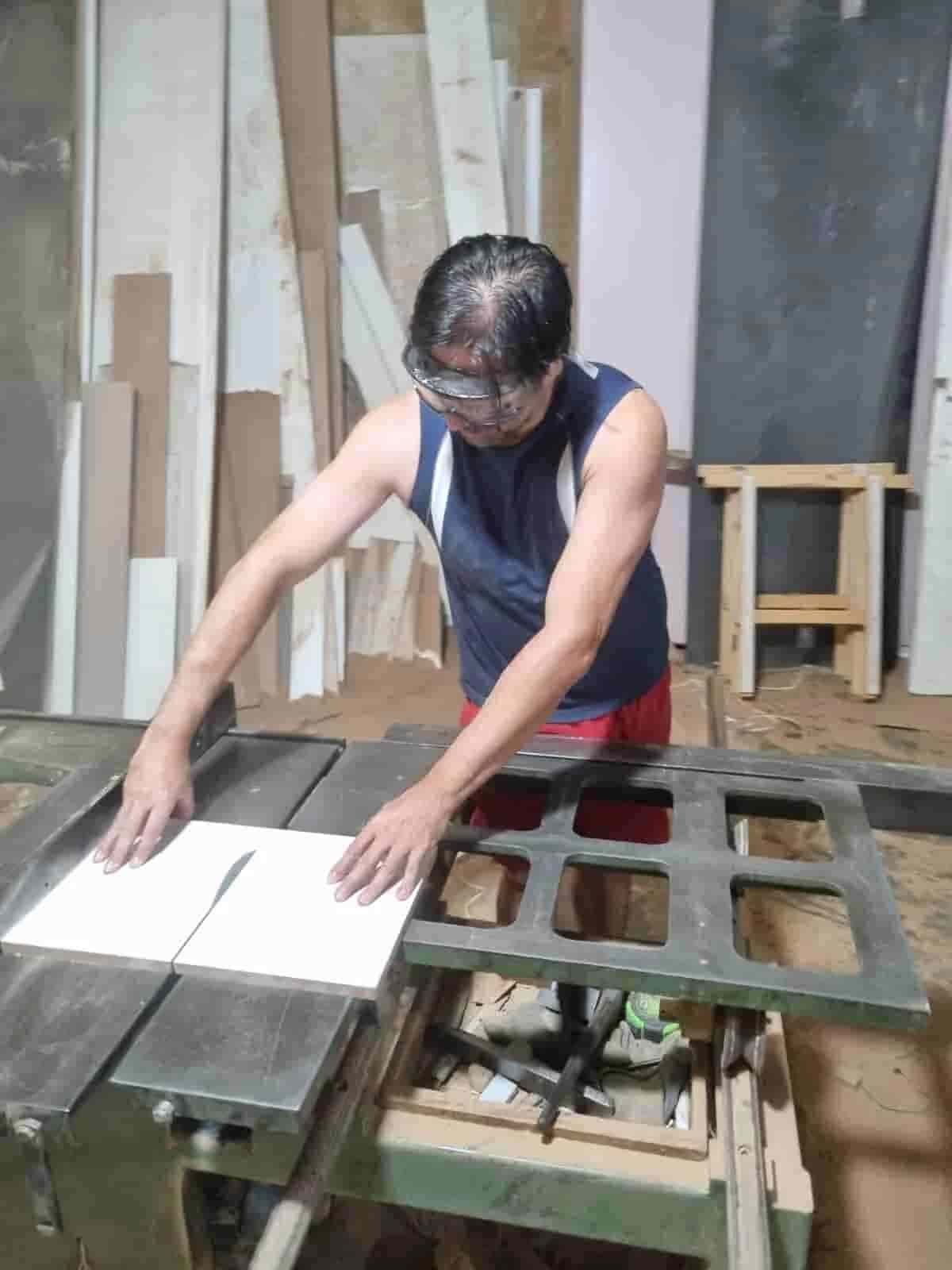
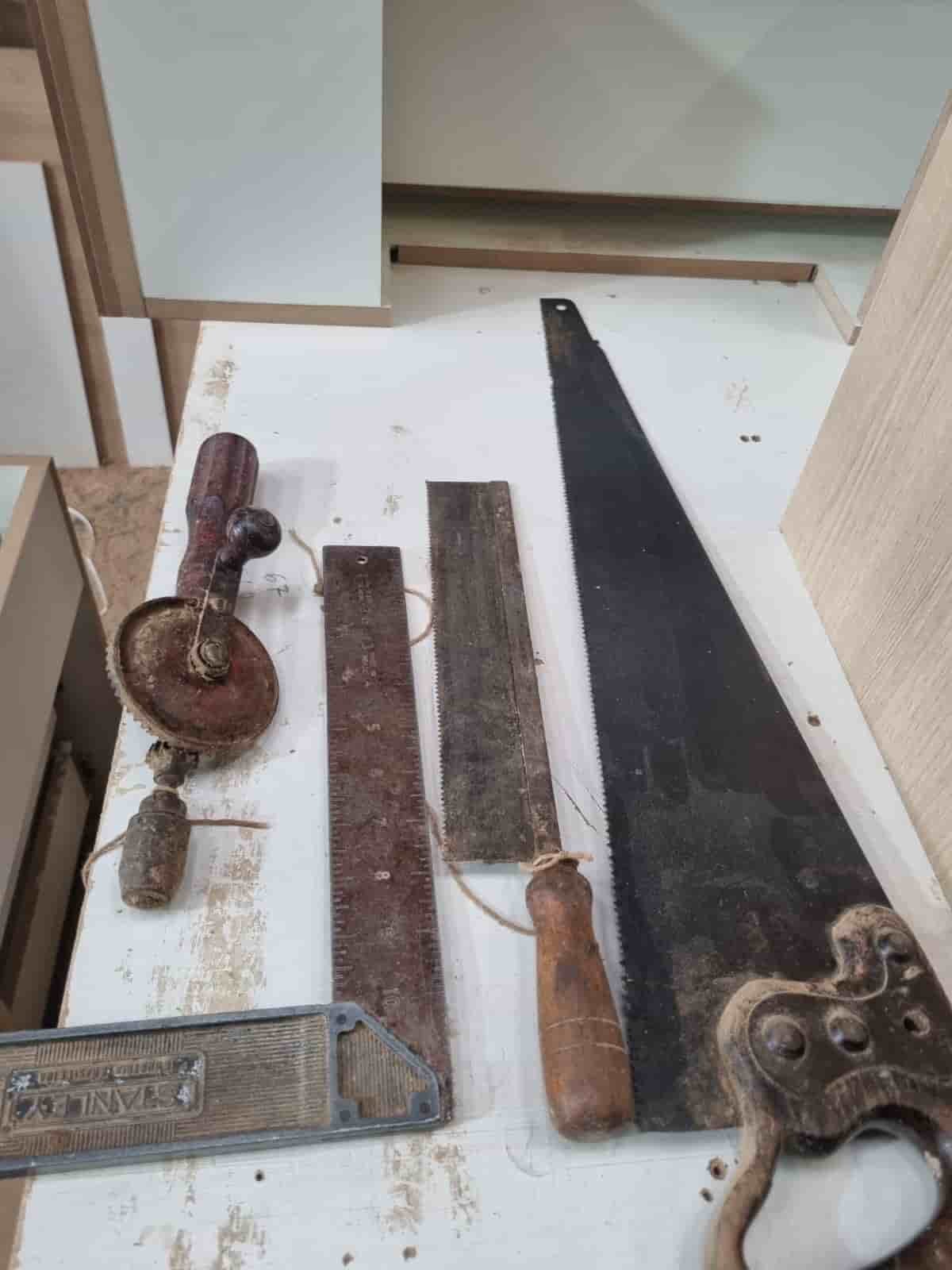
Real World Experience. Engineering Precision.
At SkyTC, technology is never just theoretical—it is driven by practical execution, structural integrity, and strict diagnostic standards. Founded by Valtersky, a tech speaker and seasoned professional, every single guide published here is backed by an authentic multidisciplinary background that bridges the gap between hardware structures and advanced software ecosystems.
Generational Craftsmanship
With 25 years of professional woodworking experience inherited through generations, he masterfully handles smart home mounting, wire routing, and physical hardware adjustments.
Medical Diagnostic Standards
An active career as a licensed X-ray technologist and dental prosthetics practitioner injects rigorous clinical precision, micro-detailed testing, and data integrity into tech evaluations.
Endurance Field Testing
As a competitive mountain ultramarathon runner, he takes every consumer wearable, smart sensor, and GPS watch out into extreme raw environments to test real-world durability boundaries.
✨ Read also: Hide Smart Switch Power Cords Behind Wood Accent Slats
> A deeply technical piece of content that perfectly complements this post — absolutely worth the read.