
If you have ever watched your prized oranda violently gulping and choking on a mouthful of rough pea gravel, you already know the sinking panic of a preventable disaster. Figuring out the best sand grain size for fancy goldfish is not a cosmetic home decor choice—it is a critical mechanical and biological parameter for heavy-bioload, bottom-foraging setups.
Fancy goldfish spend seventy percent of their day bulldozing their snouts into the substrate, hoovering up waste, and blowing fine debris out through their gill slits. Give them jagged gravel from a bargain-bin accessories rack, and you are staging an emergency surgery with tweezers to dislodge a stone stuck behind their pharyngeal teeth.
Give them ultra-fine play dust, and your high-flow canister filters will ingest suspended silica, chewing your pump impellers into scrap while cementing the bottom into an anoxic death trap. Nailing the exact grain specification gives you pristine water clarity, stabilizes your nitrogen cycle, and cuts your weekly gravel-siphoning labor in half so you can actually enjoy your wet pets without destroying your lower back.
The Water Parameter: The Nitrate Cycle
Here is the technician counter recap for aquarists in a rush: the operational sweet spot for all fancy goldfish varieties is graded, rounded inert quartz or silica sand measuring strictly between 1.0 mm and 2.0 mm. Anything smaller than 0.5 mm compacts into an anaerobic, gas-trapping concrete that suffocates aerobic nitrifiers and wrecks pump seals. Anything larger than 3.0 mm presents an immediate buccal choking hazard.
Substrate grain diameter governs your interstitial water velocity—the speed at which oxygenated water flows through the spaces between grains. When interstitial flow collapses under powdery silt, detritus rots without aerobic bacterial contact, causing heavy nitrate spikes and sulfur accumulation. Lock in the 1.0 mm to 2.0 mm threshold, cap your bed depth at 1.5 inches, and your biological bed will process goldfish waste continuously without mechanical choking.
Substrate Classification Matrix for Heavy-Bioload Aquariums
Before dumping bags of dry mineral aggregate into your tank, look at how different grain diameters interact with fish anatomy, fluid dynamics, and mechanical filter intakes:
| Substrate Classification | Nominal Grain Diameter | Sifting Safety Profile | Interstitial Flow Index | Mechanical Wear Risk |
|---|---|---|---|---|
| Micro-Fine Silica Silt | 0.1 mm – 0.3 mm | High Sifting Ease (Gill Clogging Risk) | Near Zero (Severe Compaction) | Critical / Rapid Seal Wear |
| Fine Pool Filter Sand (#20 Grade) | 0.45 mm – 0.55 mm | Safe Buccal Expulsion | Low to Moderate | Moderate Suspended Ingestion |
| Medium Graded Quartz Sand | 1.0 mm – 2.0 mm | Optimal Foraging & Clearance | High / Continuous Aerobic Flow | Negligible on Canister Intakes |
| Coarse Horticultural Grit | 2.5 mm – 4.0 mm | Moderate Pharyngeal Trap Risk | High Void Fraction | Low Airborne Suspension |
| Standard Aquarium Pea Gravel | 5.0 mm – 10.0 mm | Severe Mouth Impaction Hazard | Traps Solid Waste Deeply | Zero Ingestion / High Biological Rot |
| Crushed Aragonite / Coral | Varies by model | Sharp Edge Tissue Abrasion | Moderate | High Calcareous Dust Clouding |
Best Sand Grain Size for Fancy Goldfish: The Bare-Metal Trial: Pros, Cons, and Real-World Wear
Every substrate configuration forces a mechanical tradeoff between fish foraging safety, biological filtration stability, and maintenance labor. Here is the unfiltered breakdown of what happens when these materials hit your tank floor.
Micro-Fine Silt (0.1 mm – 0.5 mm):
The Good: It feels like silk, looks brilliant under high-end lighting, and lets ranchu sift endlessly without oral trauma.
The Bad: It turns into solid, oxygen-starved cement within three weeks. Uneaten food and heavy goldfish feces sit trapped beneath an impervious crust, generating anaerobic dead zones that release toxic hydrogen sulfide into the water column when disturbed.
Medium Graded Quartz Sand (1.0 mm – 2.0 mm):
The Good: This is the gold standard. Heavy enough to drop instantly back to the tank floor when expelled from the gills, preventing sand clouds from reaching filter intakes. Large enough to maintain interstitial oxygen flow throughout the entire substrate depth.
The Bad: Premium graded quartz requires a larger budget-friendly investment compared to raw bulk industrial sand, and skimping on initial rinsing will leave a temporary silicate haze on your glass.
Coarse Pea Gravel (5.0 mm+):
The Good: Stays locked on the bottom even under extreme water pump circulation and will never enter a filter impeller.
The Bad: It is a literal minefield for fancy goldfish. Deep-bodied fish suck gravel into their oral cavity searching for biofilm, wedge a stone between their pharyngeal jaws, and slowly starve or suffocate if you do not perform manual extraction with forceps.
The Wet-Bench Trial: Real Pump and Media Degradation
Canister filter manufacturers love advertising massive flow rates and multi-stage biological efficiency across pristine laboratory setups. However, run those same filters over an uncalibrated fine sand substrate with four hungry adult ryukins, and real-world mechanical wear exposes cheap construction fast.
When goldfish forage, fine sand particles under 0.5 mm remain suspended in the lower water column for up to ninety seconds. Canister intakes positioned too close to the substrate ingest this suspended silica slurry continuously. The hard silicate grains bypass mechanical sponge pre-filters, migrate straight into the motor head cavity, and scour the refractory ceramic shaft.
Within six months of running micro-fine sand, dynamic magnetic impeller assemblies show deep horizontal scoring along the rotor magnet. This friction degrades magnetic flux alignment, raises operating temperatures, and creates an audible rattle that signals impending motor burnout and catastrophic canister seal leaks.
The Hypostatical Failure Scenario
Consider the classic budget shortcut: an aquarist buys a massive bag of ultra-fine playground sand to save on setup costs, gives it a quick two-minute rinse in a bucket, and dumps a dense three-inch layer into a brand-new 100-gallon setup.
For the first month, everything looks picturesque. But beneath the surface, organic waste from heavy-bioload feedings penetrates the top five millimeters and stalls. The fine silt packs tight, eliminating dissolved oxygen penetration. Two months in, the owner uses a siphon to stir the bed; a massive plume of rotten-egg smelling hydrogen sulfide gas burps into the water column.
Within twelve hours, beneficial bacteria colonies suffer severe toxic shock, the tank experiences an acute biological crash, and the fancy goldfish develop cloudy eyes, gill burn, and lethal ammonia poisoning. That is the true cost of using the wrong substrate grain.
👇 Looking for more performance cheats? Check out our field-tested tactical blueprints:
The Goldfish Ecosystem Blueprint
Complete your advanced technical training loop by exploring our core evergreen resources.
How to Feed Goldfish for Maximum Lifespan
A deep breakdown of digestive tract mechanics, bloating prevention, and premium sinking diets.
How to Maintain a 100 Gallon Goldfish Tank
Large-scale system parameters. Deep sand bed mechanics, nitrogen cycling, and bioload management.
Ultimate Guide to Goldfish Tank Filtration
Heavy-duty hardware configurations. Optimizing parallel canisters, bio-media setups, and automation.
The Filter Cycle: Parametric Water Management Checklist
- Choose the best sand grain size for fancy goldfish carefully. Expert Tip: Lock your substrate specification strictly between 1.0 mm and 2.0 mm to guarantee smooth buccal passage while maintaining aerobic interstitial water channels.
- Cap your substrate depth at a maximum of two inches. Expert Tip: Deep sand beds in goldfish tanks create massive anoxic dead zones; keep the layer between 1.0 and 1.5 inches to ensure daily fish foraging naturally turns over the entire bed.
- Rinse raw sand in small batches until water runs clear. Expert Tip: Use a high-pressure hose nozzle in a five-gallon bucket, overflowing the silt until zero suspended turbidity remains before introducing it to the tank.
- Elevate all mechanical filter intake strainers four inches above sand. Expert Tip: Positioning intake tubes well above the foraging strike zone prevents suspended mineral grit from being sucked into magnetic impeller housings.
- Attach a coarse pre-filter sponge over every canister intake. Expert Tip: High-density intake sponges capture stray silica grains before they reach dynamic motor seals, protecting expensive ceramic shafts from friction shearing.
- Hover your siphon tube half an inch above the sand. Expert Tip: Do not jam the siphon deep into the sand bed like gravel; swirl the vacuum tube in small circles to lift fish waste while letting heavy 1.5 mm sand fall back.
- Verify substrate is completely chemically inert before installation. Expert Tip: Test dry sand with a few drops of white vinegar or nitrate test reagent; active fizzing indicates calcium carbonate that will uncontrollably drive your pH and hardness sky-high.
- Rake through dead zones during scheduled bi-weekly water changes. Expert Tip: Use a stainless steel aquascaping rake around hardscape bases and corners to disrupt low-flow pockets before anaerobic bacteria form toxic sulfides.
- Select smooth, river-tumbled quartz over sharp crushed volcanic grit. Expert Tip: Angular grains with sharp microscopic edges lacerate delicate goldfish mouth membranes and opercular gill tissues during aggressive bottom-sifting.
- Monitor flow rates across canister return nozzles weekly. Expert Tip: A sudden drop in return nozzle velocity often signals fine particulate accumulation inside the impeller well, requiring immediate motor teardown and cleaning.
- Maintain high surface oxygenation to fuel aerobic benthic bacteria. Expert Tip: Deploy high-output air stones to ensure oxygenated water circulates constantly across the sand surface, preventing heterotrophic bacterial decay.
The Goldfish Ecology: Straight Answers to Filtration Queries
Can fancy goldfish safely pass sand through their digestive tract?
Yes. If your fish swallows 1.0 mm to 2.0 mm rounded sand while competing for sinking pellets, the grains pass harmlessly through the gastrointestinal tract and are excreted in their feces. Unlike gravel, sand does not cause intestinal impaction.
How deep should the sand substrate bed be in a heavy-bioload aquarium?
Keep it shallow: 1.0 to 1.5 inches maximum. Anything deeper than two inches without burrowing snails or heavy plant root systems turns into a compacted anaerobic zone that traps deadly gas pockets.
Is black cosmetic sand safe for bottom-foraging goldfish?
Only if it is 100% pure inert quartz. Avoid cheap black blast media or coal slag sand at all costs; they are sharp industrial byproducts loaded with heavy metals that will shred your fish’s gills and leach toxins into the water.
Will pool filter sand scratch my glass or damage filter motors?
Standard #20 grade pool filter sand (0.45 mm – 0.55 mm) is relatively safe, but its lighter mass means vigorous goldfish will kick it into the water column. Keep your intake strainers elevated four inches to protect your pumps.
How often do I need to manually stir or siphon a sand bed?
Never jam a siphon into the bed. Swirl the vacuum half an inch above the sand during your regular weekly water changes to lift organic detritus. A properly sized grain allows goldfish to do seventy percent of the stirring for you.
Can I use crushed aragonite sand to buffer my aquarium water hardness?
Aragonite works for African cichlids, but its sharp angular edges scratch goldfish mouth tissue. If your tap water lacks mineral hardness, use crushed coral placed securely inside a media bag within your canister filter instead of your substrate.
Why is my sand bed turning dark brown or black beneath the surface?
That discoloration is iron sulfide precipitation caused by anaerobic bacterial decomposition. It means your grain size is too fine, your bed is too deep, or interstitial water flow has completely collapsed. Rake the area immediately and reduce bed depth.
Do I need to remove fancy goldfish from the tank while rinsing new sand?
Never add unwashed sand to an occupied aquarium. Rinse your substrate in buckets beforehand until the runoff is crystal clear, shut off all filtration during addition, and let the medium settle fully before powering pumps back on.
🛡️ │ WHY TRUST SKYTC GOLDFISH CARE CURATION?
At SKYTC, we hold aquatic ecosystem biology and biological parameter handling to a rigorous standard. We are not an automated affiliate review engine; we apply hands-on tests and serious filtration engineering workflows to ensure every recommendation guarantees the health and maximum lifespan of your fish with absolute safety.
✓ Engineering:
Structural experience backed by heavy-duty filtration math, continuous hydraulic turnover metrics, and robust mechanical support for large-scale coldwater systems.
✓ Expertise:
Focuse on preventative biological husbandry and premium nutrition. Thoroughly auditing biological media, sinking feeds, and elements that completely neutralize ammonia spikes.
✓ Authority:
Curation signed by real keepers running a balanced 100-gallon display ecosystem for over 8 years, pairing daily practical benchwork with direct wholesale breeder insights.
✓ Trust:
Product selections built on unfiltered transparency—exposing actual electrical draws, heat dissipation issues, and hidden costs before any Amazon recommendations.
📸 Our Journey in the Real World
From daily living room tank turn rates to macro-scale breeding setups.
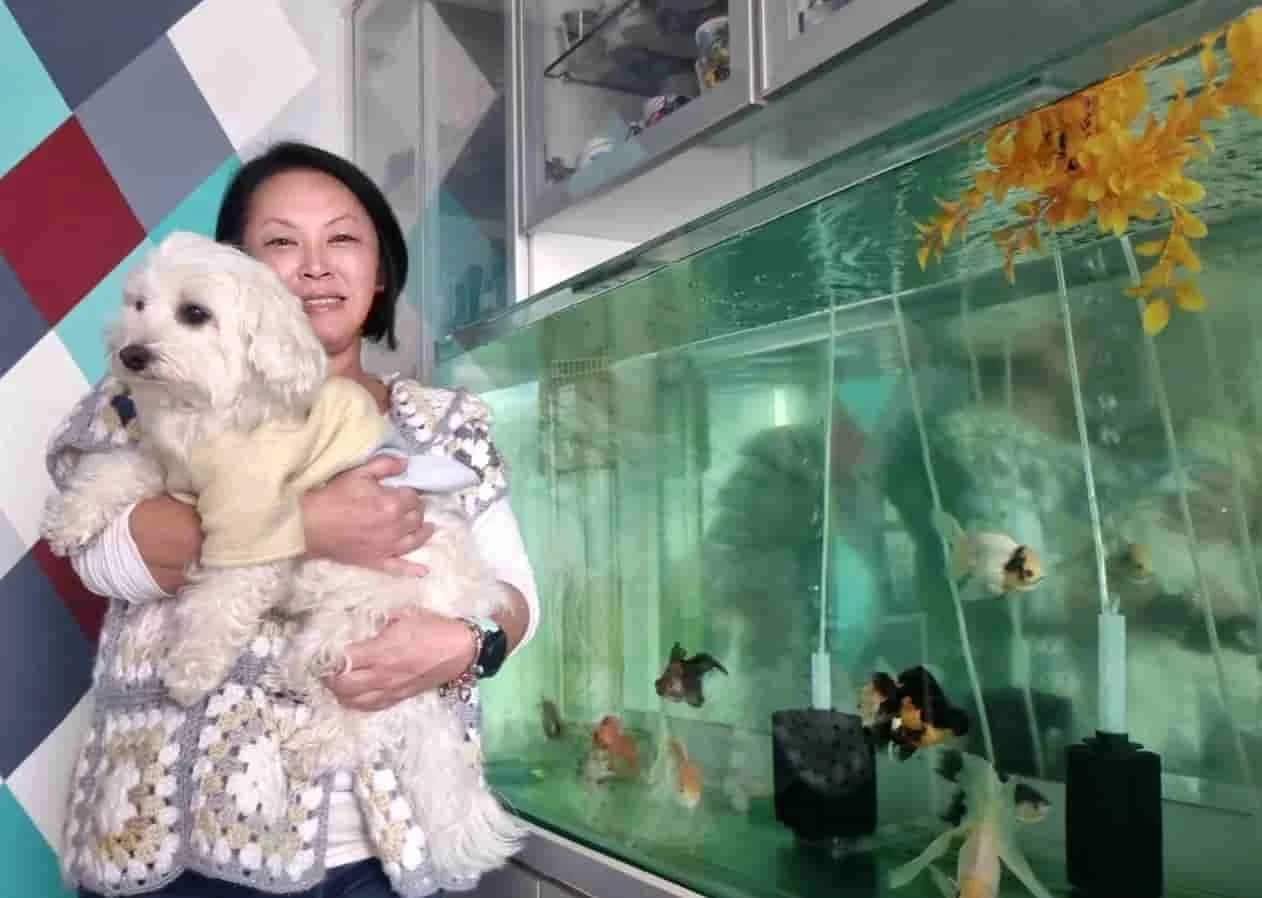
🏠 The 100G Lab
Where we torture test every hardware option, pellet line, and filter layout live.

🏃♀️ Grit & Eye
Marathon endurance meets the precise, millimeter structural focus of a seamstress.
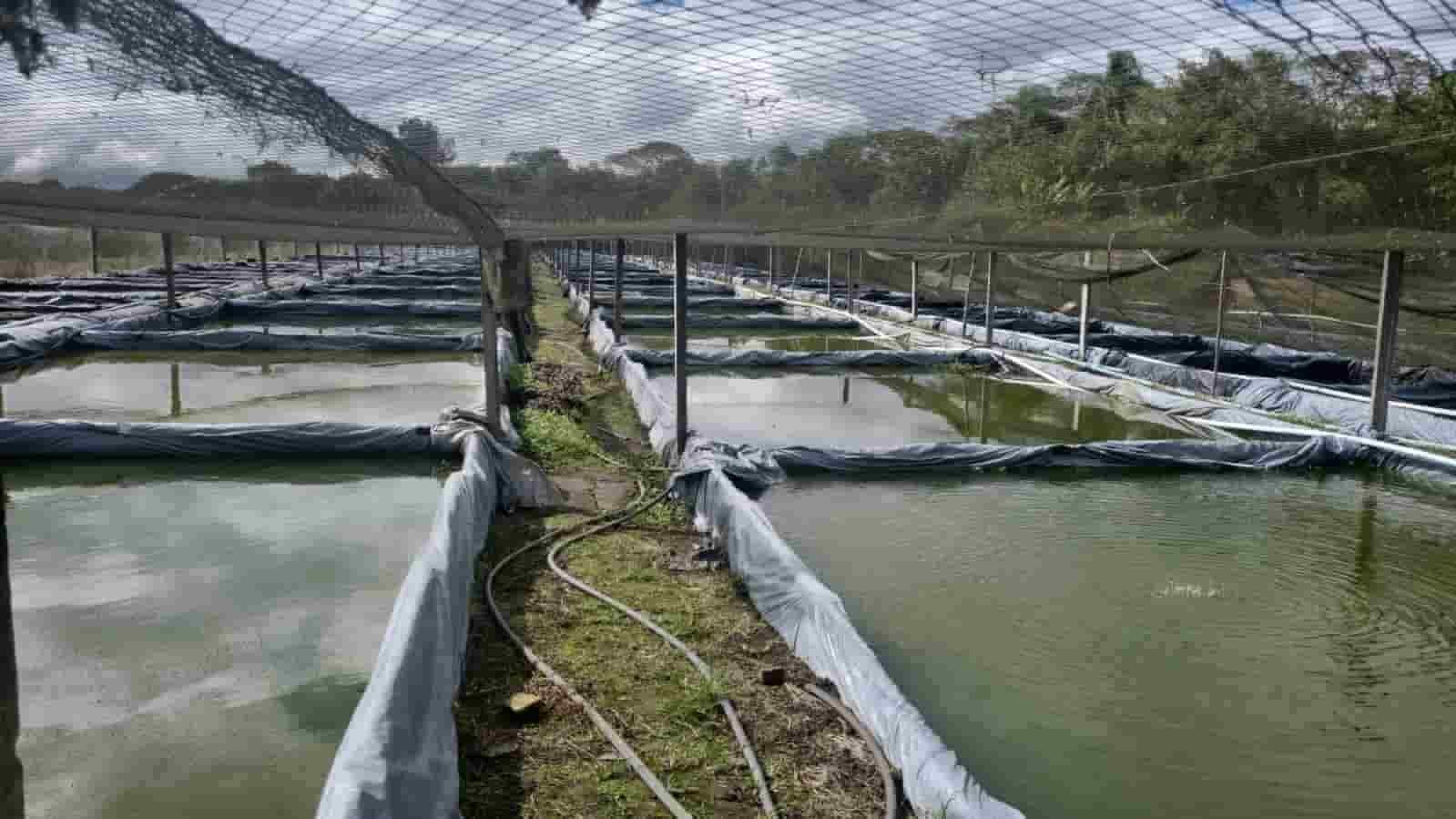
🐳 Monster Vats
Analyzing massive continuous turnovers inside large open-air mud farm vats.
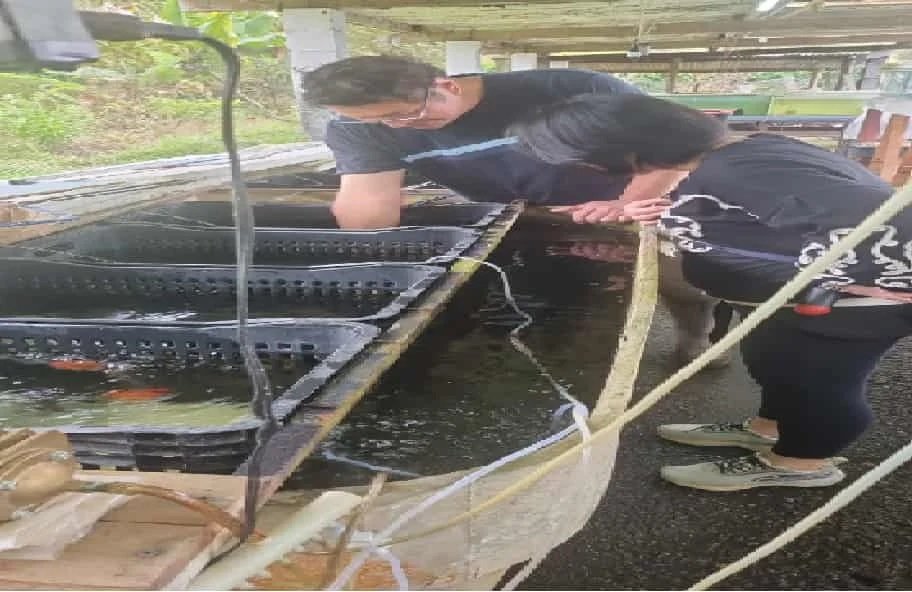
🤝 True Alliances
Working hand-in-hand with regional facility operations to target elite fancy bloodlines.
Substrate Fluidics & System Longevity Reference
Read also: How to Prevent Toxic Gas Pockets in Sand: The Unfiltered Substrate Blueprint
CRITICAL BENCH WARNING: Operating sub-0.5 mm particulate substrates under high-flow suction triggers abrasive slurry migration across magnetic impeller shafts, resulting in catastrophic ceramic pin shearing, severe canister head pressure loss, and total biological filtration degradation within 120 operating days.