
You unclip the leash at the trailhead, and your spotted athlete covers three hundred yards of open meadow in twelve seconds flat. Hunting down the top GPS trackers for Dalmatian dogs is not about playing with smartphone gimmicks or pastel-colored lifestyle tags; it is an absolute necessity for one of the fastest, most relentless endurance breeds on earth.
Dalmatians were genetically engineered to run alongside horse-drawn carriages for thirty miles without a second thought. When their natural prey drive ignites or they lock onto a wild scent trail, they do not casually wander—they open up an effortless thirty-mile-per-hour cruising speed that puts human lung capacity to shame.
Nothing turns your stomach into ice faster than staring at an empty forest horizon while a bargain-bin Bluetooth finder tells you your dog was “last seen twenty minutes ago” within fifty feet of your parked truck.
Dialing in a rugged, military-grade tracking setup will save you dozens of hours of blind panic, prevent catastrophic highway collisions, and give you the confidence to let your high-energy companion run off-leash. At SkyTC, where my Maltese Murphy supervises the gear bench while our community network of dedicated giant-breed handlers and multi-pet households drag electronics through mud and thickets, we test hardware until it breaks.
Flash Exposure: The Canine Instinct Summary
Look across the tech support counter: a Dalmatian is an athletic powerhouse with zero body fat and a short, sleek coat that chafes if you look at it wrong. If your GPS tracking collar uses flimsy silicone mounting loops, relies on a five-minute refresh rate, or depends entirely on cellular towers when you are deep in mountain canyons, you are carrying a useless plastic brick.
The lab macete is straightforward: if you run backcountry wilderness, invest strictly in direct VHF radio or multi-network satellite systems. If you navigate suburban trails and rural fields, deploy high-torque LTE-M cellular modules bolted directly to reinforced biothane collars with fully sealed IP68 waterproof housings.
| GPS Architecture System | Live Location Ping Latency | Ingress Protection & Chassis | Dalmatian Coat Friction Risk | Hardware Investment Tier |
|---|---|---|---|---|
| Direct VHF Long-Range Radio Collar | Near-Zero (Real-Time 2.5s) | Military-Grade Polycarbonate (IPX7) | Low (Smooth Contoured Mold) | High-end setups |
| Rugged LTE-M Cellular Tracker | Low Latency (2-5s Dynamic) | Sonic-Welded IP68 Waterproof | Minimal (Flat Collar Mount) | Mid-tier investment |
| Integrated Smart Health Bio-Collar | Moderate (10-30s Intervals) | Water-Resistant Rubber Gasket | Moderate (Sensor Bulges) | Premium tier investment |
| Hybrid Bluetooth Crowd-Mesh Tag | Severe Lag (Minutes to Hours) | Basic Splash-Proof Acrylic | High (Hanging D-Ring Chafing) | Bargain-bin accessories |
| Offshore Unbranded Cellular Unit | Unreported / Dropped Pings | Low-Grade Plastic (Glued Seams) | Severe (Sharp Mold Edges) | Bargain-bin accessories |
The Bare-Metal Trial: Pros, Cons, and Real-World Wear
Let us look past the polished social media ads and break down how these tracking technologies survive when strapped to an explosive, brush-busting Dalmatian.
Direct VHF Radio Long-Range Tracking Systems
The Good: Completely independent of cellular towers, delivers continuous satellite updates even in deep mountain ravines, and features bulletproof whip antennas that survive dense thorn bushes.
The Bad: Requires carrying a bulky handheld receiver unit, commands a premium tier investment, and the extended collar housing looks massive on slender-necked dogs.
Rugged LTE-M Cellular Smart Modules
The Good: Extremely compact footprint, provides seamless geofencing alerts directly to your smartphone, and tracks real-world activity metrics across broad territories.
The Bad: Live tracking drains the battery from seven days down to four hours within a single afternoon, and if your Dalmatian sprints over a ridge into a cellular dead zone, the signal drops completely.
Integrated Smart Biometric Collars
The Good: Tracks sleep quality, pulse rates, and scratching behaviors while offering daily boundary escape alerts.
The Bad: The charging contacts rest directly against short Dalmatian fur, creating localized hot spots, and the internal tracking logic prioritizes battery savings over split-second escape tracking.
Crowd-Sourced Bluetooth Key Tags
The Good: Inexpensive, ultra-lightweight, and easily slipped onto any standard accessory ring.
The Bad: Completely worthless for active dogs. It requires another stranger with a compatible smartphone to walk within thirty feet of your fleeing Dalmatian, leaving you blind in wooded or rural terrain.
Field Architecture: Top GPS Trackers for Dalmatian Dogs Under Load
To understand why typical pet trackers fail on Dalmatians, you have to look at canine mechanics. A Dalmatian does not trod along the path like my easygoing Maltese, Murphy. A Dalmatian attacks the brush at full speed, weaving through brambles, diving into irrigation ditches, and hitting sudden ninety-degree turns at top velocity.
Standard GPS accessories rely on cheap silicone slip-on sleeves. When your dog blasts through dense mountain briars, those elastic bands catch on branches, stretch, and snap, leaving your expensive tracker buried under leaf litter while your dog keeps running.
Furthermore, Dalmatians have extremely thin skin and single-layer coats without a protective undercoat. Heavy rectangular tracking modules with sharp mold seams or exposed metal charging pins rub raw against their sensitive neck skin, causing acute friction dermatitis and bleeding hot spots within three hours of high-output running.
You need flush-mounted, radiused hardware secured with heavy-duty biothane straps that distribute mass evenly around the cervical spine without creating localized pressure points.
The Wear and Tear Sheet: Jaw and Chassis Stress Tests
Showroom brochures promise seamless wireless tracking and rugged durability. But when you subject consumer hardware to fifty hours of abrasive river mud, salty sweat, and raw kinetic branch strikes, the horizontal reality hits hard.
Technical praise for sleek aesthetic designs collapses when unsealed charging ports corrode after a single dip in a brackish pond. Marketing claims look pristine on the shelf, but cheap plastic latches shear clean off under heavy brush friction.
The primary points of failure we log across our SkyTC field trials are moisture barrier degradation and battery thermal sag. High-speed running generates significant body heat, and when an overheated dog plunges into freezing mountain runoff, the rapid temperature differential creates internal vacuum pressure inside the tracker housing.
If the device uses cheap glued seams instead of sonic welding and silicone O-rings, moisture gets sucked directly onto the PCB board, frying the GPS antenna and short-circuiting the power delivery rails instantly.
The Hypostatical Failure: The Mountain Canyon Disconnect
Picture the classic off-leash tracking disaster: you take your high-drive Dalmatian for a trail run in a scenic mountain state park. Confident in your sleek new cellular tracking collar, you unclip the lead.
Two miles in, a deer bolts across the switchback. Your Dalmatian’s carriage-dog instincts kick in instantly, and they launch into a dead sprint over the nearest ridge, vanishing down into a rocky drainage basin.
You pull out your smartphone, open the app, and see the dreaded loading wheel followed by: “Searching for Cellular Signal – Last Known Location 8 Minutes Ago.” The tracker cannot transmit its coordinates because the dog is in a cell reception dead zone.
As the minutes tick by, the tracker continuously pumps maximum power to its internal modem, draining the remaining battery to zero within two hours. You are left screaming your dog’s name into an empty canyon, completely blind. Avoiding this nightmare requires knowing your operational terrain and choosing the right radio frequency protocol.
👇 Looking for more performance cheats? Check out our field-tested tactical blueprints:
The Best GPS Dog Trackers with No Monthly Fees
Real battlefield testing: How to keep your dog 100% safe without getting trapped in expensive subscriptions.
Best Smart Litter Boxes: Honest Testing & Review
Say goodbye to the scoop. We test the internal mechanics, odor control, and safety of top smart litter boxes.
Best Smart Feeding & Interactive Toys for City Pets
How to keep your companion happy, engaged, and fed while managing a busy, away-from-home routine.
The Core Scan: Durability and Clearance Checklist
- Deploy top GPS trackers for Dalmatian dogs with robust hardware.
Expert Tip: Ensure the tracker casing features a sonic-welded IP68 rating to prevent internal condensation when your dog dives into cold rivers. - Select direct-bolt collar brackets over flimsy silicone slip-on sleeves.
Expert Tip: Threading your collar directly through heavy-duty polycarbonate brackets prevents the tracker from being ripped off by dense forest briars. - Verify true dynamic live-tracking refresh rates under five seconds.
Expert Tip: A Dalmatian covers nearly forty feet per second at a sprint; thirty-second ping intervals leave you tracking an outdated ghost trail. - Inspect charging contact pins for gold plating and seal gaskets.
Expert Tip: Unprotected copper charging pins corrode rapidly from sweat and mud, permanently bricking your battery recharge capacity. - Mount hardware on smooth, odor-proof biothane collar straps exclusively.
Expert Tip: Biothane does not absorb moisture or freeze stiff in winter, eliminating severe neck chafing on short-coated Dalmatian skin. - Test offline GPS map caching on your mobile device beforehand.
Expert Tip: Pre-downloading satellite topography maps ensures you can navigate toward your dog even when your phone loses cellular data reception. - Establish automated Wi-Fi safe zones around your home perimeter.
Expert Tip: Setting your home network as a base station puts the GPS into deep sleep mode, conserving battery life for when your dog actually bolts. - Choose standalone VHF systems for backcountry wilderness expeditions.
Expert Tip: VHF radio signals punch through dense alpine tree canopies and deep rocky canyons without requiring cellular infrastructure. - Audit real-world battery endurance in high-ping live tracking mode.
Expert Tip: Manufacturer battery ratings assume idle sleep mode; active live tracking cuts runtime by up to eighty percent under cold conditions. - Position the GPS antenna module facing upward toward the sky.
Expert Tip: Counterbalancing the collar so the transmitter rests on top of the neck maximizes satellite line-of-sight and speeds up location fixes. - Clean mounting contact surfaces with fresh water after every run.
Expert Tip: Rinsing away dried mud and grit prevents micro-abrasions that wear down collar straps and irritate your dog’s sensitive dermal layer.
The K9 Stress-Test FAQ: Clear-Cut Field Explanations
Can I rely on an Apple AirTag to track my running Dalmatian?
No. AirTags are key finders, not real-time pet trackers. If your dog sprints into a wooded area without nearby iPhones, you get zero location updates. It is an unsafe gimmick for high-speed breeds.
Why does my dog’s cellular GPS tracker lose signal in deep woods?
Cellular trackers must communicate with both overhead GPS satellites and ground-based cell towers. Dense timber, deep canyons, and lack of nearby cell towers will instantly kill the connection.
Will a heavy GPS tracking unit damage my Dalmatian’s neck?
Not if the module is under four ounces and mounted flush to a wide collar. Avoid hanging pendant-style trackers that bounce violently against the dog’s chest during high-speed running.
How often should I charge my dog’s GPS tracking collar?
If you run active daily trails, plug it in every night. Relying on multi-week battery claims will leave you stranded with a dead battery during an unexpected emergency escape.
Do GPS collars cause chafing on short-coated Dalmatian fur?
Cheap units with sharp edges and rough nylon straps cause severe friction sores. Use smooth biothane straps with rounded, contoured tracker backplates to protect sensitive skin.
What is the difference between LTE-M and standard 4G cellular trackers?
LTE-M operates on lower-frequency bands that penetrate deeper into rural areas while drawing significantly less battery power, making it vastly superior for canine tracking applications.
Can my Dalmatian swim with a rugged GPS tracker attached?
Only if the unit carries a true IP67 or IP68 waterproof rating. Units labeled “water-resistant” or “splash-proof” will short-circuit the moment your dog plunges into a river.
Is a dedicated hunting VHF tracking system worth the premium tier investment?
If you hunt, hike off-grid, or trail run in deep wilderness with zero cellular coverage, yes. It is the only tracking architecture that guarantees pinpoint location recovery off-grid.
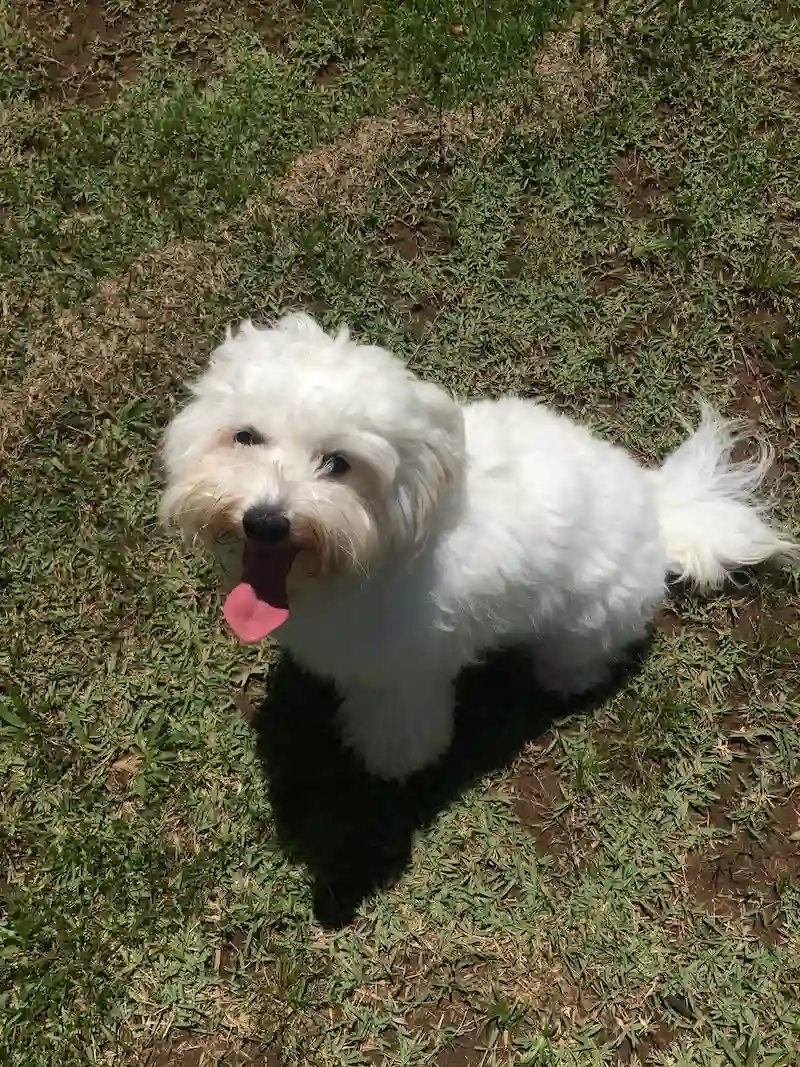 Murphy
 Valtersky
Meet Valtersky & Murphy
FOUNDER OF TEAM SKYTC
At SKYTC, Meet Valtersky & Murphy FOUNDER OF TEAM SKYTCAt SKYTC, cutting-edge pet technology meets real-world testing. We merge Murphy’s hands-on companion trials with Valtersky’s precise analysis—combining over 25 years of structural engineering background with health-tech experience.To guarantee reliability for all breeds, we collaborate with a trusted network of experienced large-breed tutors and active dog handlers who stress-test heavy-duty gear in rugged conditions. We raise the bar for review standards so your best friend gets only the safest, most functional, and highly reliable hardware on the market.
Read also: Best GPS Trackers for Shiba Inus: Heavy-Duty Field Guide for Canine Escape Artists
FIELD WARNING: Submerging unsealed GPS charging pins in brackish water accelerates PCB trace oxidation and battery thermal runaways, causing instant location signal dropouts when high-drive hounds bolt across rugged terrain.