

Learning how to wash aquarium sand fast is the difference between an immaculate aquascape and a three-week milky swamp that grinds your new pump into scrap plastic. We have all been there: kneeling on cold concrete, swirling a garden hose inside a five-gallon bucket like a medieval butter churn, while cloudy gray runoff spatters all over your boots. Your knees ache, your forearms burn from hauling fifty-pound bags of dense silica, and the water coming out of the bucket remains stubbornly opaque.
As someone who spends hours running long-distance trails and sitting at an industrial sewing machine, I have zero patience for wrecked joints and wasted weekend hours. Sloshing buckets by hand is an obsolete, back-breaking ritual pushed by pet-shop clerks who have never set up a high-bioload hundred-gallon system in their lives. You end up dumping half-cleaned substrate into your glass box, hoping the mechanical filter catches the rest, only to wake up to a bacterial-silt soup.
Stop doing physical labor that basic fluid mechanics can do for you in a fraction of the time. When you deploy the hydraulic elutriation protocol detailed here, you will save hours of back-breaking manual hauling, prevent catastrophic mechanical failure on expensive filtration gear, and drop crystal-clear water onto bare substrate on day one without clouding.
The Water Parameter: The Nitrate Cycle
Tech support counter talk: raw sand dust does not directly spike your total ammonia nitrogen (TAN), but it will utterly cripple the mechanical infrastructure that keeps your nitrogen cycle alive. Fine silica fines and clay silt suspended in the water column act as microscopic abrasives. If you dump dirty substrate into an uncycled or maturing tank, those suspended micro-particles pass right through coarse pre-filter sponges and settle directly into the porous caverns of your biological media rings.
The final verdict is brutal and simple: biological media suffocated by mineral fines cannot colonize Nitrosomonas or Nitrospira bacteria. Your bio-surface area drops to near zero, beneficial oxygen exchange stalls, and the tank stalls in a permanent cycle crash. Wash the substrate down to zero turbidity outside the tank, or prepare to watch your biological bed choke on anaerobic silt before your fish even take their first bite of food.
Hydraulic Elutriation: How to Wash Aquarium Sand Fast Without Breaking Your Spine
The standard bucket-swirl method fails because it relies on manual turbulence that violently mixes heavy sand grains with light dust particles, immediately dragging the silt back down into the substrate bed. To clear substrate quickly, you need continuous upward hydraulic pressure: a process known in industrial engineering as elutriation. By forcing pressurized water up through the bottom of a narrow column, the water velocity suspends and lifts fine micro-silica while allowing the heavier, usable sand grains to settle out of the current.
Instead of standing over a bucket with your hands plunged in freezing sludge, you shove a gravel siphon directly to the bottom of the container and let continuous flow do the heavy lifting. The water moves upward against gravity, carrying suspended silt over the rim while the clean grains remain pinned to the bottom. This lab macete cuts rinsing time from four hours of agonizing labor down to fifteen minutes of hands-free water flow.
| Substrate Material | Grain Sizing (Microns) | Turbidity Index | Elutriation Flush Time | Impeller Abrasion Risk |
|---|---|---|---|---|
| Pool Filter Sand (#20 Silica) | 450 to 550 | Low | Under 10 Minutes | Low (Uniform Graded) |
| Inert Play Sand | 100 to 300 | Extreme | 45 to 60 Minutes | Extreme (Massive Clay Fines) |
| Black Coal Slag Blasting Media | 200 to 400 | Moderate | 15 to 20 Minutes | Severe (Sharp Angular Fractures) |
| Porous Volcanic Substrate | 1000 to 3000 | Severe (Dust-Heavy) | varies by model | Moderate (Soft Particulates) |
| Commercial Pre-Washed Aquarium Sand | 300 to 600 | Low to Moderate | 10 to 15 Minutes | Low to Moderate |
| Crushed Aragonite / Coral Sand | 800 to 1500 | High (Calcium Dust) | 20 to 30 Minutes | Moderate (Soft Carbonate Silt) |
The Bare-Metal Trial: Pros, Cons, and Real-World Wear
Every substrate washing approach has mechanical consequences. We look past the marketing promises and look at the structural wear and tear.
The High-Flow Siphon Fluidizer (The Upflow Bucket Rig)
The Good: Flushes suspended clay and silica over the rim using continuous upward hydraulic pressure without requiring a single hand swirl. The Bad: If you exceed optimal household line pressure, you will blast twenty pounds of heavy grain straight onto your lawn, creating an unrecoverable sandy sinkhole.
The Heavy-Duty Paint Mixer Drill Attachment
The Good: Mechanically pulverizes compacted dry clay clumps inside a five-gallon bucket in under two minutes of high-torque rotation. The Bad: It generates intense rotational friction against the plastic bucket walls; slip for half a second and the steel blades will punch through the bucket wall and flood your garage.
The Fine-Mesh Fabric Strainer Method
The Good: Allows targeted manual rinsing for high-end boutique plant substrates without crushing delicate baked soil granules. The Bad: The microscopic mesh openings choke solid with fine silt within ninety seconds, leaving you with a soggy, un-drainable sludge sack that weighs a ton.
The Wet-Bench Trial: Real Pump and Media Degradation
Modern magnetic-drive aquarium pumps boast ultra-tight internal tolerances, utilizing polished ceramic shafts and magnetic impellers engineered to run silently for thousands of continuous hours. But subject those precision tolerances to suspended micro-silica dust from poorly rinsed substrate, and that high-end engineering destroys itself from the inside out. Fine silica particles are harder than hardened steel; once sucked past a coarse pre-filter, they enter the narrow gap between the magnetic rotor and the motor housing, transforming into an aggressive grinding paste.
The mechanical destruction follows an exact sequence. The ceramic shaft develops deep microscopic scoring, the internal magnetic casing wears out of round, and the pump begins emitting a harsh, rhythmic rattling sound under load. But the problem does not stop at noise. As the rotor binds within the abrasive slurry, electrical resistance climbs sharply, generating excessive motorhead heat that cooks rubber dynamic O-rings, hardens internal seal barriers, and causes catastrophic water leakage across your flooring.
The Living Room Beach Disaster
Here is how a routine tank build goes completely off the rails. A weekend hobbyist hauls four bags of cheap commercial sand home, rips open the plastic, and dumps fifty pounds of bone-dry substrate directly into an empty glass tank to save an hour of prep work. They set an inverted dinner plate on the bottom, run a garden hose at full blast, and think they can bypass pre-washing because the packaging proudly claimed the material was pre-cleaned.
The water turns an opaque, chalky white within sixty seconds as thousands of dry dust particles break surface tension. Instead of draining the tank, the keeper panics and switches on a brand-new multi-stage canister filter stuffed with expensive chemical and biological media. Within four hours, the dense polishing pads collapse under the weight of wet mineral silt, the pump motor cavitates violently due to lost intake head pressure, and the internal biological media trays become completely coated in a suffocating gray mud that takes three weeks of teardowns to clean out.
Smarter Guides for a Healthier Aquarium
Practical aquarium guides for cleaner water, healthier fish, better filtration, and long-term tank stability.
Eliminate Aquarium Algae Naturally
A practical field guide to controlling aquarium algae naturally while building a healthier and more balanced aquatic environment.
Master Aquarium Water Chemistry and Bio
Learn how to manage water chemistry, biological filtration, and heavy bioload conditions for a more stable aquarium.
Care for Fancy Goldfish in Large Tanks
A detailed guide to creating the right environment, care routine, and tank conditions for fancy goldfish.
Ultimate Guide to Goldfish Tank Filtration
Understand filtration options, flow, media, and maintenance strategies for keeping goldfish tanks clean and stable.
Maintain a 100 Gallon Goldfish Tank
A practical maintenance system for managing a large goldfish aquarium, including cleaning, water changes, and routine care.
Feed Goldfish for Maximum Lifespan
Learn how feeding frequency, food quality, portions, and routine can support healthier and longer-lived goldfish.
The Filter Cycle: Parametric Water Management Checklist
Master how to wash aquarium sand fast before tank installation.
Expert Tip: Pre-washing substrate outside the glass chassis prevents micro-abrasives from migrating into impeller housings and scratching clear float glass panels.
Divide bulk substrate into ten-pound batches for washing.
Expert Tip: Exceeding ten pounds in a standard five-gallon vessel reduces upward water velocity and traps silt beneath the compacted lower grain bed.
Drive the garden hose nozzle completely to the bucket base.
Expert Tip: Discharging water from the very bottom creates a vertical fluid bed that pushes lightweight suspended dust upward against gravity.
Angle the wash container at fifteen degrees during continuous flushing.
Expert Tip: A slight tilt creates a dedicated overflow spillway, preventing heavy settling grains from spilling over the primary wash lip.
Inspect runoff water clarity against a dark utility background.
Expert Tip: Milky suspended silica often looks deceptively clear inside a white bucket; use high-contrast lighting to verify zero optical turbidity.
Decant surface water completely before transferring clean sand to aquariums.
Expert Tip: Residual wash water contains colloidal clays that immediately re-suspend the moment the sand bed is disturbed during manual placement.
Install temporary disposable poly-fill media pads during initial tank flooding.
Expert Tip: Sacrificial mechanical pads catch transient float dust and can be discarded within twenty-four hours before they coat biological porous media.
Turn off all circulation pumps during initial substrate tank filling.
Expert Tip: Letting the water column settle for two hours prevents high-velocity flow from dragging heavy particulate grains into mechanical filter intakes.
Cap fine silica substrates with coarser grain grades in high-flow setups.
Expert Tip: Layering fractions prevents powerful filter discharge streams from carving trenches in the sand bed and throwing silt back into the water column.
Disassemble and lubricate filter impeller wells after thirty operating days.
Expert Tip: Checking the ceramic shaft after a new tank setup ensures stray particulate dust has not compromised dynamic seals or worn the rotor bushing.
Use sacrificial plastic colanders to transfer rinsed wet sand safely.
Expert Tip: Dumping sand from heavy pails shocks internal aquarium glass seams, while small transfer scoops ensure steady, controlled substrate placement.
The Goldfish Ecology: Straight Answers to Filtration Queries
Can you clean aquarium sand with just a garden hose?
Yes, and it is the fastest way if you run the hose to the bottom of the container. Surface spraying does nothing but churn clean sand on top while burying the dust underneath. Force the water upward from the base to float the silt out.
Does pool filter sand require as much washing as play sand?
Not even close. Pool filter sand is industrially graded to remove grains below a specific micron threshold, meaning it takes a third of the rinse time. Play sand is loaded with unregulated clay dust and will make you question your life choices.
Will cloudy sand water harm fancy goldfish gills?
It absolutely will. Fine mineral fines irritate the delicate gill lamellae of heavy-bodied goldfish, triggering excessive mucus production and secondary bacterial columnaris. Never drop fish into cloudy, freshly sanded water.
Should I boil aquarium sand before putting it into the tank?
Do not waste your fuel. Boiling dry quartz sand does not remove mineral dust; it only sterilizes organic pathogens that rarely exist in new, dry bags anyway. High-flow hydraulic rinsing removes the actual problem, which is physical silt.
How do I stop sand from clouding the water during the first fill?
Lay down heavy plastic trash bags or a wide ceramic plate directly over the dry substrate. Direct your fill hose onto the plate at low velocity so the incoming water current never strikes the sand bed directly.
Can I wash sand directly inside the aquarium before adding water?
Never do this. Stirring sand inside a dry or half-full glass tank grinds sharp quartz crystals directly into the silicone joints, compromising structural seals and creating micro-scratches on the glass panels that turn into algae magnets.
Why is my filter making a buzzing sound after adding sand?
Your filter ingested micro-sand. Unplug it immediately, disassemble the motorhead, pull the magnetic impeller, and wipe out the well. If you let it run buzzing, the quartz dust will melt the plastic housing and snap the ceramic shaft.
Do water clarifier chemicals fix sand dust clouds?
They are a temporary crutch that strains your equipment. Flocculants clump suspended mineral dust into heavy aggregates that drop to the bottom or plug your mechanical pads solid. Wash the substrate correctly first, and you will never need clarifiers.
🛡️ │ WHY TRUST SKYTC GOLDFISH CARE CURATION?
At SKYTC, we hold aquatic ecosystem biology and biological parameter handling to a rigorous standard. We are not an automated affiliate review engine; we apply hands-on tests and serious filtration engineering workflows to ensure every recommendation guarantees the health and maximum lifespan of your fish with absolute safety.
✓ Engineering:
Structural experience backed by heavy-duty filtration math, continuous hydraulic turnover metrics, and robust mechanical support for large-scale coldwater systems.
✓ Expertise:
Focuse on preventative biological husbandry and premium nutrition. Thoroughly auditing biological media, sinking feeds, and elements that completely neutralize ammonia spikes.
✓ Authority:
Curation signed by real keepers running a balanced 100-gallon display ecosystem for over 8 years, pairing daily practical benchwork with direct wholesale breeder insights.
✓ Trust:
Product selections built on unfiltered transparency—exposing actual electrical draws, heat dissipation issues, and hidden costs before any Amazon recommendations.
📸 Our Journey in the Real World
From daily living room tank turn rates to macro-scale breeding setups.
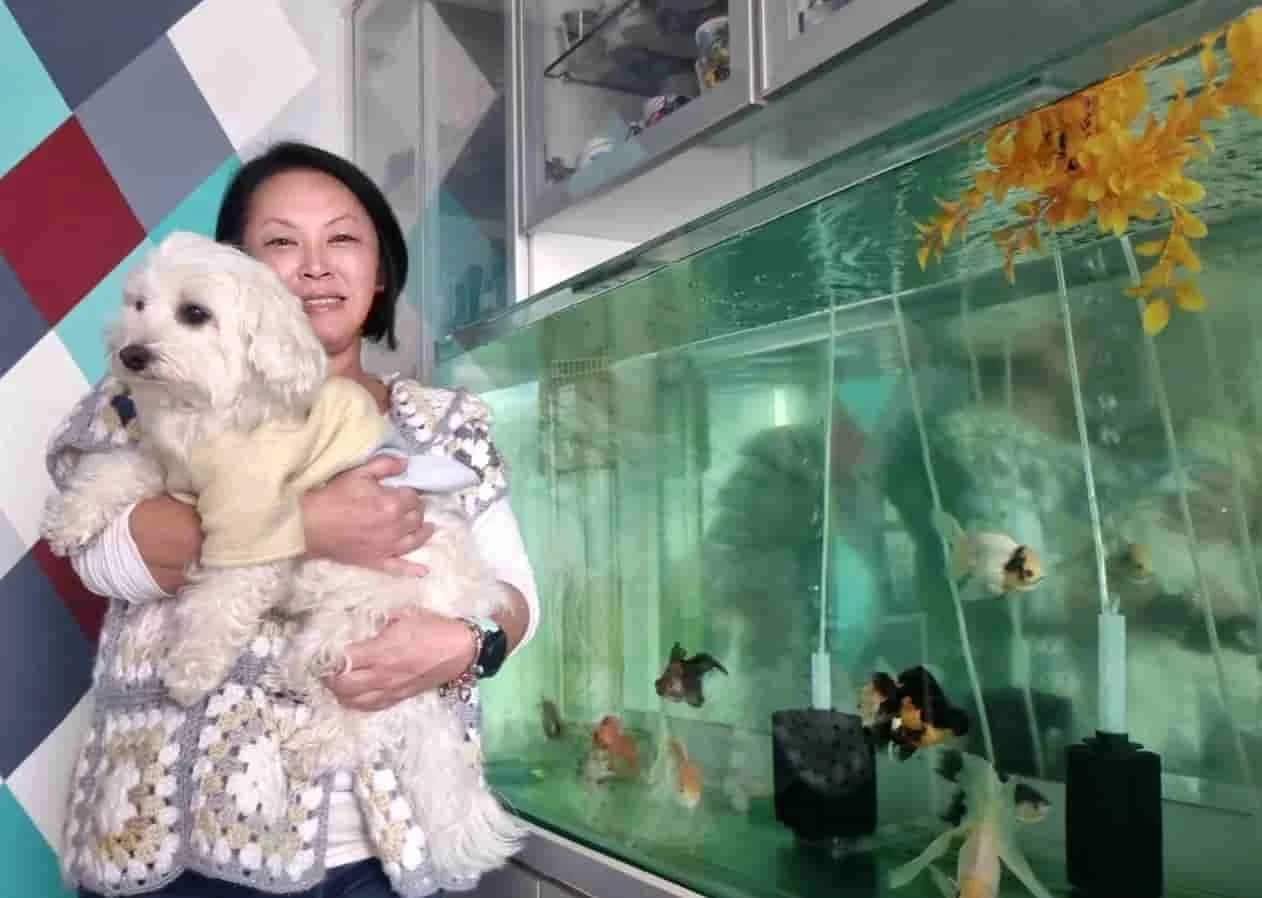
🏠 The 100G Lab
Where we torture test every hardware option, pellet line, and filter layout live.

🏃♀️ Grit & Eye
Marathon endurance meets the precise, millimeter structural focus of a seamstress.
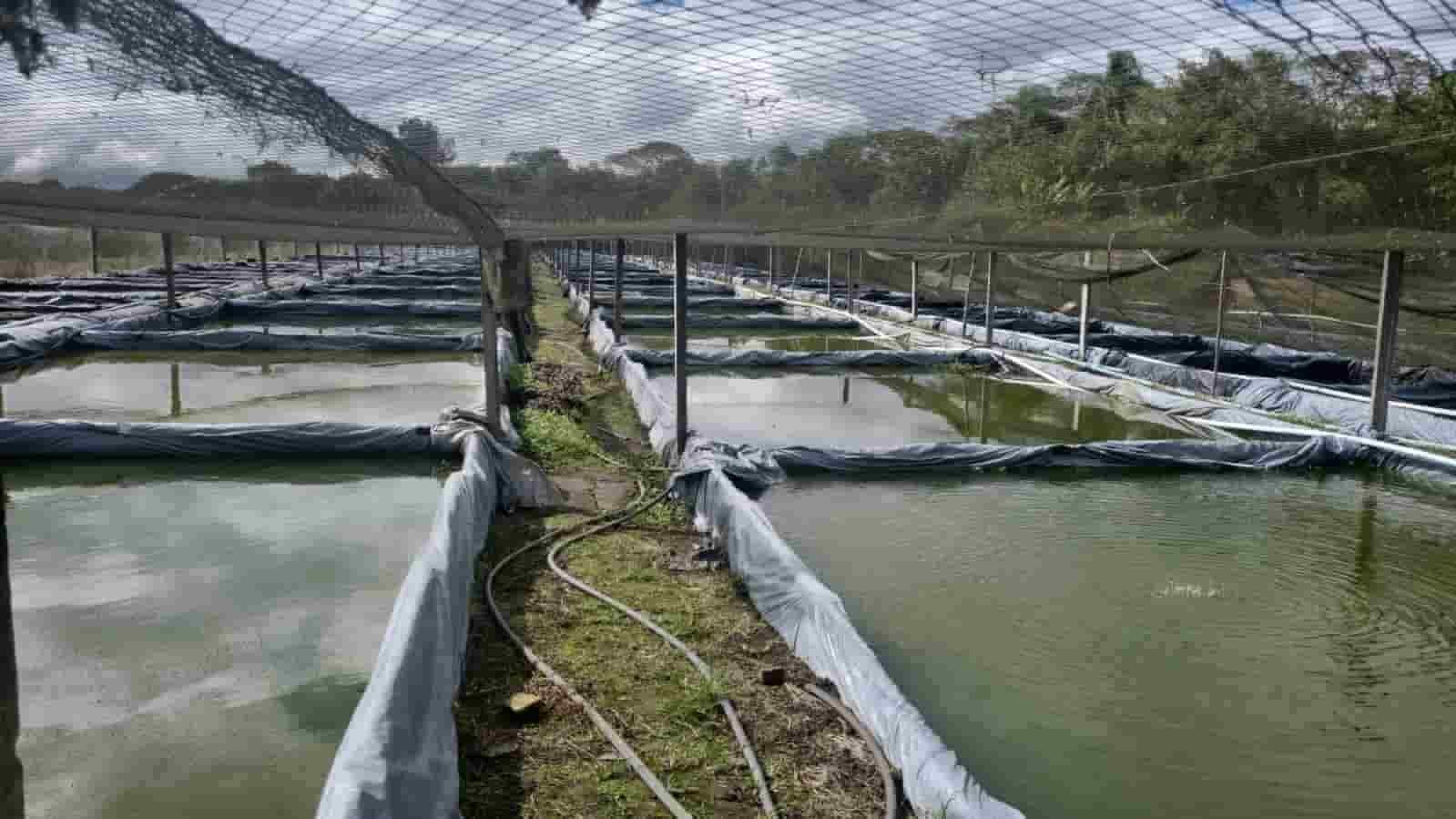
🐳 Monster Vats
Analyzing massive continuous turnovers inside large open-air mud farm vats.
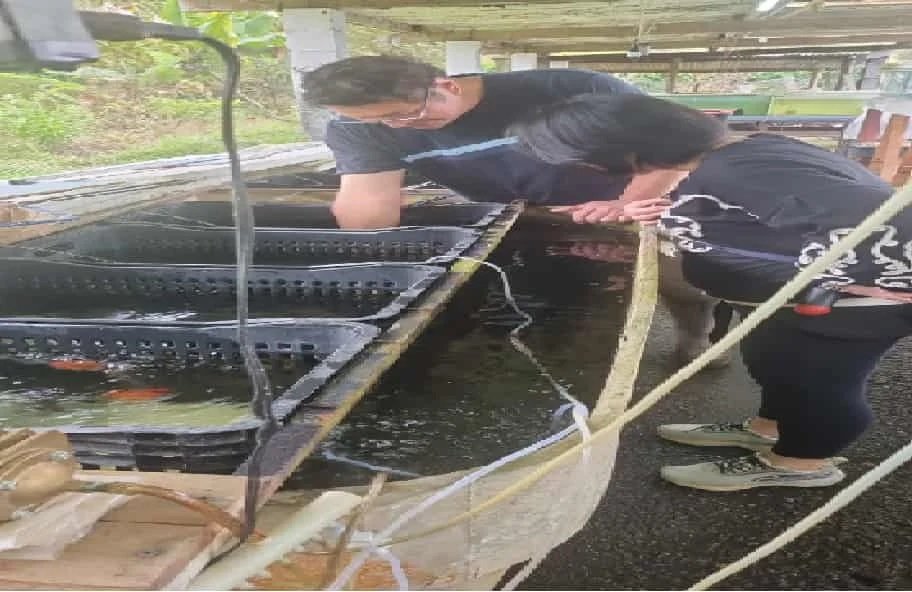
🤝 True Alliances
Working hand-in-hand with regional facility operations to target elite fancy bloodlines.
CRITICAL BENCH WARNING: Unchecked sub-surface silt migration causes catastrophic canister head pressure loss, severe magnetic shaft friction shearing, and dynamic pump seal leaks across closed-loop filtration circuits.