

You drag yourself up the front porch stairs in the middle of a swampy summer downpour, push your key into the cylinder—or wait for your smart lock motor to whir—and you are greeted by an agonizing mechanical crunch. You end up throwing your entire body weight into the door slab just to relieve the side-load friction so the cylinder can turn. Knowing how to fix moisture swelled wood frame jamming deadbolt assemblies is the difference between smooth, one-finger locking action and burning out an expensive motorized smart lock.
Wood is not a piece of static architectural plastic; it is a biological sponge made of cellulose capillaries that constantly breathe. When ambient relative humidity spikes past eighty percent, wood expands tangentially across the grain, instantly chewing up the tiny one-eighth-inch operational margin between the door stile and the jamb. The bolt slams into the strike plate lip, turning simple daily entry into a physical combat sport.
Valtersky here. Over my twenty-five years across structural carpentry, historic timber restoration, and custom cabinetry—paired with two years seated in dental prosthetics where a fraction of a millimeter means severe bone resorption or a ruined bite—I have rebuilt thousands of bound door systems. At our skytc field shop, our crew physically tortures hardware, timber frames, and automated deadbolt systems to separate workshop reality from DIY-influencer garbage.
Deploying this field-tested alignment protocol permanently restores your door’s clearance, saves you hundreds in emergency locksmith bills, and spares your shoulder and wrist joints from chronic physical trauma every single evening.
(Bare-Metal Diagnostic: The Plug-and-Play Extract)
Here is the counter-talk reality with zero corporate fluff: never reach for a coarse belt sander the second your door binds during a rainstorm. If you grind wood off a swollen slab in August, you will end up with a gaping quarter-inch air gap that whistles freezing air and drafts come January.
The real root cause is rarely the entire door slab; it is localized frame compression and hinge pocket sag. Coat the end of your deadbolt with dry-erase marker or machinist chalk, throw the latch against the jamb, and look at the exact metal-on-metal collision mark. Nine times out of ten, driving a three-inch hardened structural screw through the top hinge directly into the structural wall studs pulls the swollen jamb back enough to clear the bind. If the wood itself is truly waterlogged, relieve the strike plate throat using a rotary carbide burr, seal the raw end-grain with drying oil, and eliminate exterior water splashing at the threshold.
Technical Comparison Table
| Remediation Method | Clearance Recovery Range | Jamb Structural Integrity | Humidity Cycle Resilience | Execution Skill Floor | Reversibility Index |
|---|---|---|---|---|---|
| 3-Inch Hinge Stud Anchor | 1.5 mm to 3.0 mm | Reinforced (Tied to King Stud) | High (Mechanical Tension) | Basic Garage Screwdriver | Fully Reversible |
| Rotary Carbide Burr Grinding | 2.0 mm to 4.5 mm | Unaltered (Plate Modified Only) | Permanent Mechanical Gap | Moderate (Steady Rotary Hand) | Plate Replacement Required |
| Edge Planing & Oil Sealing | 3.0 mm to 6.0 mm | Slight Surface Reduction | Moderate (Requires Periodic Coat) | High (Risk of Winter Snipe) | Irreversible Material Loss |
| Adjustable Security Strike Plate | Varies by model | Moderate (Standard Mortise) | High (Internal Cam Shifting) | Low (Direct Screw Swap) | Fully Reversible |
| Chisel Jamb Deepening | Unreported | Weakened (Thinned Stop Rabbit) | Low (Wood Swells Deeper) | Moderate (Sharp Hand Chisel) | Difficult to Patch |
The Bare-Metal Trial: Pros, Cons, and Real-World Wear
Treating swollen wood requires an honest assessment of long-term structural wear. If you choose the wrong intervention, seasonal thermal swings will punish your house frame. Here is how the three primary workshop methods hold up under field stress.
1. The 3-Inch Structural Hinge Recess Anchor
This approach involves pulling the short three-quarter-inch factory screws from the top door hinge and driving long, hardened construction screws clean through the jamb into the structural framing studs.
The Good: Massive mechanical leverage. It cinches the swollen jamb directly toward the king stud, buying you vital millimeters of lateral clearance at the deadbolt strike plate without cutting a single wood shaving off your expensive exterior door.
The Bad: If your rough opening has sloppy, unsupported shimming behind that hinge pocket, overtightening a three-inch screw will bow the jamb inwards, throwing your middle hinge out of alignment and causing the bottom of the door to drag across the sill.
2. Carbide Rotary Burr Strike Plate Enlargement
Using a high-speed die grinder or rotary tool equipped with a tungsten carbide burr to selectively shave metal out of the strike plate’s binding edge.
The Good: Surgical speed. You leave the wood completely alone and machine out the exact interference zone where the deadbolt drags. It eliminates smart lock motor stalls in under five minutes flat.
The Bad: Metal shavings fly everywhere, demanding heavy eye protection and a shop magnet clean-up. If you take too much metal out of a cheap stamped-steel strike plate, you compromise the security integrity of the deadbolt latch pocket.
3. Hand Plane Relief Beveling with Penetrating Sealer
Unpinning the door slab, mounting it on edge in a workbench vise, and running a tuned low-angle jack plane to cut a two-degree relief bevel on the lock stile.
The Good: The master craftsman benchmark. A proper back-bevel allows the door face to swing clear of the jamb without rubbing, even when the timber is loaded with ambient moisture.
The Bad: It takes real woodworking chops. If your plane blade is dull or your technique is sloppy, you will tear out figured grain, ruin the exterior paint barrier, and leave the bare wood exposed to even worse rot.
The Structural Integrity Report: True Bezel Endurance
Hardware companies love boasting about Grade 1 security ratings and solid forged brass deadbolt casings on their packaging. However, forty pounds of continuous lateral side-load pressure from a swollen red oak door frame will freeze zinc internal cams and snap smart lock drive pins in a matter of months.
Marketing teams promote heavy enamel exterior paint as an impenetrable barrier against moisture absorption. Yet, unsealed bottom door rails and microscopic stress cracks around hinge pockets act as high-draw capillary siphons, sucking ground splash water deep into the wood core during wet seasons.
Bargain-bin motorized deadbolts advertise hands-free automated locking with smart home integration. Unfortunately, when seasonal timber expansion misaligns the strike plate by a single millimeter, the low-torque plastic planetary gears strip out, leaving your home unlocked while flashing a false status light.
Standard architectural jambs claim kiln-dried structural stability out of the factory. Nonetheless, low-tier finger-jointed pine jambs absorb moisture at radically uneven rates along their length, twisting the deadbolt pocket out of square while the rest of the frame remains stationary.
Hypothetical Failure Scenario: The August Belt-Sander Hack
Consider Tom, a remote software engineer who purchased a century home with a heavy solid-oak front door. During a sweltering August heatwave with ninety-percent humidity, Tom’s automated deadbolt began failing twice a day, constantly jamming and draining its internal lithium batteries.
Frustrated by having to shove his shoulder against the door while carrying groceries, Tom grabbed an electric belt sander loaded with coarse sixty-grit paper. Without checking the hinge plumb line or verifying where the bolt hit the strike, he aggressively ground down the edge of the door stile until the lock turned smoothly.
Five months later, winter arrived, dropping outdoor humidity down to fifteen percent while the central heating baked the interior air. The cellular moisture evaporated from the oak, shrinking the slab back to its baseline grain width.
Tom was left with an enormous three-eighths-inch gap between his door edge and the weatherstripping. Freezing drafts poured into his front foyer, wind rattled the door against the latch all night, and blowing winter rain soaked through the threshold into his hardwood flooring. A five-minute hinge screw adjustment had been replaced by a ruined, drafty door slab requiring custom dutchman wood patches.
Why You Must Fix Moisture Swelled Wood Frame Jamming Deadbolt Failures at the Hinge Line
Attacking the lock side of a binding door is treating the symptom while ignoring the structural fulcrum. Every door hanging system operates on simple leverage, with the hinges acting as the anchor point for a swinging lever arm.
When high humidity swells a timber jamb, the entire frame squeezes inward. Because the lock stile must clear the jamb on an arc, any inward movement of the hinge jamb is multiplied across the width of the slab. Tightening the hinge foundation pulls that entire lever arm back, restoring clearance at the deadbolt without removing a single gram of protective exterior timber.
Keep exploring
If this guide helped, these related deep dives can help you take the next practical step at home.
More Guides Worth Exploring
(Practical Execution The Workbench Prumo: Core Setup Alignment)
Fix moisture swelled wood frame jamming deadbolt units via hinge anchors.
Expert Tip: Drive three-inch hardened screws through the upper and middle hinge leaves directly into wall framing to pull the swollen jamb back mechanically.
Map the friction collision zone using dry-erase marker ink.
Expert Tip: Coloring the deadbolt throw and cycling the lock leaves a bright transfer mark on the strike plate, pinpointing the exact binding shoulder.
Check underlying shim support before tightening frame anchor screws.
Expert Tip: If the jamb flexes inward without stopping, back the screw out and slide a cedar shim behind the hinge pocket to prevent bowing the frame.
Grind the strike plate throat using high-speed rotary burrs.
Expert Tip: Relieve only the specific edge showing chalk transfer, cutting away no more than two millimeters of metal to preserve structural latch retention.
Cut a two-degree relief bevel along the lock stile.
Expert Tip: Angling the interior edge of the door stile slightly away from the jamb allows the closing arc to clear the frame without face friction.
Seal raw exposed wood pores using penetrating tung oil.
Expert Tip: Leaving planed or adjusted wood surfaces raw invites rapid capillary moisture uptake; two coats of drying oil permanently stops cellular swelling.
Clear clogged threshold weep holes along the exterior sill.
Expert Tip: Blocked drainage tracks force rain to pool directly against the bottom door rail, wicking water upward into the vertical lock stile.
Deepen the wooden bolt pocket inside the jamb core.
Expert Tip: Deadbolts require a full one-inch pocket depth; if a swollen jamb base obstructs the throw tip, the internal lock cam cannot fully engage its detent.
Replace hollow-core wall anchors with structural timber fasteners.
Expert Tip: Cheap plastic expansion plugs pull out of framing under humidity load; use heavy-gauge steel wood threads that bite deep into king studs.
Inspect compression weatherstripping for uneven hydraulic door rebound.
Expert Tip: Overly stiff bulb seals push the door slab outward against the deadbolt throw, mimicking seasonal wood swell when the frame is actually true.
Lubricate internal lock cylinder tumblers exclusively with dry graphite.
Expert Tip: Liquid petroleum lubricants attract wood dust and swell internal brass tolerances, turning minor moisture friction into a complete mechanical lockup.
Counter Talk: Straight Answers to Field Queries
Should I lubricate my deadbolt with WD-40 if the wood frame swells?
Never. WD-40 is a solvent, not a long-term mechanical lubricant. It strips factory lithium grease out of the lock mechanism, attracts fine sawdust and grit, and turns into a gummy sludge that makes lock friction worse within weeks.
Can seasonal humidity swelling permanently crack an exterior door jamb?
Yes. If a solid hardwood door swells tightly against a rigidly nailed jamb without sufficient expansion gaps, the hydraulic pressure generated by expanding wood cells will split finger joints and crack exterior brick-mould casings clean off the wall.
Why does my smart deadbolt jam in the summer but work fine in winter?
Summer brings high relative humidity that swells both the timber door slab and the framing jambs, misaligning the deadbolt throw by two to three millimeters. In winter, dry indoor heating shrinks the wood fibers back to baseline dimensions, restoring clearance.
Is it safe to enlarge the deadbolt hole in the metal strike plate?
Yes, provided you do not remove more than two to three millimeters of metal from the non-structural lip. Use a rotary carbide burr rather than a hand file to keep cuts clean, and ensure the deadbolt still has full structural bearing against the steel plate.
How do I know if my door problem is moisture swelling or foundation settlement?
Check the gap reveal around the entire perimeter with a tape measure. Moisture swelling creates uniform tight spots along straight stiles. Foundation settlement racks the entire frame out of square, leaving a wide wedge-shaped gap at the top and binding at the bottom corner.
Will a dehumidifier inside the entryway fix a swollen exterior door?
Only partially. Interior dehumidification helps the inside face of the door, but the exterior face remains exposed to outdoor ambient vapor pressure. This differential creates cup warping across the slab, making the lock alignment even worse than before.
What is the minimum clearance gap required between a door and jamb?
A master craftsman aims for a consistent three-thirty-seconds to one-eighth of an inch perimeter reveal. Anything tighter than two millimeters will inevitably bind during peak humidity swings in non-climate-controlled environments.
Can I just move the strike plate back instead of modifying the wood?
Only if you are willing to chisel a completely new mortise pocket and fill the old screw holes with hardwood dowels. Moving a strike plate less than an eighth of an inch causes mounting screws to slip right back into the stripped old holes.
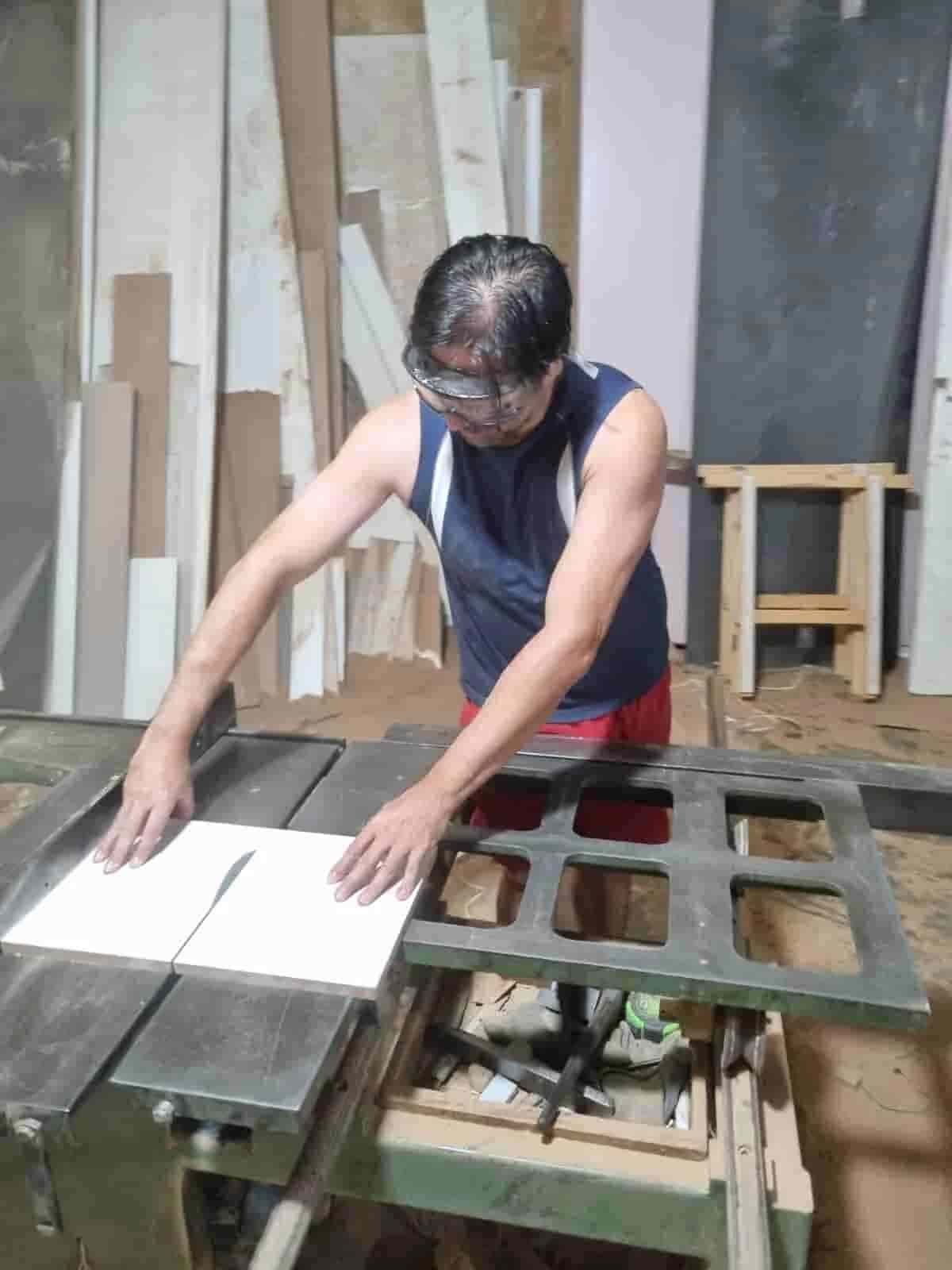

Real World Experience. Engineering Precision.
At SkyTC, technology is never just theoretical—it is driven by practical execution, structural integrity, and strict diagnostic standards. Founded by Valtersky, a tech speaker and seasoned professional, every single guide published here is backed by an authentic multidisciplinary background that bridges the gap between hardware structures and advanced software ecosystems.
Generational Craftsmanship
With 25 years of professional woodworking experience inherited through generations, he masterfully handles smart home mounting, wire routing, and physical hardware adjustments.
Medical Diagnostic Standards
An active career as a licensed X-ray technologist and dental prosthetics practitioner injects rigorous clinical precision, micro-detailed testing, and data integrity into tech evaluations.
Endurance Field Testing
As a competitive mountain ultramarathon runner, he takes every consumer wearable, smart sensor, and GPS watch out into extreme raw environments to test real-world durability boundaries.
Read also: Adjust Frozen Wood Frame Misaligning Smart Latch: The Master Craftsman Field Protocol
RAW MITOCHONDRIAL WARNING: Continuous exposure to unshielded high-frequency wireless telemetry positioned directly against sleeping quarters degrades autonomic biomarker recovery, spikes cellular cortisol stress, and compromises deep-phase neuromuscular regeneration across active home environments.