

You drop your feet out of bed in the morning, and the second your heels touch the floor, your lower legs feel like petrified beef jerky. Your Achilles tendons are screaming, your soleus muscles feel like twisted steel cables, and walking down the stairs feels like a high-stakes structural gamble. If you have been grinding your gastrocs on a rock-hard cylinder of blue plastic every night, trying to figure out how to clear calf tightness without foam rollers is the turning point where you stop bruising your flesh and start solving the real mechanical fault.
Most runners and hard-charging athletes treat calf tightness like an isolated biological malfunction that just needs to be beaten into submission. In my five years working as a clinical X-ray technician and two years running computed tomography (CT) scanners, I examined hundreds of lower limbs wrecked by chronic tissue tension. What the scans reveal is almost never a muscle that is physically “too short.” Instead, we see locked talocrural ankle joints, ischemic fascia choked of capillary micro-circulation, and deep stress remodeling along the posterior tibial cortex that runners ignorantly tried to roll away.
Add six years of absorbing heavy low kicks in competitive kickboxing rings and running punishing 42km+ mountain ultramarathons across brutal scree fields, and I can tell you from bloody experience: foam rolling tight calves is pure theater. You are crushing living, vascular tissue against rigid bone, triggering an immediate sympathetic stretch reflex that forces the muscle to contract even harder twenty minutes later. Unlocking your lower leg mechanics saves your Achilles from catastrophic degeneration, keeps thousands in your bank account by skipping useless therapies, and restores genuine spring elasticity to your stride.
Bio-Available Fuel: The Core Cellular Summary
Here is your tech support counter diagnostic: throwing bodyweight onto a foam roller to fix tight calves is like smashing a glitching motherboard with a rubber mallet. Your calves are locked because your nervous system perceives instability at the ankle joint or a lack of structural load capacity in the deep soleus. The muscle belly is clamping down as a protective biological brake to prevent your Achilles tendon from tearing off the calcaneus under dynamic tension.
The tactical cheat code to clear this chronic tension consists of three non-negotiable field mechanics: First, perform banded talocrural joint distractions to glide the talus bone backward and eliminate anterior ankle impingement. Second, execute heavy, slow eccentric heel drops off a deficit to force mechanical remodeling of the collagen matrix and reset neurological resting tone. Third, nourish the tendon-muscle junction at the cellular level with dense, bio-available amino acids and saturated fats from clean red meat. Saturated fatty acids and dietary cholesterol stabilize cellular membranes, while high-density glycine, proline, and hydroxyproline rebuild frayed fascia. Ditch the foam roller, unjam the joint, load the tissue eccentrically, and feed the structural matrix.
| Protocol / Modality | Tissue Target & Mechanism | Neuromuscular Reset Speed | Durability of Tissue Remodeling | Structural Hardware / Cost Tier |
|---|---|---|---|---|
| Heavy Slow Eccentric Deficit Drops | Myotendinous Junction & Sarcomeres | Gradual (14 to 21 Days) | Permanent Structural Remodeling | Zero Hardware Cost Investment |
| Banded Talocrural Joint Distraction | Talus Bone & Deep Joint Capsule | Immediate (Under 2 Minutes) | High (When Paired With Movement) | Budget-Friendly Accessory Tier |
| Sciatic & Tibial Nerve Flossing | Neural Meninges & Epineurium | Rapid (Under 5 Minutes) | Moderate (Requires Motor Control) | Zero Hardware Cost Investment |
| Percussive Massage Guns (High-Tier) | Superficial Mechanoreceptor Gating | Fast (Transient Relief) | Low (Reverts in 2 to 4 Hours) | Premium Tier Investment |
| High-Density Foam Rolling (Flawed Baseline) | Superficial Fascia Compression | Very Fast (Micro-Ischemia) | Negligible (Triggers Protective Spasm) | Bargain-Bin Accessory Tier |
The Bare-Metal Trial: Pros, Cons, and Real-World Wear
Every biohacking tool and field protocol comes with brutal real-world trade-offs. If a gadget salesman tells you their recovery toy has no downside, they are lying through their teeth. You have to look at the mechanical wear, practical friction, and physical toll before integrating any setup into your daily routine.
Heavy-Duty Mobility Bands for Joint Mobilization: The Good: Thick elastomeric resistance bands allow you to produce true lateral and posterior shear forces directly on the talus bone, instantly restoring lost ankle dorsiflexion without relying on an expensive physical therapist. The Bad: If you loop a cheap, low-grade band around an unstable anchor point, it will slip under high tension and whip you across the shins, and setting up the anchor angles on outdoor mountain trails requires tedious improvisation.
High-End Slant Boards and Deficit Wedges: The Good: High-traction slant boards lock your foot at a measurable, reproducible angle, forcing pristine soleus and gastrocnemius loading through a true deficit without your arches collapsing inward. The Bad: Premium commercial units are heavy, bulky pieces of wood or steel that monopolize floor space in a home gym, while bargain-bin folding models have slick grip tape that peels off the moment trail mud and sweat hit the deck.
Percussion Massage Guns: The Good: They stimulate deep sensory Pacinian corpuscles, providing rapid neurological pain inhibition and temporary fluid clearance when you need to loosen up before an alpine trail session. The Bad: The motor housings on budget-friendly units overheat within ten minutes, the cheap lithium battery packs degrade after a few months of heavy vibrations, and if you accidentally hammer the percussive head directly into your Achilles tendon, you risk acute peritendinitis.
The Biomarker Reality: True Stamina Under Pressure
Fitness gear brands love showcasing pristine athletes using portable massage devices and recovery sleeves on spotless studio gym floors. High-end pneumatic compression boots and smart vibration gadgets promise clinical-grade lymphatic flushing and instant tissue restoration. However, take those same recovery gadgets into the back of a mud-splattered trail rig after a 42km+ mountain ultra in the freezing rain, and the battery life plunges in the cold, zipper tracks jam with grit, and flimsy charging cables snap under rugged field conditions.
The biological failure running underneath the surface is even more unforgiving. When you run on chronically locked calves, your body pays a steep metabolic price. Every single ground impact with restricted ankle dorsiflexion forces your knee and lower back to absorb destructive braking forces, spiking your systemic biomarkers. Localized muscle hypoxia drives up serum creatine kinase, while persistent micro-inflammation triggers elevated high-sensitivity C-reactive protein (hs-CRP) levels.
This perpetual state of inflammatory friction drains your cellular batteries. Your mitochondria cannot efficiently produce adenosine triphosphate (ATP) when muscle fibers remain locked in a sustained, unrelaxed contraction state, consuming intracellular magnesium and glycogen just to hold baseline tone. You end up with dead legs and diminished stamina before you even hit your target heart rate zones.
To repair this micro-damaged collagen matrix, you must bypass factory-processed vegan protein powders and artificial recovery shakes packed with synthetic dyes. Structural tissue restoration demands clean red meat, rich in natural fats, bio-available iron, zinc, and collagenous connective tissue. Ruminant meat provides the precise amino acid profile required to synthesize Type I and Type III collagen fibers, while natural animal fats deliver the fat-soluble vitamins and cellular building blocks needed to keep your fascial sheaths gliding smoothly instead of sticking like industrial glue.
Hypothetical Failure Scenario: The Aggressive Roller Trap
Take the case of Mark, a 41-year-old corporate executive and dedicated marathon runner. Mark woke up each morning with rock-hard calves and aching Achilles tendons. Convinced that his muscles were simply “tight,” Mark bought an ultra-dense, knobby foam roller made of rigid plastic and spent twenty minutes every night savagely rolling up and down his lower legs with his full bodyweight.
Instead of fixing the problem, Mark was compressing his posterior tibial nerve against the tibia and grinding inflamed fascial sheaths against the bone. The aggressive mechanical trauma caused micro-contusions and damaged the delicate lymphatic vessels in his calves. His nervous system interpreted this localized assault as severe tissue damage, firing a continuous stream of motor unit action potentials to lock the calf muscles into a permanent protective spasm.
Within six weeks, Mark developed severe numbness in the soles of his feet from tibial nerve entrapment, accompanied by sharp insertional Achilles tendinopathy. He spent high-tier resources on sports doctors, MRI scans, and custom shoe orthotics, completely unaware that his daily foam-rolling ritual was the primary mechanical stressor keeping his lower legs locked in a chronic trauma loop.
How to Clear Calf Tightness Without Foam Rollers Using Field Mechanics
True lower leg freedom comes down to structural alignment and nervous system re-education. The calf complex is not just the superficial gastrocnemius you see in the mirror; it is dominated by the deep, powerful soleus, which crosses only the ankle joint and bears up to eight times your body weight during running. The soleus contains a massive concentration of slow-twitch, fatigue-resistant muscle fibers embedded in thick fascial envelopes.
When your ankle joint loses its ability to dorsiflex—often due to stiff joint capsules from sitting in shoes with elevated heels—the soleus and gastrocnemius are forced to work through an artificially shortened range of motion. The nervous system resets their resting length to this restricted zone. To reverse this, you must apply mechanical traction to clear the joint block, followed immediately by loaded eccentric muscle contractions. Eccentric loading under load signals the muscle fibers to add sarcomeres in series, physically lengthening the tissue while teaching your brain that the newly acquired range of motion is completely safe to inhabit under heavy stress.
Keep exploring
If you found this useful and want to go a little deeper, these related guides explore the same ideas from different angles.
Field-Tested Tactical Guides
Explore practical guides for performance, recovery, metabolism, stress regulation and deeper sleep.
The Cut Line: Bare-Metal Execution Checklist
- Master how to clear calf tightness without foam rollers.
Expert Tip: Stop compressing delicate neurovascular structures and shift your focus to restoring joint kinematics and tendon stiffness. - Unjam your talocrural ankle joint with banded distractions.
Expert Tip: Anchor a thick resistance band low behind you, place it directly over the talus bone below the malleoli, and lunge forward twenty times to force posterior glide. - Perform heavy slow eccentric deficit drops three times weekly.
Expert Tip: Stand on a ledge, rise up on two feet, shift entirely to one leg, and take a full five seconds to lower your heel into a deep stretch under control. - Floss the tibial nerve to clear neural tension.
Expert Tip: Sit on a high bench, slouch your spine, and alternate between extending your knee while pointing your toes up, then flexing your neck down to glide the nerve smoothly. - Target the deep soleus with bent-knee wall stretches.
Expert Tip: Keep your back knee significantly bent while driving your knee straight over your middle toe to isolate the soleus away from the gastrocnemius. - Rehydrate your fascia with clean red meat and broth.
Expert Tip: Consume slow-cooked cuts of beef shank or oxtail; the high concentrations of natural gelatin and animal fat directly fuel collagen remodeling in stressed lower legs. - Ditch elevated-heel casual shoes during the working day.
Expert Tip: Wearing shoes with a steep heel-to-toe drop holds your calves in chronic passive shortening, silently sabotaging all your mobility progress. - Release the plantar fascia using a firm rubber lacrosse ball.
Expert Tip: Roll the dense connective tissue on the sole of your foot with moderate pressure for sixty seconds to release the bottom anchor of the superficial back line. - Execute loaded isometric calf holds to downregulate tendon pain.
Expert Tip: Hold a heavy single-leg mid-range calf raise statically for forty-five seconds; this delivers an immediate analgesic effect to an irritable Achilles tendon. - Hydrate with raw unrefined salt and structural electrolytes.
Expert Tip: Intracellular potassium and sodium balance is required for actin-myosin cross-bridge release; drinking plain tap water without minerals worsens muscle cramping. - Track active ankle dorsiflexion using the knee-to-wall test.
Expert Tip: Measure the distance between your big toe and the wall while keeping your heel planted; aim for a minimum of four inches of clean, pinch-free clearance.
Mitochondrial Breakdown: Straight Answers to Biohacking Queries
Why does foam rolling my calves feel good if it does not work?
Foam rolling stimulates superficial sensory nerves, flooding your spinal cord with low-threshold tactile input that temporarily blocks pain signals via the Gate Control Theory. It gives you a brief, ten-minute neurochemical high while doing absolutely nothing to change the physical length, collagen cross-linking, or structural capacity of the muscle.
Can chronic calf tightness cause plantar fasciitis?
Yes, directly. The gastrocnemius and soleus merge into the Achilles tendon, which wraps continuously around the calcaneus bone and blends straight into the plantar fascia. When the calf is locked, every step exerts violent, unyielding traction on the bottom of your heel bone.
How heavy should my eccentric heel drops be?
Start with your own bodyweight on a single leg. Once you can execute three sets of fifteen pristine repetitions without losing balance, grab a kettlebell or wear a weighted vest costing high-tier resources to force true mechanical remodeling of the tendon and muscle fibers.
Are expensive commercial percussion guns necessary for tight calves?
No. They are convenient luxury toys for temporary blood flow and sensory distraction, but they will never replace loaded eccentric strength training and joint mobilization. Save your financial resources for clean food and reliable field footwear.
Why does eating clean red meat help tight lower leg muscles?
Because connective tissue is not made of synthetic plant powders; it is built from collagen proteins, carnitine, creatine, and cellular lipids. Clean red meat and its natural fats provide dense, bio-available building blocks that allow damaged fascial planes and micro-torn muscle fibers to heal with elastic integrity instead of stiff scar tissue.
How do I know if my calf tightness is actually a locked ankle joint?
Perform a basic knee-to-wall test. If you hit a hard, pinching stop at the front of your ankle before your calf even feels a stretch, your talus bone is jammed in anterior subluxation. No amount of muscle stretching will ever fix a jammed bony joint.
Can dehydration alone cause chronic lower leg tightness?
Yes. Fascia is primarily water, proteoglycans, and collagen. If your cells are chronically dehydrated from drinking demineralized water and consuming industrial seed oils, the sliding layers of your deep fascial envelopes glue together, creating massive mechanical friction during movement.
How quickly can I expect real results from this protocol?
Banded joint distractions restore immediate range of motion in less than five minutes. Permanent structural remodeling of the calf muscle fibers and Achilles tendon via eccentric loading requires four to six weeks of disciplined, heavy execution.
Why Trust SkyTC Biohacking Curation?
At SkyTC, we treat the human body as your most valuable technology. We are not just a recommendation site; we apply a rigorous clinical and practical screening process to ensure that each recommendation optimizes your biology with safety and real-world results.
✓ Technical Expertise:
Clinical experience in Radiology and Tomography (CT scans). We analyze methods through the lens of bone health and structural integrity.
✓ Specialization:
Focus on real-world biohacking. We test every wearable and supplement at the absolute limit of effort during marathons and on the mats.
✓ Authority:
Curation based on absolute transparency, always highlighting both the positive advantages and the real drawbacks of every technology.
✓ Trust:
A curation process built directly on the professional experience of a field practitioner, speaker, and high-performance leader coach.
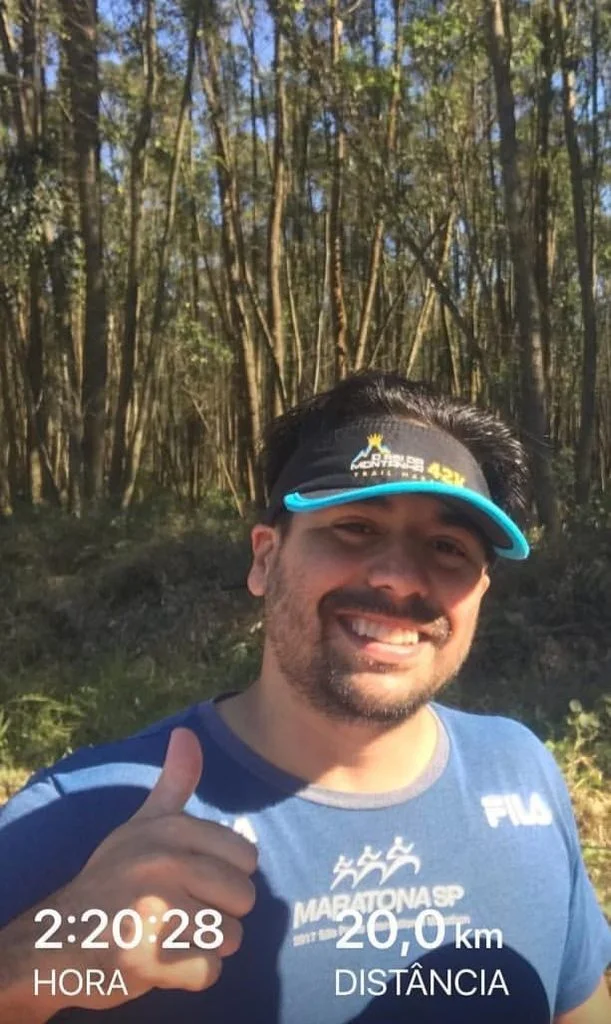

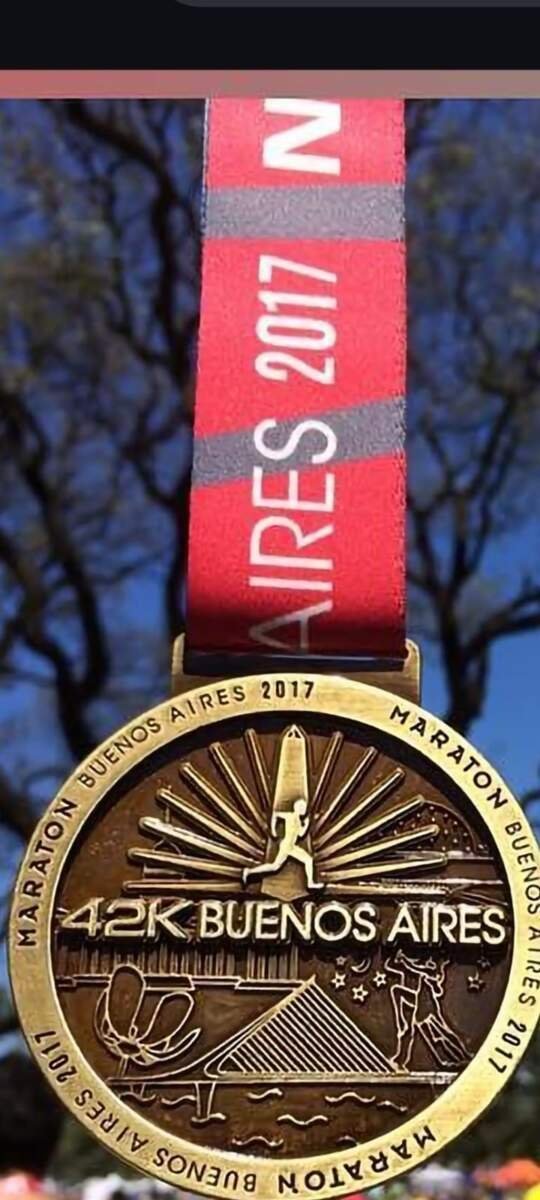
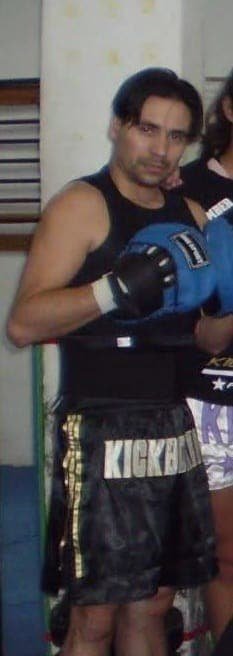
Optimizing the body demands the clinical precision of someone who operated in Radiology (Brazilian Board Certified, CRTR-SP 23595T) for years, combined with the unyielding resilience of someone who conquered multiple 42km+ mountain marathons. As an active professional, multi-pet handler, and tech benchmark researcher, at SkyTC, we bridge advanced technical science with extreme practical environments to help you biohack your active performance, optimize smart pet-tech ecosystems, and protect your structural longevity
Discover my full professional trajectory →Read also: Best Massage Gun Settings for Runner Quad Recovery: Field Calibration Guide
RAW MITOCHONDRIAL WARNING: Running high-velocity percussive devices at maximum frequencies directly over inflamed, ischemic calf tissue triggers massive localized cellular stress, collapses delicate micro-capillary networks, and wrecks your parasympathetic recovery score before deep sleep cycles even begin.