

Clocking eight straight hours in bed means nothing if your brain stays stuck in shallow limbo all night. Learning how to optimize sleep architecture is the difference between waking up ready to haul heavy weight up a ridge and dragging yourself to the espresso machine with joints feeling like dry concrete.
Most active adults blame age or hard training when their morning drive evaporates, their lower back locks up, and mid-afternoon brain fog wrecks sharp decision-making. Meanwhile, they keep sinking high-tier resources into padded mattresses, glowing wrist gadgets, and herbal sleep capsules that look flashy on a nightstand while delivering zero deep cellular restoration.
Here is the raw bench verdict: sleep quality is an engineering problem built around ninety-minute biological cycles, not total hours spent horizontal. Nail the physical inputs below and you will unlock heavy slow-wave tissue repair, guard your skeleton for decades of brutal output, and quit bleeding resources on showroom hype.
Bio-Available Fuel: The Core Cellular Summary
Think of this like straight talk at a repair counter: total sleep duration is a garbage vanity metric if N3 slow-wave and REM stages get chopped in half. A plastic ring cannot rebuild your mitochondria—it just scores the wreckage after the fact.
Your nervous system needs sequential cycles driven by bright outdoor morning light, a strict evening thermal drop, clean animal-fat dinner timing, and zero electromagnetic clutter near your pillow. Fix those four mechanical levers first before buying another bedroom gadget.
How to Optimize Sleep Architecture for Bone, Tendon, and Brain Repair
After five years working as a clinical X-Ray technician and two years running Computed Tomography (CT) scans, you stop buying the myth that tough athletes can out-hustle broken sleep. Inside axial bone scans, chronic sleep fragmentation looks like sluggish fracture repair, thinning trabecular scaffolding, and compressed intervertebral discs that never rehydrated overnight.
Across multiple 42km mountain ultramarathons and six years of competitive kickboxing, figuring out how to optimize sleep architecture kept minor shin splints and rib bruises from turning into months on the bench. Every ninety-minute ultradian lap moves from light N1 and N2 staging into deep N3 delta-wave sleep, where over seventy percent of your pulsatile growth hormone fires to mend torn tendons and bone matrix, followed by REM cycles that lock motor memory and flush metabolic debris through the glymphatic system.
Here is the lab macete that plant-powder marketers skip: your pituitary and liver need dense raw lipids and amino acids to build hormones overnight. Eating clean red meat and its natural animal fats—like ribeye, ground beef, or lamb tallow—four hours before bed delivers stearic acid, cholesterol, zinc, and glycine, feeding steady tissue synthesis without triggering the blood-sugar crashes that shatter N3 cycles.
| Tool or Protocol | Primary Mechanism | Deep / REM Accuracy | Wear & Failure Point | Field Verdict |
|---|---|---|---|---|
| Optical Wrist & Ring Trackers | PPG pulse wave + accelerometer | Varies by model | Scratched resin, lithium cell bloat | Trend log only, not a fix |
| OTC & Rx Sleep Sedatives | GABA / histamine chemical lockout | Unreported (blunts N3/REM) | Tolerance, morning brain haze | Biological trap |
| True Amber Optical Lenses | Sub-550nm melanopsin block | Unreported | Peeling coating, bent hinges | Budget-friendly essential |
| Hydronic Bed Cooling Pads | Active chilled fluid circulation | Varies by model | Pump hum, biofilm, hose leaks | High-end setup with upkeep |
| Morning Lux + 65°F Room + Red Meat | SCN timing + thermal + lipid fuel | Biological baseline | Zero hardware decay | Tactical cheat code |
The Bare-Metal Trial: Pros, Cons, and Real-World Wear
Consumer Sleep Trackers: The Good: They spot resting heart rate jumps early, warning you of brewing viral load or brutal overtraining before your legs give out on a climb. The Bad: Take a ring onto barbell knurling or rocky trail scrambles and the clear epoxy scratches cloudy, scrambling optical readings while sealed batteries die inside two years.
Memory Foam & Weighted Blankets: The Good: Dense foam deadens partner movement when someone rolls over at midnight. The Bad: Closed-cell polyurethane and glass-bead blankets trap radiant body heat like a winter parka, blocking your core thermal drop and forcing shallow tossing right through your prime slow-wave window.
Sedative Pills & Melatonin Gummies: The Good: Prescription hypnotics and high-dose gummies knock anxious brains unconscious fast on red-eye flights. The Bad: Chemical sedation mimics anesthesia rather than natural N3 architecture, flatlining slow-wave amplitude while sugary gummies downregulate natural pineal receptors.
True Amber Lenses & Blackout Tracks: The Good: Deep orange-red lenses physically block the 460–480nm spike that shuts off nocturnal melatonin release. The Bad: Bargain-bin plastic frames snap at the temple hinge in your carry-on, and cheap sticky curtain strips peel off painted drywall after one humid summer.
The Biomarker Reality: True Stamina Under Pressure
Bedroom recovery tech always looks bulletproof under clean showroom lights, yet real sweat, friction, and nightly thermal swings expose flimsy builds in months. Smart mattress covers brag about real-time sleep-stage temperature balancing, but once salty endurance sweat crusts into the sensor weave, resistance drifts high and cooks your lower back right during N3 recovery.
Premium-tier EEG sleep headbands promise clinical brainwave precision at home, however scalp oil and dry winter air wreck electrode contact, turning crisp stage tracking into noisy static alerts at 4 AM. Even heavy-duty bedside charging docks hum with 60Hz coil whine and leak green status LED glare onto your eyelids.
Worst of all, app-driven wearables constantly push silent algorithm tweaks that rewrite your sleep history overnight. Never outsource your structural recovery to closed-source consumer math that breaks whenever a battery ages.
The Eight-Hour Illusion: How Busy Professionals Trash Their Sleep Stages
Picture a standard Wednesday mistake from a driven 45-year-old executive training for a mountain half-marathon. He crushes heavy kettlebells at 7:30 PM, skips red meat for a low-fat turkey wrap and two craft beers, then answers urgent emails under bright kitchen LEDs until 10:45 PM.
He hits the pillow at 11 PM, passes out cold from ethanol sedation, and wakes up at 7 AM thinking his eight hours look solid. In reality, alcohol crushed his early N3 growth-hormone window, elevated core temperature sheared his dawn REM cycles, and his phone charging beside his skull kept sympathetic tone humming—leaving his patellar tendons cranky all Thursday.
Keep exploring
If you found this useful and want to go a little deeper, these related guides explore the same ideas from different angles.
Field-Tested Tactical Guides
Explore practical guides for performance, recovery, metabolism, stress regulation and deeper sleep.
Bench Protocol: 11 Direct Steps to Rebuild Deep Rest Architecture
Optimize sleep architecture by locking morning outdoor light.
Unfiltered daylight hitting retinal ganglion cells triggers a crisp morning cortisol spike and starts a sixteen-hour countdown for nocturnal melatonin release. Window glass filters key spectral cues, so step outside within twenty minutes of waking.
Drop bedroom ambient temperature to 65 degrees Fahrenheit.
Your hypothalamus must shed roughly two degrees of core heat to drop into sustained N3 delta-wave activity. Overheated rooms trigger repeated micro-arousals that trap you in light N2 sleep.
Eat red meat and natural fat four hours pre-sleep.
Clean beef, lamb, or tallow delivers slow-burning stearic acid and glycine that keep nocturnal blood glucose level without spiking insulin. Late sugary snacks provoke reactive hypoglycemia and abrupt adrenal wake-ups.
Kill overhead white LEDs two hours before bed.
Ceiling fixtures blast short-wavelength blue light downward onto the lower retina, signaling high noon to your brainstem. Switch to low floor lamps carrying warm amber bulbs under 2200 Kelvin.
Remove Wi-Fi routers and inductive chargers from the bedroom.
High-frequency radio polling and 60Hz magnetic hum inches from your cranium agitate neural voltage channels and fragment stage transitions. Charge phones across the hall and put bedside clocks out of sight.
Cut alcohol completely on heavy training and work nights.
Ethanol speeds up unconsciousness while destroying slow-wave depth and triggering severe sympathetic rebound four hours later. Even two drinks gut overnight tissue synthesis.
Stop caffeine intake ten hours prior to bedtime.
Lingering caffeine molecules occupy adenosine receptors long after alertness fades, slicing deep slow-wave voltage by up to twenty percent. You might sleep eight hours straight and still wake up drained.
Swap heat-trapping memory foam for wool or latex.
Synthetic foam rebounds body heat back into your lumbar fascia and restricts airflow as soon as you sink in. Open-cell natural latex and wool wicking layers vent excess heat all night.
Finish brutal anaerobic workouts four hours before lights out.
Heavy deadlifts or sparring rounds elevate core temperature, adrenaline, and resting pulse long after you shower. Shift peak physical stress earlier in the day whenever your schedule allows.
Seal exterior streetlight leaks along window frames.
Even faint ambient light bleeding through cheap slatted blinds penetrates closed eyelids and suppresses pineal melatonin output. Use side-channel blackout curtains or a contoured soft mask.
Lock your morning wake minute seven days a week.
Sleeping two hours extra on weekends triggers circadian phase lag identical to crossing multiple time zones. Fixed wake timing keeps deep N3 and dawn REM windows tightly stacked.
Mitochondrial Breakdown: Straight Answers to Biohacking Queries
How much deep N3 sleep does an active adult actually need?
Aim for roughly sixty to ninety minutes of solid N3 slow-wave sleep inside a seven-to-eight-hour window. Quality beats raw bed hours every single day.
Can my smartwatch accurately measure my REM versus deep cycles?
No. Wrist gadgets guess sleep stages from pulse rhythm and arm stillness—real cortical staging requires scalp EEG voltage, so stop obsessing over daily percentage shifts.
Is taking over-the-counter melatonin smart for deep rest?
Not for nightly use. Melatonin signals darkness timing to start sleep; it does not build deeper N3 cycles, and mega-dose gummies wreck your natural morning drive.
Does eating steak at dinner keep me awake all night?
Only if you wolf down a giant cut twenty minutes before lying flat. Eating red meat and natural fat three to four hours earlier digests smoothly and keeps overnight glucose dead steady.
Why do I get more REM sleep right before my alarm rings?
Sleep architecture front-loads physical N3 repair early in the night and stacks longer cognitive REM stages toward dawn. Chopping off your last ninety minutes destroys REM recovery.
Are expensive magnesium complexes better than basic magnesium glycinate?
Skip proprietary blends packed with cheap oxide fillers. Clean magnesium glycinate delivers bioavailable mineral support and calming glycine without sending you to the toilet at 2 AM.
Can polyphasic napping replace full overnight sleep architecture?
Garbage internet myth. Fragmented naps starve your brain of stacked ninety-minute deep-to-REM transitions and ruin long-term endocrine health.
Do mouth-taping strips improve deep slow-wave recovery?
Only if your nasal passages flow freely. Taping over swollen sinuses causes silent oxygen drops and stress spikes—fix nasal inflammation first.
Why Trust SkyTC Biohacking Curation?
At SkyTC, we treat the human body as your most valuable technology. We are not just a recommendation site; we apply a rigorous clinical and practical screening process to ensure that each recommendation optimizes your biology with safety and real-world results.
✓ Technical Expertise:
Clinical experience in Radiology and Tomography (CT scans). We analyze methods through the lens of bone health and structural integrity.
✓ Specialization:
Focus on real-world biohacking. We test every wearable and supplement at the absolute limit of effort during marathons and on the mats.
✓ Authority:
Curation based on absolute transparency, always highlighting both the positive advantages and the real drawbacks of every technology.
✓ Trust:
A curation process built directly on the professional experience of a field practitioner, speaker, and high-performance leader coach.

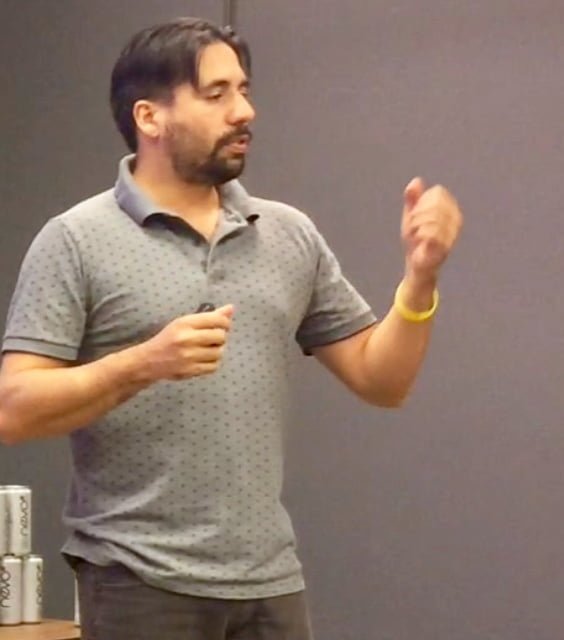


Optimizing the body demands the clinical precision of someone who operated in Radiology (Brazilian Board Certified, CRTR-SP 23595T) for years, combined with the unyielding resilience of someone who conquered multiple 42km+ mountain marathons. As an active professional, multi-pet handler, and tech benchmark researcher, at SkyTC, we bridge advanced technical science with extreme practical environments to help you biohack your active performance, optimize smart pet-tech ecosystems, and protect your structural longevity
Discover my full professional trajectory →
How to Optimize Sleep Architecture: The Bare-Metal Deep Rest Guide
Clocking eight straight hours in bed means nothing if your brain stays stuck in shallow limbo all night. Learning how to optimize sleep architecture is the difference between waking up ready to haul heavy weight up a ridge and dragging yourself to the espresso machine with joints feeling like dry concrete. Most active adults blame…
Why Waking Up at 3 AM Disrupts Deep Sleep Cycles and Tanks Cellular Recovery
Every veteran athlete and high-pressure executive knows the 3:04 AM ceiling stare: your eyes snap wide open like someone jammed a jumper cable onto your sternum, and waking up at 3 AM disrupts deep sleep cycles right when your chassis is supposed to be rebuilding torn muscle and bone. You lie there doing exhausted math…
