

You unbox a slick new LED bar, squint at a microscopic manual translated through three different languages, and suddenly you are staring down a cheap, three-button inline remote that makes defusing a bomb look simple. You want a sweet, natural sunrise-to-sunset glow for your wet pets, but instead, you are one bad click away from turning your glass box into a neon radioactive soup. We have all been there, standing in front of the tank with wet sleeves, cussing out a blinking digital display that refuses to keep time.
Learning how to program 24 hour aquarium light units shouldn’t feel like hacking a flight computer. When you get this timing dialed in, you eliminate the soul-crushing chore of scraping thick green fuzz off your front glass every Saturday morning. You save your water chemistry from massive swings, cut your maintenance time down to a brisk twenty minutes, and keep your hard-earned livestock stress-free and vibrant for years to come.
The Water Parameter: The Nitrate Cycle
Here is your tech-support counter talk: light is direct fuel, and algae is an opportunist waiting for your filtration to slip. When you let an uncalibrated 24-hour light rip at full blast, you are not just illuminating your tank; you are dumping metabolic rocket fuel into an aquatic bio-engine. Excess photoperiods drive algae blooms that feast on dissolved nitrates, masking the biological load until your filter pads plug solid.
Once that runaway algae dies off in the dark, it rots. That organic sludge triggers an immediate ammonia spike, swamping your nitrifying bacteria and choking dissolved oxygen levels down to zero while your fish gasp at the surface. The final verdict? Lock down a strict eight-hour active photosynthetic window, cap your peak intensities at seventy percent, and drop the midnight blue light entirely. Zero excuses, zero fluff.
| Hardware Setup | Ramp Accuracy | Diode Thermal Load | Bioload Impact | Field Failure Mode |
|---|---|---|---|---|
| Factory 24/7 Presets | Locked / Non-adjustable | Sustained High | Severe Algae Spikes | Internal Timer Drift |
| Inline Digital Timers | Manual 15-min Steps | Moderate | Predictable Control | Capacitor Memory Loss |
| App-Driven Bluetooth | Precision Minute Curves | Variable Managed | Optimal Stability | Firmware Desync |
| Mechanical Wall Sockets | Hard On/Off Only | Spike at Max | Shock Induced Stress | Mechanical Pin Wear |
How to Program 24 Hour Aquarium Light Fixtures the Right Way
Most commercial lights ship with a built-in “24/7 mode” that is pure marketing poison. Out of the box, these factory schedules run a slow orange dawn, slam the tank with brutal daylight white for twelve straight hours, and then roll into a deep blue moonlight that stays lit all night. If you run this stock schedule on a standard freshwater tank, you are actively manufacturing an ecological disaster.
To program this successfully, you must override the presets and map out distinct, manageable photoperiod phases. Break your daily twenty-four-hour timeline into four distinct operational blocks: a thirty-minute ramp-up (dawn), a six-to-eight-hour main daylight plateau, a thirty-minute ramp-down (dusk), and a hard blackout for the remaining fourteen hours. Darkness is not optional; it is a biological requirement for both livestock cellular repair and the stability of your nitrifying bacteria.
The Bare-Metal Trial: Pros, Cons, and Real-World Wear
Let us lay down the raw truth about modern programmatic aquarium lighting. The Good: modern automated spectrums mimic natural limnological environments flawlessly, preventing cortisol spikes in sensitive fish and giving high-demand live plants the exact nanometer spikes they need to export nitrates. The Bad: running programmatic fixtures introduces a brutal single point of failure where a single dropped Wi-Fi packet or a scorched capacitor resets your lights to blazing white while you are away on vacation, cooking your tank into an emerald slime pit.
Bargain-bin accessories and low-grade components cut corners on the onboard crystal oscillators. That means your internal clock drifts by three minutes every week. In six months, your sunrise schedule is firing at three in the morning, waking up your fish, triggering erratic territorial fights, and throwing their digestive systems into chaos while you sleep soundly in the next room.
The Wet-Bench Trial: Real Pump and Media Degradation
Premium tier investment lights offer incredible spectral rendering through dense SMD LED arrays. But when you couple intense, poorly programmed photoperiods with real-world wet-bench filtration, the mechanical side of the ecosystem takes a catastrophic beating. The hard reality is that runaway illumination drives microscopic green dust algae directly into your filter intake strainers.
That micro-algae coats porous biological ceramic media in an impermeable, slimy bio-film. This film chokes off the microscopic pore structure, starving your beneficial Nitrosomonas and Nitrospira colonies of oxygenated water flow. As the filter sponges choke, the head pressure on your dynamic water pump surges violently, causing magnetic shaft friction shearing and chewing through delicate ceramic impeller shafts within months.
The heat generated by overdriven LED drivers running unthrottled twenty-four-hour cycles also degrades the structural integrity of your tank rim. Cheap plastic casings flex and warp under constant diode thermal load, breaking the splash-proof silicon seal and exposing raw circuit traces to corrosive ambient humidity. Water vapor enters, bridges the solder pads, and turns a high-end fixture into an inert slab of burnt aluminum.
Hypothetical Failure Scenario: The Blue Moon Trap (Click to Expand)
Consider an intermediate hobbyist who sets up a 24-hour cycle and leaves the deep blue actinic moonlight mode running at thirty percent from 10:00 PM to 6:00 AM because it looks stunning in the living room. Within three weeks, stubborn cyanobacteria blankets the gravel bed.
Because blue light penetrates aquatic depths with exceptional efficiency, it provides endless energy to primitive photosynthetic organisms while the fish are kept awake in a perpetual state of neurological stress. The goldfish stop grazing naturally, metabolic waste accumulates in dead zones, and the canister filter’s flow drops by forty percent due to sheer slime clogging the primary mechanical pads.
Smarter Guides for a Healthier Aquarium
Practical aquarium guides for cleaner water, healthier fish, better filtration, and long-term tank stability.
Eliminate Aquarium Algae Naturally
A practical field guide to controlling aquarium algae naturally while building a healthier and more balanced aquatic environment.
Master Aquarium Water Chemistry and Bio
Learn how to manage water chemistry, biological filtration, and heavy bioload conditions for a more stable aquarium.
Care for Fancy Goldfish in Large Tanks
A detailed guide to creating the right environment, care routine, and tank conditions for fancy goldfish.
Ultimate Guide to Goldfish Tank Filtration
Understand filtration options, flow, media, and maintenance strategies for keeping goldfish tanks clean and stable.
Maintain a 100 Gallon Goldfish Tank
A practical maintenance system for managing a large goldfish aquarium, including cleaning, water changes, and routine care.
Feed Goldfish for Maximum Lifespan
Learn how feeding frequency, food quality, portions, and routine can support healthier and longer-lived goldfish.
The Filter Cycle: Parametric Water Management Checklist
Program your 24 hour aquarium light baseline schedule accurately.
Expert Tip: Set your daylight ramp peak to last no longer than seven hours to prevent opportunistic diatoms from outcompeting beneficial biological media colonization.
Throttle blue light spectrum channels down to absolute zero overnight.
Expert Tip: Blue light wavelengths at night prevent deep fish torpor, spiking cortisol and crashing aquatic immune defenses against protozoan outbreaks.
Synchronize light ramp timers precisely with your supplemental aeration.
Expert Tip: Heavily planted setups deplete dissolved oxygen during the dark cycle, meaning air stones must kick on the second your dusk timer drops to black.
Scrub intake strainers weekly to clear light-driven bio-film accumulation.
Expert Tip: Neglected intake tubes choke canister suction, creating internal cavitation that can permanently pit and crack your magnetic impeller assemblies.
Mount automated light fixtures at least four inches above glass lids.
Expert Tip: Proper air gaps disperse passive heat sinks efficiently, preventing premature diode decay and halting localized thermal hot spots in your surface water.
Test total dissolved solids and nitrate levels before adjusting output.
Expert Tip: Boosting light intensity without first lowering ambient nitrates past twenty parts per million acts as a direct catalyst for explosive brush algae blooms.
Calibrate internal digital controller clocks every thirty days manually.
Expert Tip: Budget-friendly options feature cheap internal crystal timers that steadily drift out of phase, turning dawn settings into midnight blastings over time.
Shield biological filtration chambers completely from stray LED spillage.
Expert Tip: Direct light striking transparent filter sumps encourages string algae growth directly across biological media beds, suffocating delicate bacterial films.
Deploy an uninterruptible power supply on your main programmatic controllers.
Expert Tip: A momentary wall-power flicker can wipe unsecured onboard volatile memory, reverting high-end lights back to their brutal, high-intensity default modes.
Clean secondary splash guards using soft microfiber and white vinegar.
Expert Tip: Evaporated mineral crust scatters PAR output unpredictably, cooking your diodes from reflected heat while starving target substrate areas below.
Step down diode intensities whenever treating tanks with chemical therapeutics.
Expert Tip: Intense programmatic lighting rapidly degrades light-sensitive aquatic medications, oxidizing the active compounds into inert or toxic secondary byproducts.
The Goldfish Ecology: Straight Answers to Filtration Queries
Can I leave the 24-hour light cycle running on factory default?
No. Factory presets run far too long and far too bright for any balanced ecosystem. They are designed to look impressive on retail display shelves, not to manage long-term bioloads. If you leave them on default, expect an unmanageable blanket of hair algae inside of a month.
Does intense blue moonlight grow black beard algae?
Yes. Low-wavelength blue light fuels primitive algae spores and photosynthetic bacteria with ruthless efficiency. Leaving actinic or moonlight channels burning through the night provides continuous photosynthetic radiation, giving stubborn algae species an unbroken foothold while higher plants rest.
How does excessive light trash my biological filter media?
Light supercharges algae proliferation across every submerged surface. As that algae sloughs off and gets sucked into your filter intake, it forms a dense, anaerobic paste over your ceramic bio-rings. This mechanical suffocation strips away beneficial bacteria and crashes your nitrogen cycle.
Should I kill the light entirely during a nitrite spike?
Cut it immediately. During a parameter crisis, your livestock is experiencing severe blood methemoglobinemia, effectively suffocating at a cellular level. Intense photoperiods cause elevated panic and heightened oxygen demand. Complete darkness calms the livestock and stabilizes their metabolic consumption while you execute emergency water changes.
Are cheap inline light timers worth the plastic they’re molded from?
Most bargain-bin accessories are junk. They utilize cheap internal capacitors that fail to maintain system memory during minor power brownouts. Invest instead in external smart outlets or hardware built with non-volatile flash storage if you want to protect your schedule from resetting unannounced.
Do goldfish actually need absolute pitch-black darkness to sleep?
Yes, they absolutely do. Goldfish do not have eyelids, meaning they cannot physically shield their retinas from ambient illumination. Without eight to ten hours of true darkness, their sensory systems remain hyperactive, resulting in chronic stress, degraded slime coats, and stunted physical growth.
Will running a siesta photoperiod crash my tank’s dissolved oxygen?
Not if your surface agitation is dialed in. Splitting your schedule into two distinct four-hour bursts with a two-hour mid-day blackout is a proven tactical cheat code to limit carbon dioxide accumulation for algae without depleting system oxygen, provided your filter outputs break the water surface continuously.
Can bad lighting spectrum burn out my canister pump motor?
Directly, no; indirectly, absolutely. Ill-timed light generates explosive bio-fouling within intake tubes and pre-filter sponges. Once that mechanical obstruction chokes system flow, the pump motor rotor loses cooling water flow, leading to internal thermal expansion, warped dynamic seals, and permanent magnetic drive failure.
🛡️ │ WHY TRUST SKYTC GOLDFISH CARE CURATION?
At SKYTC, we hold aquatic ecosystem biology and biological parameter handling to a rigorous standard. We are not an automated affiliate review engine; we apply hands-on tests and serious filtration engineering workflows to ensure every recommendation guarantees the health and maximum lifespan of your fish with absolute safety.
✓ Engineering:
Structural experience backed by heavy-duty filtration math, continuous hydraulic turnover metrics, and robust mechanical support for large-scale coldwater systems.
✓ Expertise:
Focuse on preventative biological husbandry and premium nutrition. Thoroughly auditing biological media, sinking feeds, and elements that completely neutralize ammonia spikes.
✓ Authority:
Curation signed by real keepers running a balanced 100-gallon display ecosystem for over 8 years, pairing daily practical benchwork with direct wholesale breeder insights.
✓ Trust:
Product selections built on unfiltered transparency—exposing actual electrical draws, heat dissipation issues, and hidden costs before any Amazon recommendations.
📸 Our Journey in the Real World
From daily living room tank turn rates to macro-scale breeding setups.
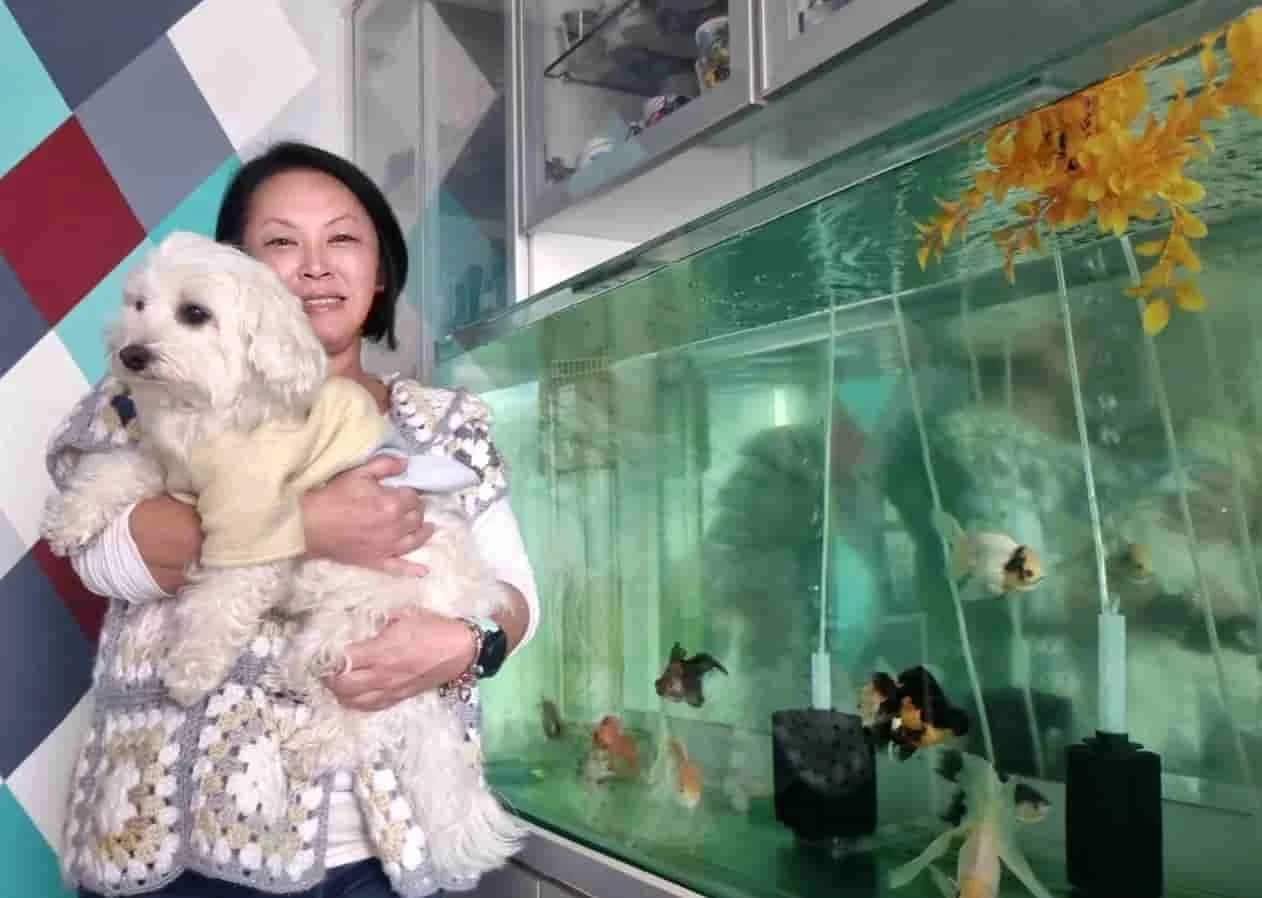
🏠 The 100G Lab
Where we torture test every hardware option, pellet line, and filter layout live.
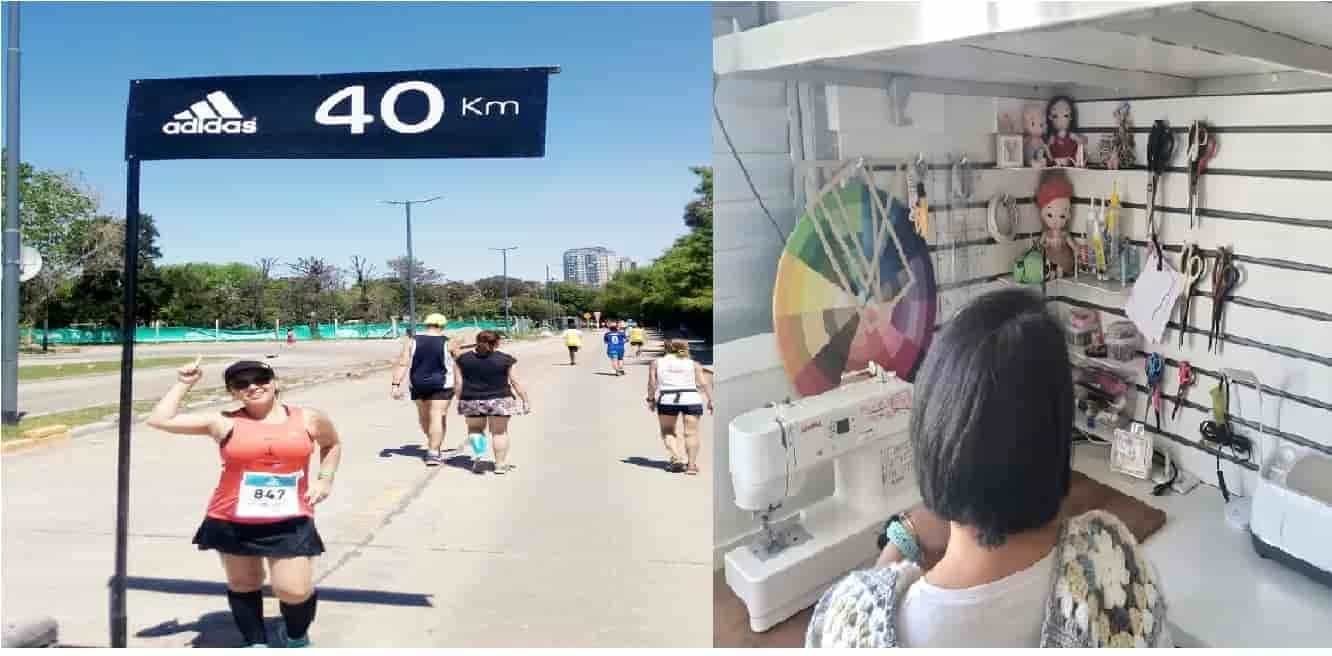
🏃♀️ Grit & Eye
Marathon endurance meets the precise, millimeter structural focus of a seamstress.
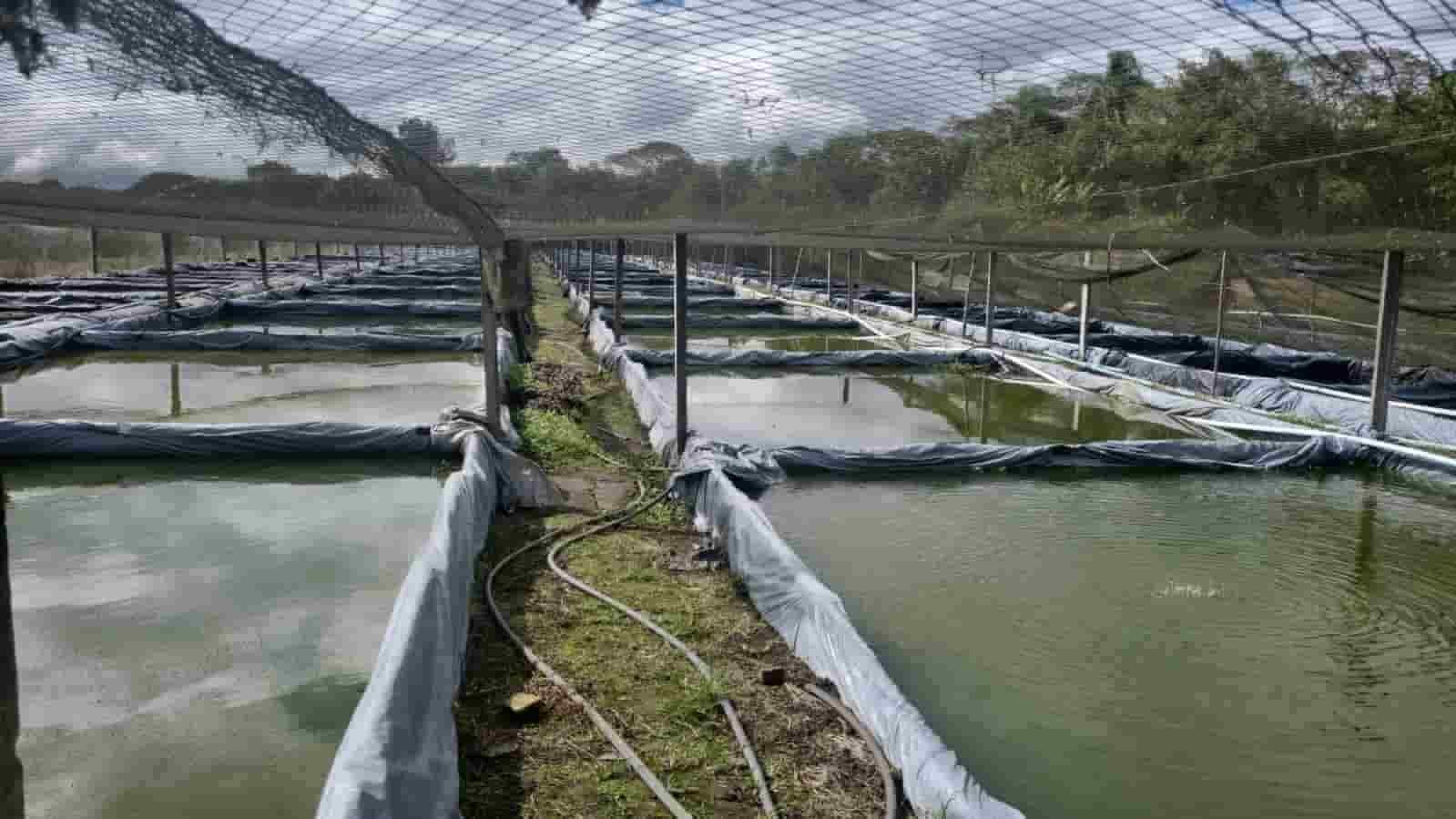
🐳 Monster Vats
Analyzing massive continuous turnovers inside large open-air mud farm vats.
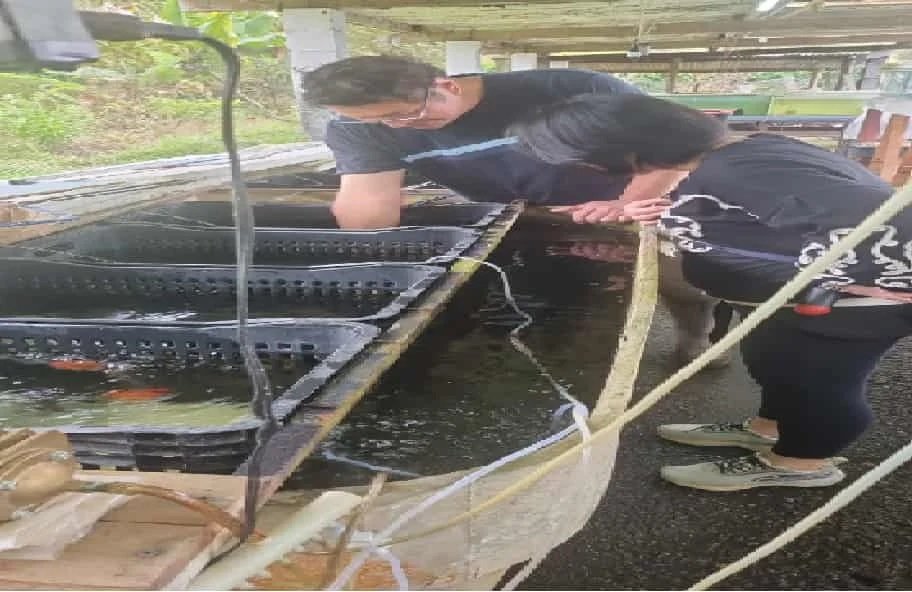
🤝 True Alliances
Working hand-in-hand with regional facility operations to target elite fancy bloodlines.
Read also: Best Smart LED Lights for Goldfish: The Master Aquarist’s Photoperiod Teardown
Wet-Bench Warning: Running unscheduled continuous photoperiods triggers rapid bio-fouling inside external canisters, accelerating magnetic shaft friction shearing and inducing dynamic pump seal leaks under excessive head pressure.