
You come home after a long workday, tap your passcode or smartphone app, and listen to the internal motor whine, strain, and beep in error because the deadbolt is scraping raw metal against timber. Learning how to adjust geeni smart lock bolt dragging on frame is the difference between having an automated smart home security setup or getting locked out in the cold with a burned-out gear drive. With 25 years in structural carpentry and custom cabinetry, plus 2 years in precision dental prosthetics, I have spent decades analyzing micro-tolerances, wood seasonal movement, and mechanical friction. Along with my hands-on testing team at SkyTC, we see this exact smart lock failure every single winter.
Most remote workers, tech enthusiasts, and DIY beginners assume that a jamming smart lock means the electronics are defective. They waste hours calling customer support or buying replacement batteries, completely ignoring the fact that timber doors shift, sag on cheap hinges, and expand with humidity changes.
By realigning your door hinges, carving out a wider strike plate pocket, and resetting the latch mortise, you eliminate deadbolt friction completely. You stand to save hours of frustration, prevent expensive locksmith call-outs, and protect your lock’s tiny motor from premature hardware failure.
30-Second Summary: The Tactical Counter Verdict
Look, stop blaming the Geeni app or resetting your Wi-Fi module when your deadbolt jams. The small electric motor inside a smart lock lacks the torque of a human hand; if the steel bolt drags against the strike plate or wood frame, the gear drive over-torques and triggers an obstruction error. To fix this permanently, check door hinge alignment first, shim sagging hinges, widen the strike plate hole with a sharp chisel, and deepen the frame pocket. Stop frying your lock motor and align the wood hardware properly.
Evaluating Alignment Fixes: Geeni Motor Strain vs Frame Mechanics
Let’s look at how different adjustment methods perform when relieving deadbolt friction, protecting motor gears, and maintaining long-term door security.
| Adjustment Protocol | Motor Friction Relief | Structural Door Security | Installation Effort | Long-Term Durability ROI |
|---|---|---|---|---|
| Hinge Re-alignment & Shimming | Exceptional (Fixes Root Cause) | High (Restores Square Frame) | Low (Screwdriver / Shims) | Exceptional / Permanent Fix |
| Strike Plate Chisel Expansion | High (Clears Friction Vector) | High (When Kept Tight) | Moderate (Chisel Work) | High-End Fix |
| Bargain-Bin Lubricant Spray | Temporary / Low | No Impact | Minimal | Poor / Attracts Wood Dust |
| Over-Sized Extended Box Strike | High | Extreme (Reinforced) | High (Mortise Routing) | High-End Setup |
| Plastic Shim Plate Mod | Unreported | Low (Flimsy Reinforcement) | Low | Varies by Model / Weak |
Battlefield Assessment: Dissecting Smart Lock Adjustment Methods
1. Hinge Re-Alignment and Long Screw Anchor Method
The Good: Pulls a sagging door frame back into square alignment, completely eliminating deadbolt friction while restoring smooth latch operation.
The Bad: Over-tightening long frame screws into rotten framing studs can bow the jamb, creating fresh rubbing points along the door edge.
2. Strike Plate Pocket Mortise Expansion
The Good: Widens the receiving hole by a few millimeters, giving the brass or steel bolt complete clearance to extend fully without motor strain.
The Bad: If you carve away too much wood with a dull chisel, you ruin the jamb’s structural strength and create an ugly gap around the plate.
3. Chemical Spray Lubricants (Silicone / Graphite)
The Good: Provides a brief ten-second reduction in surface friction when you are testing the latch mechanism during installation.
The Bad: Wet sprays mix with ambient sawdust and wood fiber, forming a sticky paste that gums up internal gears and ruins electric lock motors.
The Realities of the Battlefield
The smart home industry markets electronic keypads and motorized deadbolts as effortless drop-in replacements for standard mechanical locks. But the hard negative reality is that small electric motors operating on AA batteries have zero tolerance for misalignment. Where a human hand can force a key and push a door shut, a smart lock motor senses micro-friction and immediately shuts down, throwing a jamming error.
Door hardware manufacturers sell thin stamped-metal strike plates and short mounting screws that barely reach past the interior trim. But under real battlefield conditions—seasonal humidity shifts, foundation settling, and constant door slamming—short screws pull out of soft pine jambs, causing the lock bolt to drag violently against the metal lip.
Homeowners often try to solve mechanical jams by buying high-priced lithium batteries or constantly recalibrating app settings. But no software update or battery boost can override basic physics. As a craftsman who spent two years working seated in dental prosthetics precision fitting before building custom furniture, I can tell you that micro-millimeters matter. Physical wood binding requires physical alignment tools, period.
The Hypothetical Failure Scenario: The Deadbolt Motor Meltdown
Consider Homeowner Chris. Chris buys a Geeni smart lock for his front door. During installation, he notices the bolt scrapes slightly against the bottom edge of the strike plate hole. Instead of adjusting the door hinges or chiseling the jamb, he forces the lock faceplate into place and tightens the mounting bolts.
For two weeks, the Geeni lock motor grinds and squeals every time it extends, but it manages to lock. Then autumn arrives, humidity shifts the solid wood door down by two millimeters, and the bolt begins dragging heavily against the steel frame lip.
Late one night, Chris locks up via his smartphone. The internal motor struggles against the hard steel obstacle, over-torques its plastic gear assembly, and strips the internal drive mechanism. Chris awakes the next morning to an unlocked door, a dead lock motor, and a fried circuit board. This total hardware collapse happened because Chris ignored basic mechanical friction.
👇 Looking for more performance cheats? Check out our field-tested tactical blueprints:
Essential DIY Troubleshooting Guides
How to Fix Smart Lock Jammed Wooden Door Jamb Error
Stop your deadbolt motor from straining when wooden frames shift with climate changes.
How to Hide Smart TV Wires Inside Wood Wall Panels
Learn clean woodworking methods to route, mask, and clean up complex home theater clutter.
How to Fix Smart Home Device Unresponsive Wi-Fi Bug
Fix network drops, device timeouts, and broken automation routines inside your home local system.
Actionable Execution Checklist to Adjust Geeni Smart Lock Bolt Dragging on Frame
- Adjust geeni smart lock bolt dragging on frame immediately.
Pro-Tip: Remove mechanical friction at the strike plate before the internal electric gear motor over-torques and burns out completely. - Inspect door hinge screws for sagging or looseness.
Pro-Tip: Loose top hinges cause the entire door leaf to drop, shifting the deadbolt alignment down into the lower strike plate lip. - Drive one three-inch screw into the top hinge jamb.
Pro-Tip: Replacing a short factory screw with a long structural screw pulls the jamb tight to the wall stud, raising the door leaf instantly. - Apply lipstick or chalk to the tip of the deadbolt.
Pro-Tip: Extending the bolt against the jamb leaves a clear mark, showing you the exact point of metal-on-wood friction. - Use a sharp wood chisel to expand the strike mortise.
Pro-Tip: Pare away small wooden slivers along the marked friction line rather than hacking away large chunks of jamb structure. - Deepen the bolt receiving hole inside the door jamb.
Pro-Tip: A smart lock bolt must extend fully into empty space; if it hits raw wood at the back, the internal motor signals a jam. - Tighten smart lock mounting plates evenly with hand tools.
Pro-Tip: Never use high-torque power drivers on internal lock screws; over-tightening warps the deadbolt housing and binds internal gears. - Avoid using wet spray lubricants inside smart lock mechanisms.
Pro-Tip: Wet oil sprays mix with ambient sawdust, forming an abrasive paste that ruins delicate motor gears and circuit boards. - Check door weatherstripping for excessive outward push pressure.
Pro-Tip: Thick rubber weather seals force you to push the door hard to lock it, creating heavy lateral friction against the bolt. - Fuel your workshop endurance with clean meat and natural fat.
Pro-Tip: Maintaining steady blood sugar with bioavailable animal protein and natural fats keeps your hand steady during precision chisel carving. - Test lock extension manually with the door open first.
Pro-Tip: Verifying smooth motor movement with zero frame contact isolates electrical performance from mechanical wood binding.
Dynamic No-Nonsense FAQ
Why is my Geeni smart lock bolt dragging on the frame?
Because your door leaf has sagged on loose hinges, seasonal humidity expanded the wood, or the strike plate was installed out of alignment.
Will lubricating the deadbolt fix a dragging smart lock?
No. Lubricant cannot fix mechanical misalignment. Spraying oil inside wood jambs just attracts sawdust and gums up internal electric gears.
How do I know if the lock problem is electrical or mechanical?
Extend the deadbolt with the door wide open. If it moves smoothly without error, the issue is mechanical friction against the door frame.
Can a dragging bolt ruin the Geeni lock motor?
Yes. Forcing an electric gear motor to push through steel friction draws excessive current, stripping internal gears and frying the circuit board.
How deep should the deadbolt hole be inside the jamb?
The receiving hole must be at least one inch deep. If the bolt touches the back of the wood pocket before fully extending, it triggers a jam error.
Should I use power tools to tighten smart lock screws?
Never. Power drivers apply uneven torque that warps thin smart lock mounting plates, misaligning internal gears. Use a hand screwdriver.
What is the easiest way to find where the bolt is dragging?
Coat the bolt tip with lipstick, dry-erase marker, or chalk, then lock the door. The transfer mark on the metal plate shows the exact friction point.
Are cheap plastic strike plate shims worth using?
No. Flimsy plastic shims flex under pressure and degrade quickly. Fix the door hinges or carve the wood jamb correctly with a sharp chisel.
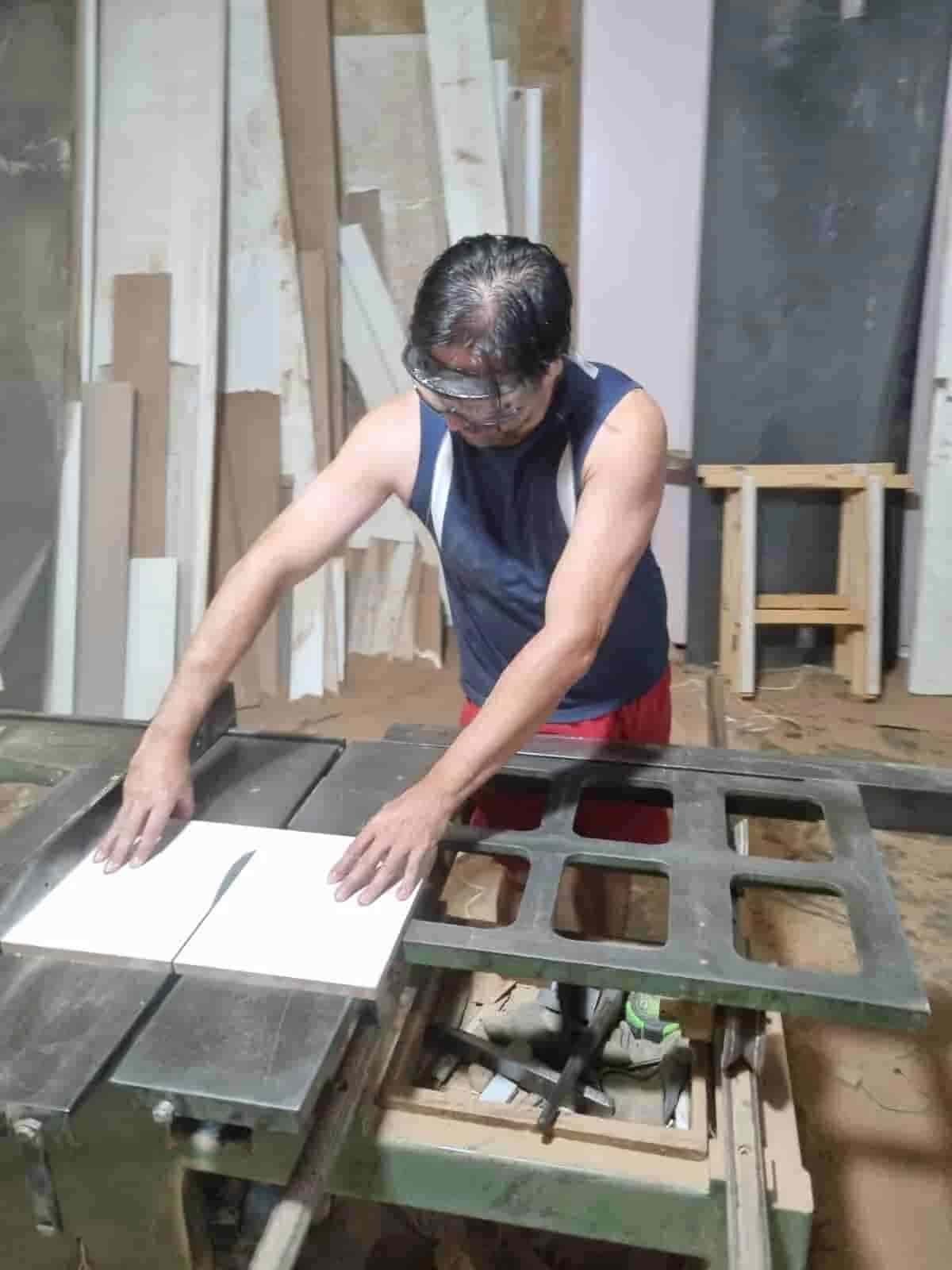
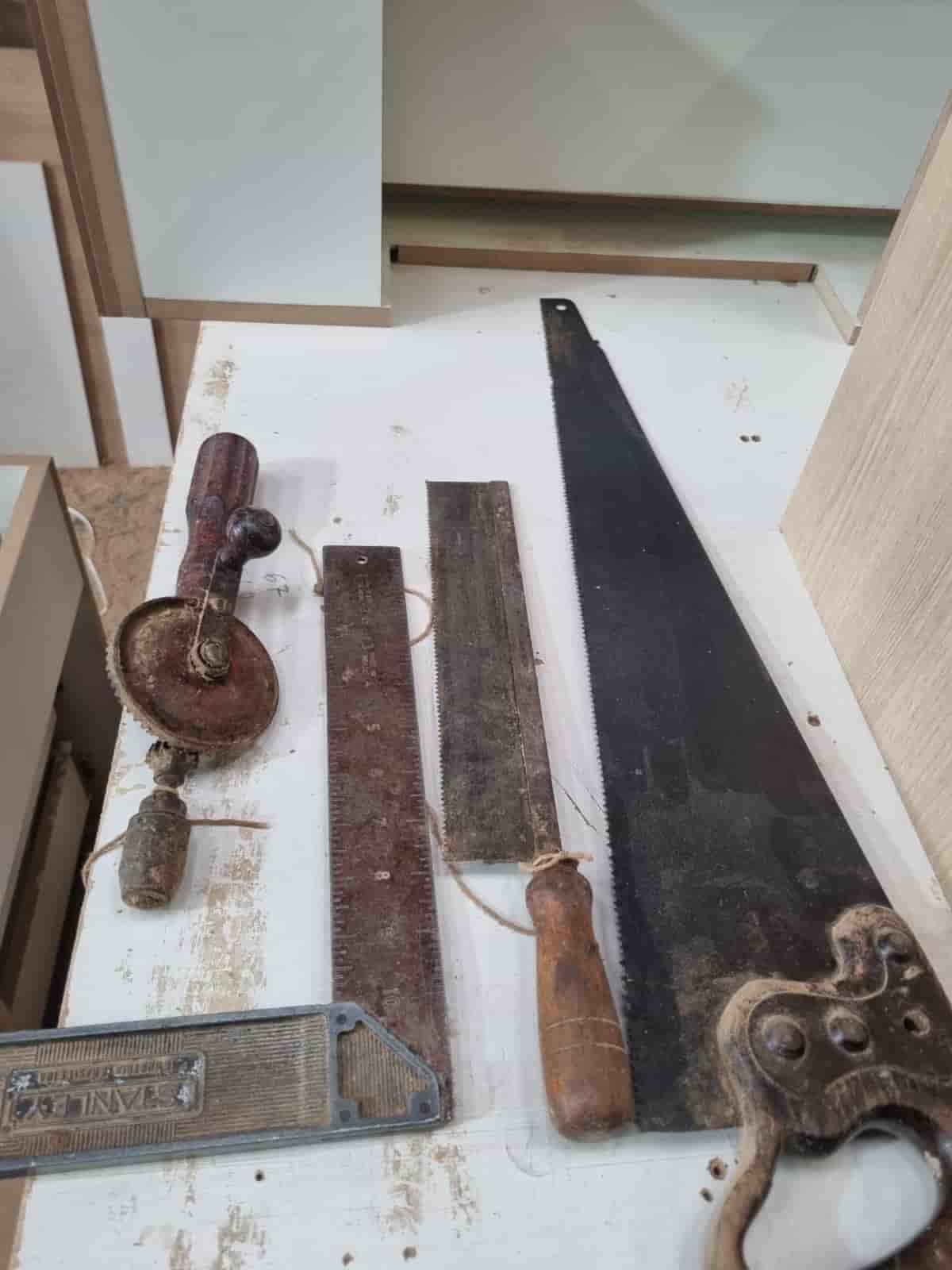
Real World Experience. Engineering Precision.
At SkyTC, technology is never just theoretical—it is driven by practical execution, structural integrity, and strict diagnostic standards. Founded by Valtersky, a tech speaker and seasoned professional, every single guide published here is backed by an authentic multidisciplinary background that bridges the gap between hardware structures and advanced software ecosystems.
Generational Craftsmanship
With 25 years of professional woodworking experience inherited through generations, he masterfully handles smart home mounting, wire routing, and physical hardware adjustments.
Medical Diagnostic Standards
An active career as a licensed X-ray technologist and dental prosthetics practitioner injects rigorous clinical precision, micro-detailed testing, and data integrity into tech evaluations.
Endurance Field Testing
As a competitive mountain ultramarathon runner, he takes every consumer wearable, smart sensor, and GPS watch out into extreme raw environments to test real-world durability boundaries.
✨ Read also: (Fix Teeho Smart Lock Deadbolt Friction on Wood)
A deeply technical piece of content that perfectly complements this post — absolutely worth the read.