
If you are staring at a mess of tangled cables, a flickering screen, and a sore back, you already know the pain of a poorly optimized home office. Finding the best value tech tools for remote freelance office desks shouldn’t feel like a high-stakes gamble where your productivity goes to die. Most remote workers waste an absolute fortune on overhyped, flashy accessories that end up in a junk drawer within a month. I have spent years fixing dead laptops and testing office gear, and I am here to tell you that you do not need a Silicon Valley budget to build a rock-solid, professional workstation.
The main issue is that we are constantly bombarded with sleek marketing campaigns showcasing minimalist setups that look gorgeous but perform terribly under actual workloads. It is incredibly frustrating to invest your hard-earned money into a workspace only to realize your keyboard drops keys, your docking station overheats, and your monitor causes eye strain. You deserve a setup that actually helps you hit deadlines without fighting your hardware every single step of the way. Let’s cut through the marketing noise and focus on what actually keeps your freelance business running smoothly day in and day out.
As a laptop hardware specialist who has seen literally hundreds of fried motherboards, swollen batteries, and stripped monitor mounts, I have learned exactly where manufacturers cut corners. I am going to share the brutal, unfiltered truth about desk hardware so you can invest in tools that actually last. We will focus on structural integrity, clean power delivery, and ergonomics that save you from physical burnout. Think of this as your practical guide to building an bulletproof workspace that pays for itself in peace of mind.
In 30 Seconds: The Repair Shop Verdict
Skip the shiny, overpriced aesthetic brands that spend more on Instagram ads than product engineering. Your priority should be structural durability, reliable power delivery, and clean panel displays. Invest in a solid, heavy-duty monitor arm first; it saves your neck and instantly doubles your usable desk real estate. Get a mechanical keyboard with hot-swappable switches so you can fix a single dead key without throwing the whole board in the trash. Never buy cheap, unbranded USB-C hubs unless you want to fry your laptop’s motherboard. Stick to mid-tier, specialized gear from brands that offer real warranties, and stop buying “aesthetic” plastic junk.
The Reality of the Battlefield
Let’s talk about the gear that looks incredible in promotional photos but falls apart under the stress of a real seventy-hour workweek. Take those ultra-slim, aluminum-clad USB-C hubs that everyone raves about online. Mechanically, they look premium and match your laptop beautifully; however, they run so incredibly hot under full load that they eventually cook their own internal controllers, causing your external drives to disconnect randomly mid-transfer. It is a classic design flaw where thermal management is sacrificed for a thin profile, leaving you with a dead hub and potentially corrupted client files.
Then we have the famous “ergonomic” office chairs sold at bargain-bin accessory prices. They boast deep lumbar support curves and thick seat cushions that feel like sitting on a cloud for the first five minutes of use. But the hard truth is that the high-density foam they use is cheap and collapses into a hard, unforgiving board within six months, while the plastic adjustment levers strip out the moment you try to lock the recline. You end up sitting crooked, dealing with constant lower back pain, and wishing you had invested in a mesh chair with a heavy-duty steel base from day one.
Even the monitor market is packed with traps for the unwary freelance designer. Many budget-friendly ultrawide screens boast high refresh rates and deep curved panels that make your desk look incredibly futuristic. However, these budget panels often use low-grade backlight arrays that suffer from terrible light bleed along the edges, causing massive eye strain during long night sessions. The physical stand included in the box is almost always a wobbly, non-adjustable plastic stick that occupies half your desk space and forces you to hunch over like a gargoyle.
A Classic Trap: The Day the Hub Died
I remember this client of mine, Sarah, a freelance graphic designer who came to my shop in an absolute panic. She had bought one of those trendy, unbranded multi-port desk organizers that supposedly did everything: held her pens, charged her phone wirelessly, and acted as a display dock. It looked clean, but the manufacturer used incredibly low-grade components on the power delivery circuit. One morning, she plugged her premium laptop into it, heard a tiny “pop,” and watched her screen go permanently black.
The cheap hub had sent a massive power surge right through the USB-C port, frying the main power rail on her laptop’s motherboard. She lost three days of work and had to pay for a complex logic board repair that cost a fortune compared to just buying a certified, brand-name dock in the first place. That is the cost of trying to cut corners on structural electronics; a cheap tool will eventually cost you ten times its value in repairs and lost billable hours.
This is why I always tell my friends to look past the initial styling of a product and focus entirely on the safety certifications and mechanical build. A solid piece of tech shouldn’t wobble, creak, or smell like hot plastic after being plugged in for an hour. If a company doesn’t list the exact power output specs or structural materials on their product page, they are hiding something, and you should run the other way.
Why Best Value Tech Tools for Remote Freelance Office Desks Matter
Choosing the right workspace gear is about protecting your health and your income. When you work for yourself, downtime is your worst enemy; there is no IT department down the hall to hand you a loaner laptop when your gear fails. Sourcing the best value tech tools for remote freelance office desks is a strategic move to insulate your business from unexpected hardware failures. Let’s break down the core categories of desk hardware where you should actually spend your money.
High-Yield Gear: Where to Put Your Money
Mechanical Keyboards with Hot-Swappable Sockets
A high-quality mechanical keyboard is a lifesaver for typing speed and finger fatigue; however, the louder clicky switches will drive your clients crazy during Zoom calls unless you install silent dampening rings or choose quiet linear switches. Look for heavy plastic or aluminum frames with hot-swappable sockets. This feature means if a key stops working, you can pull the switch out with a simple tool and pop in a new one, extending the keyboard’s life indefinitely.
Vertical Ergonomic Mice
A vertical mouse tilts your hand into a natural handshake position, completely eliminating wrist strain and carpal tunnel pain during marathon editing sessions. Although the ergonomic benefits are massive, the learning curve is steep, and you will likely feel incredibly clumsy for the first few days of using it. Avoid the rubber-coated models; that soft-touch rubber coating feels great brand new but turns into a sticky, dust-magnet mess after a year of palm sweat and humidity.
Dual-Pivot Monitor Arms
Getting your monitor off its stock plastic stand and onto a heavy gas-spring arm is the ultimate desk upgrade. It opens up massive amounts of desk space and lets you position the screen perfectly to stop neck strain. Note that while these arms are incredibly flexible, cheap gas-spring mechanisms will slowly sag over time if you mount a heavy ultrawide screen, forcing you to constantly tighten the tension screws.
Powered USB-C Docking Stations
A dedicated, externally powered dock runs your external monitors, keyboard, mouse, and charging cable through a single line to your laptop. It keeps your desk pristine and saves your laptop’s physical ports from daily wear and tear. Just make sure the dock has its own power brick; bus-powered docks that rely solely on your laptop for juice will constantly disconnect your external hard drives whenever you plug in a power-hungry phone.
Comparing the Heavy Hitters
To help you visualize where to invest, I have put together a comparison of the essential desk upgrades based on their build quality and structural risk.
| Tech Tool Category | Build Material Priority | Structural Risk Level | Value Tier Recommendation | Primary Wear Point |
|---|---|---|---|---|
| Hot-Swap Keyboard | PBT Plastic / Aluminum | Low (Easy to fix switches) | Mid-range enthusiast gear | Keycap legends & switches |
| Vertical Mouse | Hard ABS Matte Plastic | Medium (Micro-switches fail) | Mid-tier brand names | Scroll wheel encoder |
| Gas-Spring Monitor Arm | Heavy-Duty Alloy Steel | Low (Simple mechanics) | Budget-friendly reliable options | Gas tension cylinder |
| Powered USB-C Dock | Anodized Aluminum Shell | High (Can fry electronics) | Premium tier investment | Host cable connector |
| Mesh Task Chair | Nylon Frame / Steel Base | High (Saves your back) | Mid-to-high end setups | Pneumatic gas lift cylinder |
The No-Nonsense Desktop Upgrade Checklist
Use this checklist to audit your workspace. Don’t skip these steps if you want a reliable, daily-driver office setup that doesn’t let you down before a major client deadline.
- Audit your setup to ensure you use the best value tech tools for remote freelance office desks by prioritizing structural metal joints over flashy, thin plastic designs. Expert tip: Give the desk accessory a gentle twist; if it squeaks or flexes easily under light hand pressure, it will not survive a year of daily abuse.
- Swap out cheap, stock video cables for certified, gold-plated cables. Expert tip: Flickering screens and random signal drops are almost always caused by cheap cables running next to unshielded power strips.
- Mount your power strip directly to the underside of your desk using heavy-duty mounting tape or screws. Expert tip: Keeping power cords off the floor prevents accidental kicks that can instantly shut down your active workstation.
- Choose PBT plastic keycaps over ABS plastic keycaps for your office keyboard. Expert tip: ABS plastic wears down rapidly, leaving you with ugly, greasy-looking shiny keys that make your desk look cheap and worn.
- Ensure your external USB-C dock has a detachable host cable rather than a built-in one. Expert tip: The cable that connects the dock to your laptop is the most common point of failure; if it is built-in, a broken cable means throwing away the entire dock.
- Look for a mouse with an optical scroll wheel sensor rather than a mechanical one. Expert tip: Mechanical scroll wheels get clogged with dust and dog hair, leading to erratic scrolling that will drive you absolutely insane.
- Set up a dedicated secondary backup drive that runs an automatic schedule. Expert tip: Cloud backups are great, but a local external drive lets you restore massive project files in minutes instead of waiting hours for a download.
- Verify the gas-spring weight rating of your monitor arm before purchasing. Expert tip: Always leave a buffer of at least three pounds between your monitor’s actual weight and the maximum capacity of the arm to prevent sagging.
- Pick a desk lamp with a high Color Rendering Index (CRI) rating of ninety or above. Expert tip: Low-CRI LED lights emit a harsh, bluish tint that causes severe eye strain and makes accurate color work for designers nearly impossible.
- Clean your mechanical keyboard and mouse with compressed air and isopropyl alcohol once a month. Expert tip: Skin oils and food crumbs degrade the plastic and switches, leading to sticky keys and dead micro-switches.
- Route your main power lines away from your audio and data cables. Expert tip: Running power cords parallel to audio cables introduces a constant, annoying background hum into your headphones during client calls.
- Invest in a heavy-duty, dual-motor standing desk frame if you plan to stand. Expert tip: Single-motor standing desks wobble terribly at their maximum height, making your monitors shake every time you type.
👇 Looking for more performance cheats? Check out our field-tested tactical blueprints:
Guides for Your Next Workspace
Professional Laptops
The definitive blueprint to selecting high-performance, enterprise-grade workstations engineered to scale your productivity.
Budget Tech Tools
Practical strategies and low-cost digital tools engineered to maximize office performance without breaking your budget.
Power User Gadgets
Advanced hardware, desk automation tools, and elite tech ecosystems built to completely eliminate workflow bottlenecks.
Common Mistakes That Cost You Cash
The absolute biggest mistake I see freelancers make is buying “all-in-one” tech gadgets. These are the fancy desk mats with built-in heaters, wireless chargers, and USB ports all crammed into one fabric pad. While they seem incredibly convenient, they use incredibly cheap internal wiring. When the wireless charger inevitably dies in two months, you are left with an oversized, clunky desk mat that has a useless plastic brick permanently attached to it. Keep your tools modular; buy a great desk pad, a separate fast-charging stand, and a high-quality USB hub.
Another huge trap is ignoring the power supply requirements of your gear. Many freelancers buy premium tier docking stations and plug them into whatever spare phone charger block they find lying around. The dock underperforms, the displays flicker, and the connected USB drives disconnect constantly because the dock is starved for power. Always use the original power brick that came with your gear, or invest in a high-wattage GaN charger that can actually handle the power demands of multiple devices simultaneously without breaking a sweat.
Finally, steer clear of cheap, unbranded Bluetooth dongles that promise to connect all your wireless gear simultaneously. These bargain-bin accessories have terrible signal shielding, meaning your mouse will lag every time your Wi-Fi router gets busy. If you must go wireless, stick to devices that use dedicated 2.4GHz USB receivers. They offer a much more stable connection and don’t drop out in the middle of an important presentation.
Frequently Asked Questions From the Repair Counter
Should I buy a wireless keyboard and mouse to keep my desk clean?
Only if you are willing to deal with the constant annoyance of dead batteries and occasional input lag. Wireless setups look beautiful on Instagram, but unless you invest in high-end gear with solid battery life, you will find yourself scrambling for a charging cable mid-meeting. For absolute reliability, a wired keyboard is bulletproof.
Are cheap USB-C hubs from online marketplaces safe to use?
No, they are a complete gamble. Most of those bargain-bin hubs lack proper surge protection and voltage regulation. They run hot enough to fry eggs and can easily send a power surge back into your laptop, killing the motherboard instantly. Spend the money on a reputable, certified brand.
Do I really need a dual-monitor setup for freelance work?
Honestly, most people are far better off with a single, high-resolution ultrawide monitor. Dual monitors force you to look sideways constantly, which ruins your neck alignment over time. A single ultrawide gives you plenty of screen real estate for multitasking without the annoying bezel split right in the middle of your field of view.
Why is my external monitor flickering when connected to my dock?
Nine times out of ten, it is a cheap, unshielded cable or an underpowered dock. Your dock needs its own dedicated wall outlet power supply to run high-resolution displays. Swap out your video cable for a certified, high-bandwidth cable and make sure your dock is not running off raw laptop bus power.
Are ergonomic vertical mice actually worth the weird shape?
Absolutely, they are a lifesaver if you spend more than four hours a day on your computer. They stop your forearm bones from crossing, which relieves pressure on your carpal tunnel. Just be prepared to look like a clumsy toddler trying to click folders for the first three days until your muscle memory adapts.
What is the deal with mechanical keyboards? Aren’t they just for gamers?
Not at all. Mechanical keyboards offer much better tactile feedback, which reduces typing fatigue and errors. The big win for freelancers is durability; if a switch dies on a cheap membrane keyboard, the whole thing is trash. On a hot-swappable mechanical board, you swap the broken switch in seconds and keep working.
Should I buy an aesthetic wooden desk shelf?
Only if you actually need the storage space underneath it. Many of those premium-looking wooden shelves are made of cheap veneer that warps and peels the moment you spill a cup of coffee on them. If you buy one, make sure it is solid hardwood and has sturdy steel legs, or skip it entirely and use a monitor arm instead.
Is a standing desk actually necessary for a healthy home office?
It is nice to have, but a premium ergonomic chair is ten times more important. Most people who buy standing desks end up standing for twenty minutes a day and sitting for the rest. If you have a limited budget, invest heavily in a top-tier ergonomic mesh chair first before spending money on a motorized standing desk frame.
Why Trust SKYTC Curated Gear?
At SKYTC, we simplify technology for you. We aren’t just another deals site; we are hardware experts obsessively focused on elite performance.
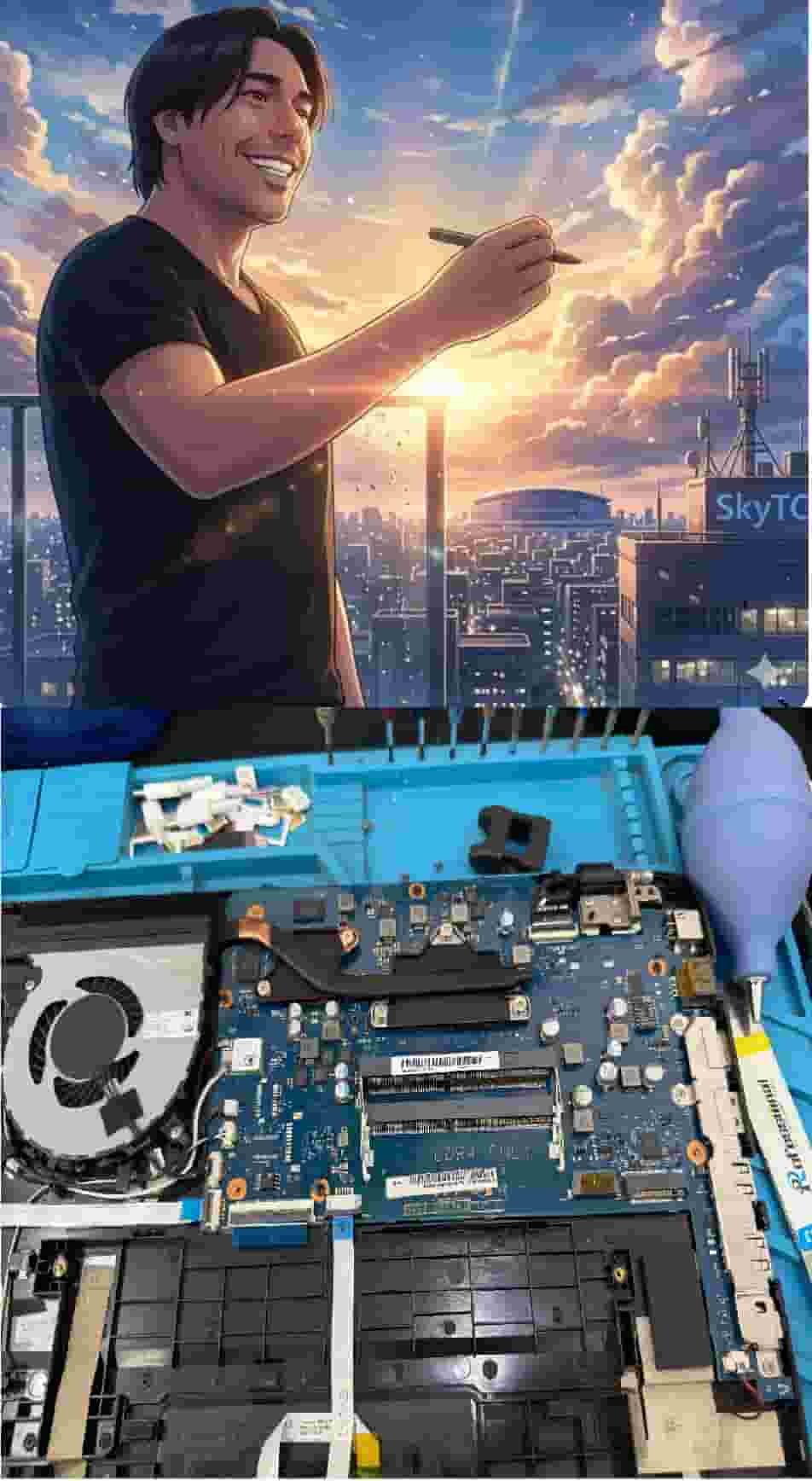
Technical Bio: Hardware & Laptops
“At SkyTC, technology is driven by engineering precision and real field experience. I am Valtersky, and I bring a unique background to the bench: from professional woodworking, the eye for structural integrity; from radiology, an absolute obsession with microscopic details.
As an ultra-endurance marathon runner, I don’t just browse store windows. I tear machines down, run intensive stress tests on thermal dissipation, and validate the actual build quality of every single component. My mission is to translate complex tech engineering and tech finances into smart decisions for your workflow.
Here, we speak straightforward, jargon-free English with the authority of someone who knows exactly what is inside the chassis.”
✨ Read also: Guide to Finding Reliable Tech Tools on a Tight Budget
Content that perfectly complements this guide — highly recommended reading.