
If you have just brought home a massive aquarium and are staring at your living room floor wondering if your floorboards will hold, you are experiencing the classic panic of every fish keeper. Knowing exactly where to place a large goldfish tank is the difference between a lifetime of peaceful viewing and a catastrophic, floor-ruining flood.
Getting this right guarantees your floor won’t sag, your glass won’t crack, and you will save thousands of dollars in structural repairs. It gives you absolute, long-term peace of mind.
As a professional seamstress, I know that a single millimeter of unevenness can completely ruin an entire hemline. As a long-distance runner, I also know that planning for the long haul prevents painful injuries down the road. When I set up my own 100-gallon (400-liter) aquarium, I had to apply that same level of precision and strategic planning to find the perfect spot in my home.
Structural Math: Can Your Floor Hold the Weight?
A large goldfish tank is not just a piece of furniture; it is a heavy-duty structural load. Water weighs about 8.34 pounds per gallon, meaning a filled 100-gallon setup easily tips the scales at over 1,000 pounds when you factor in the glass, heavy stand, and substrate.
If you place this weight in the wrong spot, your floorboards will sag, your doors will stop latching, and your tank glass will experience uneven pressure, leading to a sudden, loud burst.
Always place a large tank against a load-bearing wall, perpendicular to your floor joists. Placing it parallel to a single joist means that one piece of wood is carrying the entire load, which is a recipe for disaster.
Critical Safety Factors: Where to Place a Large Goldfish Tank
Goldfish are highly sensitive to their environment, and placing their home in the wrong room will make maintenance a living hell. Avoid spots directly next to large windows.
While natural light looks beautiful, direct sunlight turns your tank into an algae soup within days. It also causes massive temperature spikes that stress your fish.
Keep the aquarium away from drafty doorways, heating vents, and air conditioners. Sudden temperature fluctuations can weaken a goldfish’s immune system, inviting diseases like Ich.
The Reality of the Battlefield
Let’s look at the harsh realities of aquarium stands and placement gear. Manufacturers love to make grand promises about their products, but the real-world performance on the bench tells a very different story.
For example, premium MDF aquarium stands boast gorgeous waterproof vinyl finishes and modern aesthetics. However, the moment you spill a cup of water during a routine maintenance siphon and fail to dry it instantly, the interior wood swells up like a sponge, completely destroying its structural integrity.
Then we have leveling mats made of high-density foam, which are praised for distributing pressure evenly across the glass base. But if your actual wooden stand is warped or unlevel by more than a quarter-inch, the foam will simply compress to its limit, leaving the glass to twist and eventually shatter anyway.
And watch out for those cheap metal double-tier stands. They save a ton of floor space. However, the welds are often done incredibly poorly, meaning the metal joints will rust quietly from salty air and eventually buckle under the weight.
The Good Side vs. The Negative Point of Placement Gear
Let us examine the trade-offs of using heavy-duty wooden shims to level your aquarium stand.
The Good Side: Solid pine or hardwood shims are incredibly strong, cost almost nothing, and allow you to micro-adjust your stand to be perfectly level on uneven carpet or old floorboards.
The Negative Point: If you slide the shims in clumsily without load-bearing support, they will split under pressure over time, causing the tank to tilt suddenly and stress the silicone joints.
Avoid These Common Mistakes of Tank Placement
Let’s look at a classic horror story that happens to beginners all the time. Imagine you buy a stunning, heavy 75-gallon aquarium and decide to place it right next to your TV in the main hallway because it looks cool.
You set it up, but you don’t check if the floor is level. Within two weeks, the constant stomping of kids running down the hallway stresses the goldfish, causing them to hide constantly.
To make matters worse, because it is on cheap laminate flooring, minor splashes from your bucket rot the floor underneath. One night, you hear a loud pop—the unlevel floor has caused the glass to twist, dumping 75 gallons of water into your subfloor.
Always choose a low-traffic area with a solid concrete foundation or reinforced flooring, and make sure you use a bubble level before you add a single drop of water.
Sizing Up the Location: A Quick Comparison Table
| Location | Weight Support | Algae Risk | Human Traffic | Verdict |
|---|---|---|---|---|
| Concrete Basement | Excellent | Very Low | Low | Best for massive tanks |
| Living Room Wall | Moderate | Low | Medium | Great if joists are reinforced |
| Near Window | Moderate | Extremely High | Low | Avoid entirely |
| High-Traffic Hallway | Moderate | Low | High | Bad for fish stress |
| Upper Floor Bedroom | High Risk | Low | Low | Needs structural inspection |
In 30 Seconds: The Quick Counter Talk Verdict
Look, let’s keep it completely real with you.
A large goldfish tank is a structural load, not a decoration.
Always place it against a load-bearing wall, running perpendicular to floor joists.
Avoid windows, doorways, and heating vents like the plague.
Ensure your stand is level before you fill it, or prepare to buy new carpets.
Basements with concrete floors are the absolute gold standard for safety.
Troubleshooting Checklist for Tank Placement
- Check the structural capacity of your floor to ensure you know exactly where to place a large goldfish tank safely. Insider note: If your floor is bouncy when you jump next to the spot, it is way too weak for a large setup.
- Use a high-quality, long professional bubble level across both axes of the stand. Insider note: Cheap pocket levels are wildly inaccurate; use a long metal level to catch minor sags.
- Position the tank within close reach of a water source and drain. Insider note: Lugging fifty-pound buckets across carpet during weekly water changes will destroy your back and your floor.
- Ensure there are at least three to four inches of clearance behind the tank. Insider note: If you press the stand flush against the wall, you won’t have room to install your canister hoses or hang-on filters.
- Avoid placing the aquarium directly over or near floor vents. Insider note: Warm air blowing on the glass will mess with your heater and cause rapid, unwanted water evaporation.
- Install a dedicated GFCI outlet near the tank area. Insider note: Water and electricity do not mix; a GFCI plug will save your life if a pump seal leaks.
- Check the levelness of your stand after adding the substrate but before filling the water. Insider note: Wet sand is incredibly heavy and can cause old floorboards to settle and tilt before the water is even in.
- Place a waterproof rubber mat under your wood stand. Insider note: This catches minor drips and spills during maintenance, saving your floor from rot.
- Keep the setup away from sound systems or loud television sets. Insider note: Sound waves travel through glass and water, constantly stressing your goldfish’s lateral line system.
- Secure your tank stand to wall studs if you live in an earthquake zone. Insider note: A heavy tank has high momentum; a small shake can cause the whole unit to tip forward.
👇 Looking for more performance cheats? Check out our field-tested tactical blueprints:
The Goldfish Ecosystem Blueprint
Complete your advanced technical training loop by exploring our core evergreen resources.
How to Feed Goldfish for Maximum Lifespan
A deep breakdown of digestive tract mechanics, bloating prevention, and premium sinking diets.
How to Maintain a 100 Gallon Goldfish Tank
Large-scale system parameters. Deep sand bed mechanics, nitrogen cycling, and bioload management.
Ultimate Guide to Goldfish Tank Filtration
Heavy-duty hardware configurations. Optimizing parallel canisters, bio-media setups, and automation.
Exhausted Bench Tech FAQ
Can I place my 100-gallon tank on a standard dresser?
Absolutely not. Dressers are built to hold clothes, not a half-ton of water. A standard dresser uses thin staples, cheap glue, and particle board that will buckle under the weight. You need a dedicated, load-bearing aquarium stand designed specifically to distribute the weight to the floor.
Is it safe to put a large goldfish tank on the second floor of an old house?
It depends entirely on the joists. If you place it against a load-bearing wall running perpendicular to the joists, it is usually safe up to 75 gallons. Anything larger than that on an upper floor should be inspected by a structural engineer, or you are risking a massive collapse.
Do I really need to use a level if my floor looks flat?
Yes, you do. A floor that looks flat to your eyes can easily have a slight slope. If a large tank is unlevel by even an eighth of an inch, the water pressure shifts to one side of the glass. Over time, this uneven pressure splits the silicone seals and causes the tank to burst.
Will placing my tank near a window kill my goldfish?
It won’t kill them directly, but it will make your life miserable. The intense natural light will cause a massive algae bloom, turning your water into pea soup. It also causes rapid temperature changes throughout the day, which stresses your goldfish and weakens their immune system.
Should I put my tank in the kitchen for easy water changes?
Only if you have no other choice. Kitchens are high-traffic zones with greasy air from cooking. Cooking grease can coat the surface of your water, blocking gas exchange. Plus, household cleaners used in kitchens can easily drift into the tank and poison your fish.
Can I use cheap plastic shims to level my stand?
No. Cheap plastic shims are hollow and compress under heavy weight. When they compress unevenly, your stand will tilt. Always use solid hardwood or heavy-duty composite shims that are rated to handle structural weight without splitting.
Is carpet a bad surface for a heavy tank stand?
It is not ideal, but it is manageable. The main issue is that carpet has padding underneath that compresses unevenly over time. This makes leveling the tank difficult. If you must place it on carpet, check the levelness again a week after filling it to adjust for settling.
Can I move my large tank while it still has a few inches of water in it?
Never do this. Even a few inches of water and substrate in a large tank can weigh over 150 pounds. If you try to lift or slide the tank while it is partially loaded, you will twist the frame, crack the glass, or permanently damage your back. Empty it completely first.
🛡️ │ WHY TRUST SKYTC GOLDFISH CARE CURATION?
At SKYTC, we hold aquatic ecosystem biology and biological parameter handling to a rigorous standard. We are not an automated affiliate review engine; we apply hands-on tests and serious filtration engineering workflows to ensure every recommendation guarantees the health and maximum lifespan of your fish with absolute safety.
✓ Engineering:
Structural experience backed by heavy-duty filtration math, continuous hydraulic turnover metrics, and robust mechanical support for large-scale coldwater systems.
✓ Expertise:
Focuse on preventative biological husbandry and premium nutrition. Thoroughly auditing biological media, sinking feeds, and elements that completely neutralize ammonia spikes.
✓ Authority:
Curation signed by real keepers running a balanced 100-gallon display ecosystem for over 8 years, pairing daily practical benchwork with direct wholesale breeder insights.
✓ Trust:
Product selections built on unfiltered transparency—exposing actual electrical draws, heat dissipation issues, and hidden costs before any Amazon recommendations.
📸 Our Journey in the Real World
From daily living room tank turn rates to macro-scale breeding setups.
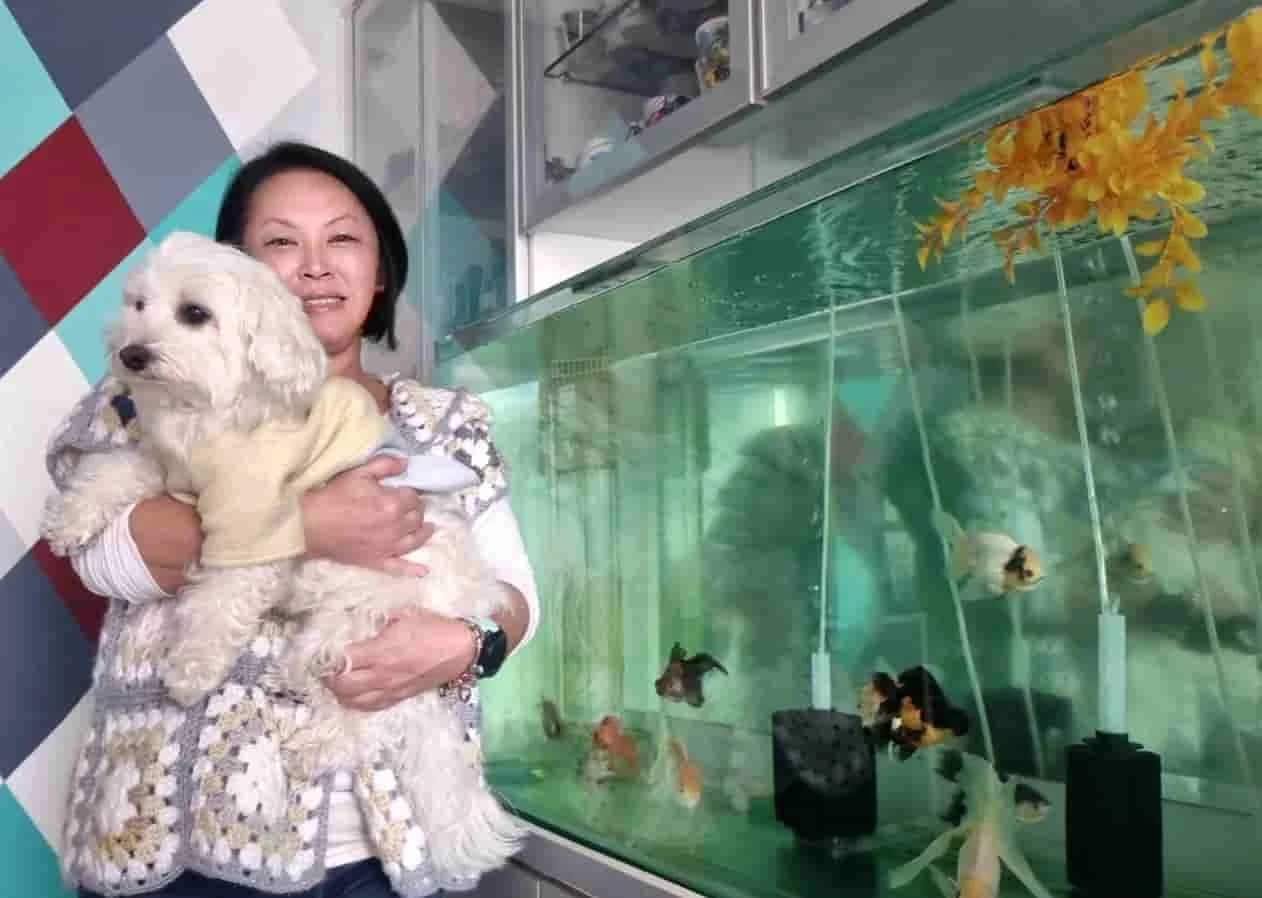
🏠 The 100G Lab
Where we torture test every hardware option, pellet line, and filter layout live.

🏃♀️ Grit & Eye
Marathon endurance meets the precise, millimeter structural focus of a seamstress.
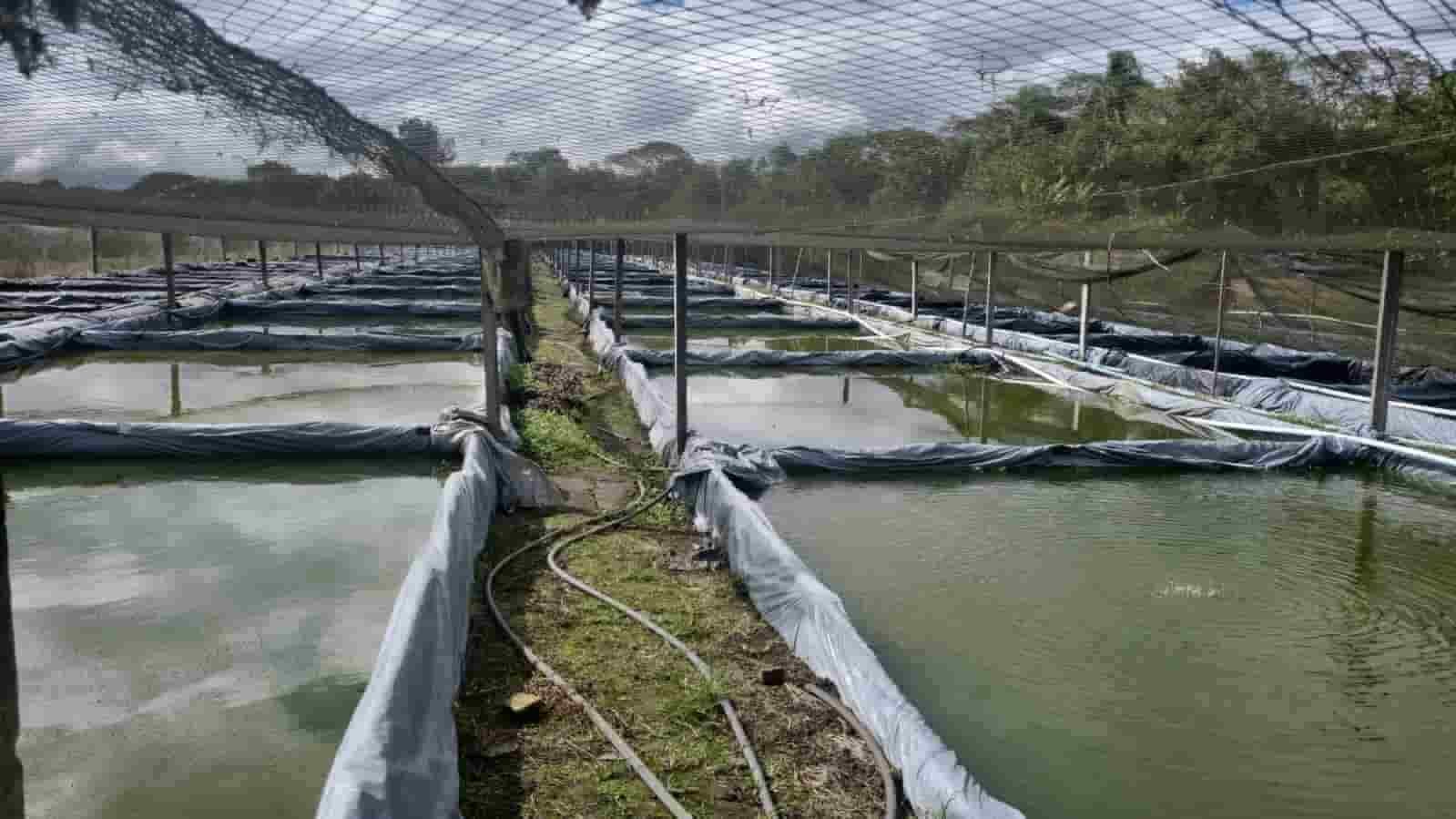
🐳 Monster Vats
Analyzing massive continuous turnovers inside large open-air mud farm vats.
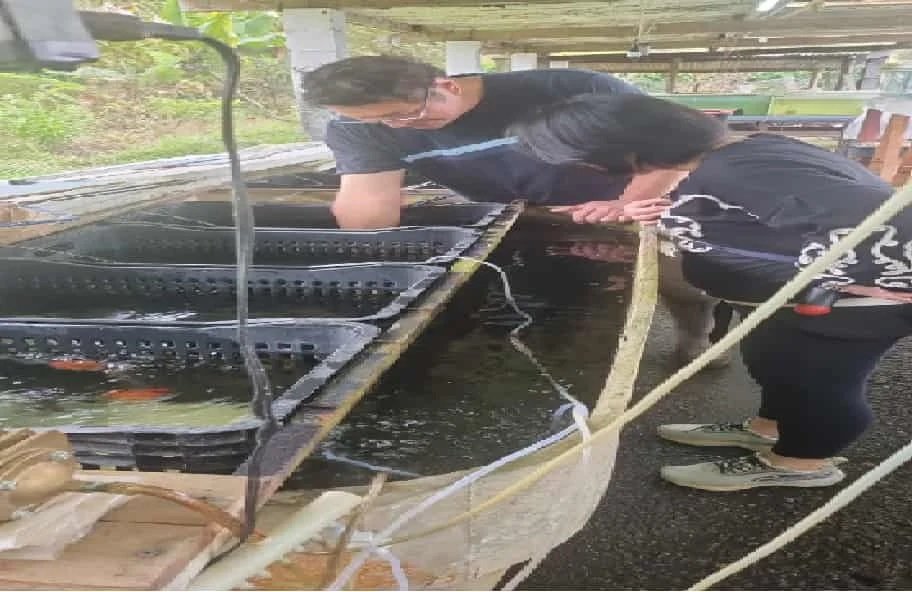
🤝 True Alliances
Working hand-in-hand with regional facility operations to target elite fancy bloodlines.
Read also: Glass vs Acrylic for 100 Gallon Tanks
A deeply technical piece of content that perfectly complements this post — absolutely worth the read.