
Walking up to your aquarium only to see a long, trailing, hollow thread hanging from your fish can cause an immediate spike of adrenaline, leaving you frantically searching for a reliable white poop in goldfish treatment. It is a deeply stressful sight that triggers instant anxiety for any hobbyist, making you wonder if your beloved pet is suffering from a lethal internal infection or a parasitic takeover. Rest assured, you are not alone in this frustration, and validating your panic is the first step toward getting a clear, logical grip on the situation.
As a professional seamstress who handles fine threads all day, I often look at these stringy, hollow waste strands like an empty casing—much like a sleeve before you slide the filling in. In my spare time, I run long-distance trails, which requires immense stamina and a structured, disciplined approach to overcoming physical hurdles. Managing my own 100-gallon (400-liter) goldfish tank has taught me that diagnosing and treating internal issues requires that same level of methodical patience. You cannot simply throw random chemical fixes at the tank and hope for a miracle.
We are going to demystify what is actually happening inside your goldfish’s digestive tract, distinguishing between simple dietary blockages, bacterial infections, and flagellate parasites. By understanding the biology of your aquatic buddy, you will be able to apply a highly effective, targeted recovery plan that saves you money, saves your biological filter, and restores your peace of mind.
In 30 Seconds: The Quick Verdict
Stop panicking: white stringy poop is not a death sentence, but rather an empty intestinal casing made of mucus.
It means your fish has not eaten in days or its gut lining is irritated by internal parasites, a bacterial infection, or severe constipation.
Before you buy expensive medications, look at the fish’s behavior; if it is active and eating, it is likely just a minor dietary clog that can be cleared with deshelled boiled peas.
However, if the fish is lethargic, hiding, and refusing food, you are dealing with hexamita or internal worms, which require target-dosing antiparasitic medications like metronidazole bound to high-quality sinking pellets using a proper binder.
What Actually Causes White Stringy Waste?
To cure this issue, you must first understand the biological mechanism behind it. That long, pale, trailing strand is not actually fecal matter; it is a hollow tube composed entirely of intestinal mucus and shed epithelial cells.
A goldfish’s intestinal tract produces mucus to lubricate food as it digests. When the gut is irritated, or when there is a complete lack of food passing through the digestive tract, the intestine continues to produce mucus.
This mucus accumulates, binds with shed gut lining cells, and is eventually expelled as a hollow, pale, or white stringy strand. This is why a starving fish or a fish with a damaged gut will display this symptom.
Internal Parasites (Flagellates and Worms)
The most notorious cause of this mucus shedding is internal flagellates, specifically microscopic single-celled organisms like Hexamita or Spironucleus. These parasites live in the intestinal tract, multiplying rapidly and borrowing into the delicate gut wall.
As they damage the intestinal lining, the fish’s immune system responds by producing massive amounts of protective mucus, which is then expelled as white strings. Over time, these parasites steal nutrients, causing the fish to lose weight even if it is eating, eventually leading to severe lethargy and death.
Bacterial Enteritis
Bacterial enteritis is simply a severe bacterial infection of the gut, often triggered by consuming spoiled food, poor water quality, or high stress levels.
The bacterial colonization causes intense inflammation of the intestinal lining, making it swell and slough off. This sloughed tissue combines with mucus, producing thick, chunky, yellowish-white stringy discharge that is often accompanied by bloated bellies and clamped fins.
Designing a Targeted White Poop in Goldfish Treatment
Dumping medications blindly into your main display tank water is a massive trap that usually ends in disaster. Most internal gut medications must be ingested by the fish to have any real therapeutic effect.
The Power of Medicated Food
To execute a highly successful white poop in goldfish treatment, you must bind the correct medication directly to their food. Metronidazole is the gold standard for treating internal flagellates like Hexamita, while Praziquantel or Levamisole is required if you suspect internal tapeworms or nematodes.
To make medicated food at home, take a tablespoon of high-quality sinking pellets, add a single scoop of metronidazole powder, and mix it with a high-quality polymer binder designed for aquariums. The binder ensures the medication stays locked inside the pellet rather than dissolving into the water column, delivering the dose directly to the fish’s gut where it is needed most.
In my 100-gallon (400-liter) tank, keeping the biological filter pristine is my absolute priority. If I crash that cycle by dumping raw antibiotics into the water, my goldfish pay the price. That is why I always use bound medicated foods in a designated quarantine tank to target the sickness directly without risking my main biological filter.
The Reality of the Battlefield
In the aquarium hobby, we are constantly sold magic bullets that claim to solve complex internal health issues with zero effort, but real-world practice tells a very different story.
- Pre-Medicated Commercial Flake Foods: These products are highly praised for their plug-and-play convenience in treating sick fish without requiring custom mixing. However, the hard reality flaw is that flakes dissolve rapidly in the water column, leaching the active medication into your water before the fish can even bite it, which completely starves the fish of the dose while crashing your biological filter.
- Broad-Spectrum Liquid Water Treatments: Liquid antiparasitics are praised for treating the entire tank at once without requiring you to catch individual fish. But in real-world practice, most of these water-column chemicals do not penetrate the fish’s gut wall from the outside, meaning you are essentially wasting money dumping toxic dye into the water while the parasites inside the intestines remain completely untouched.
- All-Natural Garlic Extracts: Liquid garlic extracts are praised as miraculous natural cures that boost immunity and kill gut worms. But the frustrating reality is that garlic is merely a sensory appetite stimulant; it has zero medical power to cure a full-blown internal flagellate infection, and dumping pure garlic juice directly into the tank only rots the water and drives up toxic ammonia.
- Praziquantel Powders: This medication is highly praised for its unmatched ability to eliminate internal tapeworms safely. However, the hard reality is that praziquantel is almost completely insoluble in water, meaning you must dissolve it in absolute alcohol or bind it to food using a specialized gelatin binder, or it will simply float on the surface like useless dust.
Dietary Recovery and Gut Health Restoration
Once you have completed the medicated treatment phase, your goldfish’s digestive tract will be highly sensitive and inflamed. This is where proper dietary management is critical to prevent a relapse.
When I am stitching a complex seam, a single tangled thread can bunch up and ruin the entire pattern. Goldfish intestines work the exact same way—low-quality dry foods containing heavy binders and wheat fillers swell up and bunch up their delicate insides.
This is why transitioning them onto a high-fiber, easily digestible diet is essential. Avoid all dry flakes and floating foods that force them to gulp air at the surface.
The Epsom Salt Recovery Bath
Epsom salt (magnesium sulfate) acts as a fantastic, gentle muscle relaxant and laxative for the intestinal tract. It helps relieve abdominal pressure, reduces gut inflammation, and assists the fish in passing any remaining dead parasites or mucus blockages.
Dose your quarantine tank with one tablespoon of pure Epsom salt per five gallons of water. Keep the fish in this therapeutic bath for three to five days during their dietary recovery. Ensure you do not confuse Epsom salt with standard aquarium salt (sodium chloride), as they perform completely different physiological functions inside the fish.
Diagnostic Indicators & Best Solutions
| Feces Appearance | Likely Culprit | Fish Behavior | Immediate Action Plan |
|---|---|---|---|
| Thick, clear, hollow string | Constipation or short fast | Active, begging for food | Fast for 48 hours, then feed deshelled boiled peas |
| Thin, white, thread-like | Internal parasites (Hexamita) | Lethargic, hiding, spitting food | Prepare medicated food with Metronidazole and a binder |
| Yellow/white chunky casing | Internal bacterial infection | Clamped fins, sitting at bottom | Isolate in hospital tank, treat with Kanaplex in food |
| Segmented, moving strands | Tapeworms or roundworms | Eating voraciously but losing weight | Dose food with Praziquantel or Levamisole |
Hypothetical Error Scenario
Picture this common disaster: You walk up to your tank, notice your favorite Oranda is trailing a long white strand of mucus, and panic. You drive to the nearest big-box pet store, buy three different bottles of liquid chemical treatments, and dump them all directly into your display tank.
Within twelve hours, the harsh chemicals completely wipe out your filter’s beneficial nitrifying bacteria. The ammonia levels spike to toxic levels, and your fish is now gasping at the surface, fighting for its life against chemical burns, all because of a hasty, unmedicated panic reaction.
By isolating the fish and using targeted, bound medicated food instead, you could have cured the internal issue without ever risking your main biological system.
Troubleshooting Checklist: Internal Health Assessment
- Initiate an immediate quarantine process to establish your white poop in goldfish treatment. Insider Note: Never medicate your main display tank unless every single fish is showing severe, identical parasitic symptoms.
- Verify your water parameters using a high-quality liquid test kit. Insider Note: Poor water quality stresses the fish’s immune system, allowing latent gut parasites to multiply rapidly.
- Assess the fish’s current appetite before preparing medicated mixes. Insider Note: If the fish is completely refusing food, you must administer medications via a hospital bath, as medicated food is useless if they won’t swallow it.
- Fast the affected fish for forty-eight hours to clear simple blockages. Insider Note: A short fast allows the digestive tract to empty naturally without the strain of processing new food.
- Check for physical signs of abdominal bloating or swelling. Insider Note: A bloated belly combined with white waste points heavily toward bacterial dropsy or severe constipation rather than simple flagellates.
- Inspect the anus of the fish for protruding red threads. Insider Note: If you see red, needle-like worms hanging from the vent, you are dealing with Camallanus worms, which require Levamisole.
- Bind all oral medications using an aquarium-safe polymer binder. Insider Note: If you do not bind the medication, it will simply dissolve into the water, wasting the dose and polluting your tank.
- Maintain a stable water temperature of seventy-five degrees Fahrenheit during treatment. Insider Note: Warm water boosts the fish’s immune response and speeds up the life cycle of internal parasites.
- Add pure Epsom salt to the hospital tank water. Insider Note: Epsom salt acts as a gentle laxative to help the fish flush out dead parasites and damaged gut lining.
- Remove all chemical filtration media like activated carbon during treatment. Insider Note: Carbon will rapidly pull any dissolved medications right out of the water, rendering them useless.
- Transition the recovering fish onto a high-fiber diet. Insider Note: Soft, deshelled boiled peas or raw zucchini slices are incredibly gentle on a healing intestinal tract.
- Observe the waste of tankmates closely for several days. Insider Note: Internal flagellates are highly contagious; keep a close eye on your other fish even if they appear healthy.
👇 Looking for more performance cheats? Check out our field-tested tactical blueprints:
The Goldfish Ecosystem Blueprint
Complete your advanced technical training loop by exploring our core evergreen resources.
How to Feed Goldfish for Maximum Lifespan
A deep breakdown of digestive tract mechanics, bloating prevention, and premium sinking diets.
How to Maintain a 100 Gallon Goldfish Tank
Large-scale system parameters. Deep sand bed mechanics, nitrogen cycling, and bioload management.
Ultimate Guide to Goldfish Tank Filtration
Heavy-duty hardware configurations. Optimizing parallel canisters, bio-media setups, and automation.
Frequently Asked Questions
Can high nitrates cause my goldfish to poop white stringy waste?
Yes. High nitrates cause chronic stress, which severely suppresses your fish’s immune system. This allows natural, latent populations of gut parasites to multiply out of control and damage the intestinal lining.
How long can a goldfish survive with an internal parasite infection?
A goldfish can survive for several weeks or even months with internal parasites. They will slowly waste away, losing muscle mass along their back, before eventually succumbing to organ failure.
Should I use aquarium salt or Epsom salt to treat white stringy poop?
Always use Epsom salt (magnesium sulfate) for internal gut issues. It acts as a muscle relaxant and laxative to clear blockages. Regular aquarium salt (sodium chloride) is used for external gill and skin issues.
Why does my goldfish spit out its food when it has white poop?
This is a classic sign of advanced Hexamita. The parasites cause painful swelling and lesions in the throat and gut lining, making the physical act of swallowing incredibly painful for the fish.
Will internal parasites spread to my other healthy goldfish?
Absolutely. Parasite eggs and cysts are expelled in the feces and can be consumed by other fish foraging in the substrate. This is why isolating sick fish immediately is so critical.
Is garlic juice actually effective against internal flagellates?
No. Garlic is a fantastic sensory appetite stimulant and contains minor antibacterial properties, but it lacks the chemical power to cure a full-blown, systemic internal flagellate infection.
Can I treat my main display tank with antiparasitic medications?
You can, but it is highly inefficient and expensive. Most of the medication will be absorbed by your substrate and filter media, reducing its effectiveness while risking your beneficial bacteria.
How often should I do water changes in my treatment tank?
Perform fifty percent water changes daily in your quarantine tank. Medicated foods and Epsom salt will degrade water quality rapidly, and pristine water is vital for internal healing.
🛡️ │ WHY TRUST SKYTC GOLDFISH CARE CURATION?
At SKYTC, we hold aquatic ecosystem biology and biological parameter handling to a rigorous standard. We are not an automated affiliate review engine; we apply hands-on tests and serious filtration engineering workflows to ensure every recommendation guarantees the health and maximum lifespan of your fish with absolute safety.
✓ Engineering:
Structural experience backed by heavy-duty filtration math, continuous hydraulic turnover metrics, and robust mechanical support for large-scale coldwater systems.
✓ Expertise:
Focuse on preventative biological husbandry and premium nutrition. Thoroughly auditing biological media, sinking feeds, and elements that completely neutralize ammonia spikes.
✓ Authority:
Curation signed by real keepers running a balanced 100-gallon display ecosystem for over 8 years, pairing daily practical benchwork with direct wholesale breeder insights.
✓ Trust:
Product selections built on unfiltered transparency—exposing actual electrical draws, heat dissipation issues, and hidden costs before any Amazon recommendations.
📸 Our Journey in the Real World
From daily living room tank turn rates to macro-scale breeding setups.
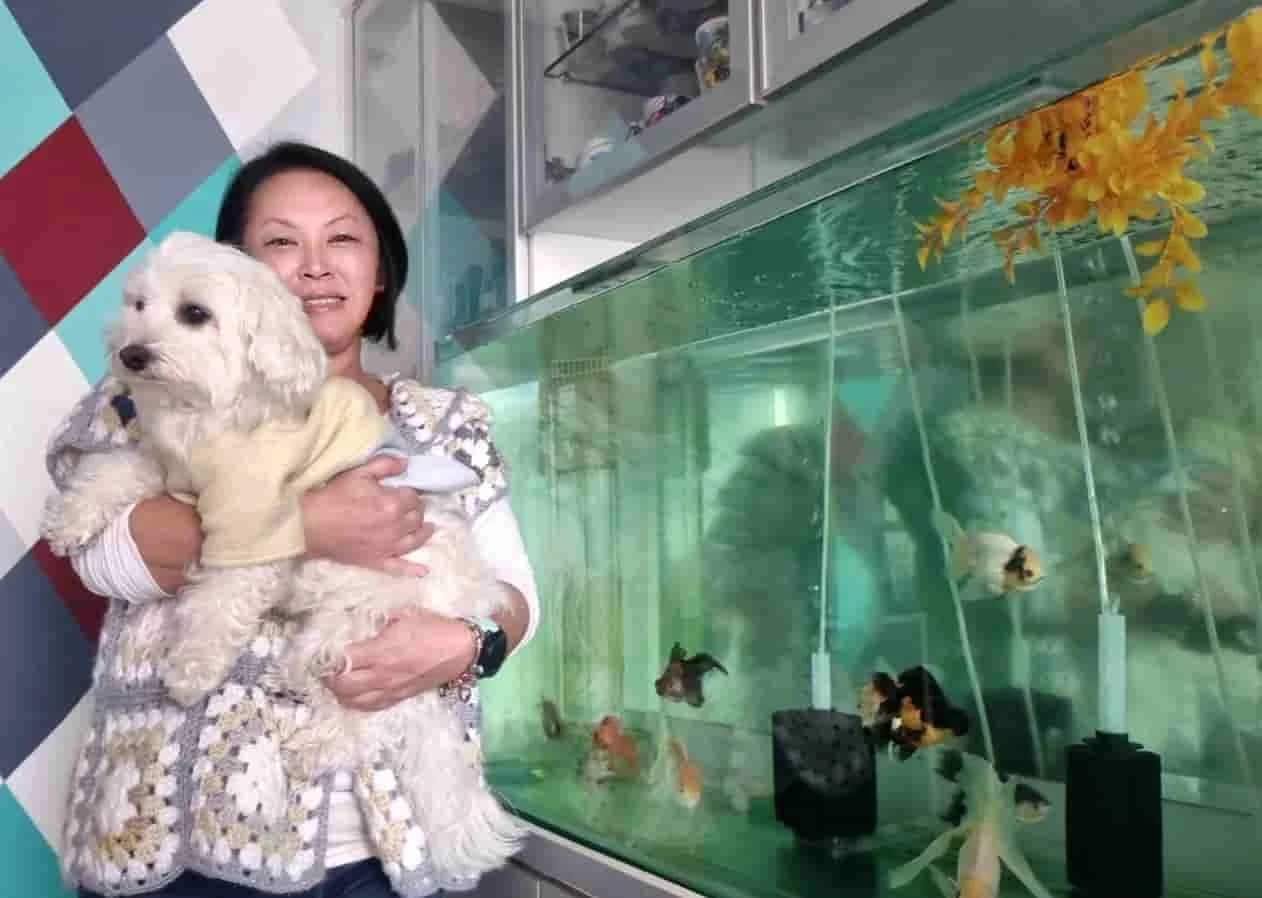
🏠 The 100G Lab
Where we torture test every hardware option, pellet line, and filter layout live.

🏃♀️ Grit & Eye
Marathon endurance meets the precise, millimeter structural focus of a seamstress.
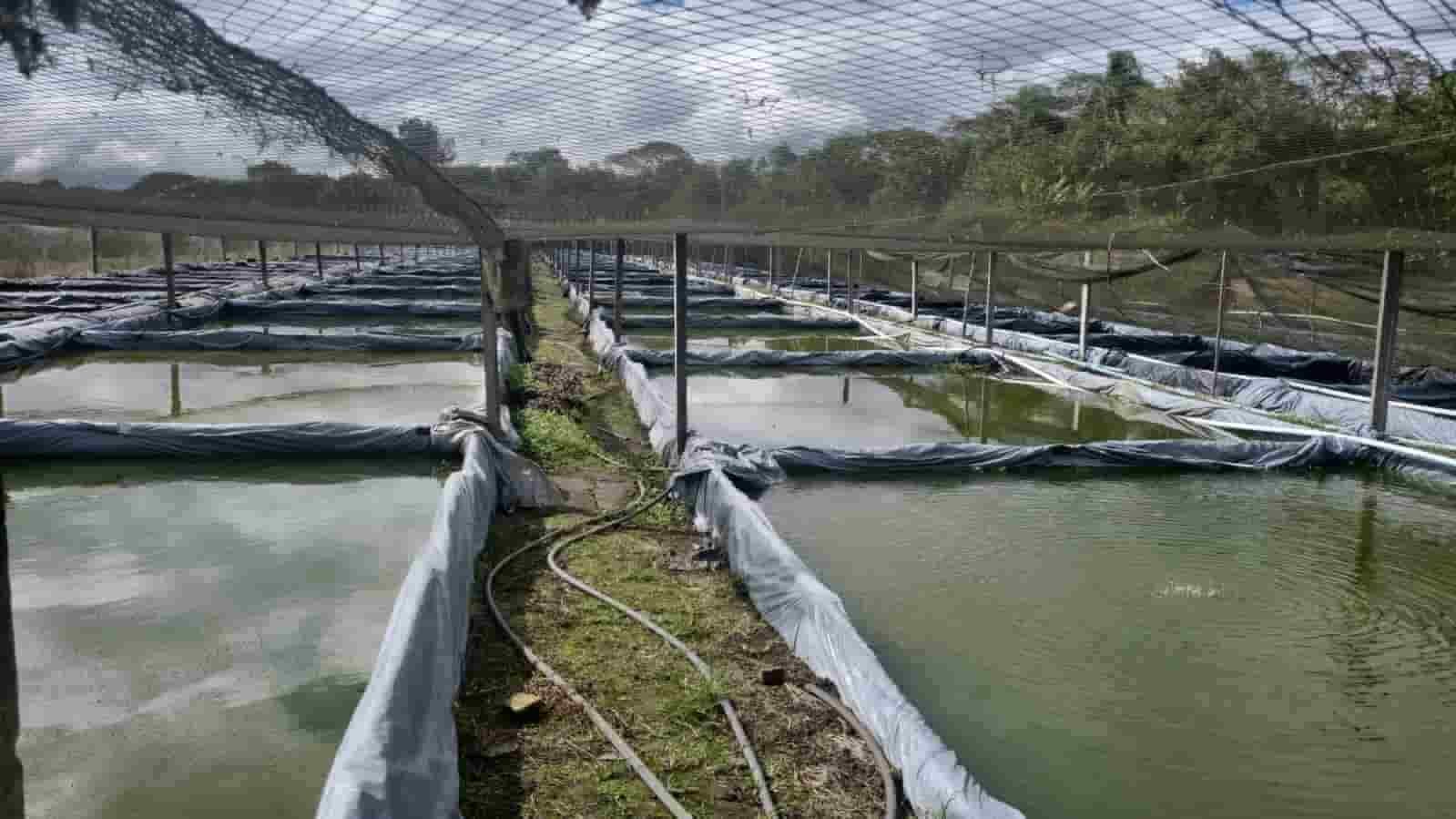
🐳 Monster Vats
Analyzing massive continuous turnovers inside large open-air mud farm vats.
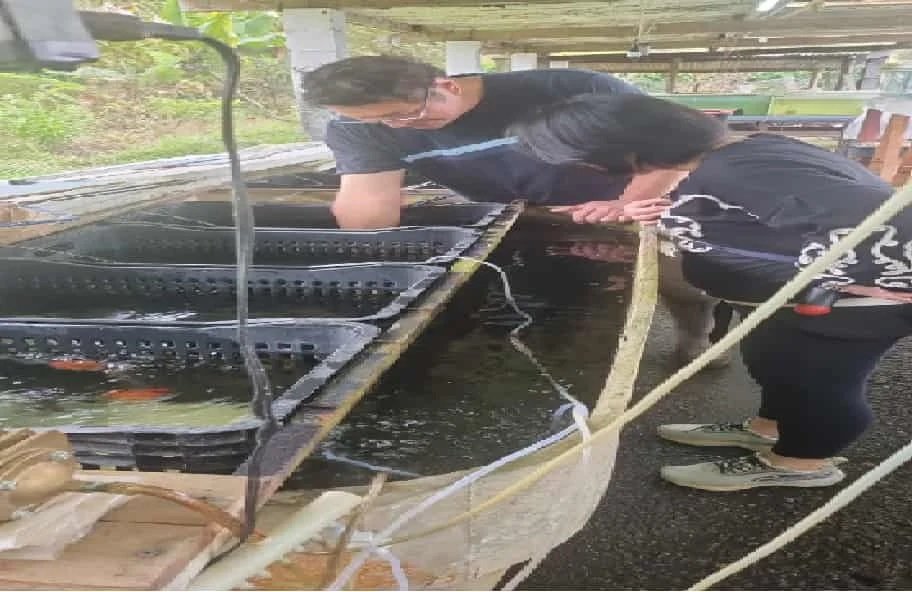
🤝 True Alliances
Working hand-in-hand with regional facility operations to target elite fancy bloodlines.
Read also: Goldfish Loss of Appetite Fix
A deeply technical piece of content that perfectly complements this post — absolutely worth the read.