
Let’s face the cold, hard truth: life on the road as a traveling professional is absolutely brutal on hardware. You are constantly shoving your computer into overstuffed backpacks, running through crowded airport terminals, and working on tiny, unstable airplane tray tables. Finding the most reliable heavy duty work laptops for consultants is the only way to avoid the nightmare of a sudden system crash right before a massive client presentation. If your machine dies in the middle of a high-stakes project, you are not just losing a piece of plastic—you are losing client trust, valuable billable hours, and your sanity.
Over at Valtersky, our dedicated support team and laptop hardware specialist have spent years repairing systems that failed at the worst possible moments. We have seen beautifully designed ultra-thin laptops snap in half just because a client accidentally sat on their bag during a commute. Our job is to help you filter out the marketing hype and focus strictly on structural integrity, thermal efficiency, and long-term hardware value. Investing in a truly durable machine gives you absolute peace of mind, knowing your office is safe in your backpack wherever you land.
Last month, a senior management consultant came into our shop sweating bullets because his sleek, consumer-grade notebook had completely warped. The screen was flickering, and the chassis was bent, making it impossible to type a single coherent email. We had to recover his data from a soldered drive, which was an absolute nightmare that could have been completely avoided. He ended up swapping his flashy, fragile machine for a rugged enterprise model, and he has not had a single day of downtime since.
Look, steer clear of certain brands because it is a total trap designed to sell you glossy screens and thin metal frames that crumble under the slightest pressure. To make sure you do not throw your hard-earned money down the drain, you need to understand what actually happens to hardware when it is put through the real-world ringer. Let us break down the exact specifications that differentiate a fragile, overpriced toy from a true commercial-grade workhorse.
In 30 Seconds: The Quick Verdict
If you are standing at the repair counter and need a straight answer right now, here is our brutal, honest take on finding a solid, heavy-duty laptop:
- Forget the Fluff: Stop buying laptops designed for coffee shops; you need a machine certified with military-grade drop tests (MIL-STD 810H) to survive drop shocks and spills.
– **Key Hardware Priority**: Look for models with reinforced magnesium alloy frames, spill-resistant keyboards, and easily serviceable storage drives.
– **The Ideal Size**: Stick to the 14-inch form factor because it offers the perfect balance between screen real estate and structural rigidity, preventing chassis flex.
– **The Final Verdict**: Stick to premium business lineups like Lenovo’s ThinkPad T or X series, Dell’s Latitude 7000/9000, or HP’s EliteBook series. They are designed to be repaired, not replaced, when a component inevitably gets dinged.
Why Traditional Laptops Fail Under Consulting Pressure
Most consumer-grade laptops look incredibly gorgeous on a store shelf, but they are built to live a pampered life on a clean desk. Once you start traveling, those sleek plastic frames begin to bend, causing micro-fractures on the motherboard over time. The hinges, which are often anchored into cheap plastic mountings, eventually snap off entirely after a few thousand open-and-close cycles.
Furthermore, consumer machines rarely feature spill-resistant designs, meaning a single drop of coffee can immediately short-circuit your entire system. A professional-grade workstation, on the other hand, utilizes internal drain holes and protective barriers to route liquids away from sensitive electronic components. This structural separation is what keeps your data safe when accidents happen in chaotic environments.
However, it is important to note that heavy-duty commercial laptops are built with structural rigidity in mind; this means they are inevitably thicker and heavier than their ultra-slim counterparts, which might feel slightly bulky if you prefer carrying a feather-light bag. For most consultants, carrying an extra half-pound of high-grade metal is a small price to pay for a machine that refuses to die in the field.
The Reality of the Battlefield
Let’s pull back the curtain on some of the biggest marketing promises made by manufacturers today and look at how they hold up in the wild.
High-end aluminum unibody designs look incredibly premium and offer excellent rigidity against twisting forces. But once you accidentally dent an aluminum corner, that metal stays bent forever, often putting permanent physical pressure on the glass display panel until it eventually cracks under thermal expansion.
Similarly, ultra-bright glossy screens offer beautiful contrast and vivid colors for reading documents. However, the glass reflections under bright airport fluorescent lights can cause massive eye strain over a six-hour layover, rendering the screen practically useless unless you sit at a very specific, awkward angle.
We also see manufacturers boasting about silent, fanless designs that promise zero noise during quiet board meetings. But without active cooling fans, these machines thermal-throttle to a crawl the second you run a complex Excel macro or host a multi-user video call, leaving you with a laggy cursor and an overheating chassis.
The Client Meeting Disaster: A Common Mistake
Imagine arriving at a massive client headquarters for a critical workshop. You sit down in the boardroom, open your premium-looking consumer laptop, and plug in the HDMI cable to present your slides. Nothing happens. You wiggle the cable, reboot the machine, and try again, but the flimsy, consumer-grade port has worn loose from months of travel.
As the client executives sit in silence, you are forced to email your slide deck to a coworker so they can present it for you, destroying your professional presentation flow. This is a classic hardware failure caused by weak physical ports that lack internal metal reinforcement brackets.
Heavy-duty enterprise laptops feature structurally reinforced ports anchored directly to the internal chassis frame. They are built to handle tens of thousands of cable insertions without losing physical connection or shearing off the motherboard.
Key Structural Features That Actually Matter
If you want a laptop that will last you for several years without needing constant trips to our repair shop, look for these physical traits:
- Magnesium Alloy Chassis: This material provides the highest strength-to-weight ratio available in modern business laptops; however, it lacks the shiny, scratch-resistant surface of polished aluminum, meaning it can pick up scuffs and look worn more quickly.
- Spill-Resistant Keyboard: Look for models that can channel up to a cup of liquid straight through the bottom of the machine; note that while this saves your motherboard, the keys themselves can still feel sticky afterward until they are professionally cleaned.
- Physical Port Selection: Having dedicated HDMI, USB-A, and dual Thunderbolt ports prevents the need to carry easily breakable dongles; although built-in ports are incredibly convenient, they do add physical thickness to the side profiles of the laptop.
- On-Site Warranty Support: Enterprise-grade laptops offer next-business-day on-site repair contracts; however, this level of service requires a premium tier investment upfront that adds to the overall hardware acquisition cost.
Comparing the Toughest Business Workhorses
The following table highlights the build quality and serviceability of the absolute best machines in the enterprise space today.
| Laptop Family | Chassis Material | MIL-SPEC Certified | Keyboard Replacement Ease | Port Durability Status | Primary Weakness |
|---|---|---|---|---|---|
| Lenovo ThinkPad T14 Series | Carbon Fiber / Magnesium Alloy | Yes (MIL-STD 810H) | Very Easy (External Screws) | Excellent (Reinforced Metal) | Rough, rubbery lid finish picks up finger oils easily |
| Dell Latitude 7000 Series | Aluminum or Carbon Fiber | Yes (MIL-STD 810H) | Moderate (Requires Bottom Cover Removal) | Very Good (Bracket Reinforced) | Slightly more chassis flex than the ThinkPad line |
| HP EliteBook 800 Series | All-Aluminum Chassis | Yes (MIL-STD 810H) | Difficult (Under-Motherboard Design) | Good (Board Soldered) | Aluminum dents permanently when dropped on hard corners |
| Panasonic Toughbook Series | Reinforced Full Magnesium | Yes (Extreme Rugged) | Varies by Model | Exceptional (Covered Ports) | Extremely thick and heavy, making it awkward for boardroom meetings |
Checklist for Deploying Your Consultant Workhorse
Use this checklist to ensure your new system is ready for the brutal realities of constant business travel:
- Confirm the laptop is one of the most reliable heavy duty work laptops for consultants with MIL-STD 810H certification; pro-tip: look for the specific testing report to ensure it was tested for vibration resistance, which is what protects your components during bumpy flights.
- Opt for a matte anti-glare screen panel; pro-tip: matte screens are a lifesaver in bright, poorly lit client offices, as they completely eliminate annoying reflections that cause headaches during long work sessions.
- Select a model with an easily removable bottom plate; pro-tip: being able to quickly open up the machine to clean out dust bunnies will prevent thermal throttling and keep your cooling fans running whisper-quiet.
- Choose dual-channel upgradeable RAM slots; pro-tip: avoid laptops with fully soldered memory, as a single bad RAM sector on a soldered board requires a complete motherboard replacement costing a fortune.
- Ensure the USB-C charging ports are physically reinforced; pro-tip: because you plug in your charger daily, look for ports that are screwed into the frame rather than held in place solely by delicate solder points.
- Verify the spill-drain path of the keyboard; pro-tip: check the underside of the laptop for tiny square cutouts with drop symbols, which prove the keyboard has a physical channel to guide spilled drinks safely outside.
- Equip the machine with a self-encrypting SSD; pro-tip: hardware-level encryption secures your client’s confidential data without causing the performance lag associated with cheap software-based encryption tools.
- Set the battery charge limit to eighty percent in the BIOS; pro-tip: if your laptop is constantly plugged into a desk dock, limiting the maximum charge level prevents the lithium battery from swelling up and destroying your trackpad.
- Invest in a high-wattage GaN (Gallium Nitride) charger; pro-tip: GaN chargers are a fraction of the size of traditional silicon power bricks, saving valuable packing space in your carry-on luggage.
- Choose a keyboard with a high travel distance; pro-tip: keyboards with at least 1.5mm of key travel provide a tactile response that prevents bottoming out, keeping your hands fresh after typing long reports.
- Verify the manufacturer’s global warranty coverage limits; pro-tip: make sure your service contract covers repairs in the specific international regions you frequently visit, not just your home country.
👇 Looking for more performance cheats? Check out our field-tested tactical blueprints:
Guides for Your Next Workspace
Professional Laptops
The definitive blueprint to selecting high-performance, enterprise-grade workstations engineered to scale your productivity.
Budget Tech Tools
Practical strategies and low-cost digital tools engineered to maximize office performance without breaking your budget.
Power User Gadgets
Advanced hardware, desk automation tools, and elite tech ecosystems built to completely eliminate workflow bottlenecks.
Frequently Asked Questions (From the Repair Bench)
Let’s answer some of the absolute most common questions we get from traveling professionals who are tired of dealing with broken computers.
Why should I choose an enterprise laptop over a consumer model that has better specs? Because consumer models prioritize shiny specs and thin profiles over structural survival. Enterprise machines are built with internal magnesium roll cages, reinforced ports, and modular designs that make them incredibly easy to repair when a part fails on a trip.
Are all-aluminum laptops more durable than carbon fiber ones? Not necessarily. Aluminum looks beautiful, but it holds dents permanently when dropped, which can pinch internal displays or crack motherboards. Carbon fiber and magnesium alloy bend slightly under impact and spring back to their original shape, absorbing shock much better.
Do I really need military-grade (MIL-SPEC) certification for office work? Yes, if you travel. MIL-STD 810H certification means the laptop has been shaken, dropped, heated, and frozen in testing labs. It guarantees the machine can handle being crammed into tight overhead bins and surviving bumpy car rides without internal components coming loose.
Should I buy a laptop with a soldered solid-state drive (SSD)? Avoid them at all costs. If your motherboard has a electrical issue or gets wet, a soldered drive makes data recovery incredibly difficult and expensive. A removable M.2 drive allows any technician to pull your data out in under two minutes and swap it into a temporary machine.
Is a touchscreen worth the extra cost for a traveling consultant? For most people, absolutely not. Touchscreen panels add extra weight, drain your battery significantly faster, and are highly prone to glare under office lighting. Unless you physically present slide decks by drawing on your screen, stick to a standard non-touch matte panel.
How can I prevent my laptop battery from swelling over time? Battery swelling is caused by heat and constant high-voltage states. Use your laptop’s battery management software to limit the maximum charge to 80% if you keep it docked most of the day. Keeping the machine off soft, carpeted surfaces during heavy tasks also keeps thermals under control.
Why do some business keyboards feel so much better than consumer ones? It comes down to key travel and backplate stiffness. Premium business machines use thick, structurally supported keyboard backplates that do not flex when you type aggressively, giving you a crisp, predictable tactile response with every keystroke.
Can I upgrade the components on these heavy-duty machines myself? On true business workhorses, yes. Models like the ThinkPad T-series or HP EliteBook are designed with standardized screws, allowing you to easily swap out the RAM, SSD, or Wi-Fi card with basic tools without voiding your hardware warranty.
Why Trust SKYTC Curated Gear?
At SKYTC, we simplify technology for you. We aren’t just another deals site; we are hardware experts obsessively focused on elite performance.
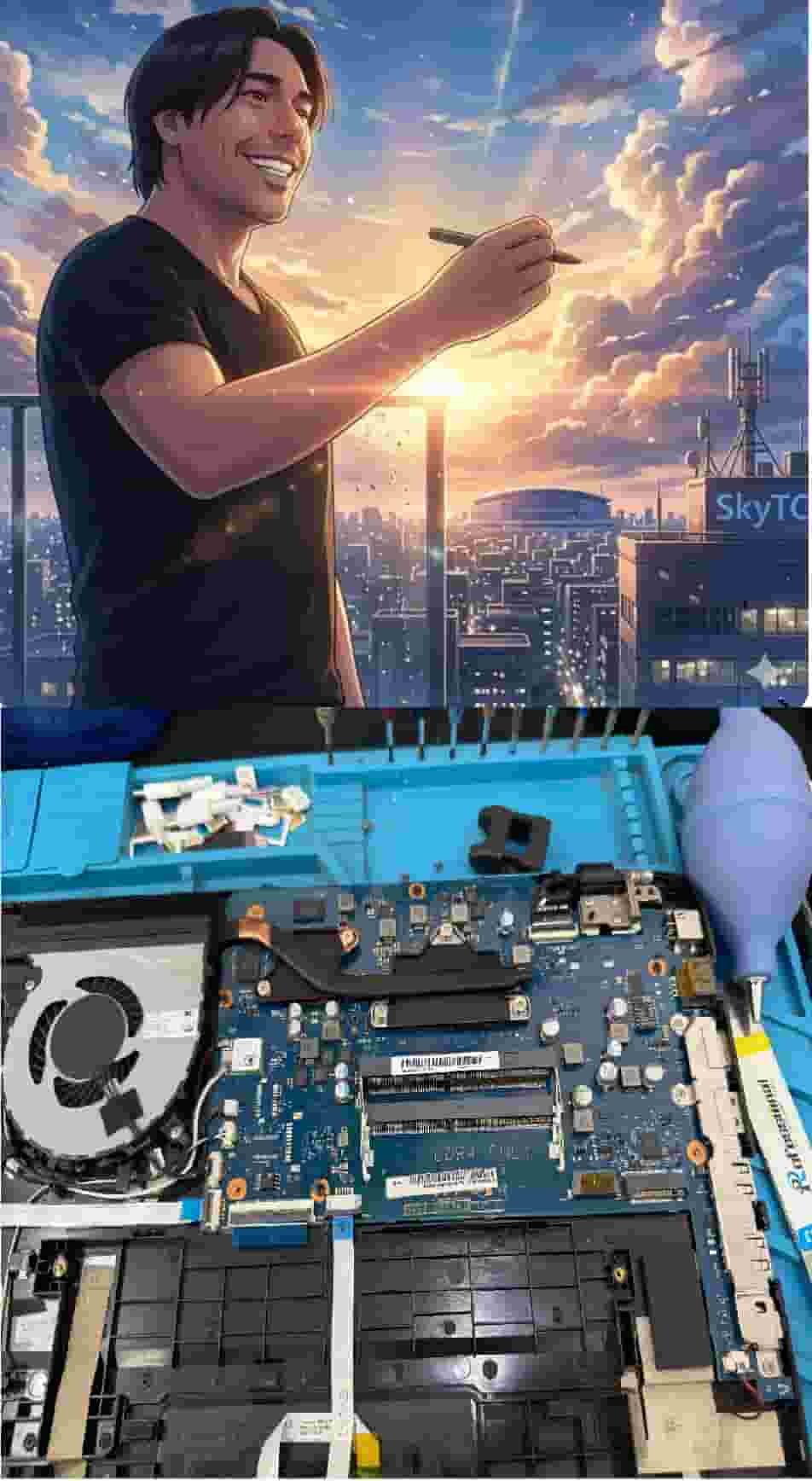
Technical Bio: Hardware & Laptops
“At SkyTC, technology is driven by engineering precision and real field experience. I am Valtersky, and I bring a unique background to the bench: from professional woodworking, the eye for structural integrity; from radiology, an absolute obsession with microscopic details.
As an ultra-endurance marathon runner, I don’t just browse store windows. I tear machines down, run intensive stress tests on thermal dissipation, and validate the actual build quality of every single component. My mission is to translate complex tech engineering and tech finances into smart decisions for your workflow.
Here, we speak straightforward, jargon-free English with the authority of someone who knows exactly what is inside the chassis.”
✨ Read also: How Magnesium Alloy Laptops Save Business Expenses
Content that perfectly complements this guide — highly recommended reading.