
You wake up, flick on the aquarium lights, and freeze in pure panic: your prized ranchu or broad-tailed oranda is hovering near the substrate with nasty, cotton-like white tufts sprouting across its dorsal ridge and flank. You rush online, searching for proven goldfish body fungus remedies, only to be flooded with contradictory pet-store fluff, useless herbal snake oils, and horrifying advice telling you to dump harsh chemicals into your main display tank.
Let’s cut through the sales noise right now. I have spent 8 years managing high-bioload aquatic setups—including my workhorse 100-gallon (400-liter) goldfish tank—while running long-distance marathons and working daily as a professional seamstress. In my sewing workshop, if a thread tension is off by a millimeter, the whole seam unravels. In high-bioload goldfish keeping, biological filtration and disease management work under the exact same unforgiving physics: take one sloppy shortcut, and your entire biological ecosystem crashes down around you.
True aquatic body fungus is not some mystical death sentence, but if you treat it with weak, bargain-bin remedies or misdiagnose it entirely, you will suffocate your fish and dissolve your beneficial bacteria in one swift move. Master the field-tested protocol outlined below, and you will save your fish’s life in under a week, protect your investment in premium biological media, and permanently eliminate the chronic water quality mistakes that invite pathogen outbreaks in the first place.
The Water Parameter: The Nitrate Cycle
Tech Support Counter Verdict: True fungal cotton growth (*Saprolegnia* and *Achlya*) is an opportunistic secondary invader, not a primary pathogen that attacks healthy fish out of nowhere. Fungi spores exist in every freshwater tank on the planet, but they cannot penetrate an intact, healthy goldfish slime coat. They only colonize dead tissue, open physical abrasions, ammonia-scorched skin, or fish with immune systems completely wrecked by chronic nitrate toxicity.
If your background nitrates run persistently high because your filtration is under-sized or your water-change habits are lazy, your goldfish live in a constant state of low-grade chemical stress. Stop looking for a magic chemical cure until you test your water. If your ammonia or nitrite is above zero, or your nitrates are locked in high ranges, fix your mechanical extraction and biological parameters first. No antifungal treatment on earth can save a fish swimming in liquid metabolic waste.
Technical Comparison: Goldfish Body Fungus Remedies and Chemical Profiles
| Treatment Modality | Primary Active Compound | Biofilter Toxicity Risk | Pathogen Target Profile | System Cost Tier |
|---|---|---|---|---|
| Pure Non-Iodized Salt Bath | 100% Sodium Chloride (NaCl) | Zero (In quarantine tank) | True Fungus & Ectoparasites | Budget-friendly options |
| Topical Methylene Blue Swab | Tetramethylthionine Chloride | Lethal (Destroys bio-colonies) | Deep Fungal Hyphae & Wounds | Budget-friendly options |
| Malachite Green / Formalin Complex | Triarylmethane & Formaldehyde | Severe (Suppresses autotrophs) | Fungus, *Saprolegnia*, Protozoa | Mid-tier standard |
| Synthetic Nitrofurazone Complex | 5-Nitro-2-Furaldehyde Semioxamazone | Moderate (Dose-dependent) | Secondary Bacterial Ulcers / *Columnaris* | Premium tier investment |
| Botanical Melaleuca Extracts | Terpinen-4-ol Essential Oils | Low (Reduces dissolved O2) | Mild Surface Irritation (Ineffective on Fungus) | Bargain-bin accessories |
Field-Tested Goldfish Body Fungus Remedies That Won’t Nuke Your Tank
When battling cotton-wool tufts, your first tactical move is distinguishing true fungal *Saprolegnia* from bacterial *Columnaris* (cotton-mouth disease). True fungus looks like raw, thread-like cotton batting radiating outward from an injury site; *Columnaris* presents as flat, velvety white-grey slime patches that erode skin tissue rapidly. If you treat a virulent bacterial infection with a mild antifungal, your goldfish will perish in forty-eight hours.
For true fungal invasions, the undisputed lab macete is the two-pronged attack: high-concentration saline osmoregulatory therapy combined with direct topical antiseptic swabbing in a bare-bottom hospital tub. This completely bypasses the catastrophic mistake of pouring harsh dyes into your main display tank, isolating the chemical stress exclusively to the infected fish while preserving your 100-gallon biological engine intact.
The Bare-Metal Trial: Pros, Cons, and Real-World Wear
Pure Sodium Chloride (Aquarium Salt Dip Protocol): The ultimate physical osmoregulatory treatment.
The Good: Pulls fluid out of fungal cell walls via osmotic pressure, causing the fungal hyphae to collapse and slough off naturally while boosting your goldfish’s natural slime coat production without leaving chemical residues.
The Bad: Requires precision gram-scale measurement; dumping raw unbuffered salt rocks straight into a tank can cause severe epidermal osmotic shock and sink to burn the fish’s belly.
Targeted Methylene Blue Topical Application: Clinical deep-tissue fungal cauterization.
The Good: Destroys fungal spores on contact and bonds to exposed sub-dermal tissue, acting as an artificial electron donor to prevent cellular hypoxia in diseased goldfish.
The Bad: Stains absolutely everything it touches—including aquarium silicone, nets, skin, and clothing—a permanent deep blue, and will totally vaporize your nitrifying biofilm if introduced to your filter media.
Commercial Botanical & Tea-Tree Oils: Over-the-counter aromatic remedies.
The Good: Smells fresh and gives nervous beginners a false sense of security without immediately killing biological nitrifiers.
The Bad: Completely useless against aggressive, entrenched fungal root structures; leaves an oily film across the water surface that suffocates surface gas exchange and strains goldfish labyrinth and gill membranes.
The Wet-Bench Trial: Real Pump and Media Degradation
Formalin, malachite green, and intense chemical dyes deliver rapid pathogen knockdowns in controlled laboratory dips; however, dosing these aggressive industrial compounds directly into a running display aquarium causes horrific structural hardware degradation. The active aldehydes and synthetic dyes aggressively oxidize dynamic rubber O-rings, hardening synthetic seals until canister filters develop catastrophic bypass leaks around head gaskets.
Furthermore, these potent oxidizing agents attack the polymer matrix of plastic filter impellers and score ceramic shafts through micro-pitting. More dangerously, broad-spectrum chemical baths immediately eradicate the delicate autotrophic nitrifying biofilm inhabiting your high-porosity ceramic rings. Within thirty-six hours of in-tank dosing, your biological filtration collapses into a stagnant dead zone, turning your filter into a toxic sludge reservoir that triggers violent ammonia spikes while your pump struggles against increased hydraulic resistance.
The Classic Rookie Trap: The Main-Display Chemical Dumpster Fire
Let’s map out the classic disaster scenario: Brandon spots a patch of white fuzz on his lionhead goldfish. Panicking, he runs to a big-box pet store, buys a bottle of cheap multi-cure dye, and dumps four capfuls directly into his fully cycled, beautifully planted display tank.
Within twelve hours, his crystal-clear water turns an ugly, neon turquoise. His live plants melt into brown mush, his expensive canister filter’s biological bacteria starve and die, and his clear silicone seams are permanently stained blue. By day three, his ammonia skyrockets off the charts, the dissolved oxygen level plummets because the chemical stripped the water column, and his lionhead is now gasping at the surface, suffering from acute ammonia poisoning on top of the original body fungus.
👇 Looking for more performance cheats? Check out our field-tested tactical blueprints:
The Goldfish Ecosystem Blueprint
Complete your advanced technical training loop by exploring our core evergreen resources.
How to Feed Goldfish for Maximum Lifespan
A deep breakdown of digestive tract mechanics, bloating prevention, and premium sinking diets.
How to Maintain a 100 Gallon Goldfish Tank
Large-scale system parameters. Deep sand bed mechanics, nitrogen cycling, and bioload management.
Ultimate Guide to Goldfish Tank Filtration
Heavy-duty hardware configurations. Optimizing parallel canisters, bio-media setups, and automation.
The Filter Cycle: Parametric Water Management Checklist
- Deploy proven goldfish body fungus remedies in hospital tanks. Expert Tip: Never dose antifungal dyes into your main display setup; isolate the sick fish in a dedicated, aerated bare-bottom quarantine container.
- Test raw ammonia and nitrite parameters immediately. Expert Tip: Any reading above zero parts per million chemically scorches protective epidermal mucus, leaving a wide-open biological highway for fungal spore colonization.
- Administer concentrated non-iodized aquarium salt baths. Expert Tip: Maintain a dedicated saline treatment bath to dehydrate external fungal cell walls without stressing your main biological filter media.
- Swab severe fungal patches topically with Methylene Blue. Expert Tip: Use a sterile cotton applicator to paint dye directly onto infected lesions for thirty seconds, keeping the chemical completely away from the fish’s sensitive gills.
- Crank up supplementary mechanical aeration during all treatments. Expert Tip: Medicated water holds significantly less dissolved oxygen; run heavy-duty air stones to prevent respiratory distress during recovery protocols.
- Extract all chemical carbon media before starting treatments. Expert Tip: Activated carbon and synthetic adsorption resins immediately pull active medications out of solution, rendering your treatment completely useless.
- Conduct daily fifty-percent bottom-siphoning water changes in quarantine. Expert Tip: Physically vacuuming the bare hospital floor removes cast-off fungal spores and dead tissue before they can re-infect open epidermal lesions.
- Inspect physical aquarium decor for sharp abrasive edges. Expert Tip: Rough resin castles and jagged rocks strip protective scales off clumsy fancy goldfish, creating the primary physical puncture wound fungus requires.
- Maintain water temperatures within stable species-specific ranges. Expert Tip: Rapid temperature swings crash goldfish immune response; utilize a reliable titanium heater to lock temperature steady during treatment.
- Disinfect nets and maintenance tools between every tank. Expert Tip: Submerge nets in a concentrated disinfectant dip to stop the mechanical transmission of fungal spores across multiple aquatic systems.
- Feed high-protein fortified sinking pellets during active recovery. Expert Tip: Providing easily digestible nutrition rich in stabilized vitamin C accelerates tissue regeneration and rebuilds compromised slime coat barriers fast.
The Goldfish Ecology: Straight Answers to Filtration Queries
Can true body fungus heal on its own without medication?
No. Fungi are parasitic decomposers that send invasive root structures (hyphae) deep into your goldfish’s muscle tissue and vascular system. Once visible cotton tufts appear, the infection is actively consuming dead and living cellular tissue. Without aggressive mechanical salt dips or topical antiseptic intervention, the fungus will spread across the body, invade the gill plates, and trigger fatal systemic organ failure.
Is Pimafix or Melafix effective for severe goldfish fungus?
No, they are a complete waste of your hard-earned cash. These botanical tea-tree oil extracts possess extremely mild, superficial antiseptic properties that cannot penetrate dense, advanced *Saprolegnia* fungal mats. Worse, the essential oils coat the water surface, impeding vital gaseous exchange and coating sensitive goldfish gill filaments in a sticky organic film that causes severe respiratory stress.
How do I tell the difference between body fungus and Columnaris?
Look at the physical texture. True fungus (*Saprolegnia*) looks like fluffy, three-dimensional cotton balls or stringy wool fibers protruding outward from the body. *Columnaris* is a vicious bacterial infection that creates flat, slimy, white-to-yellowish necrotic patches, often spreading like a saddle across the dorsal ridge or causing rapid mouth rot. Columnaris requires aggressive antibacterial antibiotics, not standard antifungals.
Can I add aquarium salt directly to my main planted display tank?
Do not do it. While goldfish tolerate moderate salinity exceptionally well, live aquatic plants will melt into brown sludge at therapeutic salt concentrations. Furthermore, porous substrate and biological filter rings can trap high sodium loads that become difficult to flush out without performing massive, disruptive water changes. Always conduct saline eradication baths in a bare-bottom quarantine container.
Why did my goldfish develop fungus after a routine water change?
You either suffered a massive temperature shock or introduced municipal tap water containing unneutralized chlorine and chloramines. Sudden temperature drops severely depress goldfish immune function, while residual chlorine burns off the delicate protective mucus coating on their skin. Fungal spores drifting in the water immediately latch onto the chemically scorched, unprotected skin cells.
Will Methylene Blue permanently ruin my canister filter?
Yes, absolutely and completely. Methylene Blue is a non-selective biocidal dye that instantly penetrates and destroys both gram-positive and gram-negative nitrifying bacterial colonies. If you pour it into your main tank, your biological cycle is instantly murdered, your ammonia will spike to lethal levels, and every piece of plastic media, sponge, and clear silicone seam will be permanently stained deep indigo.
How long should a goldfish remain in the hospital quarantine tank?
Keep the fish isolated for a minimum of ten to fourteen days. Even after the visible cotton fuzz sloughs off and disappears, microscopic fungal hyphae and reproductive spores linger in the sub-dermal tissue. Returning the fish to the main display too early invites immediate reinfection and exposes weakened, recovering skin to competitive tankmates and background bacteria.
Can poor mechanical filtration directly trigger a fungal outbreak?
Yes. When coarse mechanical sponges and polishing pads are neglected, decomposing fish waste, sloughed slime coat, and uneaten food turn into an organic sludge bed inside your filter. This massive bio-load fuels explosive heterotrophic bacterial and fungal spore reproduction in the water column, exponentially raising the pathogen pressure against your goldfish’s immune defenses.
🛡️ │ WHY TRUST SKYTC GOLDFISH CARE CURATION?
At SKYTC, we hold aquatic ecosystem biology and biological parameter handling to a rigorous standard. We are not an automated affiliate review engine; we apply hands-on tests and serious filtration engineering workflows to ensure every recommendation guarantees the health and maximum lifespan of your fish with absolute safety.
✓ Engineering:
Structural experience backed by heavy-duty filtration math, continuous hydraulic turnover metrics, and robust mechanical support for large-scale coldwater systems.
✓ Expertise:
Focuse on preventative biological husbandry and premium nutrition. Thoroughly auditing biological media, sinking feeds, and elements that completely neutralize ammonia spikes.
✓ Authority:
Curation signed by real keepers running a balanced 100-gallon display ecosystem for over 8 years, pairing daily practical benchwork with direct wholesale breeder insights.
✓ Trust:
Product selections built on unfiltered transparency—exposing actual electrical draws, heat dissipation issues, and hidden costs before any Amazon recommendations.
📸 Our Journey in the Real World
From daily living room tank turn rates to macro-scale breeding setups.
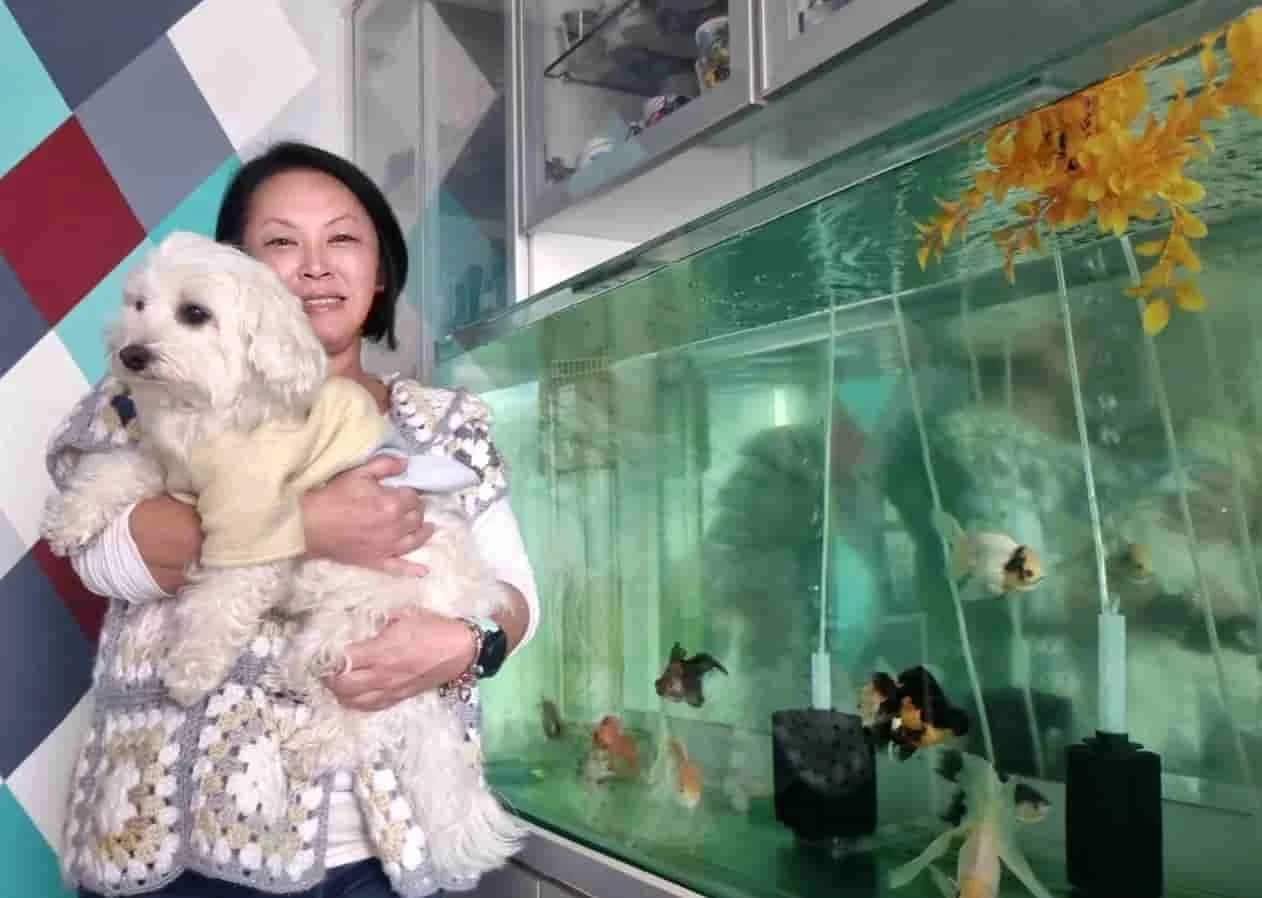
🏠 The 100G Lab
Where we torture test every hardware option, pellet line, and filter layout live.

🏃♀️ Grit & Eye
Marathon endurance meets the precise, millimeter structural focus of a seamstress.
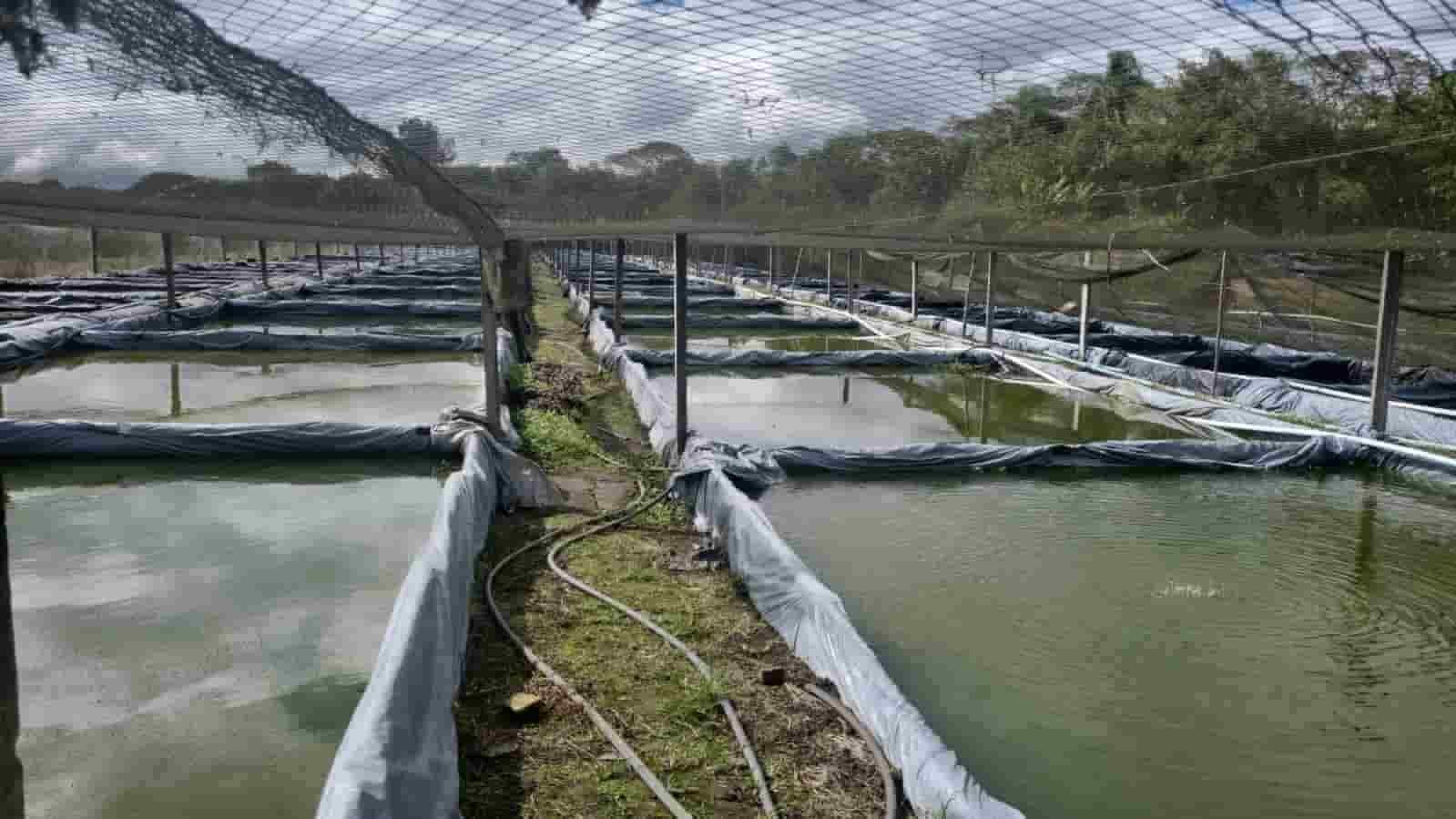
🐳 Monster Vats
Analyzing massive continuous turnovers inside large open-air mud farm vats.
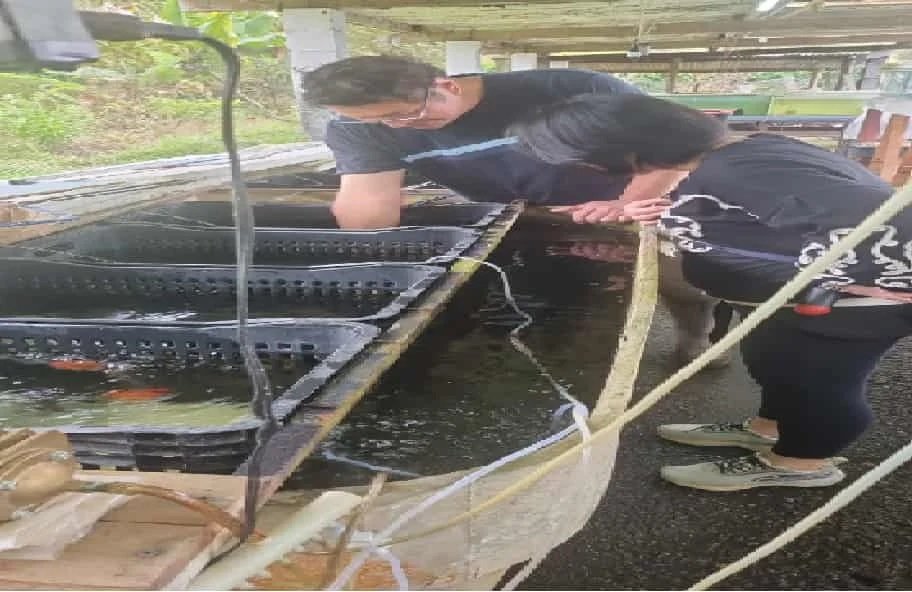
🤝 True Alliances
Working hand-in-hand with regional facility operations to target elite fancy bloodlines.
Read also: How to Use Heat to Treat Ich: The Heavy-Bioload Thermal Eradication Protocol
WARNING: Operating high-output thermal heaters in heavy-bioload systems without supplementary mechanical aeration triggers dynamic dissolved-oxygen collapse, accelerates magnetic shaft friction shearing, and induces catastrophic biological filtration degradation.