
Seeing white film, milky shreds, or clear mucus floating off your aquatic pet can cause instant panic, prompting every worried keeper to ask: why is my goldfish peeling? This unsettling symptom usually indicates that your fish’s protective mucus layer or outer skin cells are shedding rapidly in response to severe environmental stress, chemical burns, or parasite irritation.
As someone who has maintained a 100-gallon (400-liter) goldfish aquarium for over eight years, I have seen almost every physical distress signal these fish can display. When I am not stitching custom garments as a professional seamstress or logging miles on pavement during long-distance marathons, I am closely examining water chemistry and skin conditions under backlighting. Goldfish health requires the same patience as fine needlework: if you miss a single loose thread in your water parameters, the entire system unravels.
Identifying the precise trigger behind skin sloughing allows you to reverse water chemistry blunders quickly, saving your fish from fatal secondary bacterial infections and granting you complete peace of mind.
In 30 Seconds
Here is the raw bench diagnosis without filler:
1. Peeling skin or shedding film is almost always hyper-active slime coat production caused by toxic water chemistry (ammonia or nitrite burns) or skin parasites like Costia and Chilodonella.
2. Check your water chemistry immediately with a liquid drop test kit—chlorine, chloramines, or sudden pH crashes strip protective mucus fast.
3. Stop throwing random cure-all medications into the water; uncalibrated chemical treatments irritate damaged skin even further.
4. Perform an immediate 30% water change using a high-quality water conditioner, boost tank aeration, and salt the water slightly if parasites are ruled out.
Bottom line: Fix the underlying water quality first, because no synthetic coating bottle will fix a fish swimming in chemical toxins.
Understanding the Goldfish Mucus Coat and Epidermis
To understand why skin sloughing occurs, you must grasp how a goldfish protects itself in water. Unlike mammals with dry keratinized skin, a goldfish relies on a delicate living epidermis covered by a specialized glycoprotein barrier known as the slime coat. Specialized goblet cells in the skin continuously secrete this slippery mucus.
This biological barrier performs several critical jobs: it lubricates the fish’s body for effortless swimming, blocks dangerous pathogens like bacteria and fungi, and maintains osmotic balance. Because a goldfish’s blood contains higher salt concentrations than the surrounding fresh water, water constantly tries to enter through the skin via osmosis. The slime coat acts as a waterproof seal keeping water influx at a manageable level.
When foreign irritants, caustic chemicals, or microscopic parasites attack the epidermis, the goblet cells go into overdrive. They produce massive quantities of thick, low-density mucus to slough off the invader. When this excessive slime detaches in sheets, it looks like milky, peeling skin drifting behind the fish.
The Reality of the Battlefield
Hobby marketing promises that liquid chemicals and multi-purpose biological tonics will fix skin peeling instantly. In real-world aquarium keeping, relying on cheap gear and false marketing promises frequently leads to dead fish.
Paper test strips offer quick, mess-free parameter readings, but their chemical pads degrade rapidly when exposed to indoor humidity, providing inaccurate false negatives for toxic ammonia that hide active skin-burning conditions. Likewise, commercial slime-coat additives claim to rebuild protective layers instantly, however these thick aloe-based formulas coat filter media, reducing gas exchange and suffocating beneficial bacteria in heavily loaded systems.
Hang-on-back power filters deliver easy maintenance access, but their flimsy plastic impellers warp over time, losing flow rate suddenly and letting biological waste accumulate until toxic spikes burn fish skin.
Primary Root Causes: Why Is My Goldfish Peeling
Restoring your fish requires isolating the exact stressor triggering the shedding response. Never assume it is just one isolated issue.
Chemical Burns from Ammonia and Nitrite Spikes
Free ammonia and nitrite are caustic cellular poisons. When ammonia levels rise above zero, the molecule penetrates the protective mucus layer, destroying delicate epithelial cells on the body and gills. The fish responds by producing excessive slime, which rapidly dies and peels away in ragged sheets.
High-ammonia burns are often accompanied by red-streaked fins, rapid gill movement, and erratic swimming. If you notice your fish gasping at the surface while shedding film, chemical water burning is the primary suspect.
Parasitic Infestations: Costia, Chilodonella, and Flukes
Microscopic protozoan parasites are infamous for causing massive slime coat sloughing. Costia (Ichthyobodo) and Chilodonella multiply rapidly on stressed fish, using microscopic hooks to attach to epidermal cells. This relentless mechanical irritation forces goblet cells to produce excessive mucus in a desperate attempt to wash the parasites away.
Fish suffering from heavy protozoan loads display a dull, cloudy sheen across their backs, frequently flash (rub their bodies against gravel or ornaments), and keep their fins clamped tightly against their sides.
pH Shock and Carbonate Hardness Crashes
Goldfish prefer stable water with a pH between 7.2 and 8.0. If tap water parameters fluctuate or organic waste consumes all the carbonate hardness (KH) in an unbuffered tank, the pH can crash suddenly from 7.5 down to 6.0. This rapid acidification causes severe acid burns across the skin, causing the outer mucus layer to instantly turn milky white and peel off.
Similarly, moving a fish directly from a hard-water shipping bag into soft aquarium water without proper drip acclimation triggers immediate osmotic shock and skin shedding.
Chlorine and Chloramine Exposure
Municipal tap water contains chlorine or chloramines to kill bacteria. If you perform a routine water change and forget to add a neutralizer—or use an under-dosed cheap conditioner—chlorine strips the slime coat within minutes. It oxidizes living cell membranes, causing the outer skin tissue to turn pale, fray, and peel away in large clear sheets.
Hypothetical Error Scenario: The Over-Cleaned Bio-Filter Trap
Consider the story of a beginner keeper named Sarah. Sarah noticed a bit of dirt accumulating on her filter media and decided to perform a deep clean. She dragged her canister filter to the kitchen sink and scrubbed every sponge under burning hot tap water, completely sanitizing the beneficial biological bacteria colonies.
Unaware that she had destroyed her bio-filter, Sarah reassembled the unit and fed her fancy goldfish a heavy meal. Within forty-eight hours, un-processed waste created an unseen ammonia spike. Sarah noticed her goldfish drifting near the corner with thin white strings peeling off its sides. Thinking it was a fungal disease, she poured strong copper medication straight into the tank without testing her water parameters.
The harsh chemical medication combined with the unmitigated ammonia burned the fish’s skin even worse, causing the slime coat to peel off in large rags. Sarah could have solved the issue in twenty minutes simply by checking her ammonia levels with a liquid kit and performing a clean water change instead of adding medication.
Comparative Breakdown of Peeling Symptoms vs Environmental Triggers
| Observed Symptom | Primary Environmental Cause | Immediate Action Required | Secondary Physical Sign |
|---|---|---|---|
| Milky sheets peeling off entire body | Ammonia or Nitrite Chemical Burn | 50% Water Change + Conditioner | Red-veined fins and surface gasping |
| Dull gray haze with localized peeling | Protozoan Parasites (Costia/Chilodonella) | Aquarium Salt + Aeration | Flashing against decorations |
| Rapid white film sloughing post-water change | Chlorine / Chloramine Exposure | Triple-Dose Dechlorinator | Lethargy and clamped fins |
| Clear, stringy mucus trailing behind fish | Sudden pH Shock / KH Collapse | Buffer KH slowly with Baking Soda | Lying motionless on tank bottom |
Step-by-Step Action Plan to Restore the Protective Slime Layer
When you discover your fish shedding its protective coat, follow this structured emergency protocol to arrest skin damage and support biological recovery.
Step 1: Test and Correct Water Parameters Immediately
Run a full liquid test for ammonia, nitrite, nitrate, pH, and KH. If ammonia or nitrite reads above zero, execute an immediate 40% to 50% water change using temperature-matched water treated with a heavy-duty dechlorinator that neutralizes toxic compounds for up to 48 hours.
Step 2: Add Pure Aquarium Salt (Sodium Chloride)
Non-iodized aquarium salt is one of the safest, most effective treatments for skin recovery. Dose 1 gram of salt per liter (roughly 1 rounded tablespoon per 5 gallons) into your aquarium. Salt reduces osmotic stress on damaged skin tissue, kills external protozoans, and stimulates natural slime coat regeneration without harming biological filtration media.
Step 3: Maximize Surface Oxygenation
Damaged skin and compromised gills reduce your fish’s ability to absorb oxygen. Add extra air stones powered by high-output air pumps to create vigorous surface agitation. Increased oxygen levels accelerate cellular repair and keep the fish comfortable while its slime layer rebuilds.
Troubleshooting Checklist
- Review this guide on why is my goldfish peeling whenever you spot milky film or ragged shreds trailing off your fish’s flanks.
- Test your aquarium water with a liquid master kit immediately upon noticing skin cloudiness.
- Ensure replacement water matches the main tank temperature within 2 degrees Fahrenheit during water changes.
- Verify that your water conditioner explicitly neutralizes both chlorine and toxic chloramines.
- Check that your carbonate hardness (KH) stays above 4 dKH to prevent sudden, acidic pH crashes.
- Remove rough plastic plants or sharp rocks that can scratch a fish with compromised skin.
- Avoid mixing multiple harsh medications simultaneously without knowing the exact underlying cause.
- Keep your filtration running continuously; never turn off filter pumps during water treatments.
- Rinse mechanical filter sponges strictly in bucket water removed from the tank, never raw tap water.
- Isolate newly acquired fish in a quarantine tank for at least three weeks to catch parasite outbreaks early.
- Observe your fish at night using a dim flashlight to spot subtle flashing or erratic swimming behaviors.
👇 Looking for more performance cheats? Check out our field-tested tactical blueprints:
The Goldfish Ecosystem Blueprint
Complete your advanced technical training loop by exploring our core evergreen resources.
How to Feed Goldfish for Maximum Lifespan
A deep breakdown of digestive tract mechanics, bloating prevention, and premium sinking diets.
How to Maintain a 100 Gallon Goldfish Tank
Large-scale system parameters. Deep sand bed mechanics, nitrogen cycling, and bioload management.
Ultimate Guide to Goldfish Tank Filtration
Heavy-duty hardware configurations. Optimizing parallel canisters, bio-media setups, and automation.
Frequently Asked Questions
Is slime coat peeling contagious to other fish in the same tank?
Skin peeling itself is a physiological symptom, not a transmissible disease. However, if the underlying trigger is a microscopic parasite like Costia or a severe water quality failure like an ammonia spike, every fish sharing that water will suffer the exact same damage very quickly.
Should I add synthetic slime coat liquids to help my fish heal?
Skip them. Most commercial slime coat additives are thick aloe Vera emulsions that temporarily coat the skin but do nothing to fix underlying water toxins. Pure aquarium salt mixed into clean, properly dechlorinated water stimulates the fish to produce its own natural, living slime coat far more effectively.
How do I tell the difference between Ich and shedding slime coat?
Ich looks like distinct, elevated salt grains sprinkled individually across the fins and body. Shedding slime coat looks like flat, cloudy patches, milky ribbons, or clear peeling shreds drifting off the skin. If the white marks look smooth or stringy rather than raised granules, it is slime coat sloughing.
Why does my goldfish start peeling immediately after a routine water change?
Immediate peeling after a water change points directly to water treatment errors or temperature shock. Either your tap water contained untreated chlorine/chloramines that chemically burned the skin, or the incoming water temperature was significantly colder or warmer than the tank water, triggering osmotic shock.
Can low pH cause a goldfish’s skin to slough off in sheets?
Absolutley. When organic waste depletes carbonate buffers, pH can plummet below 6.0 overnight. Acidic water burns delicate epidermal tissue, causing the fish’s protective mucus coat to instantly turn opaque, die, and peel off in large, distressing rags.
How long does it take for a goldfish slime coat to fully regenerate?
If water parameters are restored to optimal levels and stress is eliminated, a healthy goldfish begins rebuilding its mucus layer within 24 to 48 hours. Full epidermal repair typically takes five to seven days, provided secondary bacterial infections do not take hold.
Will feeding my fish higher quality food speed up skin repair?
High-protein sinking pellets enriched with vitamins support natural immune defense and tissue repair. However, holding off on heavy feeding while skin is actively peeling is smarter because unconsumed food decays rapidly, spiking ammonia levels and worsening skin burns.
Can a high concentration of aquarium salt burn damaged goldfish skin?
Excessive salt doses will cause irritation, but therapeutic doses of 1 to 3 grams per liter are completely safe and highly beneficial. Never dump raw, undissolved salt crystals directly onto your fish; always dissolve the salt in a pitcher of tank water before pouring it into the aquarium.
🛡️ │ WHY TRUST SKYTC GOLDFISH CARE CURATION?
At SKYTC, we hold aquatic ecosystem biology and biological parameter handling to a rigorous standard. We are not an automated affiliate review engine; we apply hands-on tests and serious filtration engineering workflows to ensure every recommendation guarantees the health and maximum lifespan of your fish with absolute safety.
✓ Engineering:
Structural experience backed by heavy-duty filtration math, continuous hydraulic turnover metrics, and robust mechanical support for large-scale coldwater systems.
✓ Expertise:
Focuse on preventative biological husbandry and premium nutrition. Thoroughly auditing biological media, sinking feeds, and elements that completely neutralize ammonia spikes.
✓ Authority:
Curation signed by real keepers running a balanced 100-gallon display ecosystem for over 8 years, pairing daily practical benchwork with direct wholesale breeder insights.
✓ Trust:
Product selections built on unfiltered transparency—exposing actual electrical draws, heat dissipation issues, and hidden costs before any Amazon recommendations.
📸 Our Journey in the Real World
From daily living room tank turn rates to macro-scale breeding setups.
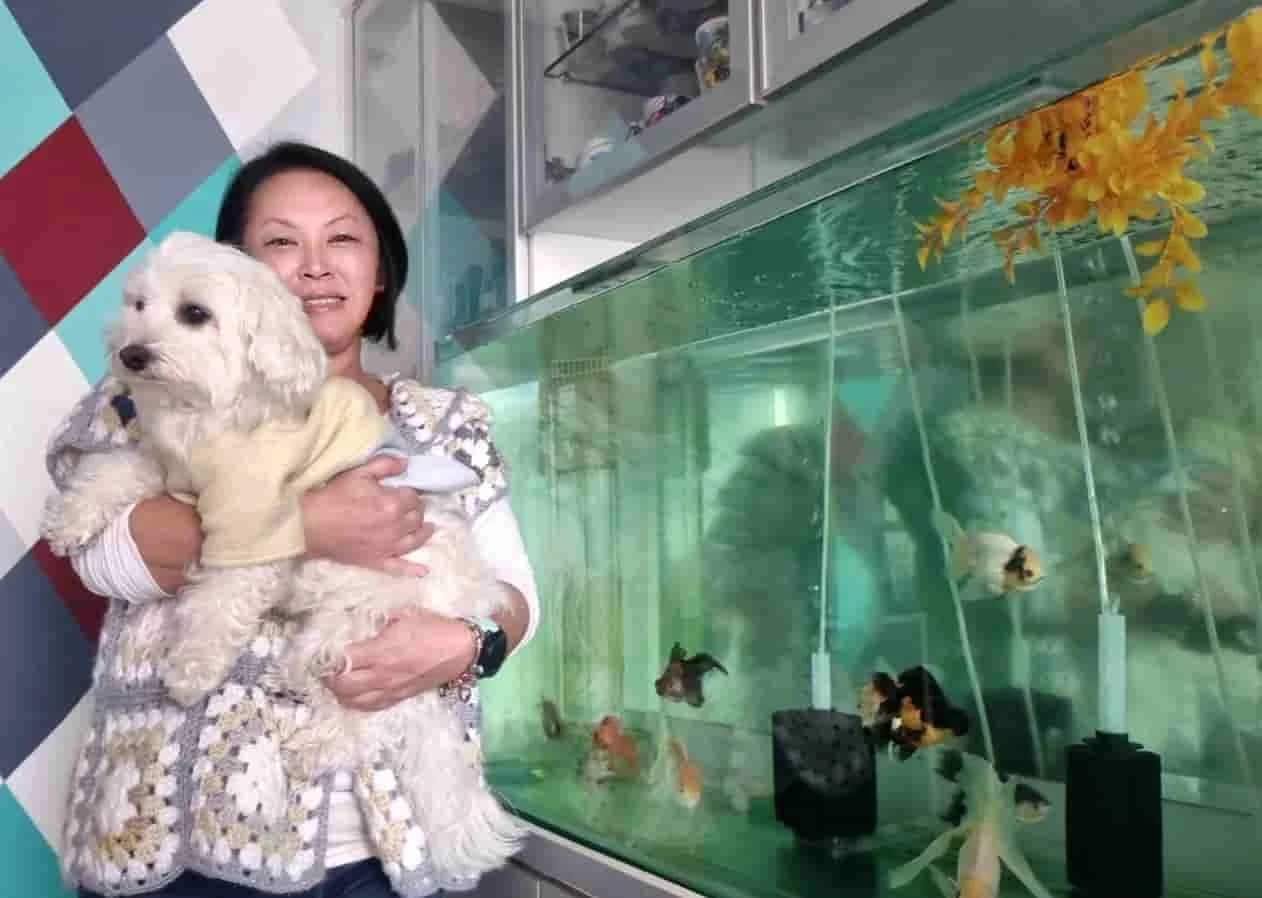
🏠 The 100G Lab
Where we torture test every hardware option, pellet line, and filter layout live.

🏃♀️ Grit & Eye
Marathon endurance meets the precise, millimeter structural focus of a seamstress.
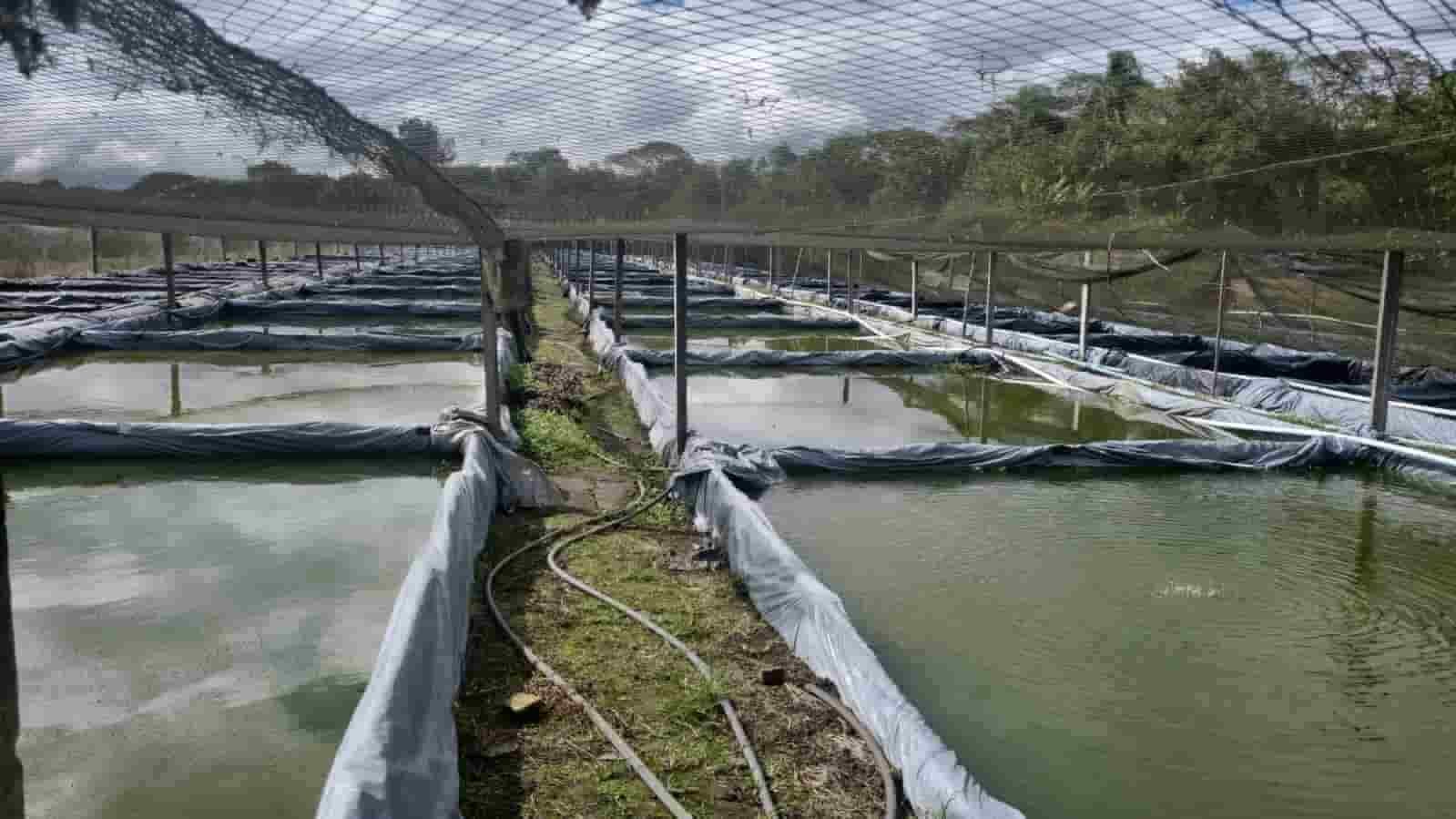
🐳 Monster Vats
Analyzing massive continuous turnovers inside large open-air mud farm vats.
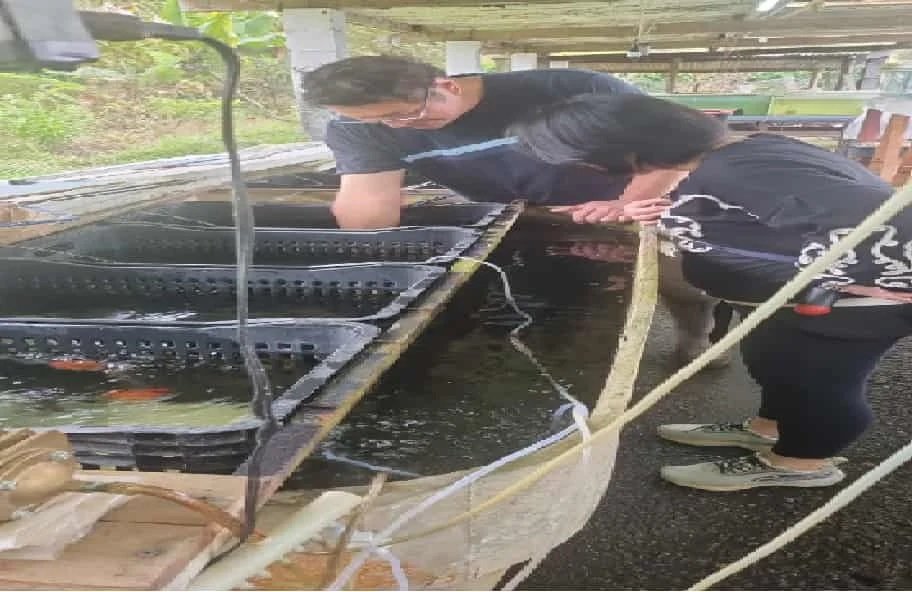
🤝 True Alliances
Working hand-in-hand with regional facility operations to target elite fancy bloodlines.
Read also: Goldfish Red Spots on Skin Cure
A deeply technical piece of content that perfectly complements this post — absolutely worth the read.