
There is nothing worse than sitting down to finish a critical client deliverable, opening your laptop lid, and hearing a sickening plastic snap as the hinge tears right out of the frame. If you have ever experienced a screen going black right before a major presentation, you know the absolute horror of fragile hardware. Understanding Why Professional Laptops Need Certified Durability is the difference between owning a reliable daily workhorse and watching your productivity evaporate because of cheap internal engineering.
As Valtersky, leading our dedicated support team alongside our laptop hardware specialist, I spend my working hours tearing down broken laptops on the repair bench. We see shiny, paper-thin consumer machines brought in every single week with cracked motherboards, snapped display cables, and heat-warped frames. Consumers buy these machines because they look gorgeous under bright store lights, only to realize six months later that they were built out of low-grade components.
Just last month, a remote civil engineer walked into our shop in total panic. He dropped his bag from a bench onto a carpeted floor—a minor tumble of maybe two feet. His flashy consumer laptop looked completely fine on the outside, but the internal plastic screw anchors holding the heatsink sheared right off, overheating his processor and shorting out the main power rail. If he had been using an enterprise machine tested against drop impacts, he would have brushed off the dust and kept working without missing a beat.
Investing in military-grade certified hardware shields you from sudden catastrophic hardware failures, saving you endless downtime while protecting your hard-earned cash.
In 30 Seconds: The Straight-Up Verdict
Look, here is the raw truth from the repair bench: thin, shiny consumer laptops are an absolute trap for working professionals. They flex in your backpack, snap their hinges off thin plastic top covers, and cook their own microchips because of tiny heatsinks. Certified professional laptops undergo strict drop, shock, and thermal stress testing to handle real-world abuse. If you rely on your computer to earn a living, skip the bargain-bin consumer models and buy a machine built with magnesium alloy frames, spill-resistant keyboards, and reinforced port brackets. End of story.
Understanding Enterprise Testing Standards vs Consumer Marketing
When computer manufacturers market consumer laptops, they focus almost entirely on sleek profiles, borderless glass displays, and vanity weight specs. But when enterprise manufacturers build machines for serious field work, they test them against rigorous military-grade environmental parameters, commonly known as MIL-STD-810 benchmarks. These tests evaluate hardware survival against shock drops, functional vibration, altitude pressures, extreme thermal shock, and dust penetration.
Certified durability means the internal components are designed to flex together without snapping solder joints beneath the main processor and memory chips. When you twist a laptop chassis by picking it up by a single corner, a cheap laptop bends enough to fracture micro-connections on the motherboard. Certified machines use internal roll cages and magnesium skeletons to keep structural pressure off sensitive electronics.
The Good Side: Magnesium-Alloy Roll Cages provide exceptional torsional rigidity and absorb heavy drop impacts easily.
The Downside: Metal internal skeletal frames add extra bulk and slight weight, making the laptop feel noticeably thicker in your carry-on bag.
The Good Side: Reinforced Dual-Vane Hinges distribute lid strain across steel mounting plates to prevent chassis cracking.
The Downside: The hinge tension is usually stiffer, making it nearly impossible to open the laptop lid smoothly with a single finger.
The Good Side: Spill-Resistant Keyboards utilize bottom drainage channels to divert liquid spills away from sensitive internal circuit boards.
The Downside: Liquid drainage pathways accumulate pocket lint and breadcrumbs over time, requiring periodic manual cleaning with compressed air.
The Reality of the Battlefield
Marketing departments love creating glossy advertisements showing ultra-thin aluminum laptops sliding effortlessly into leather bags. They promise desktop-class performance inside a frame as thin as a notepad. But when these machines hit the actual battlefield of daily travel, remote job sites, and crowded coffee shops, the illusion shatters quickly.
Flashy consumer laptops feature beautiful anodized exterior finishes. However, within a few months of sliding in and out of backpacks, that shiny finish chips off, keycaps wear down to a greasy polish, and palm rests discolor from hand sweat. Web interfaces freeze up when thermal throttling kicks in, fans whine like jet engines trying to cool cramped heatpipes, and internal plastic clips snap off internally every time the laptop takes a slight bump.
Our hardware specialist team tears down these broken machines every day, and the hard truth is stark: thin consumer laptops are engineered for showroom floors, not longevity. Manufacturers deliberately trade structural thickness for slim profiles, substituting glued plastic brackets where heavy-duty steel screws belong. When you daily-drive a fragile machine, you are standing on a ticking clock until hardware failure strikes.
A Common Hypothetical Error Scenario: The Cracked Hinge Nightmare
Imagine Sarah, a freelance graphic designer who picked out a sleek, paper-thin consumer laptop because it looked modern and lightweight. She carried it everywhere in a padded backpack, using it for client meetings, site visits, and remote work sessions.
Because Sarah frequently opened and closed her laptop screen with one hand from the top right corner, diagonal torque stress applied pressure to the left hinge assembly every single day. The manufacturer secured the display hinges into thin plastic threaded mounts glued to the top cover. Over six months, subtle chassis flex continuously weakened those tiny plastic screw posts.
During an important live client presentation, Sarah opened her laptop screen. With a loud pop, the plastic screw mounts shattered inside the casing. The loose steel hinge lever sheared directly through the delicate internal display ribbon cable, instantly turning her screen black and ruining her meeting. A certified professional laptop built with steel hinge plates bolted into a metal frame would have distributed that torque effortlessly for years.
Key Reasons Why Professional Laptops Need Certified Durability
To truly grasp Why Professional Laptops Need Certified Durability, you have to look beyond surface styling and analyze the physical forces that mobile hardware encounters during daily transportation.
Here are the structural mechanisms that keep certified workstations running when cheaper laptops die:
- Motherboard Trace Protection: Certified frames prevent torsional chassis twisting, stopping micro-fractures in copper traces and BGA solder balls under high-density memory chips.
- Port Bracket Reinforcement: USB-C and HDMI ports are anchored with steel structural plates, preventing physical wiggle from snapping internal solder pads off the mainboard.
- Thermal Chamber Overhead: Larger copper heatpipes and dual-fan exhaust channels keep operating temperatures low, extending CPU and battery lifespans significantly.
- Impact-Absorbing Rubber Bumpers: Outer edge perimeter bumpers absorb drop momentum, shielding corner edges and internal storage drives from shock damage.
A machine that breaks during travel costs far more than its sticker price when you factor in lost working billable hours, emergency overnight shipping, and data recovery services. Durability is not a luxury feature; it is an absolute operational requirement for anyone who earns a living behind a screen.
Professional Laptop Durability Comparison
| Hardware Category | Chassis Material | Hinge Construction | Spill Protection | Structural Flex Risk | Price Tier |
|---|---|---|---|---|---|
| Budget Consumer Laptop | ABS Plastic Shell | Plastic Mounts | None | Extremely High | Budget-Friendly Options |
| Ultra-Thin Consumer Glass | Stamped Aluminum | Glue-Bonded Hinge | Minimal | High (Screen Cracks) | Mid-Tier Investment |
| Business Class Standard | Polycarbonate / Alloy | Steel Plate Screws | Basic Gasket | Moderate | Mid-Tier Investment |
| Certified Workstation | Magnesium Roll Cage | Through-Bolted Steel | Drain Channels | Very Low | Premium Tier Investment |
| Fully Rugged Industrial | Reinforced Polymer | Heavy Duty Sealed | Fully Sealed Rubber | Zero Flex | High-End Setup |
Actionable Execution Checklist
- Verify Why Professional Laptops Need Certified Durability ratings like MIL-STD-810 benchmarks before buying a mobile workstation. Pro-Tip: Check technical datasheets for explicit drop-test heights rather than relying on vague marketing claims.
- Test chassis rigidity by gently twisting the base assembly with both hands. Pro-Tip: If the chassis creaks loudly or visibly twists under light pressure, walk away immediately.
- Inspect internal hinge anchoring methods via online teardown videos. Pro-Tip: Look for hinges bolted directly into metal frames rather than threaded plastic brass inserts.
- Choose keyboards featuring sealed membrane layers and liquid drainage pathways. Pro-Tip: Spill drainage channels keep accidental coffee spills from shorting out primary power rails.
- Look for steel reinforcement brackets surrounding high-wear external ports. Pro-Tip: USB-C charging ports take constant physical strain; unreinforced ports break off motherboards easily.
- Confirm the display lid features a raised rubber perimeter gasket. Pro-Tip: Perimeter gaskets stop tiny crumbs on the keyboard from cracking glass screens when the lid closes tightly.
- Avoid laptops that use glue instead of screws for battery and chassis retention. Pro-Tip: Glued components make simple fan cleans and battery replacements nearly impossible down the road.
- Check fan vent positioning to ensure exhaust air is not blocked when resting on a lap. Pro-Tip: Bottom intake vents blocked by clothing cause rapid thermal throttling and chip degradation.
- Select matte anti-glare display panels over reflective thin glass covers. Pro-Tip: Matte screens eliminate glares in field environments and do not shatter like unprotected glass.
- Verify modular RAM and storage slot accessibility before committing capital. Pro-Tip: Soldered storage means a dead motherboard instantly destroys your access to local files.
- Inspect charger barrel and USB-C cable strain relief quality. Pro-Tip: Low-grade chargers fray quickly at the connector bend, posing short-circuit hazards to your laptop port.
- Establish a strict routine of blowing compressed air into cooling fins every three months. Pro-Tip: Removing dust build-up lowers internal heat, doubling fan bearing operational life.
👇 Looking for more performance cheats? Check out our field-tested tactical blueprints:
Guides for Your Next Workspace
Professional Laptops
The definitive blueprint to selecting high-performance, enterprise-grade workstations engineered to scale your productivity.
Budget Tech Tools
Practical strategies and low-cost digital tools engineered to maximize office performance without breaking your budget.
Power User Gadgets
Advanced hardware, desk automation tools, and elite tech ecosystems built to completely eliminate workflow bottlenecks.
Frequently Asked Questions
Are military-grade certified laptops really tougher or is it just marketing fluff?
Unlike consumer buzzwords, genuine MIL-STD-810 certification requires passing standardized drop, vibration, and environmental tests. It is not fluff—certified laptops use thicker internal frames, shock mounts, and reinforced hinge anchors that survive real abuse.
Why do thin aluminum consumer laptops dent and bend so easily?
Because consumer laptops use stamped thin-sheet aluminum for vanity weight specs. Sheet aluminum looks pretty when new, but it lacks structural internal roll cages, meaning minor drops leave ugly permanent dents and bend internal motherboards.
Is a spill-resistant keyboard 100% waterproof?
No. Spill-resistant keyboards redirect minor coffee or water splashes down drainage channels beneath the chassis. They are built for accidental liquid spills, not for submerged swimming pools or heavy ocean saltwater exposure.
Can I fix a snapped plastic laptop hinge myself at home?
Not reliably. When plastic hinge anchors break off a cheap chassis, gluing them back together fails almost instantly under spring torque. You end up having to replace the entire palm rest or top lid assembly, which costs a fortune in labor.
What are the main pros and cons of magnesium alloy laptop frames?
The Good Side: Exceptional strength-to-weight ratio, high impact resistance, and superb heat dissipation properties.
The Downside: Manufacturing costs are higher, and the matte structural finish lacks the shiny metallic luster that retail buyers look for.
Does chassis flex really hurt internal laptop components?
Yes, absolutely. When a thin laptop flexes inside a stuffed backpack, the motherboard bends. This flexing exerts physical tension on tiny BGA solder balls underneath your processor and graphics chips, eventually causing solder joints to crack and component failure.
Why are soldered RAM chips a bad sign for laptop longevity?
Soldered RAM prevents future hardware upgrades and eliminates easy repair pathways. If a single memory chip develops a hardware fault, the entire motherboard becomes e-waste because you cannot simply swap out a removable memory stick.
How do I protect my existing laptop if it lacks military-grade durability?
Buy a rigid hard-shell padded sleeve, open the screen gently from the top center rather than corners, never pick up the laptop by a single base corner, and avoid stuffing it into tightly packed bags.
Why Trust SKYTC Curated Gear?
At SKYTC, we simplify technology for you. We aren’t just another deals site; we are hardware experts obsessively focused on elite performance.
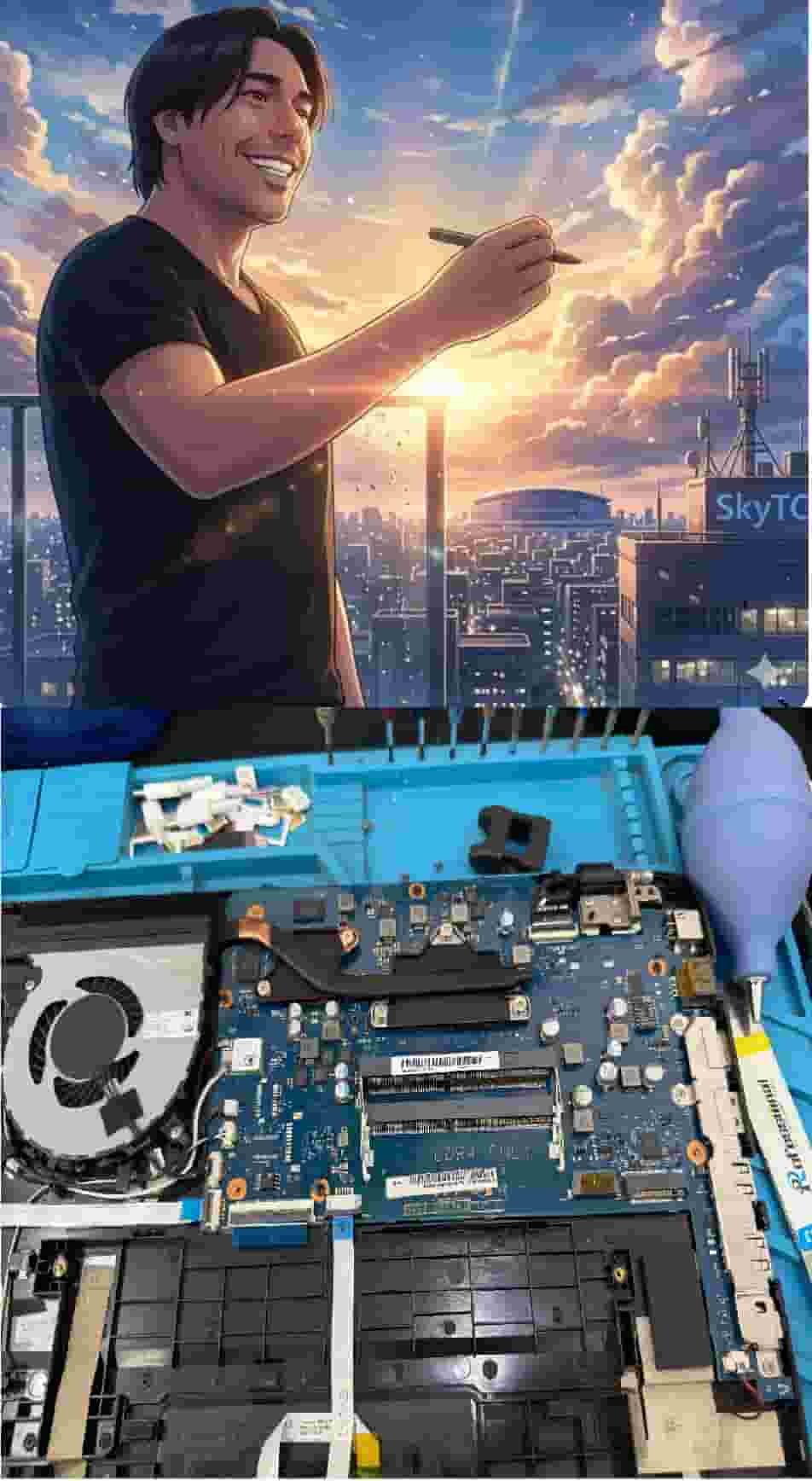
Technical Bio: Hardware & Laptops
“At SkyTC, technology is driven by engineering precision and real field experience. I am Valtersky, and I bring a unique background to the bench: from professional woodworking, the eye for structural integrity; from radiology, an absolute obsession with microscopic details.
As an ultra-endurance marathon runner, I don’t just browse store windows. I tear machines down, run intensive stress tests on thermal dissipation, and validate the actual build quality of every single component. My mission is to translate complex tech engineering and tech finances into smart decisions for your workflow.
Here, we speak straightforward, jargon-free English with the authority of someone who knows exactly what is inside the chassis.”
✨ Read also: Strongest Built Laptops for Remote Industrial Work
Content that perfectly complements this guide — highly recommended reading.